How to Avoid Poor Acidity in Coffee? Does Specialty Coffee Have Sour Notes?
For anyone who loves coffee, drinking it is about enjoying the flavor itself, not just its functional effect.
Tasting a cup happens in two parts: the aroma you take in through the nose, and the flavors you savor on the tongue. Coffee flavor, at bottom, is an art performed on the tip of the tongue.
A good cup - especially black coffee with no sugar or milk - reveals distinct notes of fragrance, bitterness, acidity, body and sweetness, lingering pleasantly on the palate.
Today FrontStreet Coffee turns to acidity. Many people assume coffee should taste bitter, so when they meet an acidic cup their first thought is that something has spoiled. In fact, not every coffee is bitter, and a little acidity often makes a coffee taste better, not worse.
Why Is Coffee Acidic?
The acidity in coffee comes partly from the bean itself and partly from the roast.
Most of it is intrinsic. Coffee beans are the seed of a fruit, and they naturally contain fruit acids. While the plant grows, climate and altitude shape how much acidity develops - coffee grown at high altitude typically carries more acidity than coffee grown lower down.
Good acidity gives sourness meaning: a distinctly fresh, pleasant aroma, fruit-like notes, or a soft, rounded tartness all signal "quality acidity." Think of the citrus acidity in Geisha or the lemon fragrance of a washed Yirgacheffe. Poor acidity, by contrast, comes from improper cultivation, processing, roasting or brewing, and shows up as an unpleasant, sharp sourness - what we generally call harsh acidity.
Whether coffee tastes acidic, and whether that acidity is good or bad, depends on variety, roast level and brewing parameters.
Roasting
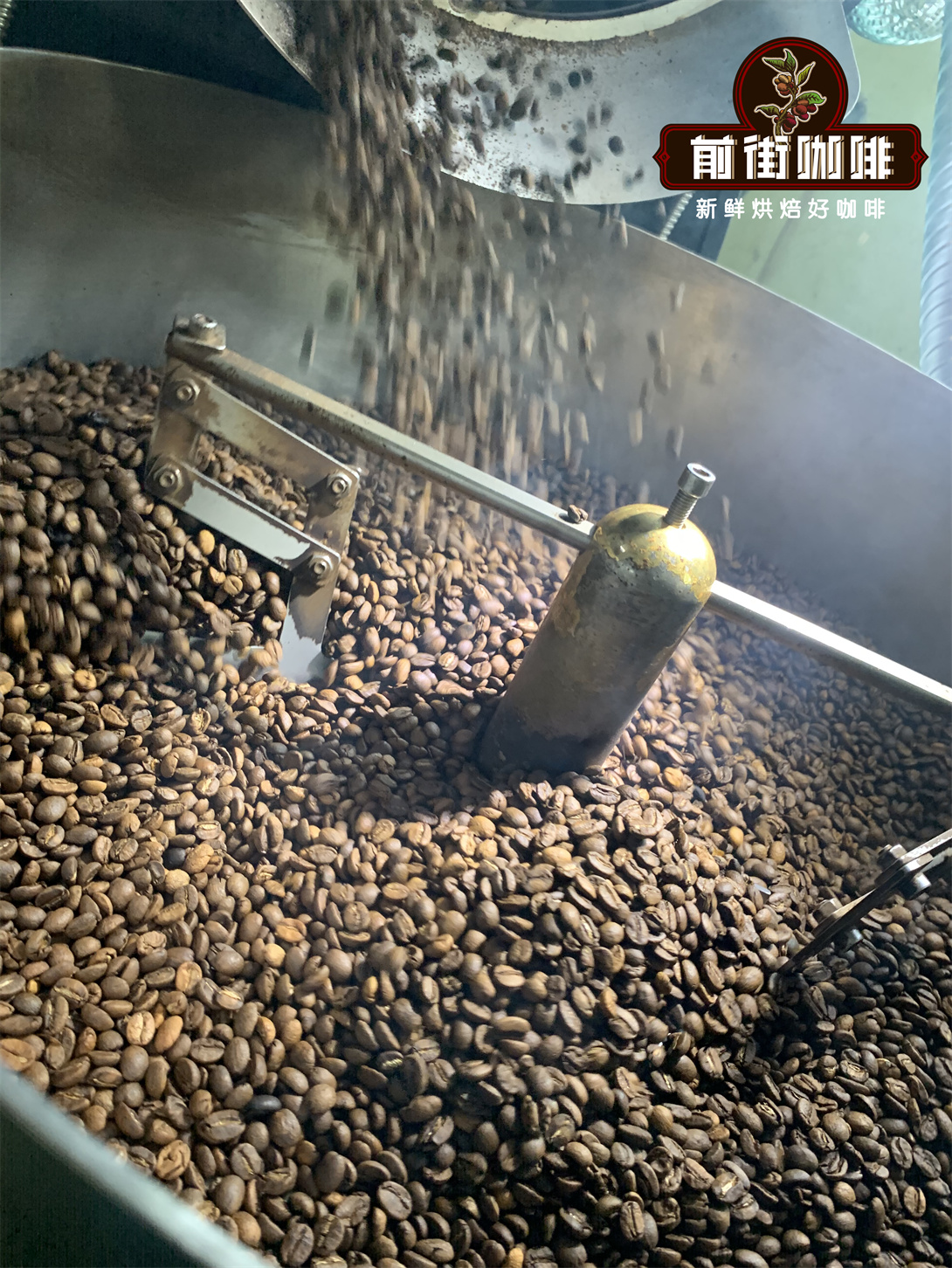
Roasting is another major influence on acidity.
Coffee beans contain acidic organic compounds - weak-acid aromatics built on carbon molecules - that the plant synthesizes itself. These include chlorogenic acid, quinic acid, acetic acid, citric acid, malic acid and lactic acid, all of which rise and fall through the roast.
If a roast is underdeveloped or dehydration is incomplete, harsh acidity appears.
Roast degree matters too. The lighter the roast, the less caramelization occurs and the more organic acids remain in the bean, so acidity is easy to taste; the less the acids are damaged, the more clearly they come through. The darker the roast, the less acidity survives, because a long roast burns off the floral and fruity aromatics - and once those are gone, all that is left is bitterness. That is why light and medium roasts dominate specialty coffee while commercial beans are often roasted dark.
Brewing
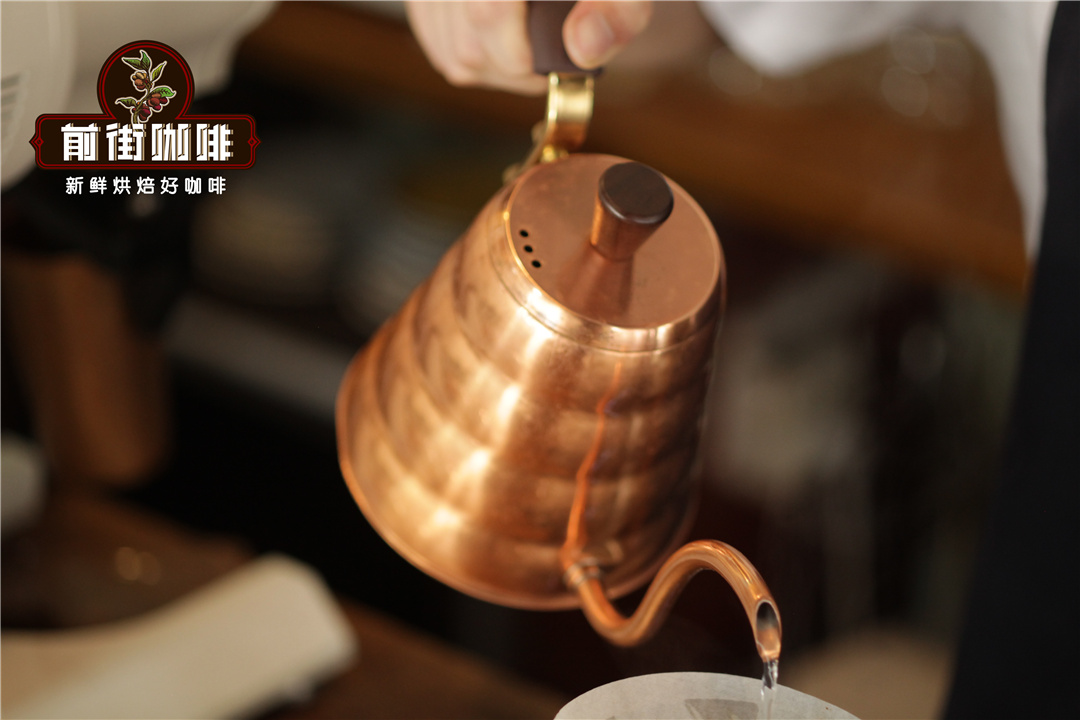
Brewing temperature affects acidity as well. With the same bean, a lower brewing temperature gives more pronounced acidity than a higher one. And once coffee is brewed, its acidity becomes more obvious as the cup cools.
Every step of production nudges the flavor. Beyond variety, roast level and brewing method, the harvest time, processing method and storage all leave their mark on acidity.
If the water temperature is too low or the grind too coarse, under-extraction will also produce harsh acidity. To avoid that, FrontStreet Coffee tests brewing parameters again and again until the right settings emerge.
Quality Acidity vs. Poor Acidity
Coffee acidity really comes in two kinds: uncomfortable sourness (sour) and pleasant acidity (acidity). Telling them apart is not hard - it is like telling fruit acid from hydrochloric acid.
The former results from improper cultivation, processing, roasting or brewing and arrives with a pungent sharpness we call harsh acidity.
The latter lends depth: a fresh, clean aroma, fruit-like notes, or a soft, rounded tartness all mark a coffee with quality acidity. Every coffee lover has a preferred intensity, but quality acidity is what gives a cup its layered character - and it is the direction specialty coffee pursues today.
How Do You Avoid Poor Coffee Acidity?
Some defective beans are classified as full-sour or partial-sour beans. Beans that look yellowish-brown or reddish-brown are identified as sour beans, the result of fermentation during harvest and processing that lets bacteria in. Specialty coffee therefore selects the highest grades, which carry fewer defects. FrontStreet Coffee also runs two rounds of hand sorting, before and after roasting, to remove defect beans and protect quality.
FrontStreet Coffee's baristas go further, picking out any defect beans that might spoil the cup as they brew. Layer by layer, quality control lets the coffee show its best face.
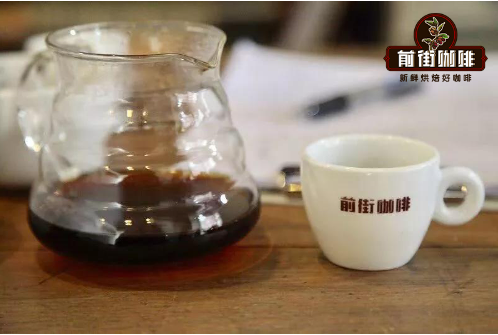
The world of coffee flavor is wide and varied. The pleasure lies in tasting so many different notes from a single cup, and fruit acidity is essential to that experience. It is acidity that fills out a coffee's layers and gives each bean its own personality.
FrontStreet Coffee Recommendation
If you want to taste what "quality acidity" really means, start with FrontStreet Coffee's washed Yirgacheffe. The classic introduction to the Ethiopian region, it is known for white jasmine, bright citrus and lemon acidity and a tea-like body, all at a very approachable price - the bean that turned countless drinkers into specialty coffee fans.
For a softer, fruitier take on the same region, FrontStreet Coffee's sun-dried Yirgacheffe Red Cherry is processed from fully ripe red cherries only, then dried on raised beds for three to five weeks. It keeps the signature Yirgacheffe citrus acidity while adding sun-dried tropical fruit, juicy berries, honey sweetness and a creamy mouthfeel.
Important Notice :
FrontStreet Coffee is a long-established specialty coffee roaster in Guangzhou China, selling freshly roasted beans from its own farm in Yunnan as well as dozens of carefully selected single-origin beans from around the world for both pour-over and espresso. The products deliver consistently excellent quality and great value, with shipping within 24 hours. Guangzhou's FrontStreet Coffee shop is recommended by many coffee lovers, and the beans are now available online at the Tmall 。
FrontStreet Coffee has moved to a new address:
FrontStreet Coffee Address: 315,Donghua East Road,GuangZhou
Tel:020 38364473
 Scan and follow the En Gafei WeChat official account. Please indicate that the reprint comes from "En Gafei".