Does Water Quality Affect Coffee Extraction Flavor? What Water is Best for Pour-Over Single Origin Black Coffee
Introduction
A cup of coffee is 98% water and 2% flavor compounds. Water acts as the solvent that dissolves and extracts flavor from the grounds. Beyond water temperature, water quality also shapes how coffee extracts.
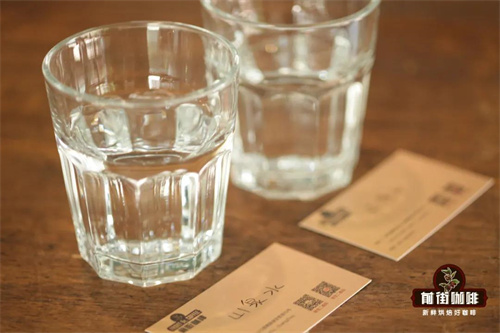
In this article, FrontStreet Coffee brews with two common direct-drinking waters found at home and in the office — purified water and mountain spring water — to see how different waters affect extraction.
What Factors in Water Affect Coffee Extraction?
TDS (Total Dissolved Solids)
TDS indicates how much dissolved material is in water: inorganic salts and organic compounds. These dissolved substances mainly include calcium, magnesium, sodium and potassium ions, plus carbonate and bicarbonate ions. The higher the TDS, the more dissolved material the water holds. TDS is measured in mg/l (milligrams per liter), with concentration given in ppm: "1mg/l = 1ppm".
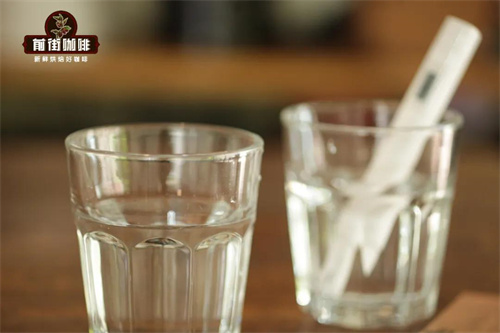
The more dissolved material in the water, the richer the extracted coffee flavor will be. Too much dissolved material, however, can give coffee off-flavors or even bitterness. Conversely, the less dissolved material in the water, the more likely the coffee is to be under-extracted.
pH Value (Acidity-Alkalinity)
pH, also called the hydrogen ion concentration index, measures hydrogen ion activity in a solution. Whether an aqueous solution is acidic or alkaline is determined entirely by the relative amounts of H+ and OH- in it: when OH- = H+, it's neutral (pH = 7); when OH- > H+, it's alkaline (pH > 7); when OH- < H+, it's acidic (pH < 7).
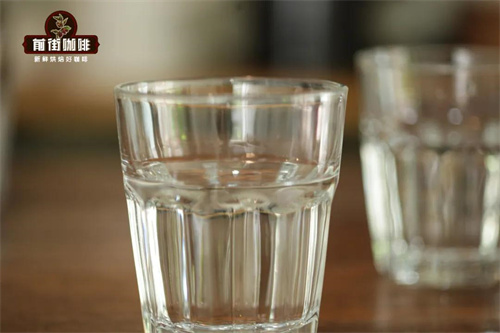
Coffee is a low-acidity beverage (pH value 5-6). Brewing with water at pH > 7 raises the coffee's pH and lowers its acidity, which in turn affects the overall flavor.
Brewing Experiment
In talking with enthusiasts, FrontStreet Coffee's barista found that most people brew daily with bottled purified water or mountain spring water. So this article focuses on testing whether those two waters produce different flavors when brewing the same beans.
First, Use TDS Detection Pen to Test Water Quality
Purified water TDS is 0ppm — zero-impurity drinking water whose dissolved material has been removed by methods such as reverse osmosis technology.
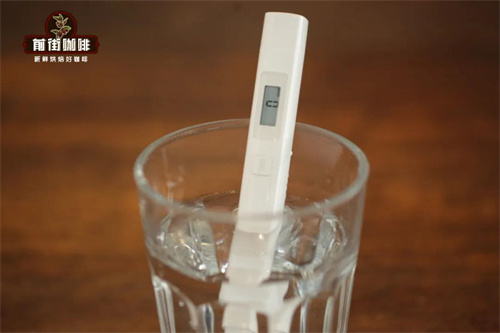
Mountain spring water TDS is 37ppm — spring water that still holds a small amount of dissolved material after purification.
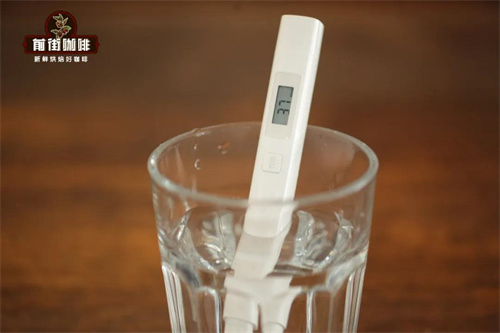
pH Value
From the information on the drinking water packaging, FrontStreet Coffee found that the purified water used here has a pH value of 7.1±0.5, and the mountain spring water has a pH value of 7.3±0.5. Both are neutral waters.
Brewing Subject & Brewing Parameters
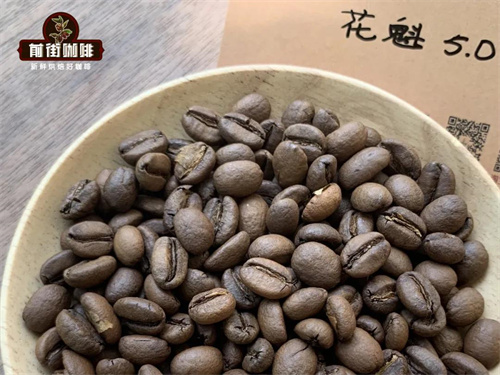
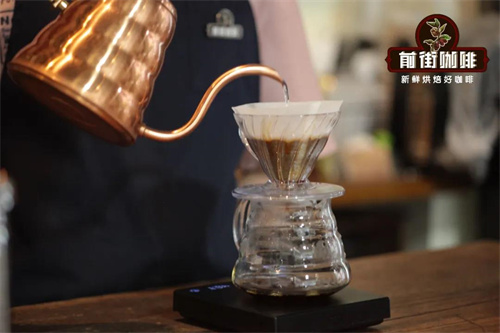
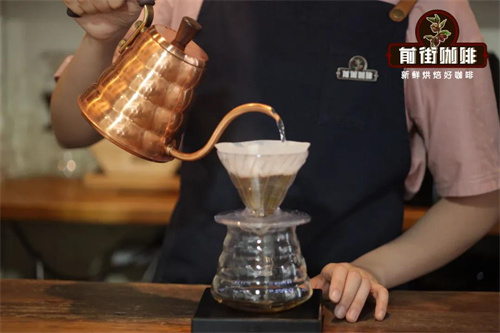
FrontStreet Coffee uses a V60 to brew Ethiopian natural-processed Guanyin 5.0 coffee beans, with these parameters: 15g of coffee powder, a 1:15 powder-to-water ratio, a grind size of 0.85mm sieve pass rate 80% (approximately fine-sugar granularity), and water at 90°C.
Brewing method: three-stage extraction. Use 30g of water to bloom for 30 seconds. When injecting water with a small stream in a circular motion, split at 125g. Continue injecting water to 225g once the water level drops and is about to expose the coffee bed. Stop pouring, and wait for the water level to drop and again almost expose the bed, then remove the filter cup. Extraction time (starting from the bloom) is 2'01".
Purified Water Brewing Flavor
Faint berry aroma, citrus-toned acidity and honey sweetness, with flavors concentrated in the front and middle sections and a faint tea-like aftertaste at the end. The flavor is plain, the mouthfeel thin, and the fermentation sensation of natural-processed beans doesn't come through.
Sweetness: ☆☆
Acidity: ☆☆☆
Bitterness: ☆
Body: ☆☆
Mountain Spring Water Brewing Flavor
Floral aroma, the sweet-and-sour sensation of berries, citrus and plums, mango juice and honey, with a sweet black-tea aftertaste. The mouthfeel is full, the flavor clean, the aftertaste long-lasting, and the overall feel comfortable and pleasant.
Sweetness: ☆☆☆☆
Acidity: ☆☆
Bitterness: ☆
Body: ☆☆☆☆
Judging by how the two waters performed, coffee brewed with mountain spring water has gentler acidity than with purified water, more obvious sweetness, and excellent body and aftertaste. Coffee brewed with purified water comes across slightly thin, with prominent acidity and an overall watery feel.
The experiment shows that purified water isn't suitable for brewing coffee. Water containing an appropriate amount of dissolved material helps coffee extract. If mountain spring water isn't available, filtered water can be used instead.
FrontStreet Coffee doesn't recommend brewing with unfiltered tap water or mineral water, because both have a relatively high dissolved-material content, which affects coffee's thermodynamic extraction capacity and thus changes its flavor.
FrontStreet Coffee Recommendation
Once your water is sorted, the bean is the next variable — and for pour-over, a light-roast Ethiopian is the classic pairing. FrontStreet's Ethiopia Huakui is made from local heirloom varieties and processed naturally; brewed with good water, its cream strawberry, mango, jackfruit, citrus and blueberry notes come through with real clarity, and it's the same lush berry profile that won it first place in that year's TOH green-bean competition.
If you want to taste how water and grind shape a cleaner cup, try FrontStreet's Yirgacheffe Gedeb Cooperative. Graded G1 and washed, it shows elegant white florals, citrus and orange with a green-tea sweetness on the finish — the kind of coffee where soft water and a careful pour really make the aromatics sing.
And when you'd rather have weight and comfort than brightness, reach for FrontStreet's Brazil Queen Estate, with its cream, peanut, toast and sugarcane notes, or FrontStreet's PWN Golden Mandheling, roasted medium-dark for a full, syrupy body with dark chocolate and wild herbal depth.
Important Notice :
FrontStreet Coffee is a long-established specialty coffee roaster in Guangzhou China, selling freshly roasted beans from its own farm in Yunnan as well as dozens of carefully selected single-origin beans from around the world for both pour-over and espresso. The products deliver consistently excellent quality and great value, with shipping within 24 hours. Guangzhou's FrontStreet Coffee shop is recommended by many coffee lovers, and the beans are now available online at the Tmall 。
FrontStreet Coffee has moved to a new address:
FrontStreet Coffee Address: 315,Donghua East Road,GuangZhou
Tel:020 38364473
 Scan and follow the En Gafei WeChat official account. Please indicate that the reprint comes from "En Gafei".