New Treatment for Ethiopian Coffee Leaf Rust and Ethiopian Coffee Price Characteristics
Understanding Coffee Leaf Rust Disease
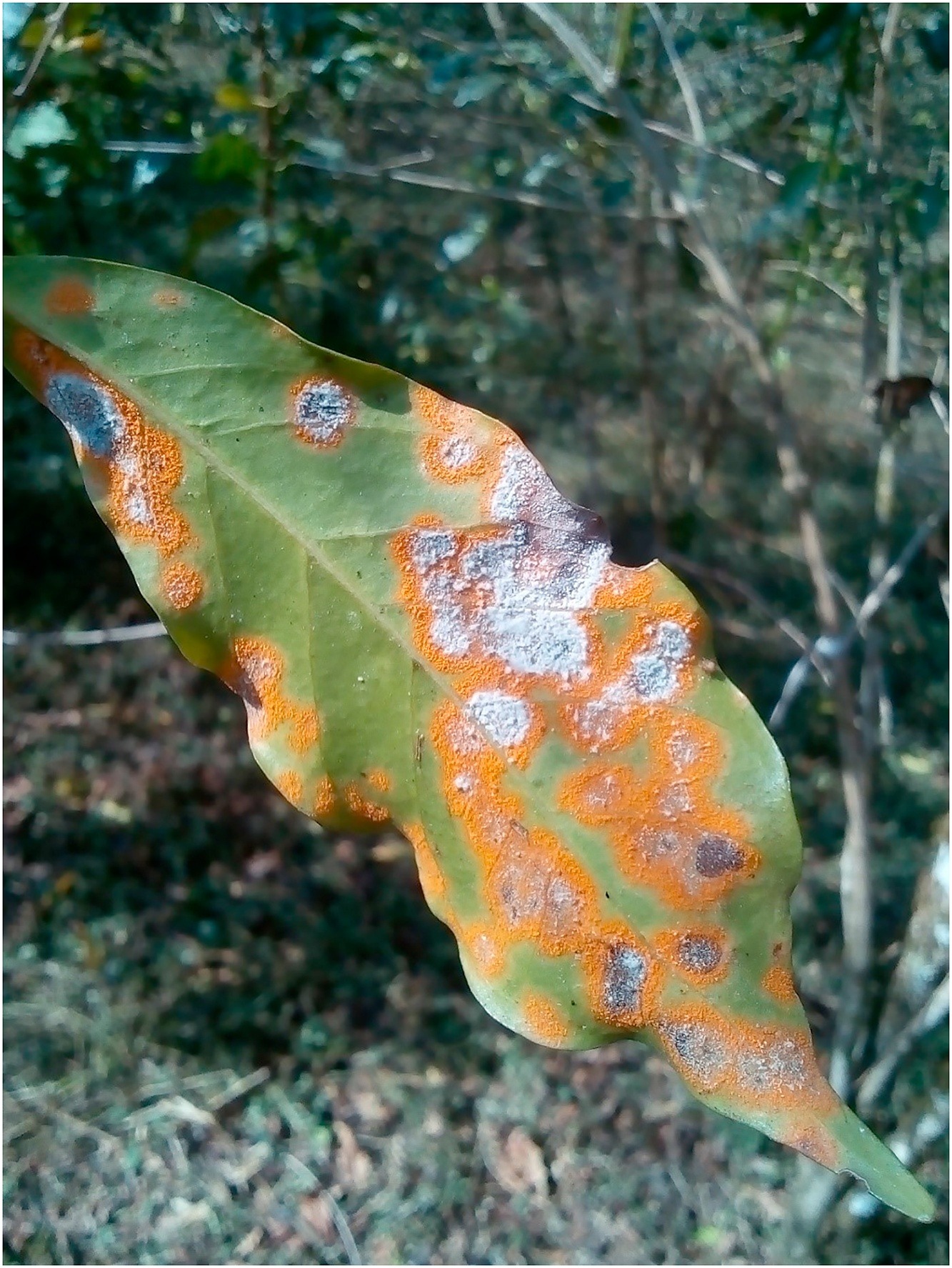
Coffee leaf rust is caused by the fungus Hemileia vastatrix. The usual symptoms start as yellow spots on the upper leaf surface, which spread into bright orange-to-red circular patches and eventually turn brown. The underside of the leaf shows orange powdery lesions, the spore masses of the rust fungus. Infected leaves droop and gradually fall. For affected trees, both yield and quality decline.
Research on Natural Control Methods
According to Beyene Zewdie, an expert from Stockholm University, planting coffee under shade can create a favorable environment for a host that effectively controls the fungal rust pathogen Lecanicillium lecanii. "Shade also creates favorable conditions for the parasites that carry this fungus, and we need to maximize that potential," he said.
A study conducted in Ethiopia, however, suggests that an organism growing on rust-infected leaves could be the key for coffee farmers fighting the disease. "Leaf rust is a global challenge to coffee production. Yields drop by 30% because of it," said Beyene Zewdie, one of the researchers.
Study Findings on Coffee Rust and Parasites
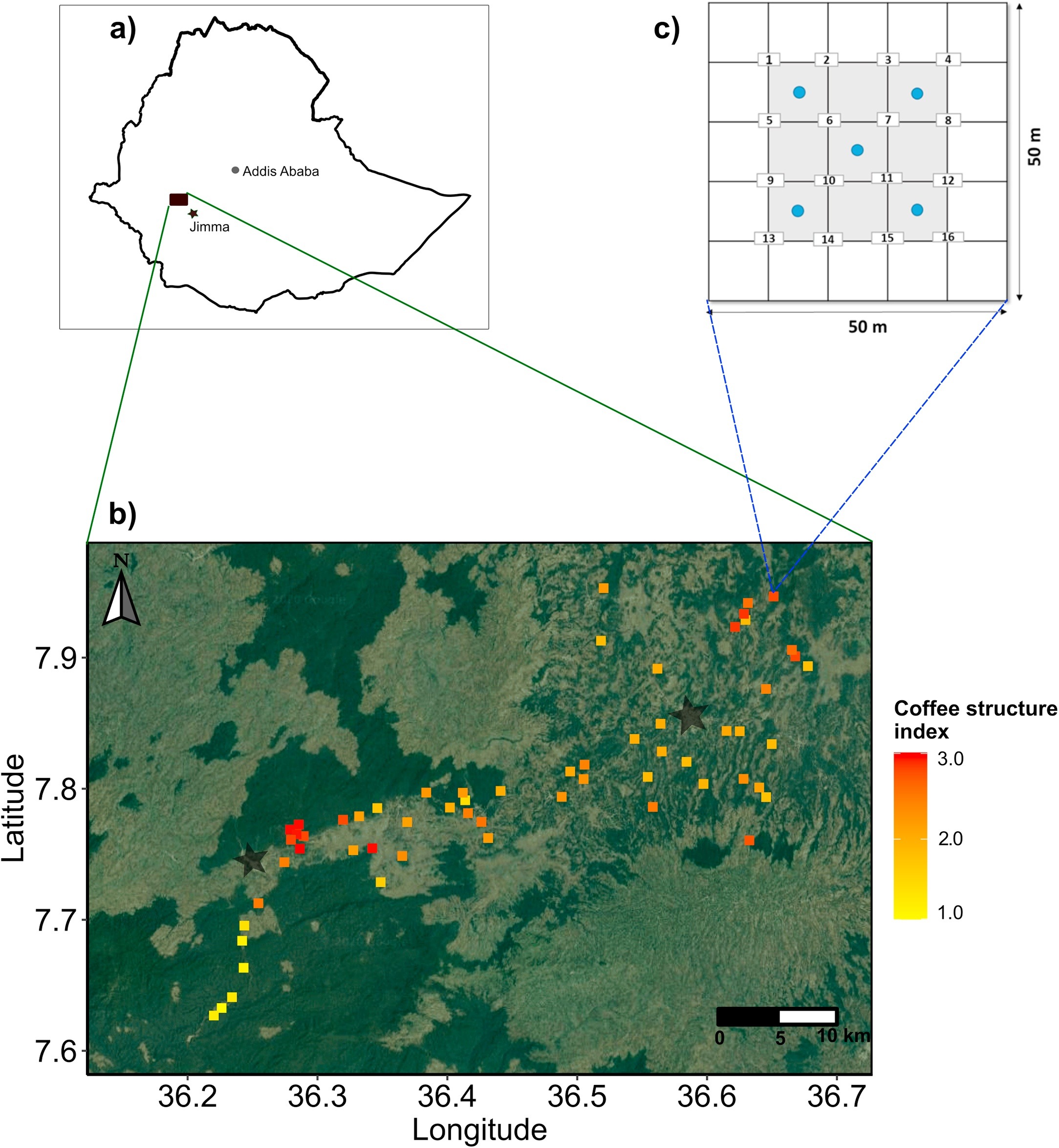
In a study published on May 1 in Agriculture, Ecosystems and Environment, researchers observed two types of fungi in southwestern Ethiopia between 2017 and 2019: the rust fungus that causes leaf rust, and a fungus that attacks the rust fungus, Lecanicillium lecanii.
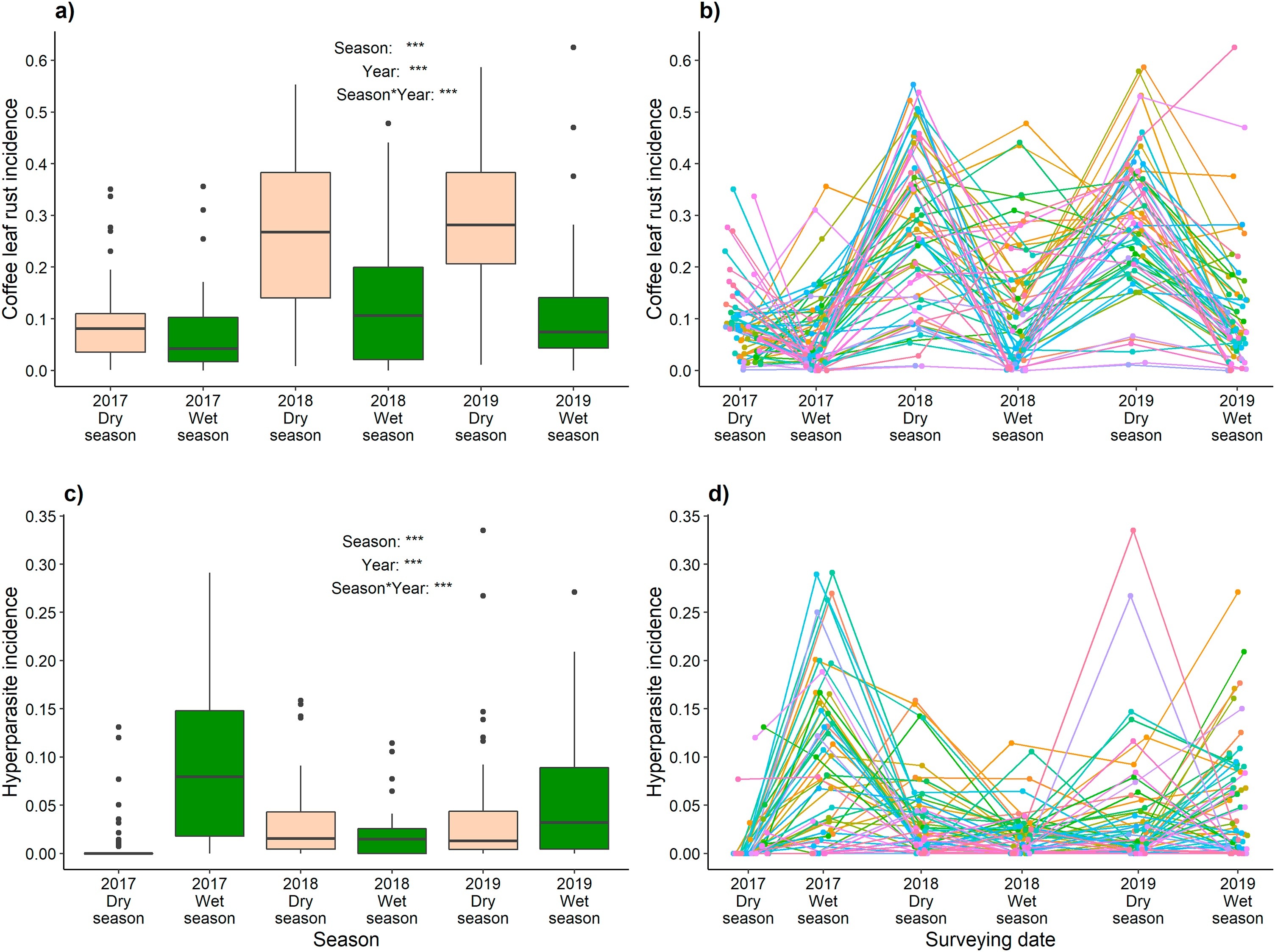
The researchers found that coffee leaf rust was more severe during the dry season, while pest infestation was more severe during the rainy season in two of the three years studied. As management intensity on the coffee plants increased, leaf rust incidence rose; as management intensity fell, the parasites became more common. The two also have slightly different environmental preferences: rust fungi prefer dry conditions, while the parasites prefer a moist, cool environment.
Implications for Coffee Cultivation
The research revealed the relationship between the rust fungi and the parasites, with positive implications for treating coffee leaf rust and controlling pests in the future.
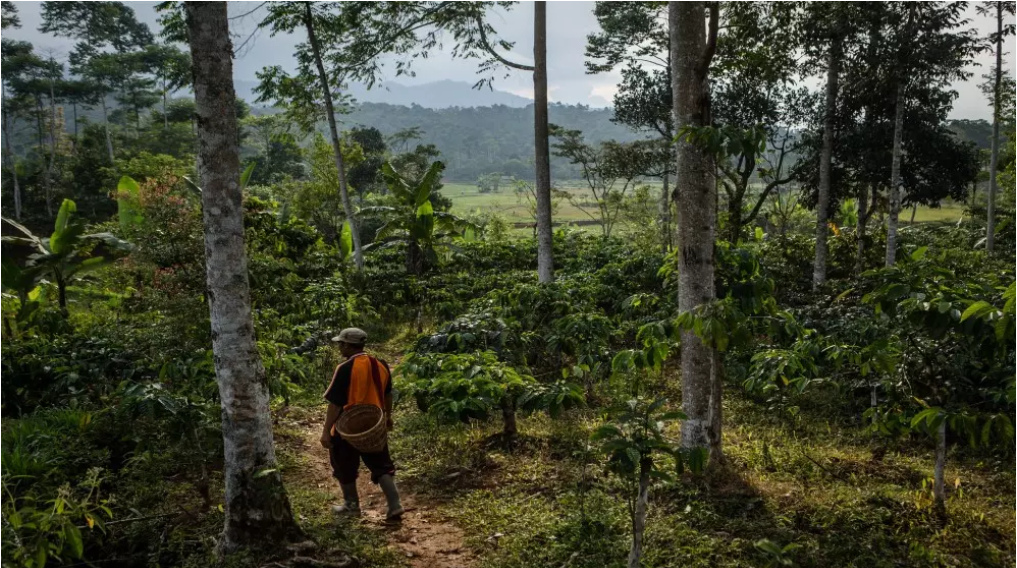
The Ethiopian survey found that local coffee farmers do not prioritize leaf rust, because although the leaves of infected plants fall, they regrow during the next rainy season. The researchers warned that leaf loss still harms plant growth and noted that shade helps reduce the damage. Coffee needs the microclimate created by shade, which provides a favorable environment for the parasites that carry the anti-rust fungus L. lecanii. That potential should be maximized so the two organisms can coexist and thereby suppress leaf rust.
Expert Opinions and Future Directions
Bernard Mukiri Gichimu, a senior lecturer in the Department of Agricultural Resource Management at Embu University in Kenya, said the discovery is important for coffee farmers. With global climate change, coffee leaf rust will become more destructive, and the finding of parasites that carry the anti-rust fungus L. lecanii makes a special contribution to controlling it. After all, biological control is better than fungicides, which are neither safe for consumers nor friendly to the environment.
FrontStreet Coffee Recommendation
Ethiopia is the birthplace of Arabica and home to a vast number of native varieties, so the country's cups are defined by floral and citrus character. FrontStreet Coffee's washed Yirgacheffe is the classic starting point, with clear jasmine aroma and bright citrus acidity, a light, elegant body and a tea-like quality that drinks like a clean lemon tea. The Gedingding Cooperative, in the Woka area at the southeast edge of Yirgacheffe, applies the same traditional washed method and layers on citrus and lemon notes with elegant white florals.
For a naturally processed contrast, FrontStreet Coffee's Yirgacheffe Red Cherry is dried with the whole ripe fruit, adding tropical fruit aroma to the region's signature acidity, with berry juiciness, honeyed sweetness and a creamy smoothness. FrontStreet Coffee's naturally processed Sidamo Huakui comes from the Hambella area of Guji, laid on raised beds for 21 days, and shows a light ferment note, flowers, citrus and mango over a thick body and a long finish.
Ethiopian coffees of this style are best as a pour-over. FrontStreet Coffee suggests a V60, 15 g of coffee, a 1:15 ratio and 90-91°C water, with a grind around fine sugar (about 80% passing a China-standard #20 sieve). Pour 30 g for a 30-second bloom, then add 95 g (about 125 g on the scale) over roughly a minute, and once the water level drops to two-thirds of the bed add the remaining 100 g (about 225 g on the scale), finishing the pour in about 1 minute 35 seconds and the full drawdown in 2:00-2:10.
Important Notice :
FrontStreet Coffee is a long-established specialty coffee roaster in Guangzhou China, selling freshly roasted beans from its own farm in Yunnan as well as dozens of carefully selected single-origin beans from around the world for both pour-over and espresso. The products deliver consistently excellent quality and great value, with shipping within 24 hours. Guangzhou's FrontStreet Coffee shop is recommended by many coffee lovers, and the beans are now available online at the Tmall 。
FrontStreet Coffee has moved to a new address:
FrontStreet Coffee Address: 315,Donghua East Road,GuangZhou
Tel:020 38364473
 Scan and follow the En Gafei WeChat official account. Please indicate that the reprint comes from "En Gafei".