Iced Pour-Over Coffee Ratio: Perfect Iced Black Coffee Measurements, Grind Size, and Water Temperature Recommendations
Introduction
Sunny weather, singing cicadas and birds: with summer's arrival, iced coffee naturally becomes the favorite among coffee enthusiasts. "How should I brew iced pour-over so it actually tastes great?" has been the most discussed question among FrontStreet Coffee's baristas recently. What coffee-to-water ratio suits iced pour-over, and how much ice should go in after brewing? This article answers both through a controlled experiment.

Iced Pour-Over Coffee
FrontStreet Coffee's daily service uses the Japanese iced pour-over method, in which ice is added to cool the coffee after it is brewed hot. Melting ice not only lowers the coffee's temperature but also dilutes its concentration. That is why, when preparing iced pour-over, FrontStreet Coffee tightens the coffee-to-water ratio to keep the brewed liquid concentrated enough.

Experimental Comparison
For the experiment FrontStreet Coffee used Ethiopian Guji beans, comparing different coffee-to-water ratios diluted with the same amount of ice to see how flavor changes when different concentrations meet equal ice.
Brewing Parameters
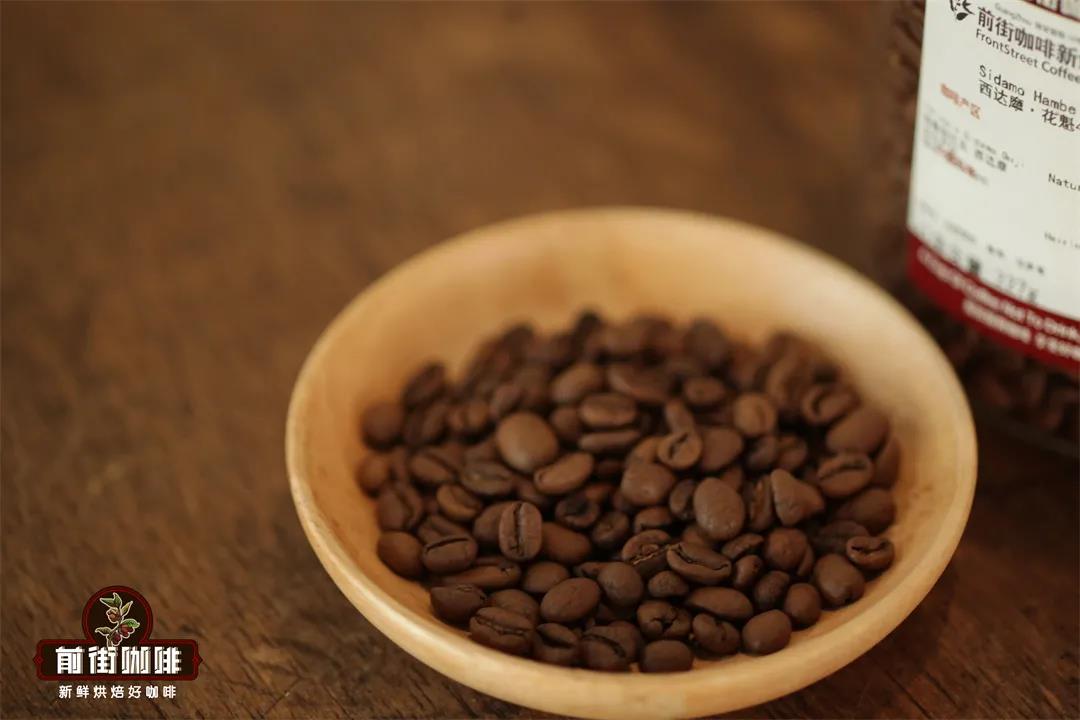
V60 #01 dripper, 0.85mm sieve with 75% pass-through rate (approximately the granularity of coarse sugar), three-stage pouring, 90°C water, 15g of coffee grounds, 100g of ice cubes. Group A: 1:10 coffee-to-water ratio; Group B: 1:13; Group C: 1:15.
Group A | 1:10 Coffee-to-Water Ratio
Brewing method: add 100g of ice cubes to the serving pot before brewing. Pour 30g of water for a 30-second bloom, pour a second time to 90g, wait until the liquid level drops to two-thirds of the coffee bed, then pour a third time to 150g. Total extraction time 1'39", with a total of 225g of coffee liquid in the pot.

Group A Flavor: Distinct berry fruit acidity and sweetness, rose jam, black tea, a full-bodied texture and noticeable sweetness.
Group B | 1:13 Coffee-to-Water Ratio
Brewing method: add 100g of ice cubes to the serving pot before brewing. Pour 30g of water for a 30-second bloom, pour a second time to 110g, wait until the liquid level drops to two-thirds of the coffee bed, then pour a third time to 195g. Total extraction time 1'55", with a total of 270g of coffee liquid in the pot.
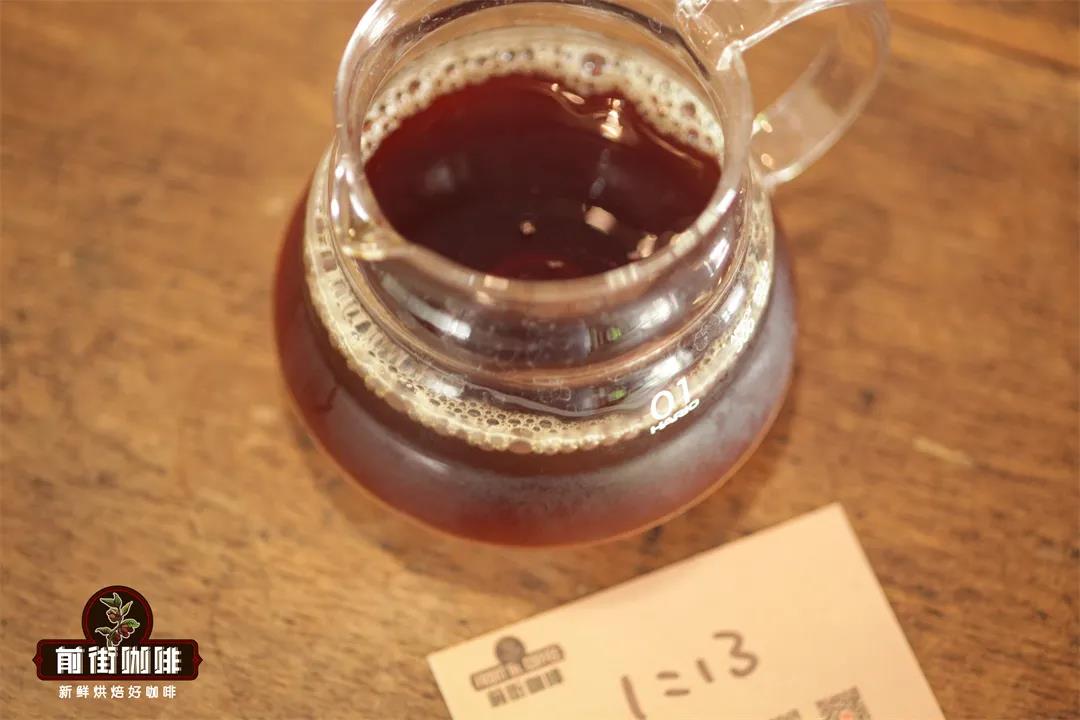
Group B Flavor: Citrus acidity, nectarine, black tea, a smooth texture.
Group C | 1:15 Coffee-to-Water Ratio
Brewing method: add 100g of ice cubes to the serving pot before brewing. Pour 30g of water for a 30-second bloom, pour a second time to 125g, wait until the liquid level drops to two-thirds of the coffee bed, then pour a third time to 225g. Total extraction time 2'20", with a total of 300g of coffee liquid in the pot.
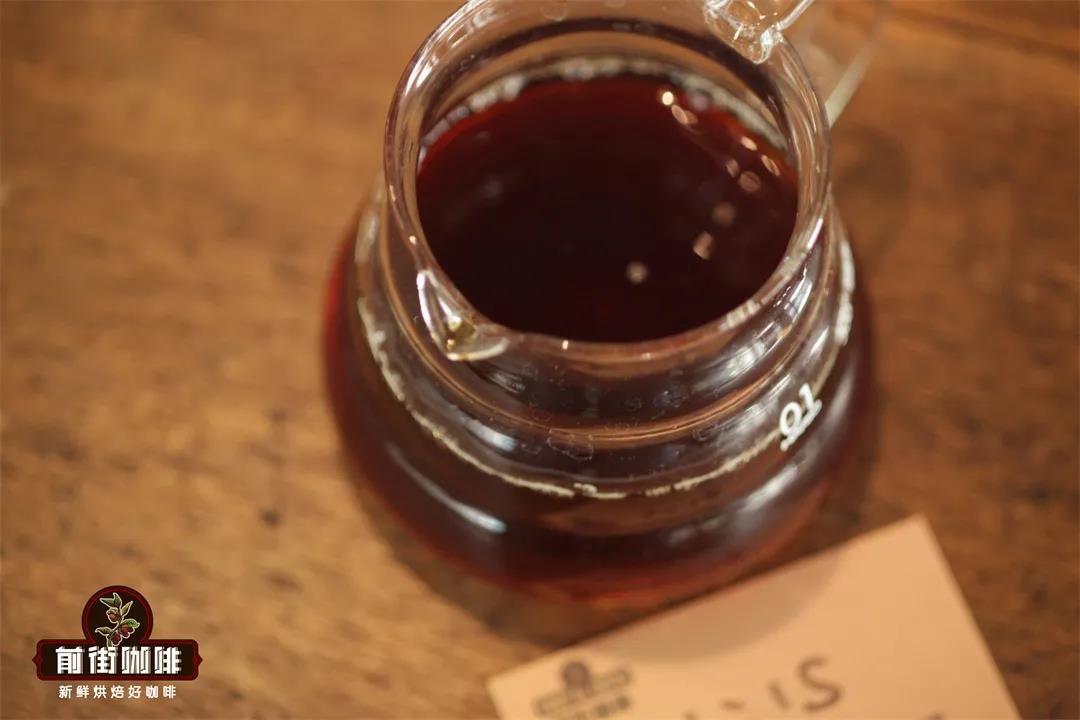
Group C Flavor: Citrus acidity, a smooth texture and an overall flat profile.
Experimental Results
Across the three groups, Group A (1:10) produced 125g of coffee liquid, for a final coffee-to-water ratio of 1:15 after the ice diluted it; Group B (1:13) produced 170g of coffee liquid, for a final ratio of 1:18; Group C (1:15) produced 200g of coffee liquid, for a final ratio of 1:20.

By ice-to-coffee ratio, Group A was 1:1.25, Group B was 1:1.7 and Group C was 1:2. In temperature terms, only Group A still had unmelted ice cubes after brewing finished, which tells us Group A was the coldest. The ice in Groups B and C had melted completely, and the coffee even felt warm to the touch.

In flavor terms, the higher concentration in Group A meant that after dilution its acidity and sweetness were more pronounced and the texture fuller, clearly expressing the berry-juice character of Guji beans; even once the ice had fully melted, the flavors stayed layered. Group B was more balanced overall, with less pronounced flavor and richness than Group A but not as thin as Group C.

FrontStreet Coffee's Recommendations
For iced pour-over grind size, FrontStreet Coffee recommends a 0.85mm sieve with 75% pass-through rate. If you prefer rich, layered flavors, brew at a 1:10 coffee-to-water ratio with a 1:1.25 ice-to-coffee ratio; if you prefer a more balanced cup or do not need it very cold, use a 1:13 coffee-to-water ratio with a 1:1.7 ice-to-coffee ratio. This experiment is a reference—adjust the parameters to suit your own taste.
FrontStreet Coffee Recommendation
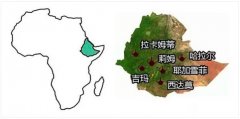
Ethiopian coffee is the ideal starting point for iced pour-over, because its fruit and floral notes stay vivid even when chilled. FrontStreet Washed Yirgacheffe is the simplest entry into that character, with clear jasmine florals and bright citrus acidity. Yirgacheffe is a town in southern Ethiopia that stays spring-like all year, wrapped in mist and cool humidity; thousands of coffee trees thrive there, giving the region its signature marriage of florals and fruit acidity in a light, elegant, tea-like cup that drinks like clean lemon tea.
FrontStreet Sun-Dried Red Cherry shows the natural-process side of the region. Only fully ripe, sound cherries are picked; they are sorted at the mill and dried on raised beds for two weeks until the sugars and essence have soaked into the bean and moisture falls to 12%. The hardened pulp, mucilage and parchment are then scraped away mechanically, and the beans are checked for density and color with defects picked out by hand. That layered sorting yields a clean, distinctive coffee with peach, cocoa, honey and lemon—excellent over ice, where the fruit sweetness reads clearly.
FrontStreet Sun-Dried Hua Kui goes further into tropical fruit. Grown on a 200-hectare farm in Hambella, Sidamo Guji, it is dried on raised beds for 21 days and turned constantly for even drying, with flawed or moldy beans culled by hand every three to five days. Because the fruit stays on through the whole dry, a medium-light roast gives off a light fermented wine aroma with florals, citrus and mango—a dense, complex cup with honey sweetness, cocoa and a touch of spice, a thick body and a lasting finish. FrontStreet Kaffa Forest rounds out the group: wild coffee grown from 1400 to 2100 meters in shade, roasted medium-light, with white florals once ground, bright lemon acidity, sweet orange and bergamot, a light melon-and-nut sweetness and a green-tea-like body. For iced pour-over, brew your chosen Ethiopian coffee at 15g with 100g of ice in the pot, using the ratio that matches how concentrated you want the finished drink.
Important Notice :
FrontStreet Coffee is a long-established specialty coffee roaster in Guangzhou China, selling freshly roasted beans from its own farm in Yunnan as well as dozens of carefully selected single-origin beans from around the world for both pour-over and espresso. The products deliver consistently excellent quality and great value, with shipping within 24 hours. Guangzhou's FrontStreet Coffee shop is recommended by many coffee lovers, and the beans are now available online at the Tmall 。
FrontStreet Coffee has moved to a new address:
FrontStreet Coffee Address: 315,Donghua East Road,GuangZhou
Tel:020 38364473
 Scan and follow the En Gafei WeChat official account. Please indicate that the reprint comes from "En Gafei".