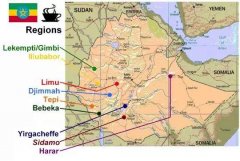
The Royal Flavors of Ethiopian Coffee: A Diverse Coffee Ecosystem and the Cradle of Humanity
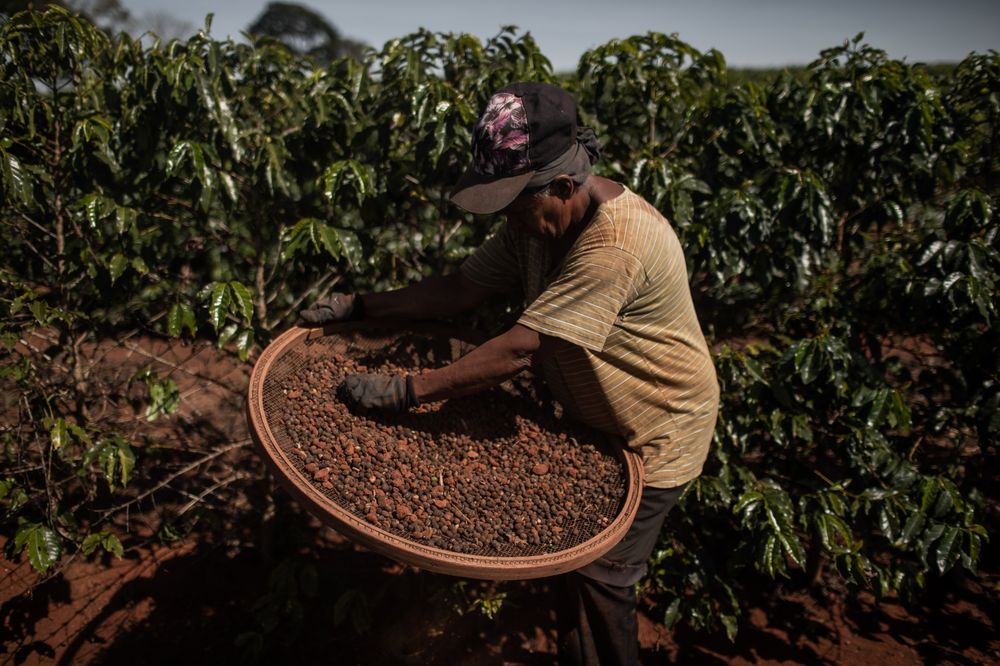
In Ethiopia, many processing stations sit 500-1,000 meters away from the harvesting areas. Both the coffee cherries brought to the stations and the processed beans have to be carried by hand.
The Birthplace of Coffee
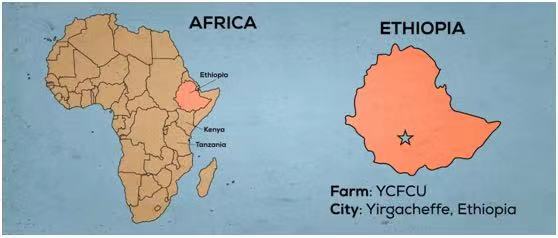
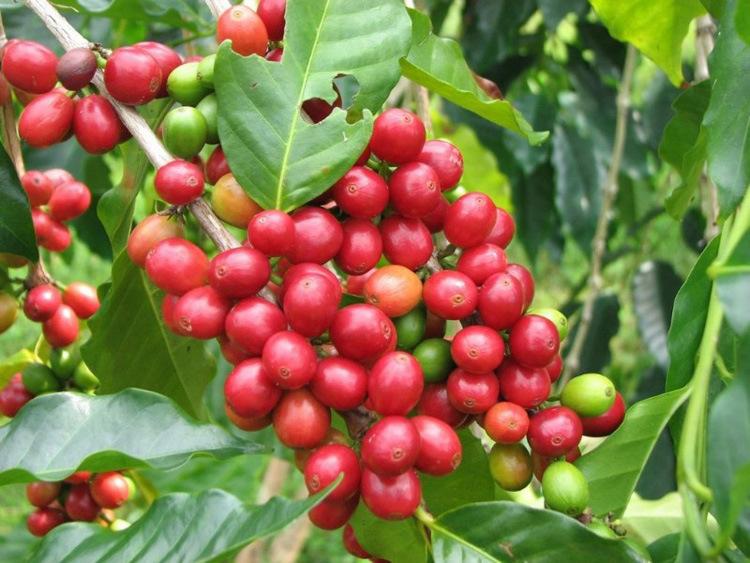
Today's Ethiopia (the Kingdom of Kaffa at the time) is the world's earliest region of coffee consumption. Yemen was the first country to cultivate coffee trees as a crop, but Ethiopia had been gathering wild coffee fruit even earlier.
Whether by destiny or coincidence, both humans and Arabica coffee trees originated in Ethiopia.
Although Ethiopia is a low-income country in northeastern Africa, it is a coffee-producing region known the world over.
Ethiopia's Rich Coffee Heritage
Ethiopia has the world's most diverse coffee ecosystem—forest coffee, semi-forest coffee, garden coffee, and plantation coffee—which preserves its rich Arabica genetic diversity. Combined with processing methods including natural, washed, and semi-washed, coffee here shows complex and varied flavors. You could say the "flavor spectrum" of most coffee-producing regions worldwide can be found here, which reflects Ethiopia's all-embracing "king's flavor."
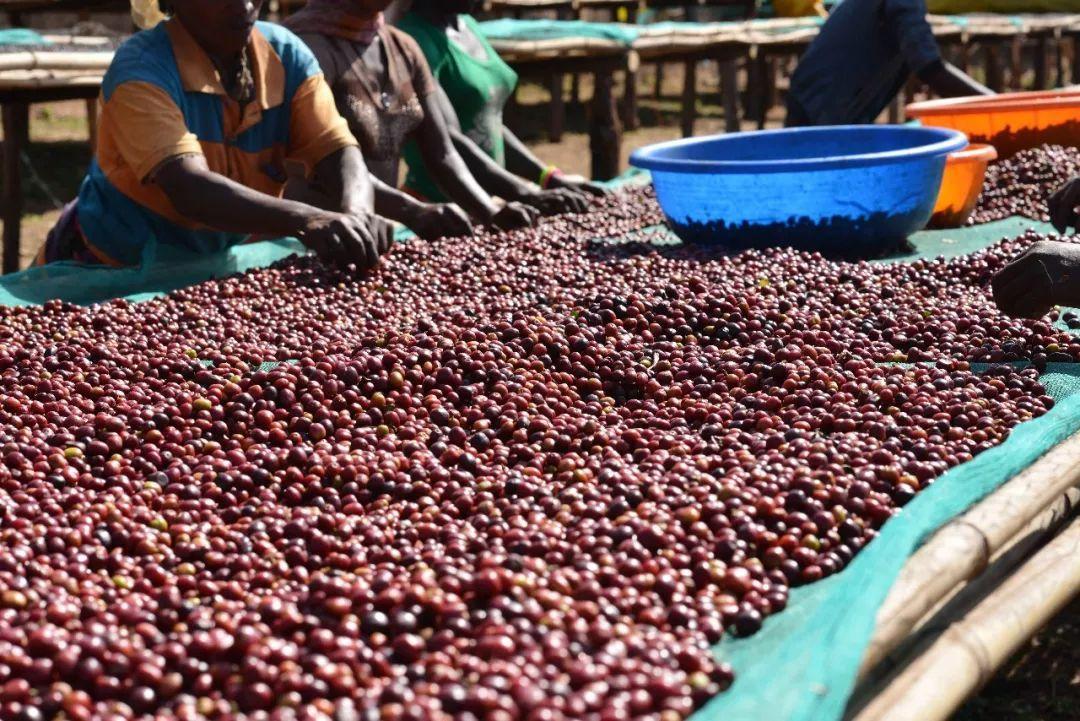
Farmers are used to intercropping coffee with ensete (false banana), grains, vegetables, and fruit in their fields. They store dried coffee cherries and use them as currency and for social gatherings, weddings, funerals, celebrations, and religious activities. Traditional Ethiopians even drink coffee to celebrate the birth of livestock.
The Bunna Ceremony
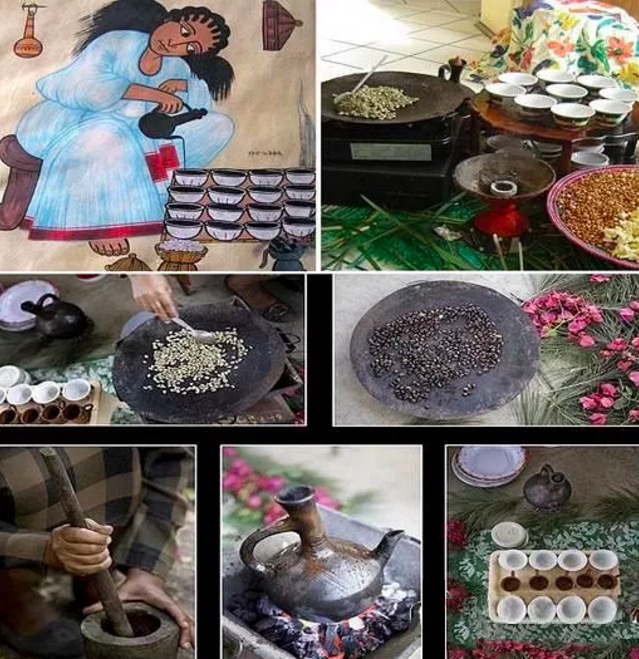
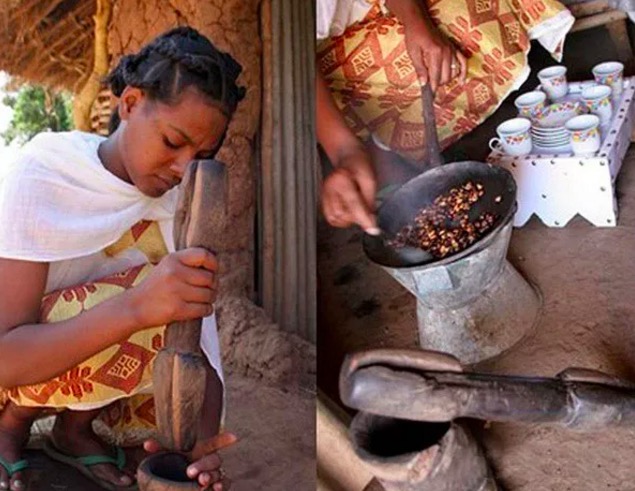
Typical Ethiopian households have set times, places, and rituals for drinking coffee, as solemn as Christians attending worship—the "Bunna ceremony." Their traditional methods and utensils are completely different from how we brew coffee today, and they produce coffee with a distinctive flavor.
Ethiopia's Coffee Industry
Among all coffee-producing countries, Ethiopia is one of the most remarkable. It is a country of diverse landscapes and many ethnic groups, and its coffee is grown across different regions. Coffee is the one thing that unites more than 80 ethnic groups in reverence.
Coffee production matters enormously to Ethiopia's economy: roughly 20% of the national population works in coffee-related industries. Ethiopia's largest export is also coffee, which accounts for 35%-40% of the country's total exports, making Ethiopia a true coffee powerhouse.
Ethiopian coffee flavors are incredibly varied, ranging from citrus and floral notes to candied fruit and even tropical fruit aromas. With their bold floral and fruity character, Ethiopian coffees have opened many professionals' eyes to the diversity of coffee flavor. And unlike other producing countries in Africa, Ethiopians generally drink coffee daily, with 30%-40% of domestically produced coffee consumed at home.
Conclusion
In every respect, Ethiopia is almost synonymous with coffee, with daily life inseparable from it.
The information above was compiled by FrontStreet Coffee. We hope this article helps you understand coffee a little more deeply.
FrontStreet Coffee Recommendation
To taste Ethiopia's signature floral and citrus character, start with the FrontStreet washed Yirgacheffe, the classic entry point into the region. It shows clear jasmine florals and a bright citrus acidity, with a light, elegant body and a tea-like finish that drinks like a clean glass of lemon tea.
If you want a clearer, more transparent expression of that same profile, the FrontStreet Gedingding Cooperative comes from a village-level washing station in the Woka area at the southeastern edge of Yirgacheffe. Because the fruit is removed before drying, the coffee's own aroma comes through vividly, with citrus and lemon notes and an elegant white-floral lift.
For a fruitier, sun-dried contrast, the FrontStreet sun-dried Red Cherry Plan is a fully ripe-cherry natural from Yirgacheffe, with notes of peach, cocoa, honey, and lemon, while the FrontStreet sun-dried Huakui from Hambella in Guji offers a rich, complex cup of soft ferment, florals, citrus, and mango with a deep, lingering finish.
Important Notice :
FrontStreet Coffee is a long-established specialty coffee roaster in Guangzhou China, selling freshly roasted beans from its own farm in Yunnan as well as dozens of carefully selected single-origin beans from around the world for both pour-over and espresso. The products deliver consistently excellent quality and great value, with shipping within 24 hours. Guangzhou's FrontStreet Coffee shop is recommended by many coffee lovers, and the beans are now available online at the Tmall 。
FrontStreet Coffee has moved to a new address:
FrontStreet Coffee Address: 315,Donghua East Road,GuangZhou
Tel:020 38364473
 Scan and follow the En Gafei WeChat official account. Please indicate that the reprint comes from "En Gafei".