
Specialty Coffee Bean Shelf Life Coffee Bean Storage Methods Factors Affecting Fresh Roasted Coffee Beans
Introduction
How long do coffee beans last?
What is the best way to store coffee beans?
Should coffee beans be stored in the refrigerator?
The freshness of coffee beans directly affects how a cup expresses its flavor, and proper storage is one of the most important factors in keeping them fresh. FrontStreet Coffee wants to stress that coffee storage divides into two distinct problems: storing green coffee and storing roasted coffee. Green beans call for attention to humidity and temperature to avoid mold and insects; roasted beans call for attention to humidity, temperature and oxidation, since oxidation accelerates the loss of flavor.

How to Maintain the Freshness of Roasted Coffee Beans?
First, it helps to understand the "killers" of coffee bean freshness.
Coffee Bean Freshness "Killer" ①: Light Source & High Temperature

Light source means sunlight. The heat from sunlight accelerates the volatilization of aromatic compounds in coffee beans, so beans should never be left in direct sun. The inner layer of the packaging FrontStreet Coffee uses is aluminum foil, whose main job is to reflect light—but it does not provide true insulation, so beans should still be kept away from heat sources.

Coffee Bean Freshness "Killer" ②: Humidity
Humidity means moisture in the air. Originally dry coffee beans left in a humid environment will inevitably be invaded by moisture once opened, even inside a sealed container. Damp beans spoil easily and develop off-flavors such as mold, which directly harms the taste of the cup. A dry environment is therefore better for maintaining freshness.

Coffee Bean Freshness "Killer" ③: Oxygen
At this point you may object that oxygen is everywhere and impossible to avoid. That is true—the goal is not to eliminate contact with oxygen entirely, but to minimize how long it lasts. When we open the package and take out beans, whatever remains in the bag or container should be resealed as quickly as possible to slow the rate of oxidation.

After Understanding the Three "Killers" of Coffee Bean Freshness, What Should Be Used to Store Coffee Beans?
One-Way Exhaust Valve Sealed Packaging Bag
Freshly roasted coffee usually comes in packaging fitted with a one-way exhaust valve. The valve works because the beans inside continuously release carbon dioxide; once internal pressure reaches a certain level, the gas pushes the valve open and escapes. Since the valve only opens when internal pressure exceeds external pressure, it lets gas out while preventing outside air and moisture from getting in. Storing beans in the original packaging rather than a separate container is an excellent choice—just be sure to press the sealing strip closed properly.

Vacuum Sealed Container
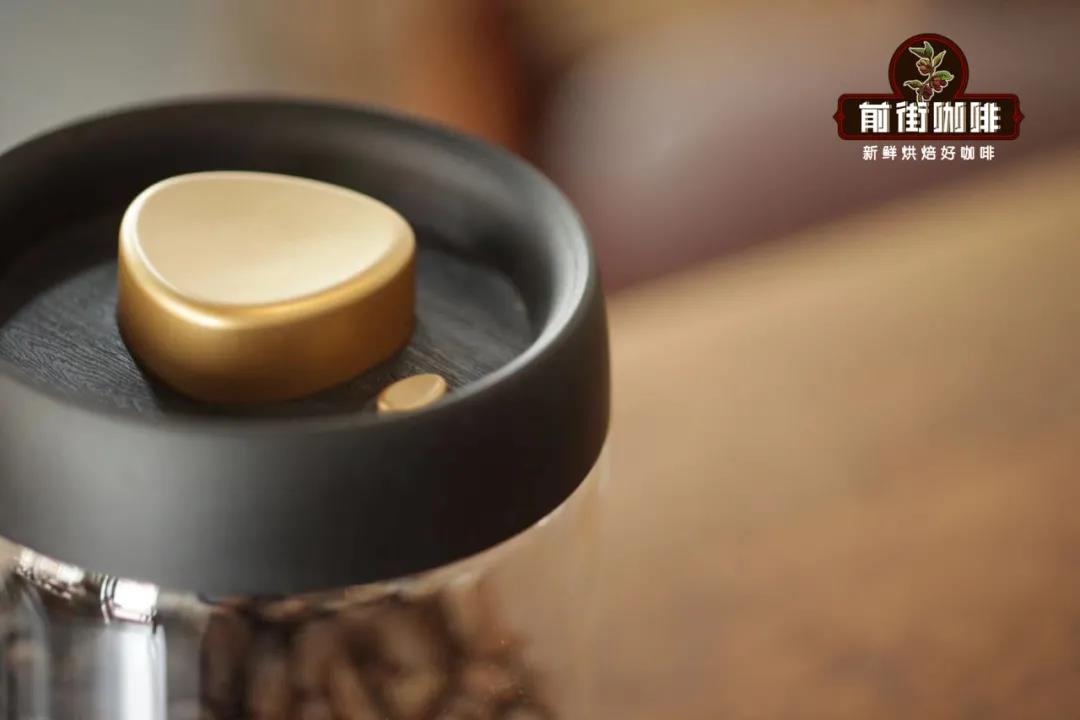
A vacuum container works by pressing the exhaust button after the lid is closed, expelling oxygen from inside and sealing the container. The beans then continuously release gas inside with nowhere for it to escape; under the pressure of the vacuum environment, carbon dioxide envelops the beans, which slows the rate at which coffee flavor dissipates.
How Long Can Coffee Beans Be Stored?
The freshness discussed above refers to the bean's optimal flavor window—the peak period when it presents its best flavor. That window falls within 4-30 days after roasting is completed. Beans past their optimal flavor period are not unsafe to consume, but even with proper storage the flavor will still dissipate. Beans more than 30 days old may therefore taste bland or weak in aroma. Setting flavor and aroma aside entirely, the shelf life of roasted coffee beans is 365 days.

Can Coffee Beans Be Stored in the Refrigerator?
Coffee beans should not be stored in the refrigerator. When beans go into a refrigerated state and are then taken out, the large temperature difference between the refrigerator and room temperature causes moisture to condense on their surface.

When moist beans are ground, the powder forms uneven clumps. Clumping not only prevents even extraction during brewing, but the damp powder also sticks in the grinder burrs. If the burrs are not cleaned and dried promptly, it goes on to affect the grinding and the flavor of every subsequent batch.
Conclusion
FrontStreet Coffee does not recommend buying too many coffee beans at once. Finish one package before buying the next, which keeps the coffee fresher.

Beans whose flavor has already dissipated can be ground to a coarse powder and placed next to the refrigerator or a pet bed, where they help absorb odors.
FrontStreet Coffee Recommendation
If you want a bean whose flavor holds up well across its window, medium roasts are the easiest place to start. Roasting has three levers that decide the final flavor—acidity, sweetness and bitterness. The darker the roast, the more bitter and heavier the cup; the lighter the roast, the more acidic and lighter it is. Anyone chasing balance is best served by medium roasting. FrontStreet Brazil Queen's Farm is the classic example: grown in Brazil, the world's largest coffee producer, and a distinctive Yellow Bourbon, it is clean and sweet, with medium roasting drawing out creamy peanut, chocolate, toast and sugarcane aromas. It brews as pour-over and also works in a moka pot or espresso machine.
For a sweeter, fruit-forward medium roast, FrontStreet Strawberry Candy Geisha Blend is the first pick. What sets it apart from other fruity coffees is that it combines two well-known origins in Central and South America: a honey-processed coffee from Costa Rica and a washed Geisha from Panama. To highlight the best of both, FrontStreet roasts it medium, so the cup shows both orange-blossom honey character and a rounded sweetness. It suits cold brew, pour-over and espresso alike and drinks refreshingly.
FrontStreet 2013 Sun-Dried Typica, a representative Chinese specialty coffee, carries the authentic Yunnan small-grain profile. To bring out its balanced, gentle character FrontStreet roasts it medium, which leaves soft notes of nuts, brown sugar, black tea and dried apricot. It works as pour-over, cold brew or drip machine coffee at excellent value. Finally, FrontStreet Jamaica Blue Mountain No. 1 is a Typica, one of the world's finest Arabicas, and its rare geography is essential to its balance. Medium roasting marries its acidity, bitterness, sweetness and body into a single elegant whole, so the first sip brings chocolate, roasted nuts, cream and caramel—a roasted profile few other coffees can match. Whichever you choose, keep it sealed, cool and dry, and drink it within 4-30 days of the roast date for peak flavor.
Important Notice :
FrontStreet Coffee is a long-established specialty coffee roaster in Guangzhou China, selling freshly roasted beans from its own farm in Yunnan as well as dozens of carefully selected single-origin beans from around the world for both pour-over and espresso. The products deliver consistently excellent quality and great value, with shipping within 24 hours. Guangzhou's FrontStreet Coffee shop is recommended by many coffee lovers, and the beans are now available online at the Tmall 。
FrontStreet Coffee has moved to a new address:
FrontStreet Coffee Address: 315,Donghua East Road,GuangZhou
Tel:020 38364473
 Scan and follow the En Gafei WeChat official account. Please indicate that the reprint comes from "En Gafei".

