Understanding the Differences Between Latte, Cappuccino, and Flat White: A Comprehensive Guide
Understanding the Differences Between Latte, Cappuccino, and Flat White

Latte, cappuccino, and flat white are three milk-based coffee varieties that are nearly permanent fixtures in coffee shops. This article aims to help everyone clearly distinguish the differences between these three milk coffees.
The Origins of Popular Milk Coffees
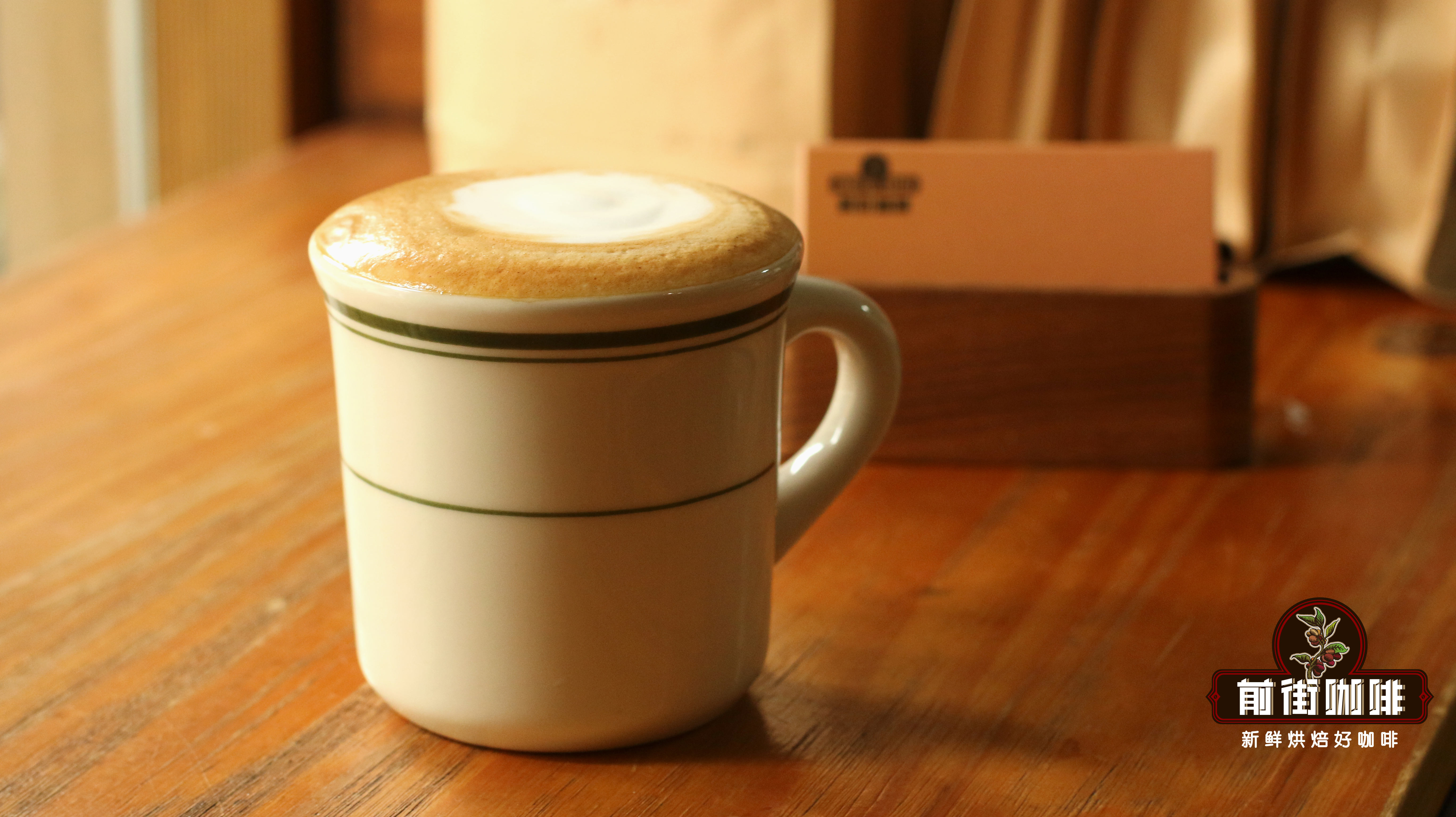
Since most people have some exposure to these three milk coffees, here is a brief introduction to their origins. Both the modern latte and cappuccino come from Italy and are the most common and popular milk coffees in Italian coffee culture. Latte is the phonetic translation of the Italian word "latte," which means "milk." Latte coffee is essentially milk coffee, and Italian latte is a beverage that combines espresso with milk.

Cappuccino, on the other hand, is the phonetic translation of "Cappuccino." "Capuchin" refers to the small white hat on the Franciscan habit. Cappuccino got its name because the white milk foam on the coffee's surface resembles the monk's hood.
Flat White, originally known as "Flat White," is more widely recognized. Of course, Flat White, Australian White, Flat Coffee, and Little White Coffee are all translations of "Flat White." Flat White originates from Oceania (though there's debate as to whether it's from Australia or New Zealand). Flat White can be considered the Australian version of latte.

To help everyone learn to distinguish between latte, cappuccino, and flat white, FrontStreet Coffee plans to start from their respective birth stories, and compare them in terms of ingredient composition, cup size, milk foam thickness, and flavor profile.
The Birth of Traditional Cappuccino
It is now difficult to determine who exactly invented cappuccino, but research shows that the word "Cappuccino" originates from "Kapuziner," which means "monk" in German and also refers to an old-style coffee. According to legend, this beverage originated in 18th-century Viennese coffee houses. At that time, coffee was consumed grounds and all. To make it more palatable, a Polish man named Kulczycki used a cloth bag to filter the coffee grounds, then served it in a glass cup, adding honey, spices, and cream. This not only made the coffee taste better but also gave it a special reddish-brown color that visually resembled the robe color of the Order of Capuchin Friars Minor, so Viennese people called it "Kapuziner."
As it spread to Italy and with the development of pressure-based espresso machine technology, Italians began using espresso instead, and milk frothed into dense foam replaced cream. Then they used a spoon to shape the milk foam on the coffee's surface into a pointed hat shape. Gradually, it acquired its Italian name, which is what we know as Cappuccino. As for its "predecessor" Kapuziner, people prefer to call it Viennese Coffee.
Where Does Flat White Come From?
Regarding the invention of Flat White, Australians and New Zealanders each insist that this beverage originated from their country, and baristas from both countries have different recipes for making it. Although we truly cannot determine whether Flat White comes from Australia or New Zealand, what's certain is that this beverage originated from people's pursuit of higher-quality coffee.
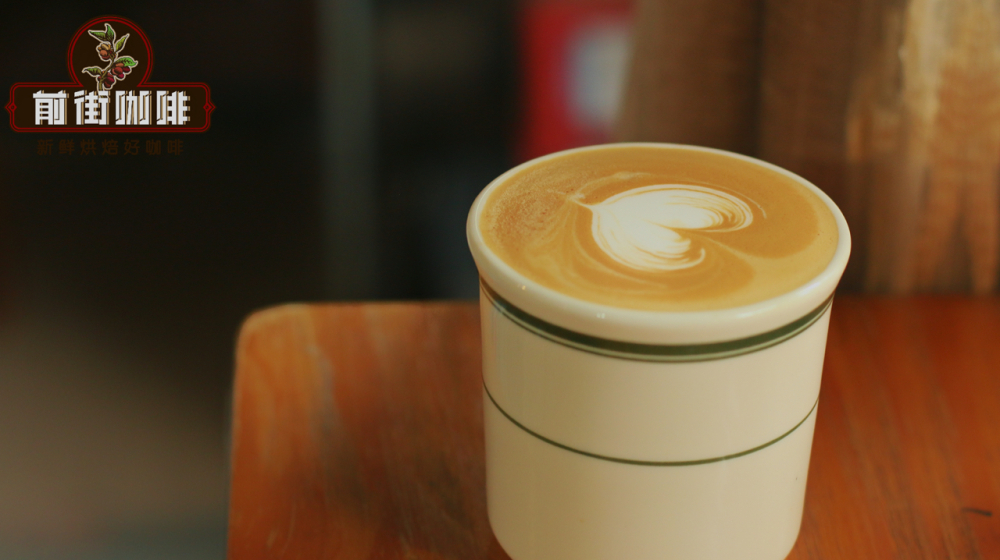
Before the 1970s, Australian coffee shops used methods like French press and manual drip to brew black coffee. In the early 1970s, Italians brought espresso machines to Australia, officially starting a new wave of coffee trends. Compared to traditional lattes and cappuccinos, Australians pursued milk beverages with thinner foam and stronger coffee flavor. Thus, milk coffee began to be continuously "improved" in regions like Australia and New Zealand. When the milk foam on milk coffee became flatter and thinner until it formed a thin layer completely level with the cup rim, it was named Flat White. "Flat" means "flat," and "White" refers to white coffee with milk added.
In the 1980s, Australians began writing Flat White on fixed menus, and it soon spread to coffee shops in European and American countries. Flat White became a popular hot product domestically after Starbucks introduced it in 2015, naming it "Flat White" as one of their signature drinks, which meant this milk coffee had become mainstream.

What Are the Differences in Preparation Among These Three Coffees?
First is cup size. According to FrontStreet Coffee's preparation standards, latte uses a 300ml wide-mouth ceramic cup, cappuccino uses a 180ml narrow-mouth ceramic cup, and flat white is prepared in a 210ml glass cup. Next is the composition that distinguishes these three coffees. Latte consists of 2 shots of espresso (40g) plus 260ml of steamed milk with foam. Cappuccino consists of 1 shot of espresso (20g) plus 160ml of steamed milk with foam. Flat white consists of 2 ristretto shots (30g) plus 180ml of steamed milk with foam. Ristretto is the front-middle portion of espresso extraction, with richer and more intense flavor.
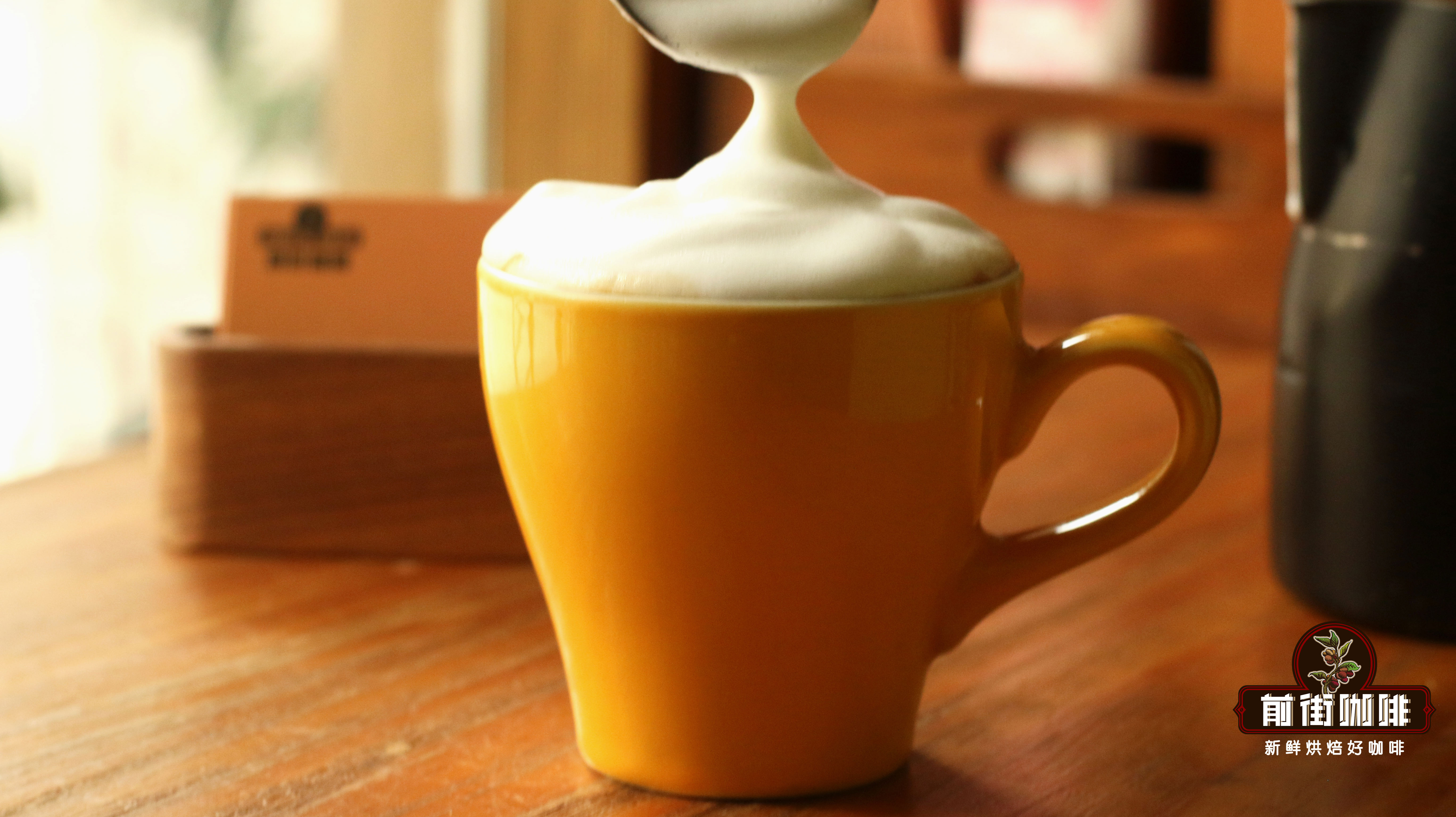
Milk foam thickness has always been an important characteristic for distinguishing latte, cappuccino, and flat white. Among these three, cappuccino has the thickest milk foam (about 1-1.5cm), with its most obvious feature being "11 parts full" - meaning the cappuccino's milk foam rises above the cup forming a prominent hamburger shape. Flat white has the thinnest milk foam (about 0.3cm). Due to the thinness of flat white's milk foam, the liquid surface is basically level with the cup rim, hence the name "flat white coffee." Latte's milk foam thickness is between these two (0.5cm). Latte's milk foam thickness is very suitable for latte art, and one reason for choosing a wide-mouth cup is to better create latte art patterns.

In terms of flavor profile, latte emphasizes milk flavor more because it contains the most milk, while flat white highlights the rich aroma of coffee due to ristretto coffee with less milk. Cappuccino falls between these two. In terms of mouthfeel, cappuccino has the fullest texture, originating from its fine and rich milk foam, combined with coffee crema, making it exceptionally smooth and full. Next is flat white, and finally latte.
Can All These Coffees Be Made Iced?
Usually when we order latte, we tell the barista whether to make it iced or hot, but traditional cappuccino and flat white are only offered hot. This is mainly because during their invention and popularization, baristas didn't "incidentally invent" iced coffee methods, and they were by default served hot. Secondly, because baristas hope that when drinking, everyone can experience the perfect combination of milk foam and the milk coffee underneath with every sip. Only when the milk foam is very dense, relatively thin, and at a suitable temperature for drinking can one simultaneously taste both milk foam and rich coffee liquid with every sip, and finish it quickly before the milk foam separates. After adding ice, the cooled milk coffee will be diluted to some extent and cannot achieve the above effect.

If you indeed want to pursue the rich milk coffee with an iced sensation, FrontStreet Coffee suggests everyone try the quite popular Dirty coffee in recent years - dripping freshly extracted espresso over chilled fresh milk or purified milk, presenting a "dirty" visual effect with a very unique alternating hot and cold mouthfeel.
FrontStreet Coffee Recommendation
For a flat white, the coffee has to be bold enough to stand up to the milk. FrontStreet Coffee's Classic Blend is the home-maker's pick: a butter-and-cheese flavored espresso blend with a mellow, low-acid profile and a rich, fine crema that gives an excellent, full-bodied result with milk. If you prefer a fruitier accent, FrontStreet Coffee's Strawberry Candy espresso blend has very low bitterness and brings generous grape and blueberry notes during extraction; with sweet, balanced acidity it turns a flat white into something closer to a strawberry milkshake.
FrontStreet Coffee's own flat white is built on its Premium Blend. To keep the coffee flavor front and center, only the front-middle part of the shot - a ristretto - is used as the base: 20g of coffee extracted to 32g of liquid in 22-25 seconds, then paired with 160ml of fresh milk. As with a latte or cappuccino, the milk is steamed smooth and fine, but a flat white also needs it thin. FrontStreet Coffee sets the foam thickness at 0.3cm; because the foam must be light, the steam wand introduces air for only 1-2 seconds before sinking into the milk, then builds the vortex until the milk reaches 50-55°C. With little air drawn in, the sound during steaming is sharper, and when you swirl the pitcher the bubbles should form a reflective, glossy surface - a good sign the foam is ready. FrontStreet Coffee's Premium Blend shows cream hazelnut and white chocolate notes in the finished cup, rich and rounded without feeling heavy.
Important Notice :
FrontStreet Coffee is a long-established specialty coffee roaster in Guangzhou China, selling freshly roasted beans from its own farm in Yunnan as well as dozens of carefully selected single-origin beans from around the world for both pour-over and espresso. The products deliver consistently excellent quality and great value, with shipping within 24 hours. Guangzhou's FrontStreet Coffee shop is recommended by many coffee lovers, and the beans are now available online at the Tmall 。
FrontStreet Coffee has moved to a new address:
FrontStreet Coffee Address: 315,Donghua East Road,GuangZhou
Tel:020 38364473
 Scan and follow the En Gafei WeChat official account. Please indicate that the reprint comes from "En Gafei".