How to Determine if Your Coffee Grind Size is Appropriate? How to Adjust Pour-Over Coffee Grind Size
"Something about this coffee I brewed feels off."
"What grind size are you using?"
"Like fine granulated sugar."
Do You Really Understand Grind Size?
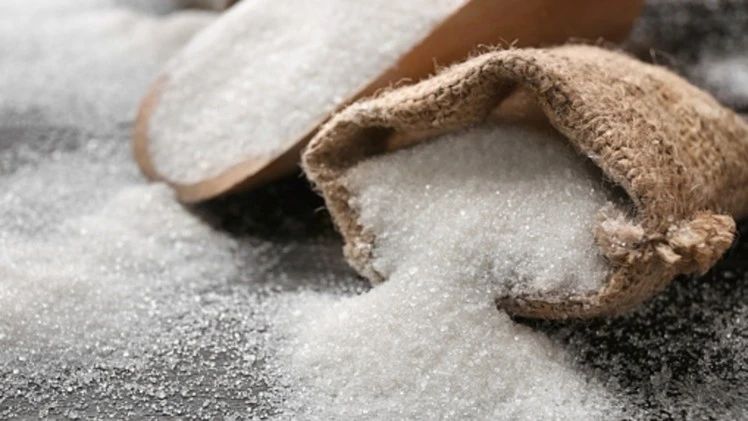
Everyone's sense of coffee grind size differs quite a bit. After all, we are dealing with a microscopic world measured in millimeters, which makes it hard to pin down the right particle size. So people started reaching for analogies, the most common being comparisons to coarse or fine granulated sugar. Fair enough — sugar is a daily staple everyone knows. But how many people actually know the particle size of sugar?
Under the GB 317-2006 technical requirements for white granulated sugar, it is classified into four grades: refined, premium, first grade, and second grade. Different grades vary in purity and in how precisely the particles are sized. Sugar particle sizes are grouped as coarse grains (0.800-2.50mm), large grains (0.630-1.60mm), medium grains (0.450-1.25mm), and fine grains (0.280-0.800mm), with at least 80% of the crystals uniform and inside the specified range.
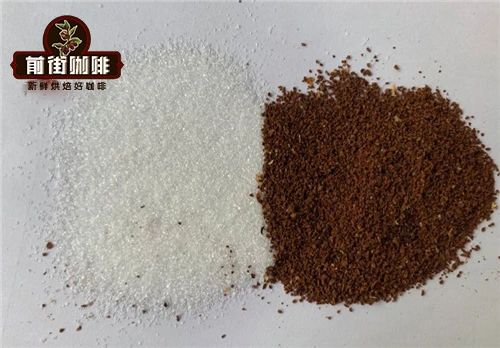
We usually judge by eye, backed up by touch. That works reasonably well for experienced hands, but it is less friendly to beginners. Ground coffee particles are irregular cubes, and against the relatively regular crystals of sugar they give different feedback both visually and by feel. For a beginner, that makes a precise call difficult. And when the reference range is a wide one, the coffee analogy it produces ends up just as wide.
How Do You Choose the Right Grind Size?
To answer that, we first have to understand why coffee is ground at all. With the same amount of coffee, a larger surface area means more of the coffee's soluble material is extracted in the same amount of time. But not everything extracted from coffee is desirable. So we need to land on a grind size that draws out the good flavor compounds and leaves the rest behind.
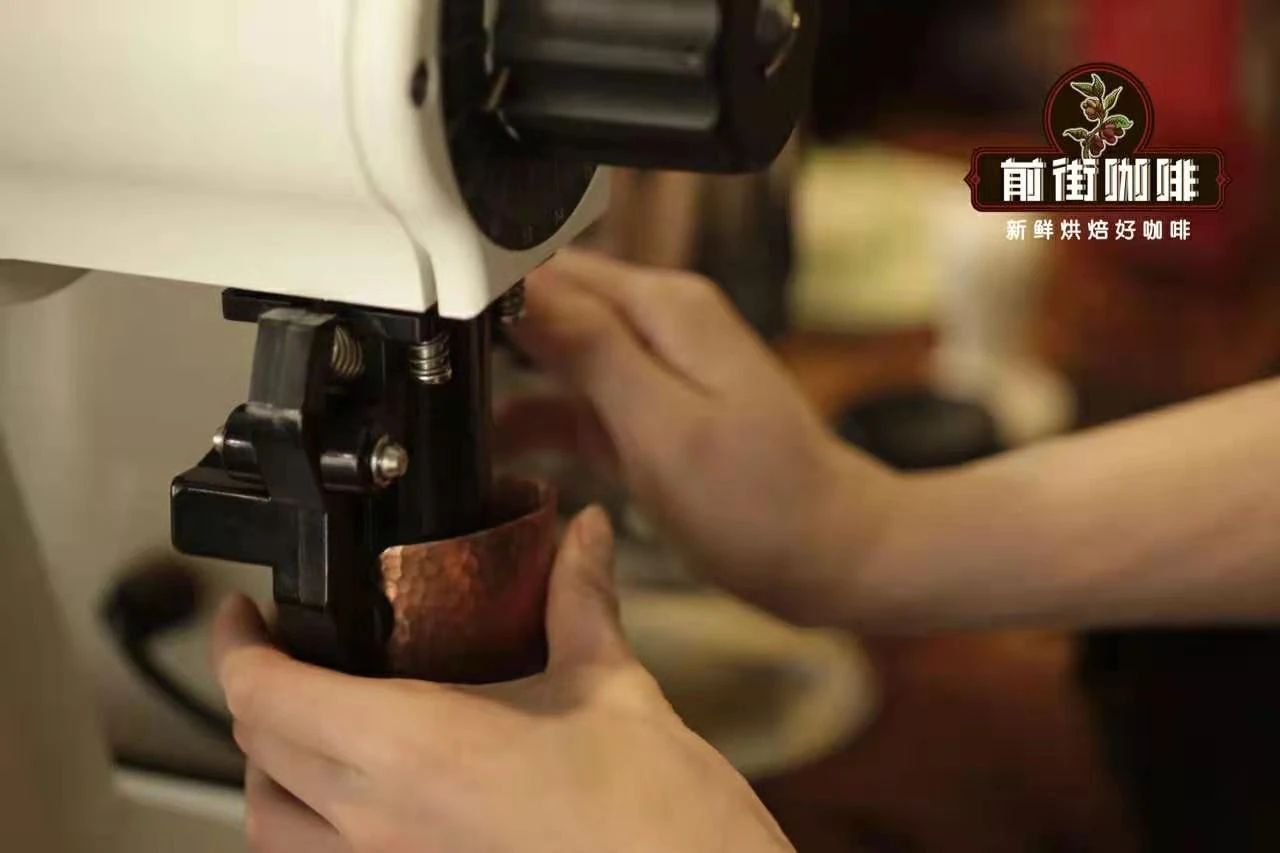
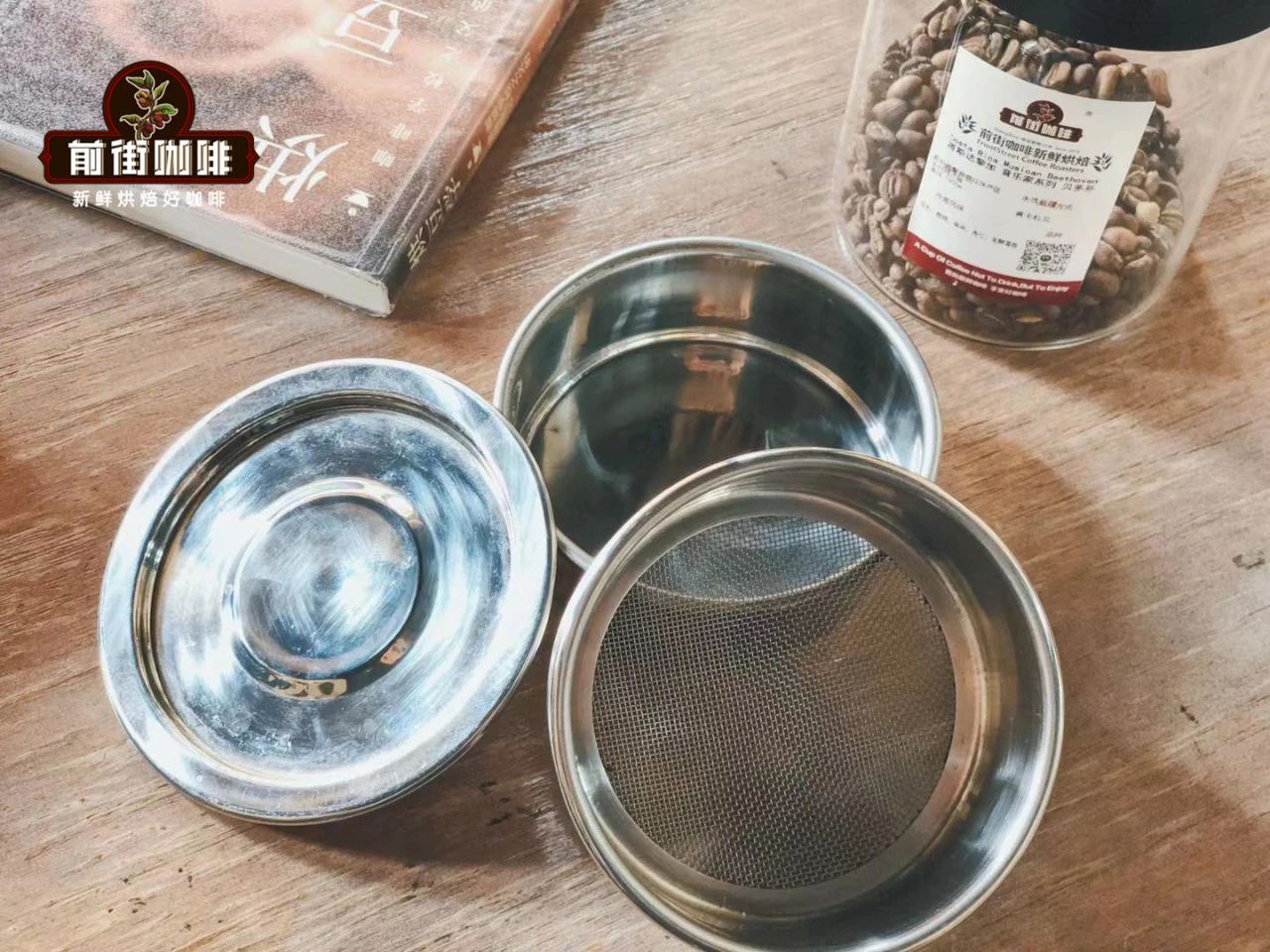
Different brewing methods call for different particle sizes. Espresso and Turkish coffee sit around 0.2-0.3mm, for instance. The ideal particle size for pour-over is between 0.6-0.8mm. Clear as those numbers are, we cannot exactly measure them with a ruler. FrontStreet Coffee recommends confirming with a 0.85mm sieve (national standard No. 20). Whatever a grinder costs, the grounds it produces will always be a mix of coarse and fine particles, so we want the vast majority to fall in that 0.6-0.8mm range. That is why FrontStreet Coffee treats an 80% pass rate through a 0.85mm standard sieve as the grind fineness standard for light to medium roast beans.
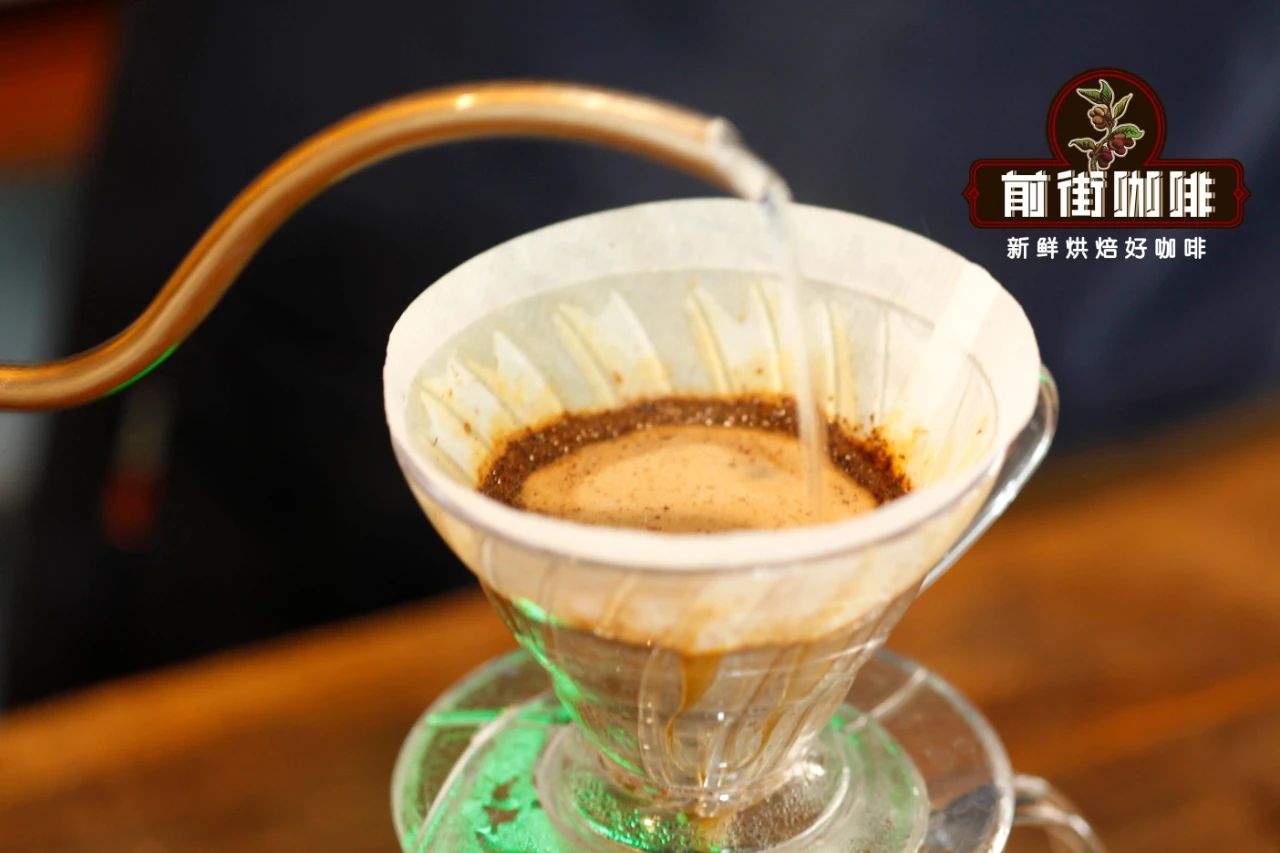
Beyond judging fineness from the numbers, you can also tell whether the grind is right by watching the brew itself. Brewing time is one reference: by FrontStreet Coffee's standard parameters, a normal cup extracts in about 1 minute 50 seconds to 2 minutes 10 seconds. Grind too fine and the extraction time stretches out; too coarse and it shortens. That lets you make an initial call on grind size from the extraction time alone.
You can also watch how the grounds settle during the pour. Normally the bed settles slowly and evenly. A rapid settle may point to too coarse a grind, while a bed that slows progressively or even clogs can mean the grind is too fine or holds too many fines, leaving the bottom of the bed looking muddy.
There is no absolute value for grind fineness, of course. Grind size is just one factor shaping the flavor of a cup — every brewing method has its own adjustment range — and it works alongside many other factors to produce the coffee you finally taste.
FrontStreet Coffee Recommendation
Getting a feel for grind size is easiest when the beans themselves are forgiving. For a light-roast pour-over, FrontStreet Coffee's Yirgacheffe Yuzu Ding Ding is a natural first stop: bright citrus, berry, and floral notes with a green-tea-like finish, and an acidity that is soft and luminous rather than sharp. FrontStreet Coffee's Ethiopia Huakui is the fruitier option, packed with tropical aroma — strawberry, passion fruit, jackfruit, even lychee — with obvious sweetness and almost no bitterness, which is why people call it the coffee that does not taste like coffee.
On the darker, more forgiving end, FrontStreet Coffee's Brazil Queen's Estate is low in acidity and beautifully balanced, with heavy nut and cocoa aromatics and clear caramel sweetness — it pours clean and smooth and suits pour-over, espresso, or moka pot alike, and its excellent crema makes it a benchmark everyday choice. FrontStreet Coffee's PWN Golden Mandheling is the deep roast for anyone who likes it bold and dislikes sourness: herbal and dark chocolate aromas with a faint earthy note and a long, thick body. Whatever the roast, hold to that 80% through a 0.85mm No. 20 sieve, brew between 1:50 and 2:10, and adjust by taste from there.
Important Notice :
FrontStreet Coffee is a long-established specialty coffee roaster in Guangzhou China, selling freshly roasted beans from its own farm in Yunnan as well as dozens of carefully selected single-origin beans from around the world for both pour-over and espresso. The products deliver consistently excellent quality and great value, with shipping within 24 hours. Guangzhou's FrontStreet Coffee shop is recommended by many coffee lovers, and the beans are now available online at the Tmall 。
FrontStreet Coffee has moved to a new address:
FrontStreet Coffee Address: 315,Donghua East Road,GuangZhou
Tel:020 38364473
 Scan and follow the En Gafei WeChat official account. Please indicate that the reprint comes from "En Gafei".