What is Coffee Silver Skin? Does Coffee Silver Skin Affect the Flavor of a Cup of Coffee?
Have you ever noticed that freshly ground coffee isn't just brown-black powder? Mixed in with the grounds are small yellowish-white flakes. That is coffee silverskin. When you spot it, should you remove it or leave it be?
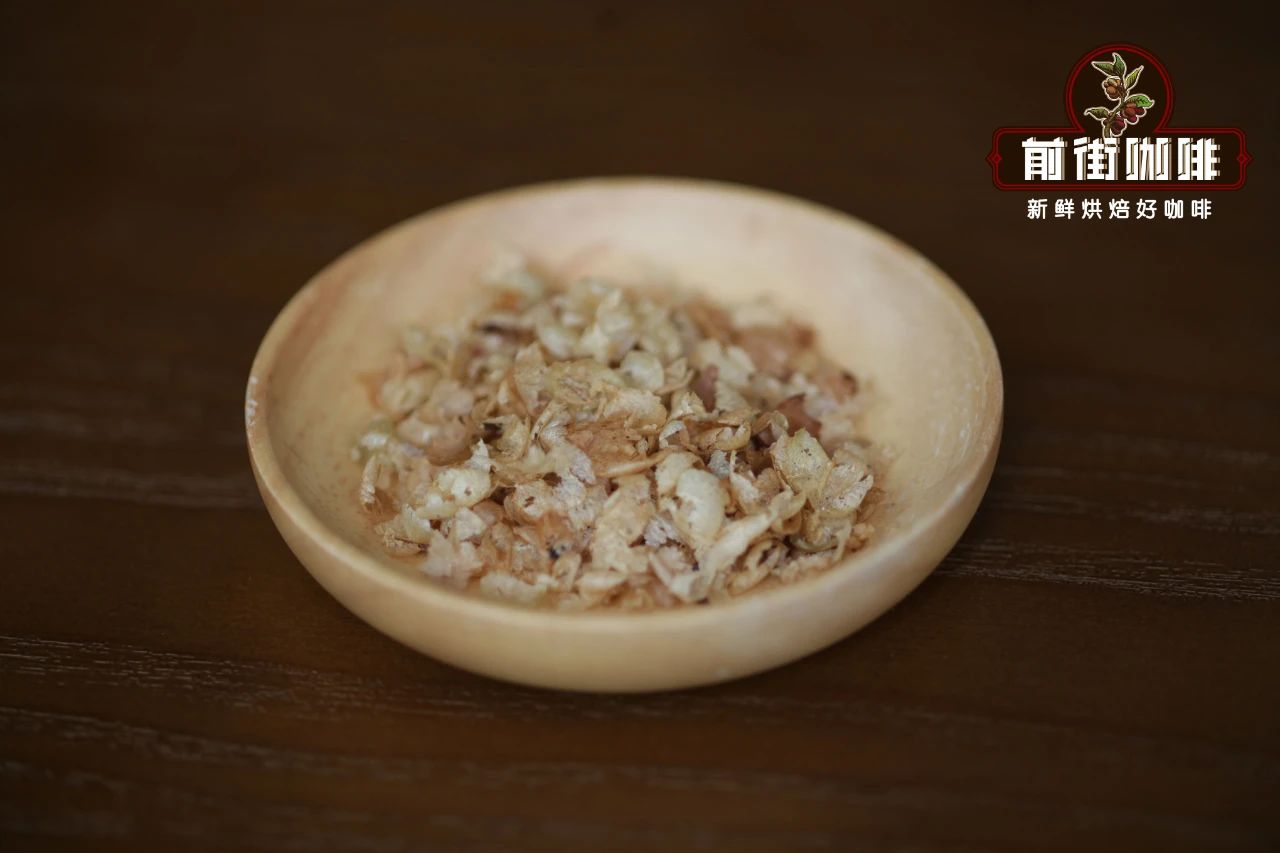
What Is Silverskin?
Silverskin is the coffee bean's final protective layer. After processing and before storage, the parchment (the endocarp) is normally milled away, leaving just a thin film of silverskin clinging to each green bean. It only comes off when the bean meets the roaster.
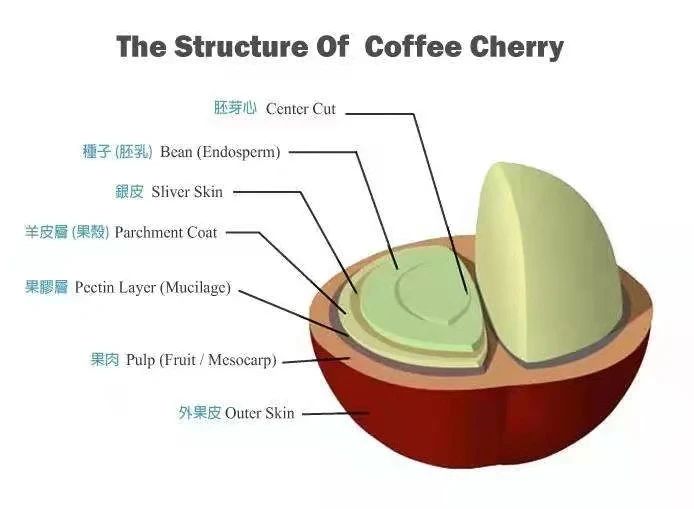
How much silverskin remains depends on the processing method, which is why the amount of chaff can offer a first clue about how a coffee was processed. Naturally processed beans keep a fairly complete silverskin layer in their green state, so it peels away in larger pieces during roasting, and fewer fragments end up in the grind. Washed beans, by contrast, carry a thinner, patchier silverskin. It sheds as fine fragments during roasting, and the bits wedged into the crease down the center of each bean are almost impossible to remove — that's the faint "white line" you often see in roasted coffee. When those beans are ground, the silverskin is pulverized along with them and mixed straight into the grounds.
What Does Silverskin Taste Like?
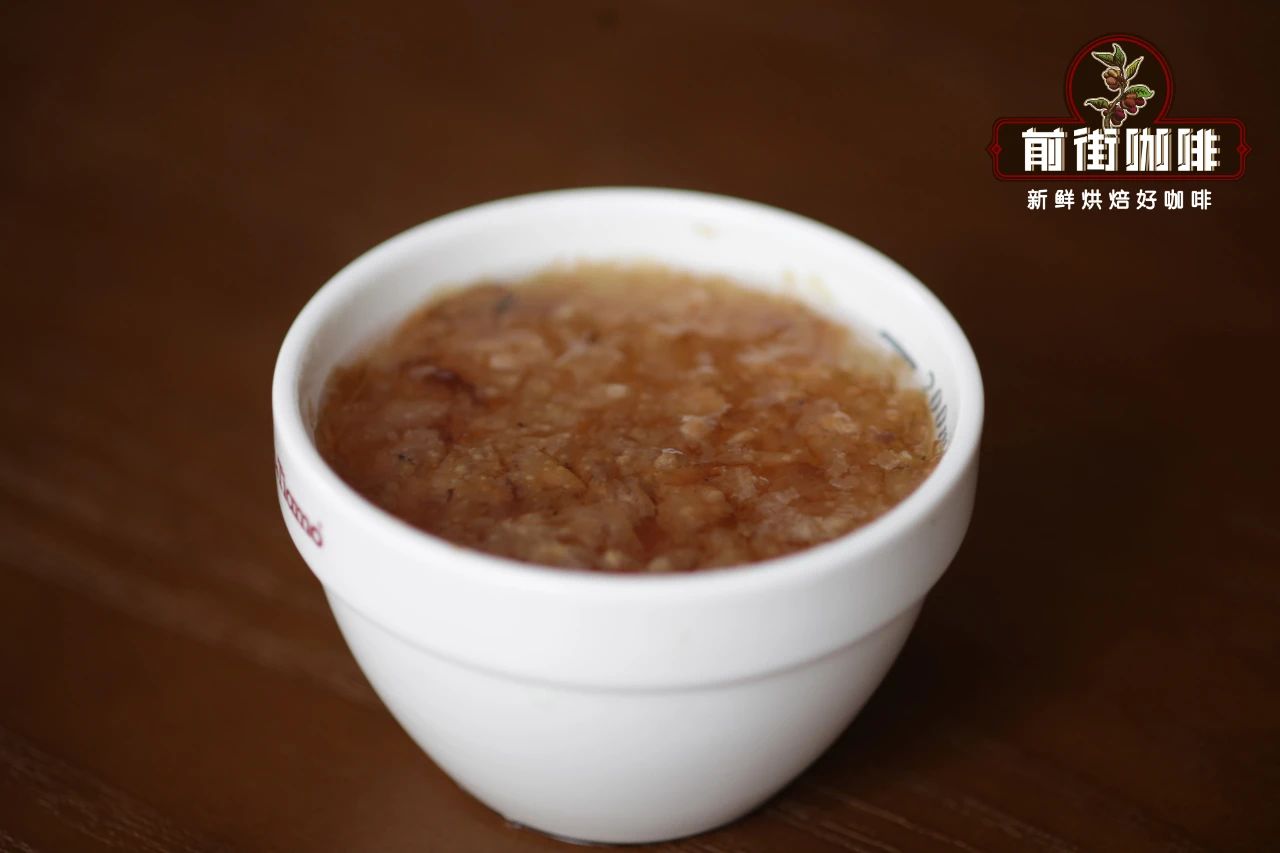
To find out, FrontStreet Coffee steeped silverskin that had come off during roasting in hot water. A sweet corn and wheat aroma rose off the surface of the pale yellow, translucent liquid. On the palate it was a faint sugarcane sweetness, with no bitterness at all.
Is It Necessary to Remove Silverskin?
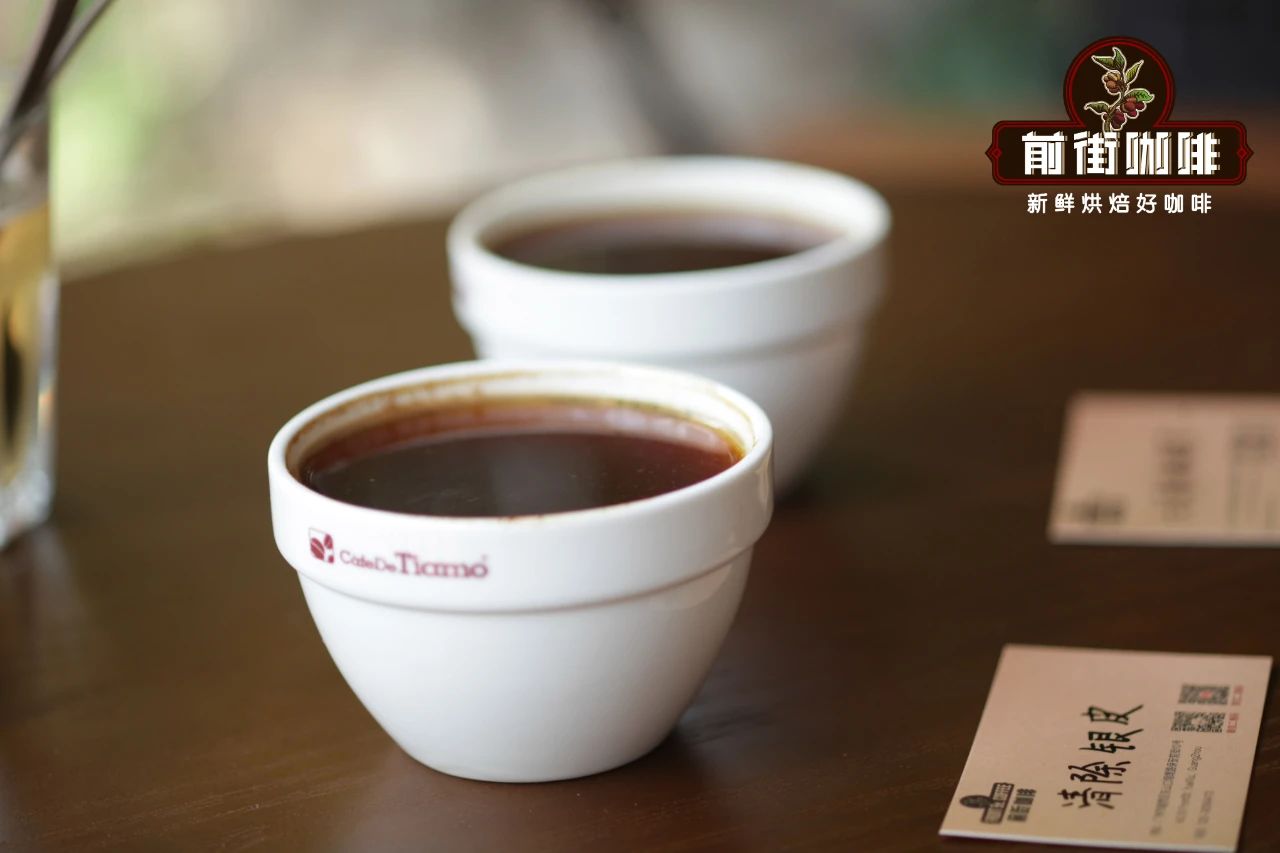
That tasting showed nothing particularly unpleasant, but would silverskin fragments still affect a real cup of coffee? To answer this, FrontStreet Coffee ran a cupping comparison using washed Yirgacheffe Gedeb cooperative coffee beans. In one cup, the lighter silverskin was blown off with a small air blower; the other cup was left untouched.
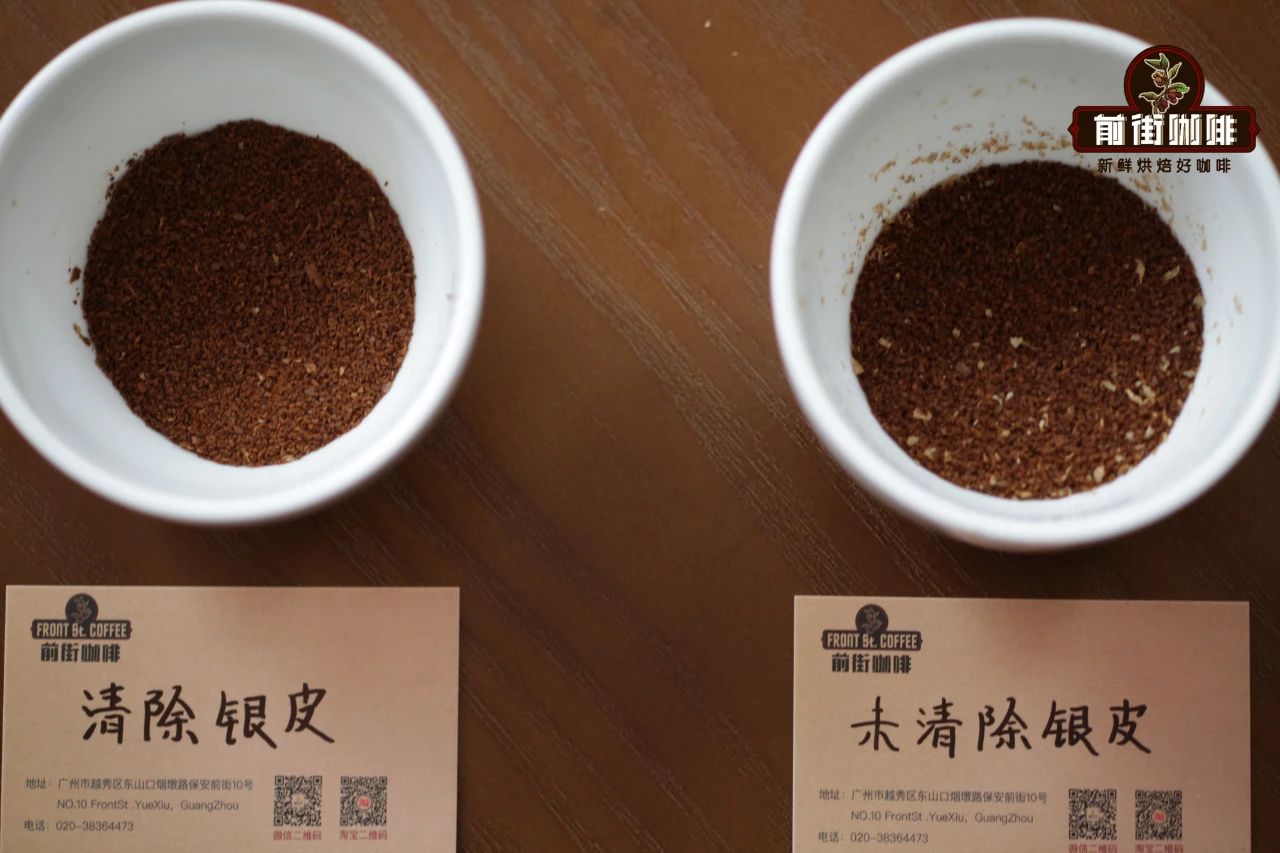
The cupping showed that the silverskin-free cup was indeed smoother on the palate, while the control cup had a noticeably rougher texture — a difference that became more obvious the more we slurped.
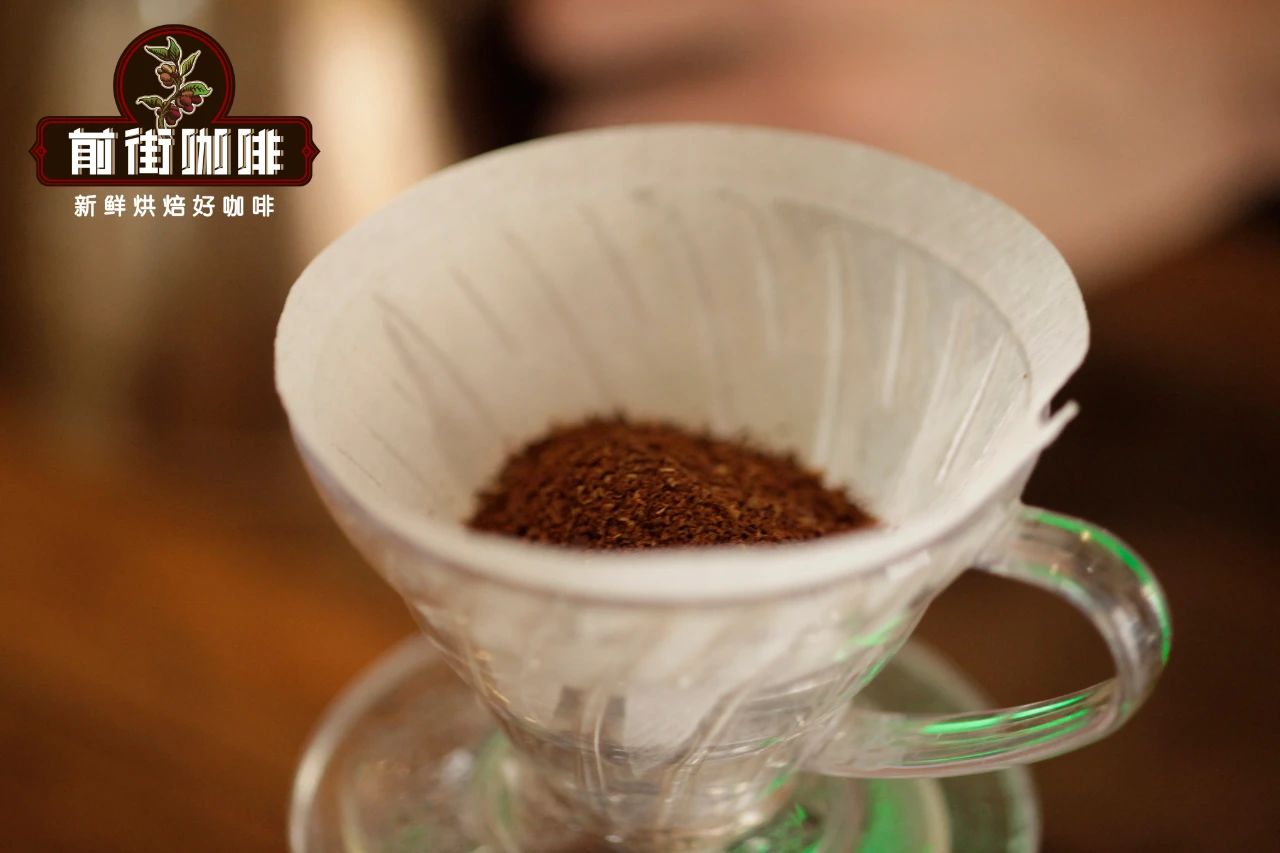
Next came a pour-over comparison, again with Yirgacheffe Gedeb beans, this time with one batch given the silverskin-removal treatment. Both batches were brewed identically: 15 grams of coffee ground to a 80% pass rate on a #20 standard sieve, a coffee-to-water ratio of 1:15, and water at 91°C. Using FrontStreet Coffee's three-pour method, we first poured 30g of water and let the bed bloom for 30 seconds, then poured 95g of water, and finally 100g more, for a total brew time of about 2 minutes.
In the side-by-side tasting, the flavor profiles of the two cups were essentially identical, and the texture difference we saw in cupping was no longer significant. The one distinction: the silverskin-removed cup tasted a touch cleaner and clearer. In other words, the trace amounts of chaff left in everyday brewing won't noticeably hurt your coffee. But if you want to chase perfection, simply blow off the visible silverskin flakes after grinding.
FrontStreet Coffee Recommendation
If this experiment has you thinking about a clean, washed Yirgacheffe, FrontStreet Coffee's Yirgacheffe Guodingding Cooperative beans are a natural pick. Guodingding is a small village whose farmers send their coffee cherries to a cooperative for shared processing, and this particular lot comes from one of the village's most capable processing teams, known for exceptionally refined, clean coffee.
Because it is fully washed, the Guodingding lot shows jasmine florals and a bright, citrusy acidity at their clearest. At a medium-light roast, green tea and honey notes come through on top.
It is versatile, too: comfortable as a pour-over, equally suited to cold brew or espresso. For everyday brewing — silverskin blown off or not — it delivers precisely the kind of clarity this article is about.
Important Notice :
FrontStreet Coffee is a long-established specialty coffee roaster in Guangzhou China, selling freshly roasted beans from its own farm in Yunnan as well as dozens of carefully selected single-origin beans from around the world for both pour-over and espresso. The products deliver consistently excellent quality and great value, with shipping within 24 hours. Guangzhou's FrontStreet Coffee shop is recommended by many coffee lovers, and the beans are now available online at the Tmall 。
FrontStreet Coffee has moved to a new address:
FrontStreet Coffee Address: 315,Donghua East Road,GuangZhou
Tel:020 38364473
 Scan and follow the En Gafei WeChat official account. Please indicate that the reprint comes from "En Gafei".