Three Essential Elements to Master for Perfecting Espresso Extraction What Are Espresso Coffee Beans?
Introduction
We rarely drink straight espresso, yet there is no denying that every americano and every milk coffee we drink is built on it. Baristas know this well: the quality of the espresso shot shapes everything made from it. In this training article we share the key elements you need to understand to pull a perfect shot.
Three Key Elements?
Earlier FrontStreet Coffee articles have analyzed as many as six factors that affect espresso flavor. Why narrow it down to three? The three elements discussed here are the ones we can control and adjust ourselves: dose, yield and time.
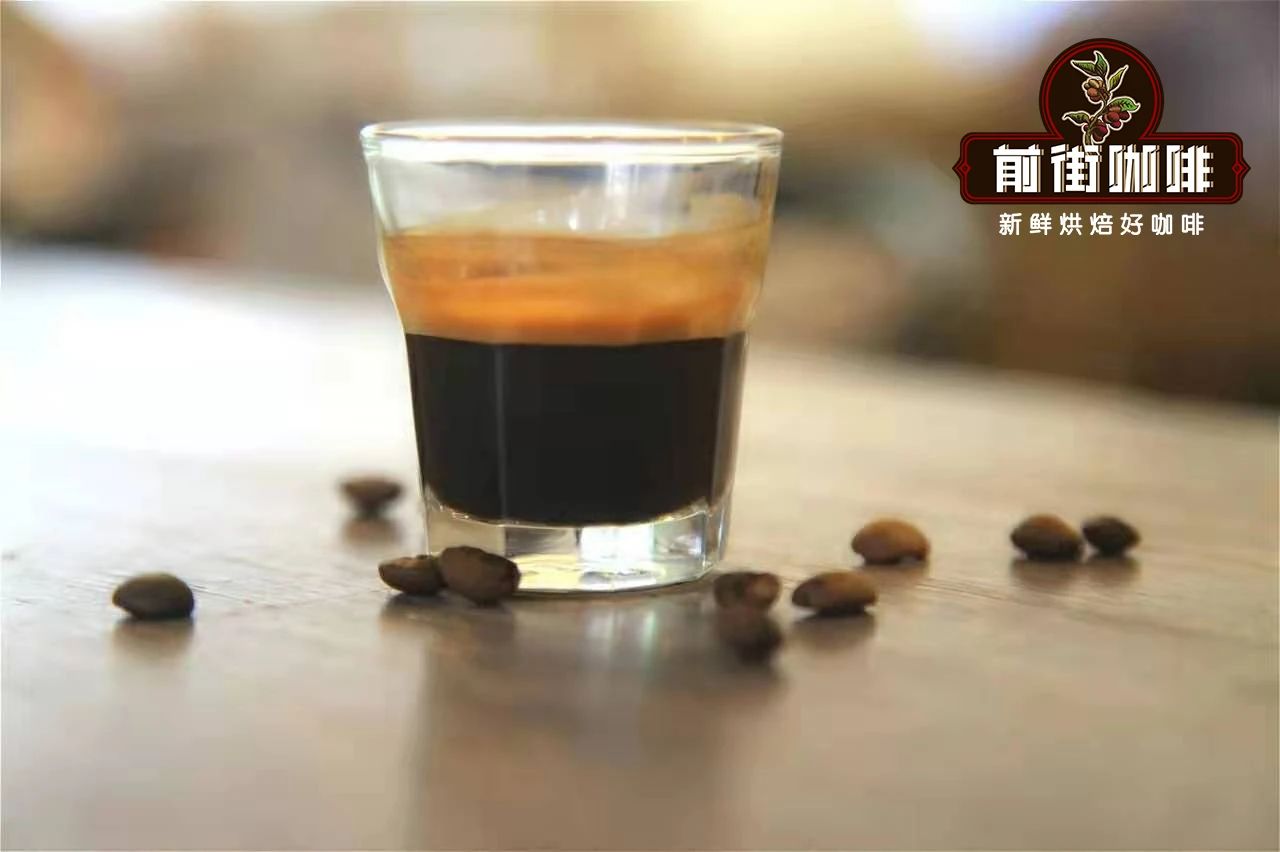
Don't underestimate them. A shot that fails to meet expectations usually comes down to a misunderstanding of these three. Start from the goal: we want espresso that is rich and mellow, with abundant, fine crema. That is the target we are extracting toward.
Dose
Why begin with dose? Because it is a relatively fixed value. How much ground coffee you use depends on how much the portafilter basket can hold. So how do you know your basket's capacity?
First, look for the model number engraved on the basket and find the detailed specification on the manufacturer's website. Second, there is an outward-curved ring line inside the basket. After tamping, if the surface of the puck sits within that ring, the capacity is reasonable. If the tamped puck rises above the ring line, you may not even be able to lock the portafilter into the group head. If it sits below the ring, the grounds may tumble during extraction and produce unpleasant flavors.
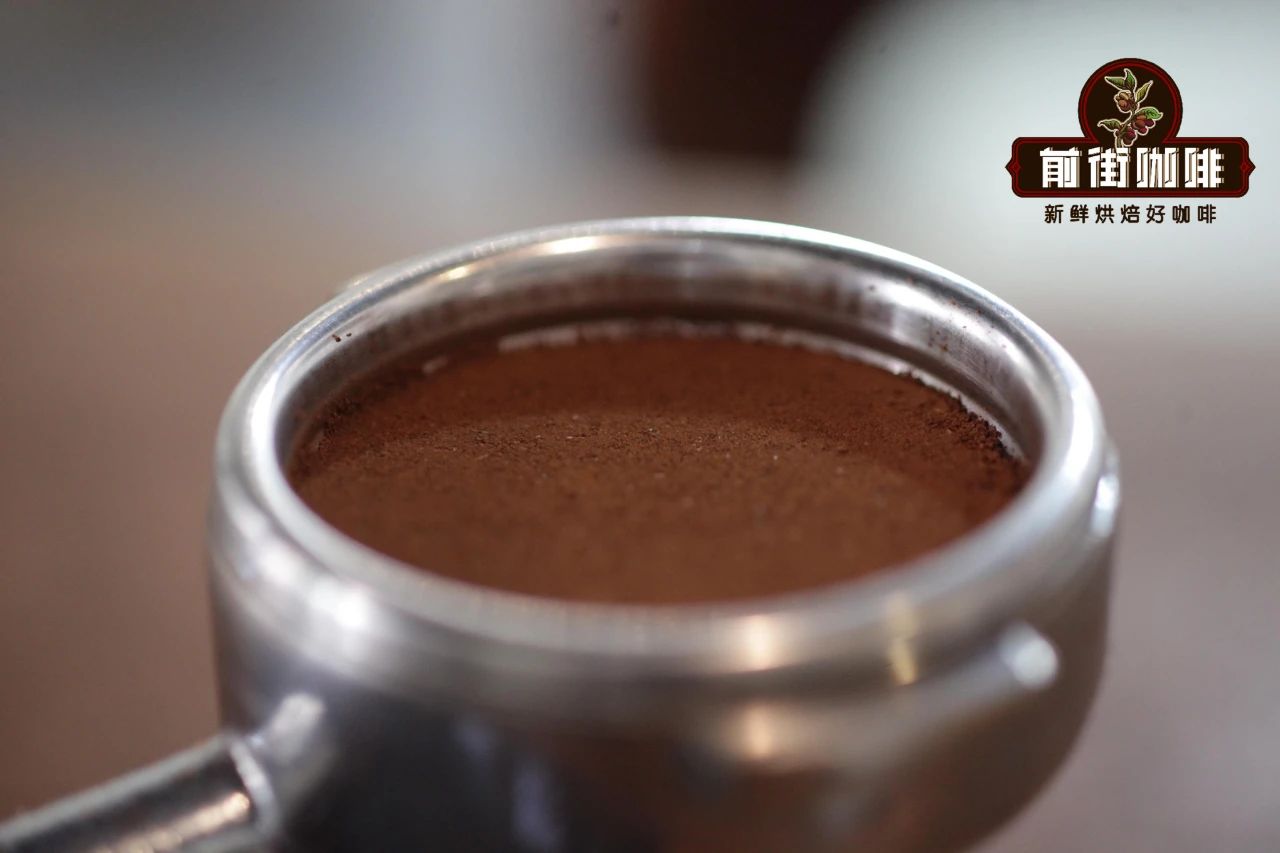
FrontStreet Coffee, for example, uses 19 grams of grounds as its standard, so every shot should hold 19 grams (accurate to 0.1 grams).
Yield
Yield means how many grams of espresso liquid come out. Once dose is fixed, dose and yield together set the brew ratio. Espresso used to be measured by volume, in milliliters or ounces, but because crema volume and weight are not equal, weighing in grams is now the norm for better precision.
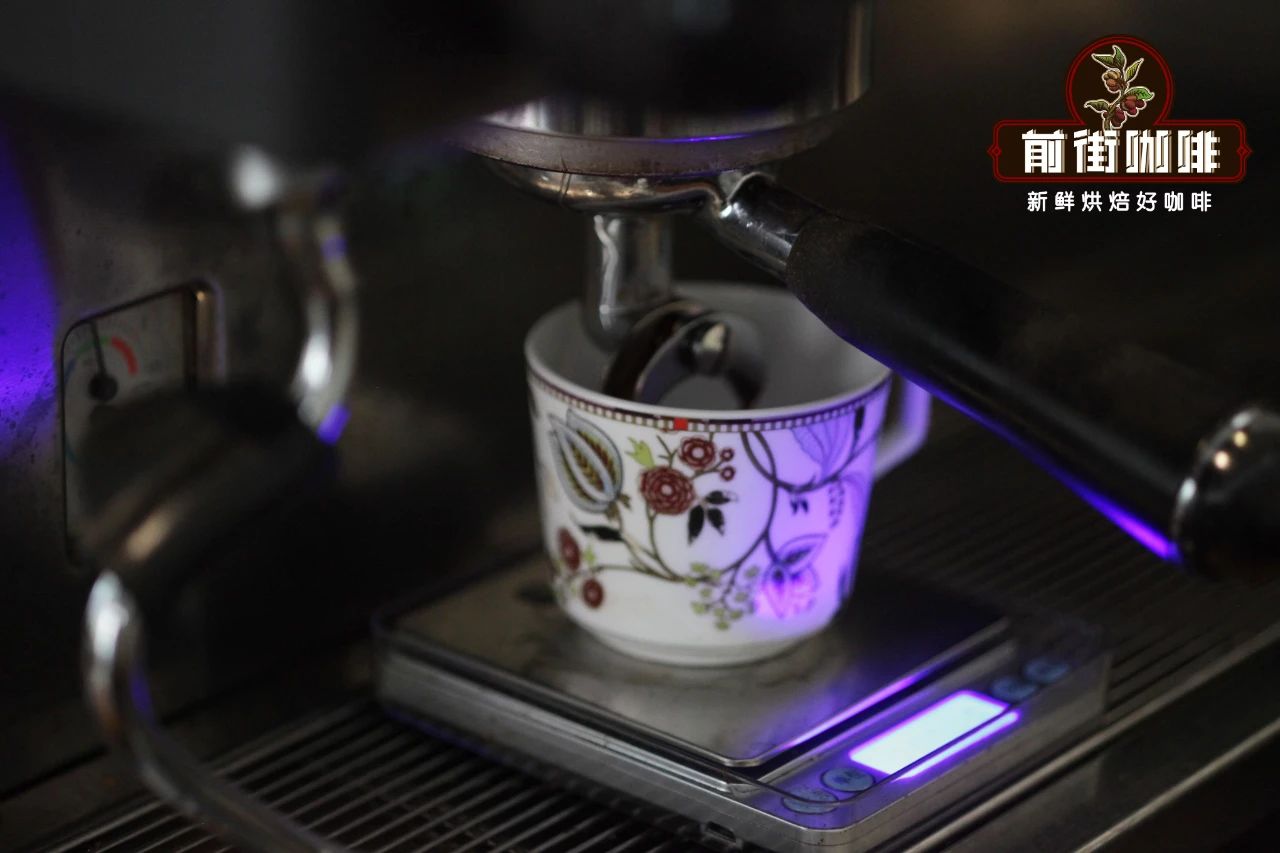
Take FrontStreet Coffee's espresso as an example: 19 grams of grounds produce 38 grams of espresso liquid, a brew ratio of 1:2. That ratio is not absolute — it should follow the flavor you want. Extract more liquid and the coffee tastes thinner with more noticeable bitterness; extract less and it becomes more viscous and concentrated, with a more intense but incomplete profile.
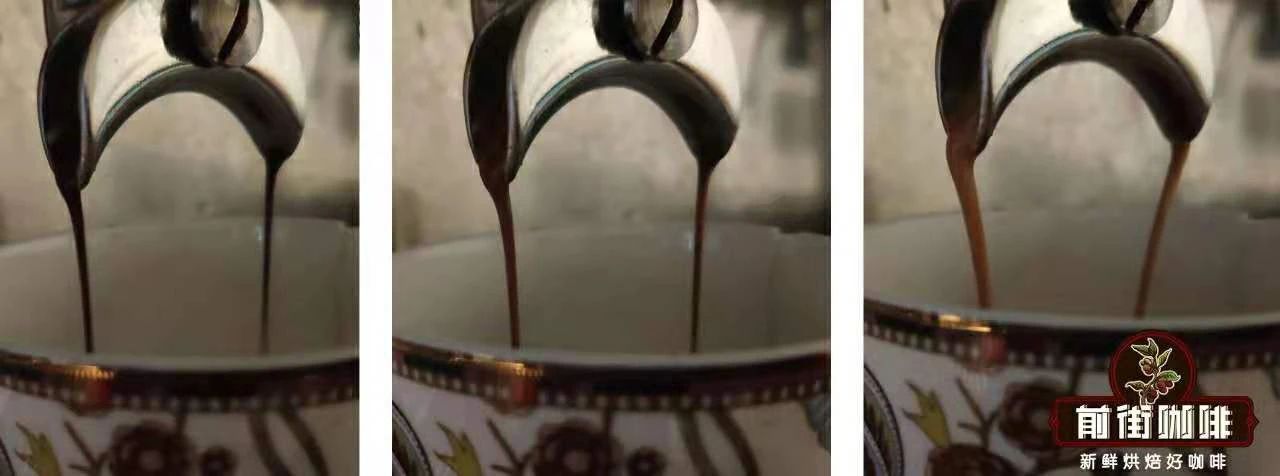
In the past people also judged the yield by watching the crema change color. Espresso starts out dark brown and concentrated when it first flows, shifts gradually to golden yellow and finally to light yellow. As a rule, when the crema begins turning white it is time to end the extraction.
Time
Time is a crucial element in espresso extraction, and it introduces what we call flow rate. Generally espresso extraction time falls between 20-30 seconds, with FrontStreet Coffee preferring 25-30 seconds. With dose and yield fixed, less time means a faster flow rate: under 20 seconds risks under-extraction, which brings sourness and astringency and a relatively thin mouthfeel. More time means a slower flow rate: past 30 seconds risks over-extraction, which brings burnt bitterness and a relatively thick mouthfeel.
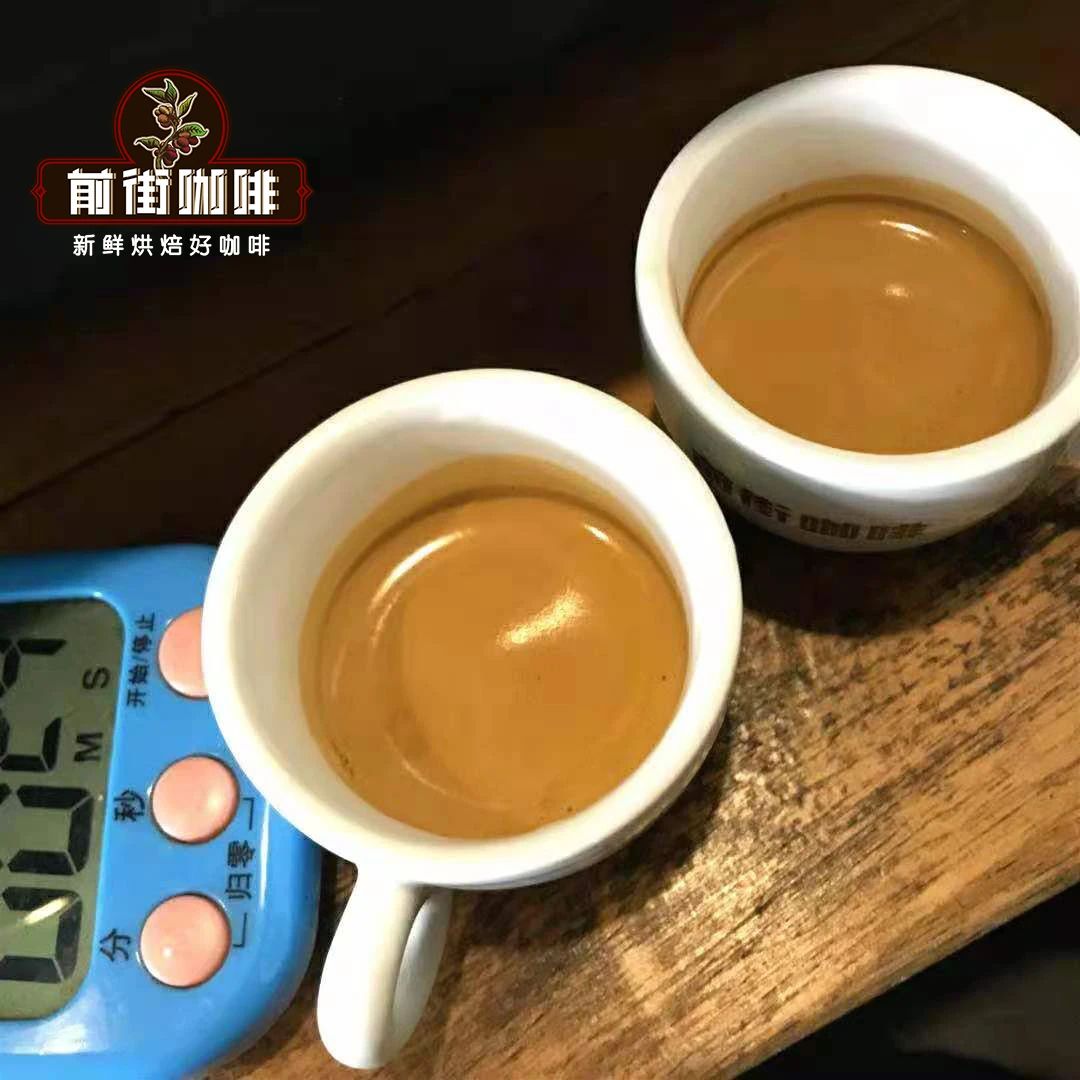
Again with dose and yield fixed, the only way to change extraction time is to adjust the grind size — which is the key adjustment in espresso. A coarser grind shortens extraction time; a finer grind extends it.
So when you dial in espresso, you are really changing three things: dose, yield and time. (Workflow: set the dose → pre-set yield at a 1:2 ratio and define the target extraction time range → taste and take feedback → adjust the grind size to change time → taste again when the target is reached → if it is still lacking, keep adjusting grind size or change the brew ratio → taste and approve → record.)
Water temperature and pressure matter just as much for espresso extraction, but it is better to keep them fixed until you have fully mastered the relationship between dose, yield and time.
FrontStreet Coffee Recommendation
Because dose, yield and time are all measured against a target flavor, the beans you choose set that target. FrontStreet Coffee's Classic Blend is the first pick for anyone working on espresso and moka pot extraction: it is designed for those two methods, and its greatest strength is outstanding crema, so even a beginner on a non-professional home machine can pull dense, fine crema without trouble. The lattes, cappuccinos and dirty coffees you drink every day all depend on good crema, and this blend hits that need exactly. It follows the traditional Mamba blend formula, giving a full-bodied, warm, rounded cup that both veterans and newcomers accept easily, and it works for home and commercial use alike. The Dark Cocoa Blend is the value option: not everyone chases maximum crema, and for beginners or café owners watching costs, good taste at a fair price is what counts. This one uses 100% Arabica beans, brings ample crema and a full body, and stays affordable, balancing quality with value.
If you are brewing milk drinks, bean choice steers the latte directly, since most espresso blends are roasted medium-dark and will push a latte toward rich nut and chocolate flavors with a strong coffee backbone. FrontStreet Coffee's Specialty Blend and Dark Cocoa Blend are the best milk partners because Brazilian coffee dominates the formula, so a latte shows complex almond, almond-paste and walnut notes with a silky, mouth-coating texture. If you want a latte with abundant crema, choose the Classic Blend or FrontStreet Coffee's Commercial Blend; both contain a small amount of Robusta, which supplies more golden foam and immediately lifts the body and caramel aroma. For pour-over drinkers who still want milk, the concentration is lower, so a medium-dark single origin holds up better: FrontStreet Coffee's PWN Golden Mandheling, Sumatra Mandheling, Bird of Paradise, Queen Estate and Colombia Huila are the usual suggestions, since flavors described as chocolate, nut, cream or cocoa survive a splash of milk while still letting the dairy aroma come through.
Cold drinks work the same way. Iced coffee, and cold brew in particular, can take milk as a softener, and because cold extraction releases the small-molecule compounds responsible for acidity and sweetness first, fruit-forward or winey medium roasts suit it better than heavily roasted beans. FrontStreet Coffee's Colombia Sidra, with its passion fruit character, its Strawberry Candy Geisha Blend, with its rose notes, and its Mozart, with its raisin character, all make cold brew that stays coherent and easy to read once a little milk is added — ideal for making at home. If you prefer a fruit-forward espresso blend for milk drinks with a difference, the Strawberry Candy is also the general-purpose choice, since it blends the native flavors of Arabica beans from different regions into a distinct strawberry candy sweetness and works for everyday home drinking or café service.
Important Notice :
FrontStreet Coffee is a long-established specialty coffee roaster in Guangzhou China, selling freshly roasted beans from its own farm in Yunnan as well as dozens of carefully selected single-origin beans from around the world for both pour-over and espresso. The products deliver consistently excellent quality and great value, with shipping within 24 hours. Guangzhou's FrontStreet Coffee shop is recommended by many coffee lovers, and the beans are now available online at the Tmall 。
FrontStreet Coffee has moved to a new address:
FrontStreet Coffee Address: 315,Donghua East Road,GuangZhou
Tel:020 38364473
 Scan and follow the En Gafei WeChat official account. Please indicate that the reprint comes from "En Gafei".