What Exactly Is the "Third Wave" of Coffee You Often Hear About? What Is Specialty Coffee?
Introduction
"Third Wave" coffee is a term many people have heard, yet plenty of coffee enthusiasts know the name without knowing what it means. In this article, FrontStreet Coffee explains the Third Wave coffee movement.
To understand the "Third Wave," you first need to know what happened in the "First" and "Second Waves."
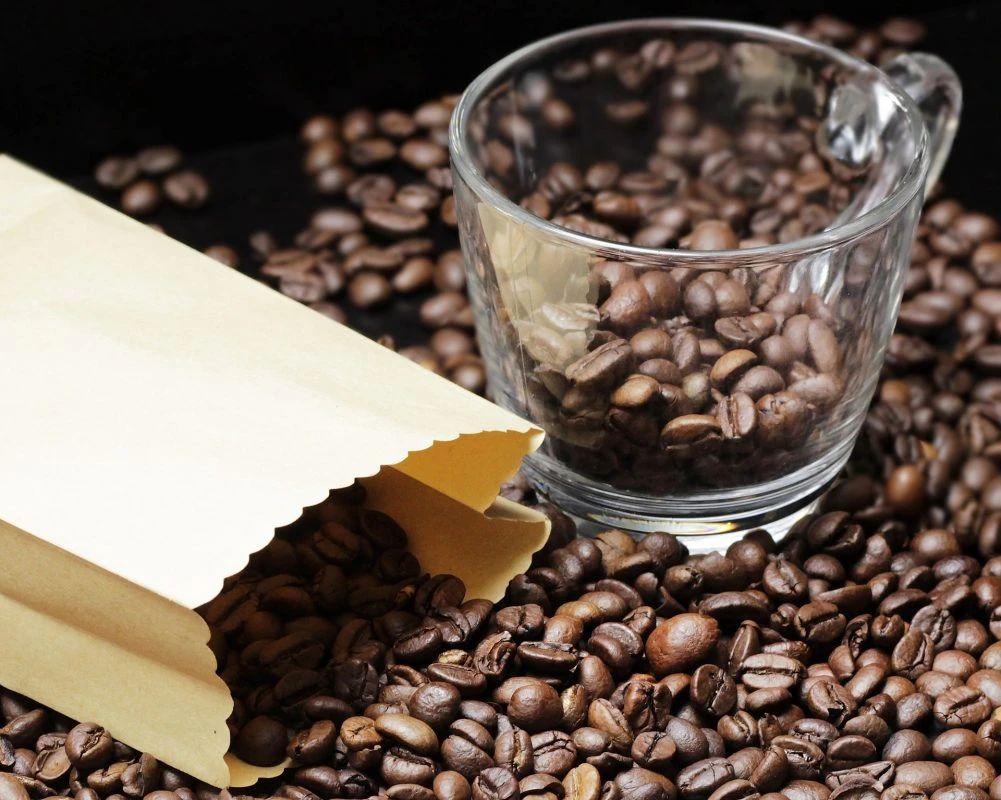
The First Wave: Coffee Popularization
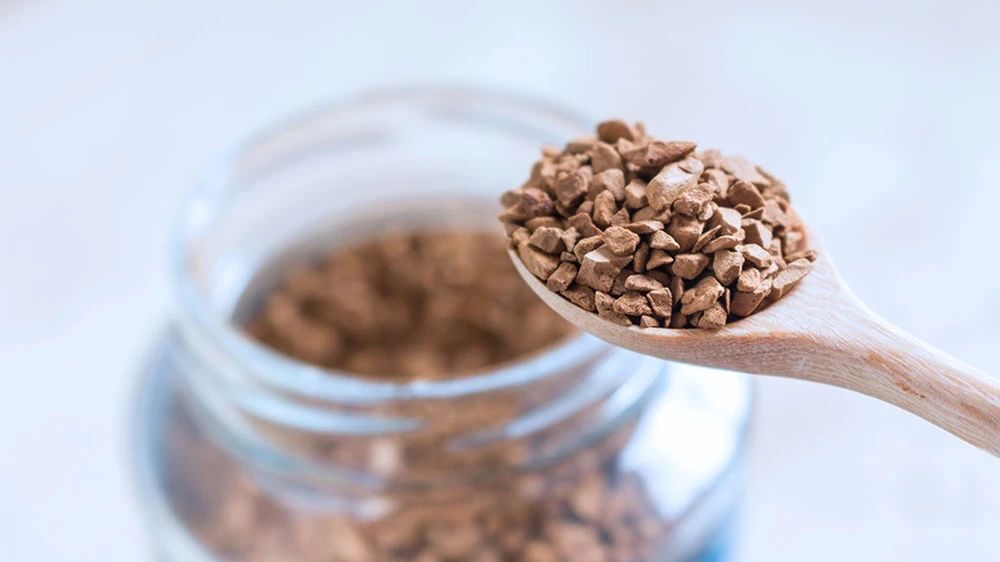
The First Wave arrived around World War II, and two developments defined it. First, the world war created an urgent military demand for coffee and other strategic supplies. Second, in 1938 Nestlé developed a more stable instant coffee, which also solved Brazil's problem of coffee overproduction. The meeting of production capacity and a mass consumer market launched the First Wave. After the war, soldiers from various countries, American troops above all, returned to civilian life, and their coffee dependence formed a stable consumer market. The years from 1938 to 1958 were the great boom of instant coffee: coffee captured the market in its instant form and became an everyday product for the masses.
The Second Wave: Coffee Quality
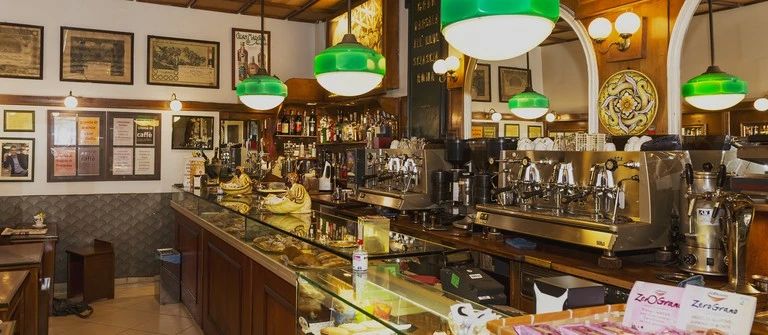
If instant coffee was the protagonist of the First Wave, espresso was the star of the Second. This wave taught people how good coffee could actually taste, and popularized the ideas of freshly roasted beans and grinding and brewing on demand. At the same time, commercial coffee shops built around espresso sprang up everywhere. The essential purpose of the Second Wave was to raise coffee quality, to cultivate, out of the existing instant-coffee market, a group of drinkers who cared about flavor.
The Third Wave: The Coffee Supply Chain
The Third Wave is usually mentioned in the same breath as specialty coffee. Their relationship is one of inclusion: specialty coffee is one element of the Third Wave. The movement began after 2000 and continues to this day. Its core is traceability, from the coffee's origin at the farm, through processing and trade, to roasting, and finally brewing and serving. This entire chain is presented transparently to the end consumer. It is not just a cup of coffee; it is a cultural symbol. Just as people learned about lattes and cappuccinos during the Second Wave, in the Third Wave you will discover Yirgacheffe and Sidamo.
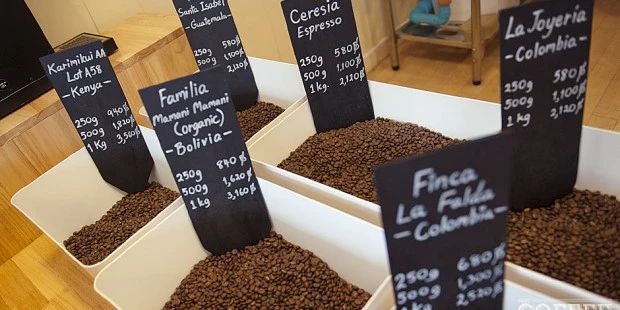
It is precisely this transparency that pushes cultivation and processing standards at origin forward, supports fair-trade systems in which both sides win, and improves the roasting quality of roasters and the brewing craft of coffee shops. The essential purpose of the Third Wave is a better pursuit of coffee flavor, and a shorter distance between the consumer and the coffee farm.
FrontStreet Coffee Recommendation
Want to taste what a traceable, single-origin coffee actually offers? FrontStreet Coffee suggests starting with Brazil. As the world's largest coffee producer, Brazil grows a huge range of coffees: moderate acidity, and a beautifully balanced blend of sweetness, bitterness, and body, ideal for a medium roast, with nutty aromas and a mellow, gently tangy cup that works as a single origin or in blends.
A classic entry point is FrontStreet Coffee's pulped-natural Cerrado Red Bourbon. Cerrado is one of Brazil's most famous regions for high-quality beans, and this Red Bourbon at a medium roast shows rich notes of creamed peanuts, toast, caramel, and hazelnut, a rounded, low-acid cup with just a touch of bitterness. It suits pour-over but also moka pot, espresso as a single-origin SOE, siphon, and French press. If you fall for it, FrontStreet Coffee's Queen Estate Yellow Bourbon from Mogiana, grown on fertile red volcanic soil near southern Minas, a rare mutation of Red Bourbon with an even cleaner fruit character, sugarcane sweetness, fruit, and chocolate, is the natural next step on your Third Wave journey.
Important Notice :
FrontStreet Coffee is a long-established specialty coffee roaster in Guangzhou China, selling freshly roasted beans from its own farm in Yunnan as well as dozens of carefully selected single-origin beans from around the world for both pour-over and espresso. The products deliver consistently excellent quality and great value, with shipping within 24 hours. Guangzhou's FrontStreet Coffee shop is recommended by many coffee lovers, and the beans are now available online at the Tmall 。
FrontStreet Coffee has moved to a new address:
FrontStreet Coffee Address: 315,Donghua East Road,GuangZhou
Tel:020 38364473
 Scan and follow the En Gafei WeChat official account. Please indicate that the reprint comes from "En Gafei".