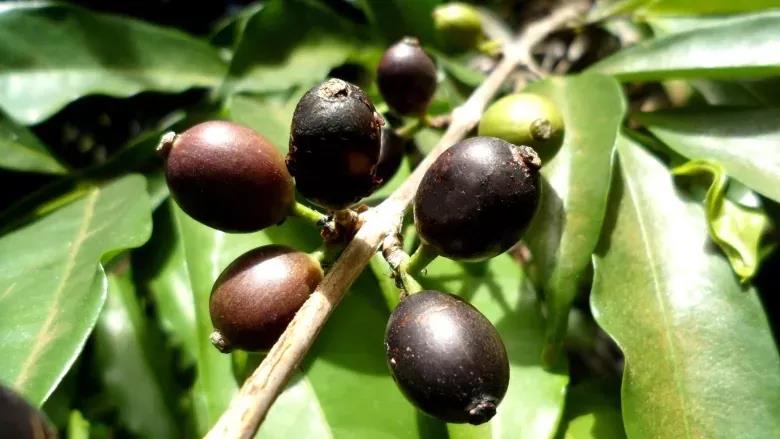
Yunnan Coffee: FrontStreet Coffee's Yunnan Coffee Estate Sun-Dried Typica Coffee Bean Story and Characteristics
Since 2014, we have been traveling to Yunnan every two to three months to check on how our coffee is growing in the plantations there.
Anyone who knows the realities of coffee-producing regions, or has seriously read books like "Specialty Coffee Studies" and "The Bean Hunter," will know that many of these regions are far from stable.
By a strange twist of fate, our own plantation — located in a small town on the border of Yunnan and Myanmar — has lived through many of those same disruptions. An earlier article, "In the Fog: Why FrontStreet Coffee Chose the Most Difficult Path," explains in detail why we went to this place to grow coffee. Today, let's talk about some of the other things that happened along the way.
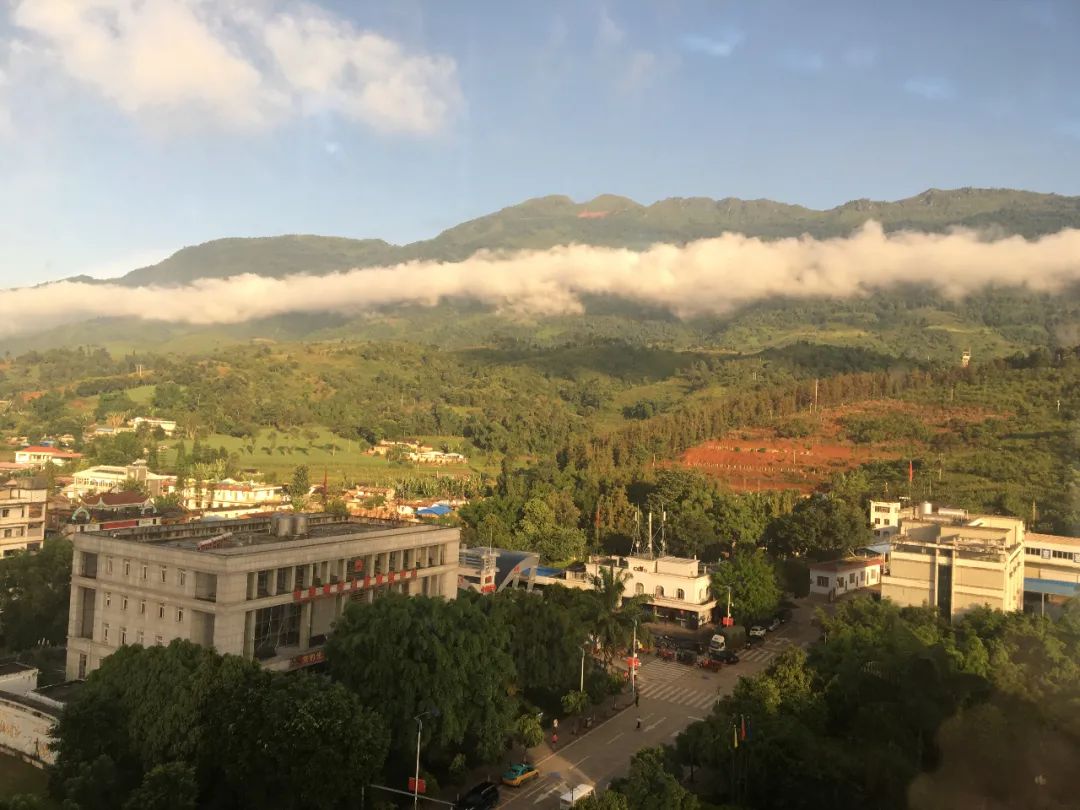
FrontStreet Coffee opened in 2013. At the time, we wanted to learn more about coffee cultivation and green beans, so going to Yunnan to grow coffee ourselves was a hurdle we simply had to clear.
The Three Elements of Specialty Coffee
By general consensus, the three essential elements of specialty coffee are variety, altitude, and processing method.
The Yunnan Coffee Landscape
Yunnan coffee has long been positioned to supply raw material, so farms there have mostly chosen the high-yielding Catimor variety, a hybrid. Yunnan currently has more than 2 million acres of coffee, most of it developed between 2010 and 2011 when rising coffee prices provided the stimulus.
What we wanted to understand, however, was how the Typica and Bourbon varieties perform in Yunnan. That meant buying existing Yunnan coffee land was not an option — we had to start growing from scratch through our own breeding program.
The reason so many novel processing methods have become popular in Yunnan is largely because most farms plant Catimor. Processing is a shortcut to highlight post-harvest flavor characteristics without changing the variety or the altitude.
Life on a Border Plantation
Our plantation sits in a border town; just across the line lies the Kokang region of northern Myanmar. When we began our breeding work there in 2014, the local situation was already growing tense. By 2015, armed conflict had broken out across the border, and large numbers of refugees began pouring in.
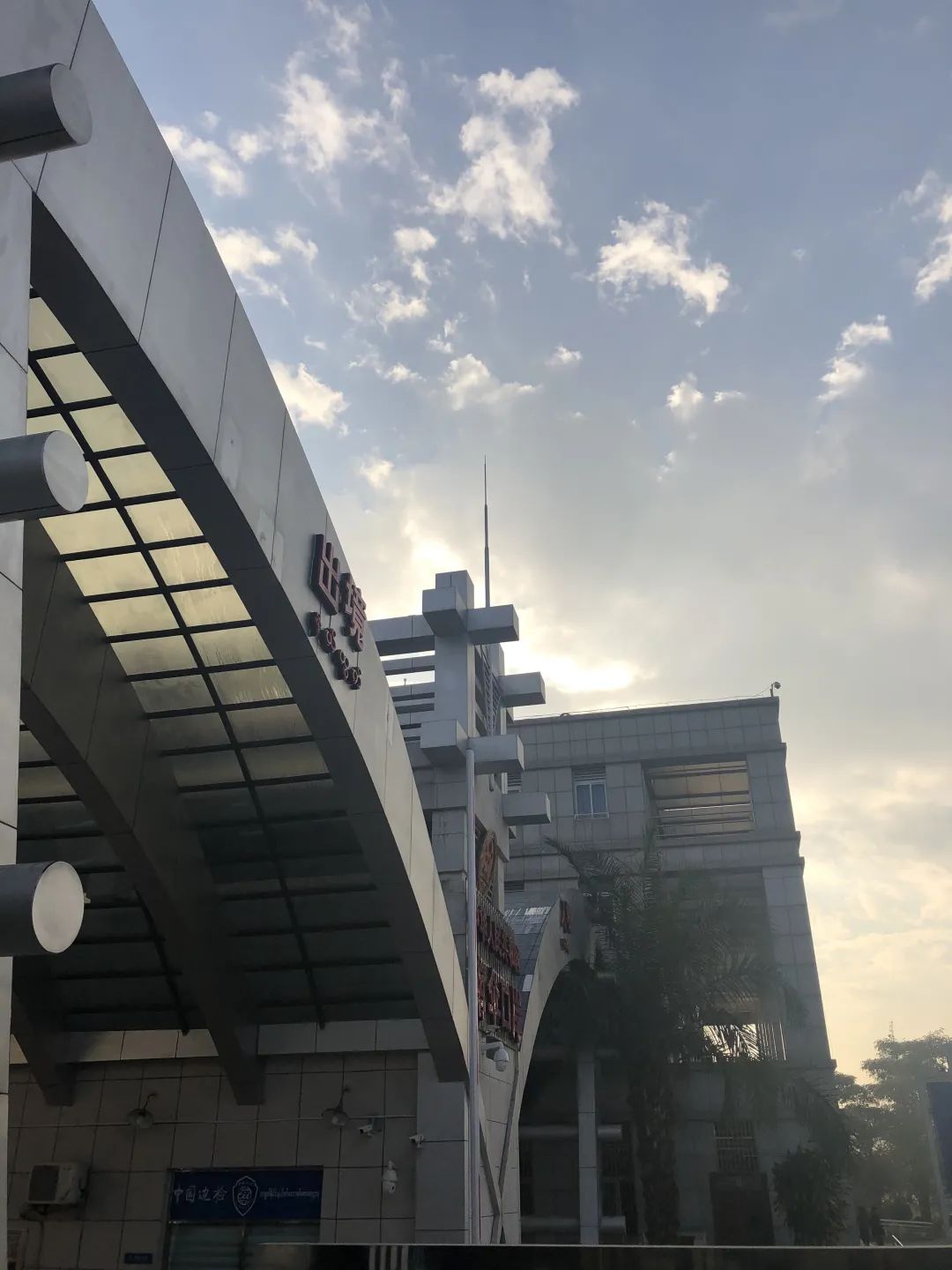
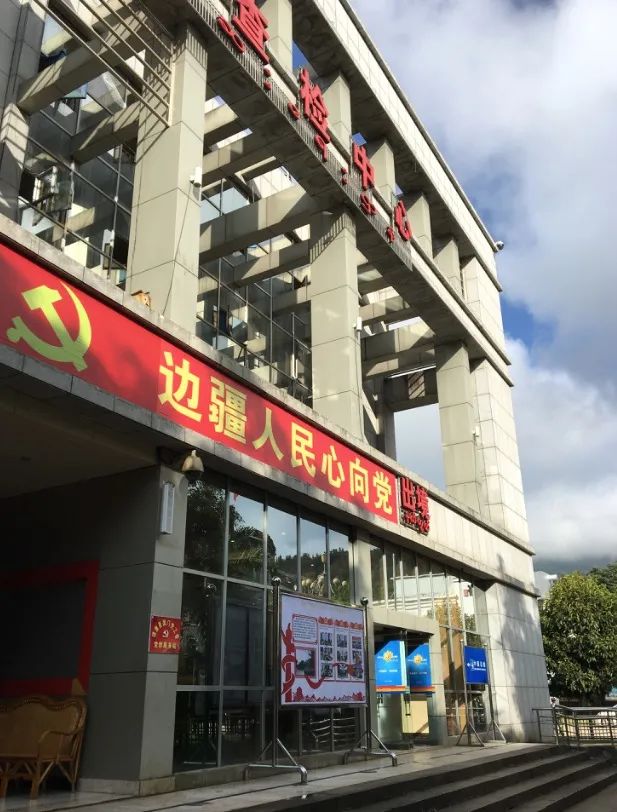
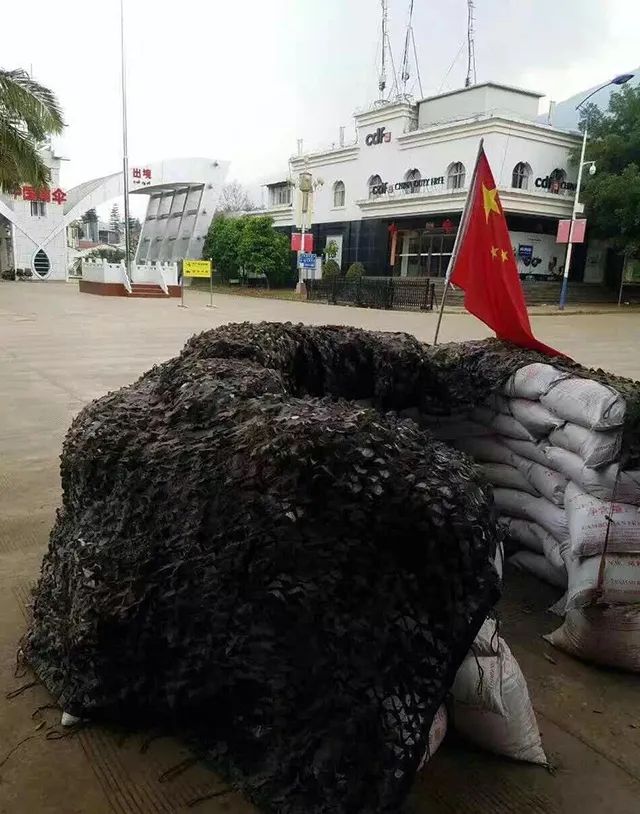
Why would war break out right next door? The short version is that this border region has been unstable for decades, with armed groups controlling territory on the Myanmar side and periodic fighting spilling over. When our plantation housing was not yet finished, we could only stay in hotels right on the border line. During the worst of the clashes, bullets occasionally flew over, forcing the hotels to post warning notices for guests, and landmines were laid on the Myanmar side just below where we stayed.
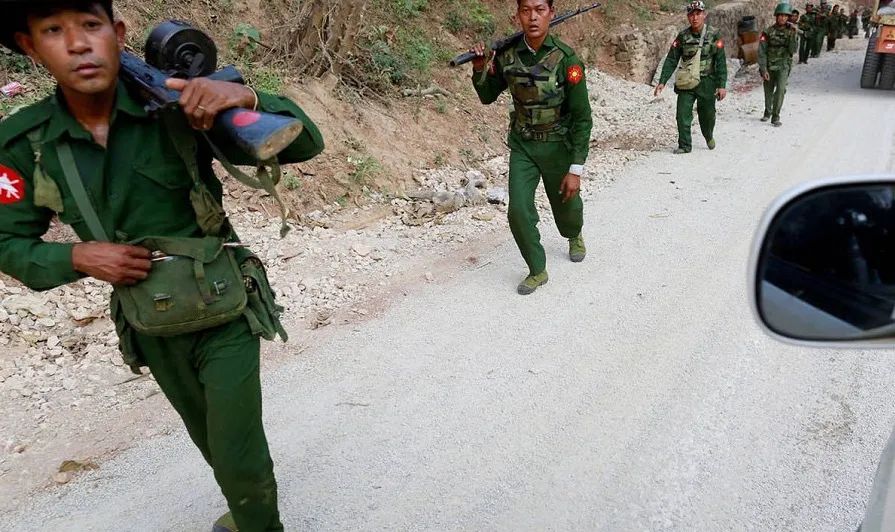
Despite the unrest, daily life across the border carried on. Border residents from both sides moved about quite freely — a small path was all it took to cross. But deeper inland, roughly 50 kilometers from the line, checkpoints gradually appeared. And on the opposite side, with warfare and landmines all around, there was little reason for anyone to venture in. That said, some people did. The border town was full of casinos, one of the two main sources of local income, and they drew visitors from the Chinese side — with consequences that often ended badly for them. This is why we would receive a warning text message from the provincial public security authorities as soon as we landed in Yunnan, telling us not to cross the border casually. During those years, dozens of people waited at local police stations every day, asking for news of relatives on the other side.
When the pandemic began, Myanmar's medical system was extremely backward and hospitals were simply insufficient; isolation measures amounted to hanging mosquito nets in small groves as a formality, which is one reason the outbreak there was so severe.
Later, this side of the border closed completely. More than 100 kilometers of barbed-wire fencing went up, with tents every few kilometers staffed by several people, finally cutting off all crossings.
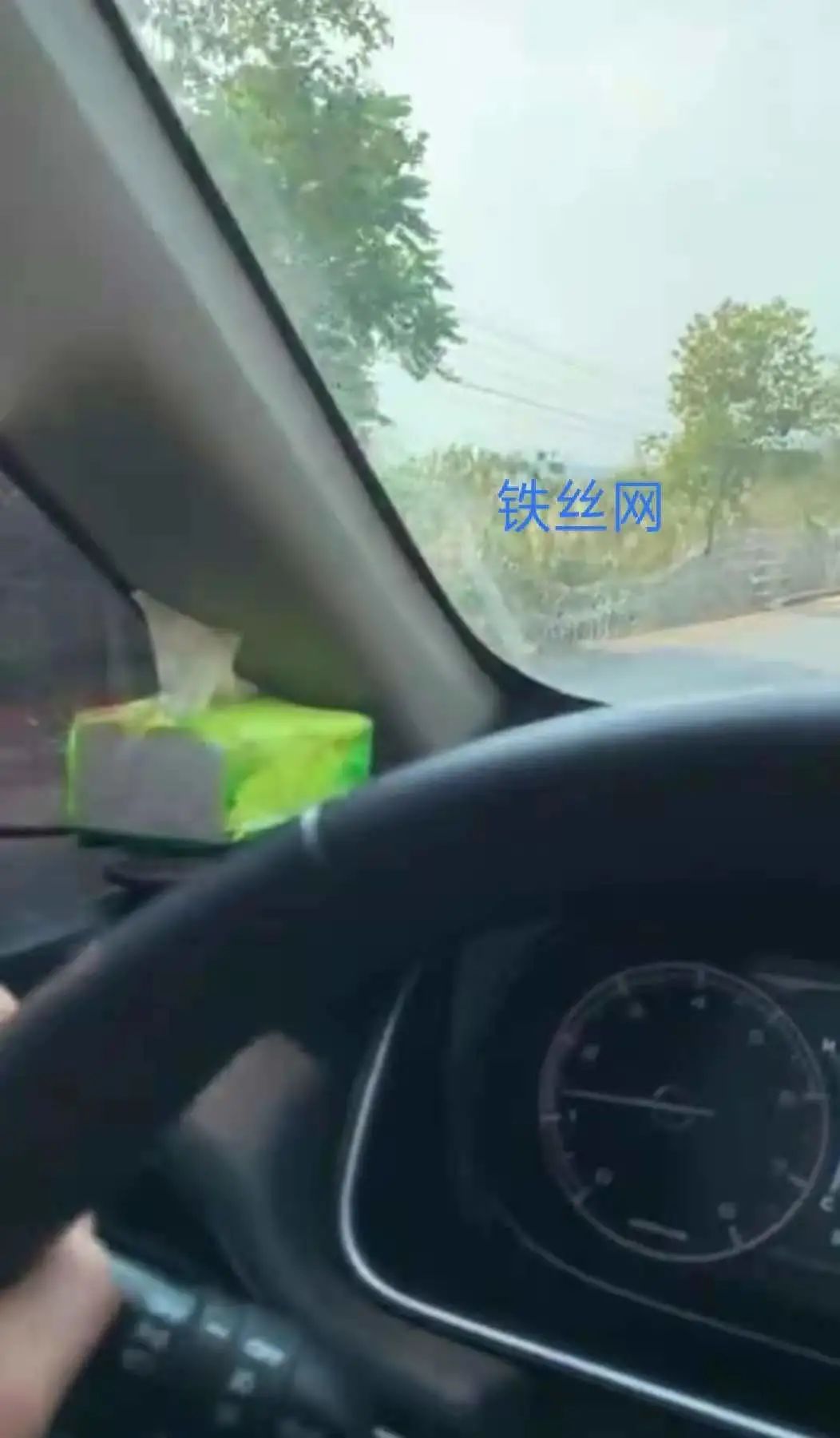
Even so, complete control proved elusive; a few weeks before this writing, renewed incidents in the north triggered another city-wide lockdown in Mangshi.
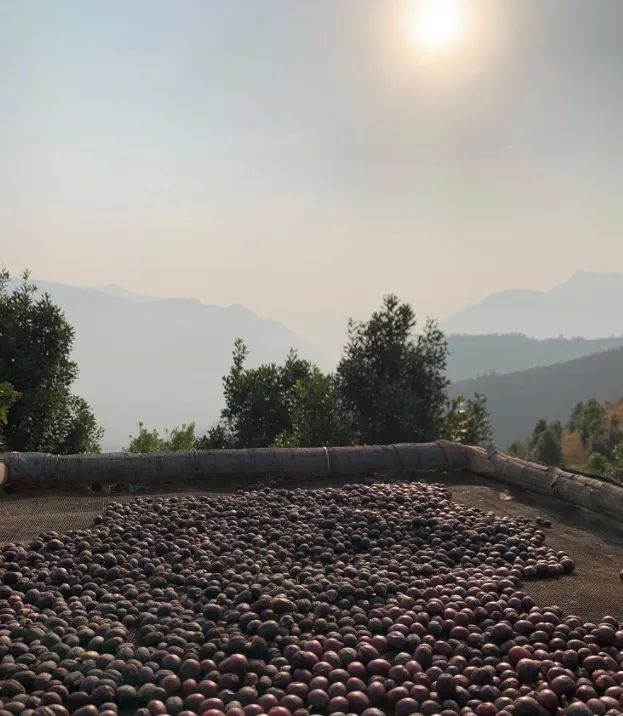
The border controls affected us directly. Only when limited travel resumed this year could we finally go down during the harvest season two months ago to pick and process this season's coffee. The quantity is small, so we can offer it only in limited amounts for everyone to taste.
FrontStreet Coffee Recommendation
If this story has you curious about Yunnan-grown Typica, our own FrontStreet 2013 Sun-Dried Typica is exactly the coffee we were working toward: beans from our plantation, made only from fully ripe, all-red cherries and processed as a natural (sun-dried). Roasted medium for balance, it offers the depth of dark berries alongside caramel sweetness, chocolate, and a hint of dried apricot, finishing with a black-tea aftertaste.
For a gentler introduction to Yunnan coffee, FrontStreet Yunnan Arabica from the Baoshan region is washed processed and medium roasted, showing soft nut and chocolate notes with a touch of plum-like acidity at an approachable price. And if you prefer your Yunnan in espresso form, our Black Cocoa Blend combines Yunnan Arabica with Brazil Cerrado: the Brazil brings mixed-nut aroma and balance, the Yunnan contributes chocolate and citrus, giving Americanos a balanced sweetness of nuts and brown sugar and lattes a smooth, almond-cream texture.
Important Notice :
FrontStreet Coffee is a long-established specialty coffee roaster in Guangzhou China, selling freshly roasted beans from its own farm in Yunnan as well as dozens of carefully selected single-origin beans from around the world for both pour-over and espresso. The products deliver consistently excellent quality and great value, with shipping within 24 hours. Guangzhou's FrontStreet Coffee shop is recommended by many coffee lovers, and the beans are now available online at the Tmall 。
FrontStreet Coffee has moved to a new address:
FrontStreet Coffee Address: 315,Donghua East Road,GuangZhou
Tel:020 38364473
 Scan and follow the En Gafei WeChat official account. Please indicate that the reprint comes from "En Gafei".