Origins of Single-Origin Coffee Bean Names? How to Distinguish Four Mandheling Coffee Beans?
Introduction
When visiting FrontStreet Coffee, many customers find themselves staring at the long coffee bean list, completely captivated. Today FrontStreet Coffee will explain why these beans are named the way they are.
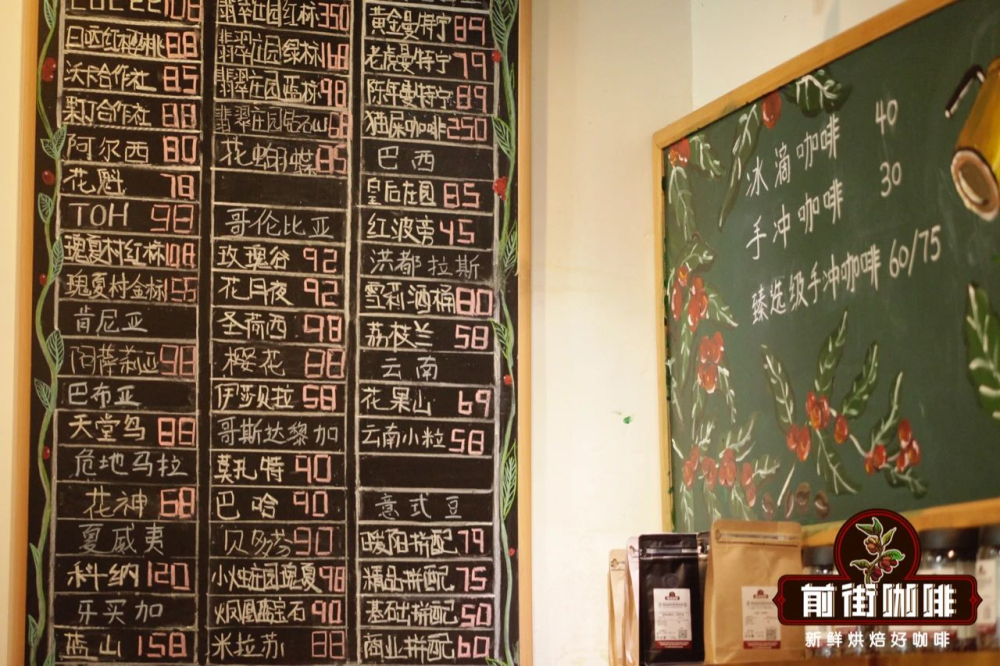
Named by Region, Origin or Producer
Today, most single-origin coffee beans are named this way, which points more directly to where the beans come from. Yirgacheffe, which most of us know well, is a famous coffee-producing region in Ethiopia, and the familiar string of names that follows it, such as Gedeb, Kochere, Biloa and Woka, are the names of more specific cooperatives and processing stations within the Yirgacheffe region.
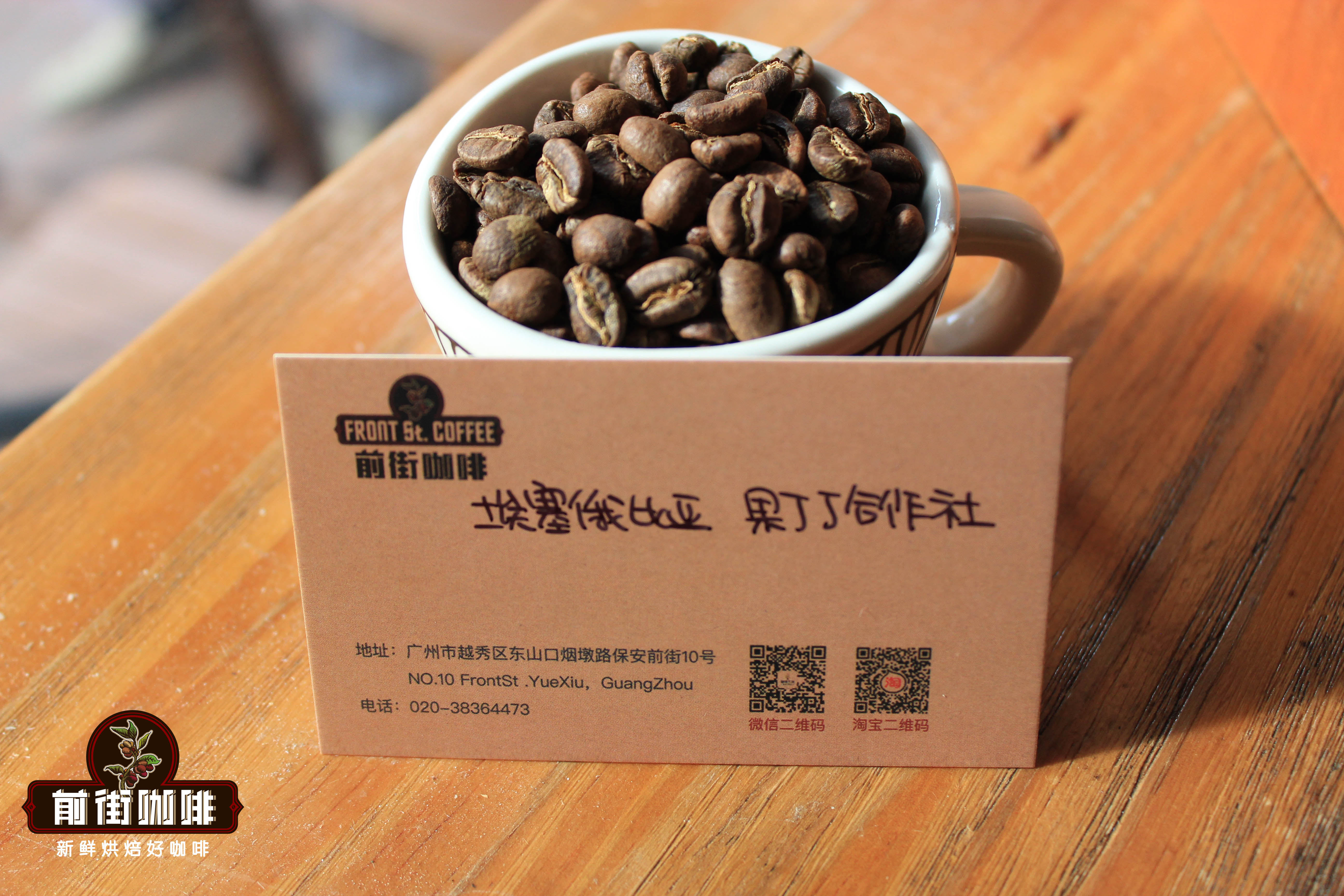
Central and South America, by contrast, use independent estates or major coffee-producing regions as names, such as Colombia's well-known Huila, Cauca and Narino; Guatemala's Antigua and Huehuetenango; Jamaica's Blue Mountain; and Hawaii's Kona. All are names of coffee-producing regions.
Named After Competition Titles
Every year, famous green bean competitions such as TOH, COE and BOP draw intense attention from coffee merchants. These award-winning coffees are named after their titles, such as the 2020 Ethiopia COE 22nd place lot that FrontStreet Coffee previously took part in auctioning, or the familiar 2017 TOH champion "Hana Asakso."
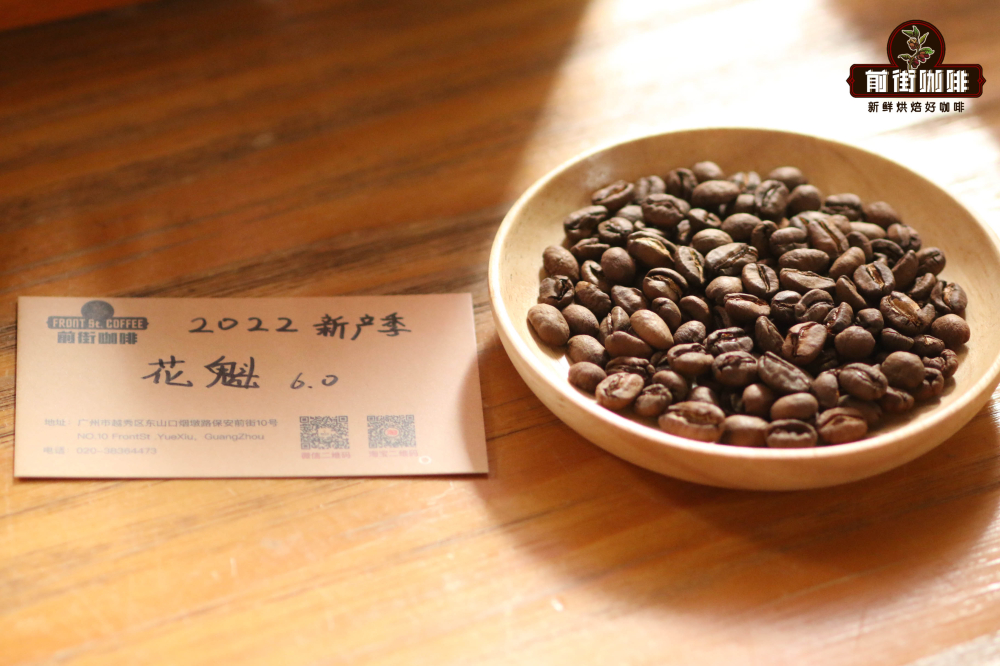
Named by Coffee Estates for Their Products
Some rare varieties, or varieties with widely recognized flavor, are named as estate name plus bean variety, such as Geisha, Pink Bourbon and Pacamara.
For coffees whose unique flavors come from special processing methods, estates or processors may give them elegant or fitting names, such as the Musician Series from Hacienda La Carmen, Rose Valley from Das Tree Estate, and Sherry from Finca Moca in Honduras.
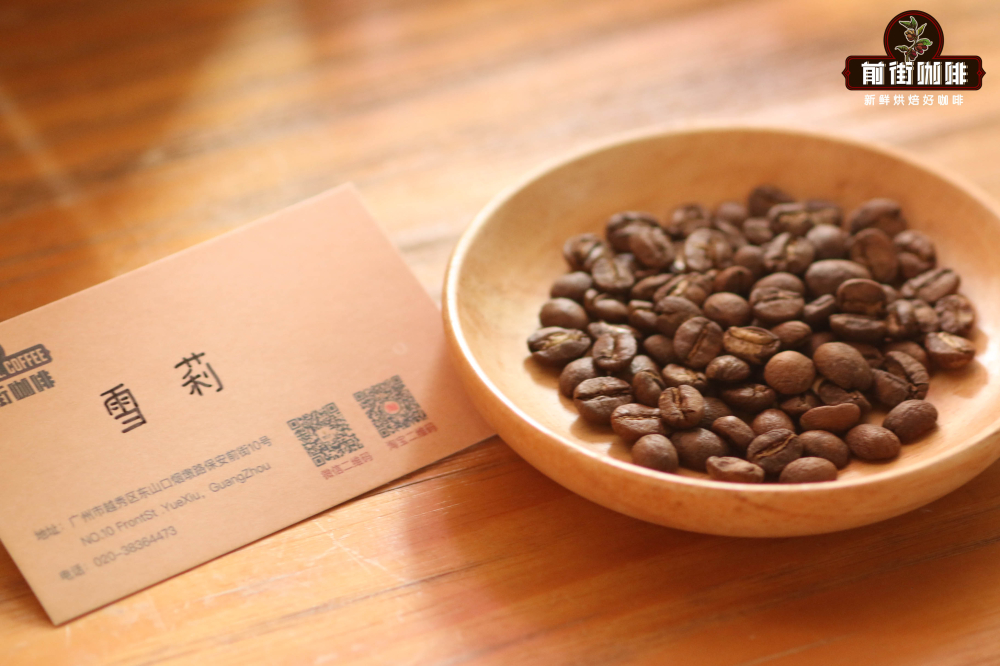
There are also product brand classifications, such as Hacienda La Esmeralda dividing its coffee into Esmeralda Special (Geisha Red Label), Private Reserve (Geisha Green Label), Geisha 1500 (Geisha Blue Label), Diamond Mountain (premium Catuai) and Palmira (regular Catuai). Other examples include the Geisha Village Estate product series, named similarly to La Esmeralda; Panama Mariposa; Golden Mandheling, discussed in detail below; and Guatemala Flora. All follow this approach.
The Name Mandheling
This one is quite special. It is neither a region name nor a coffee variety, but the name of a local coffee-growing tribe, and it was even misheard, since the tribal name transliterates as "Mandailing." Today, Arabica coffee beans produced in northern Sumatra can all be called Mandheling coffee.
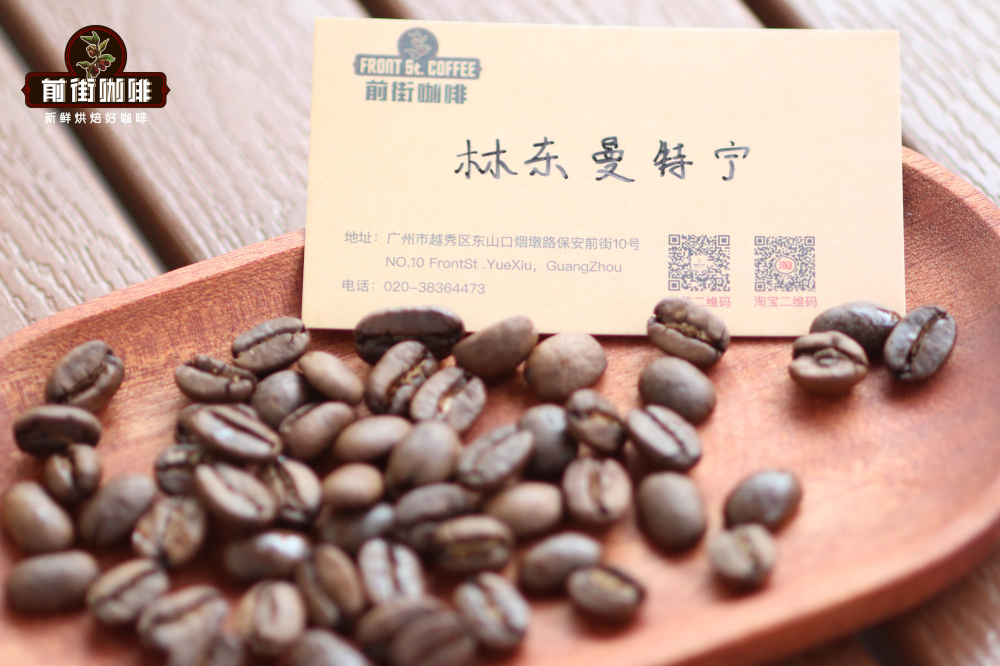
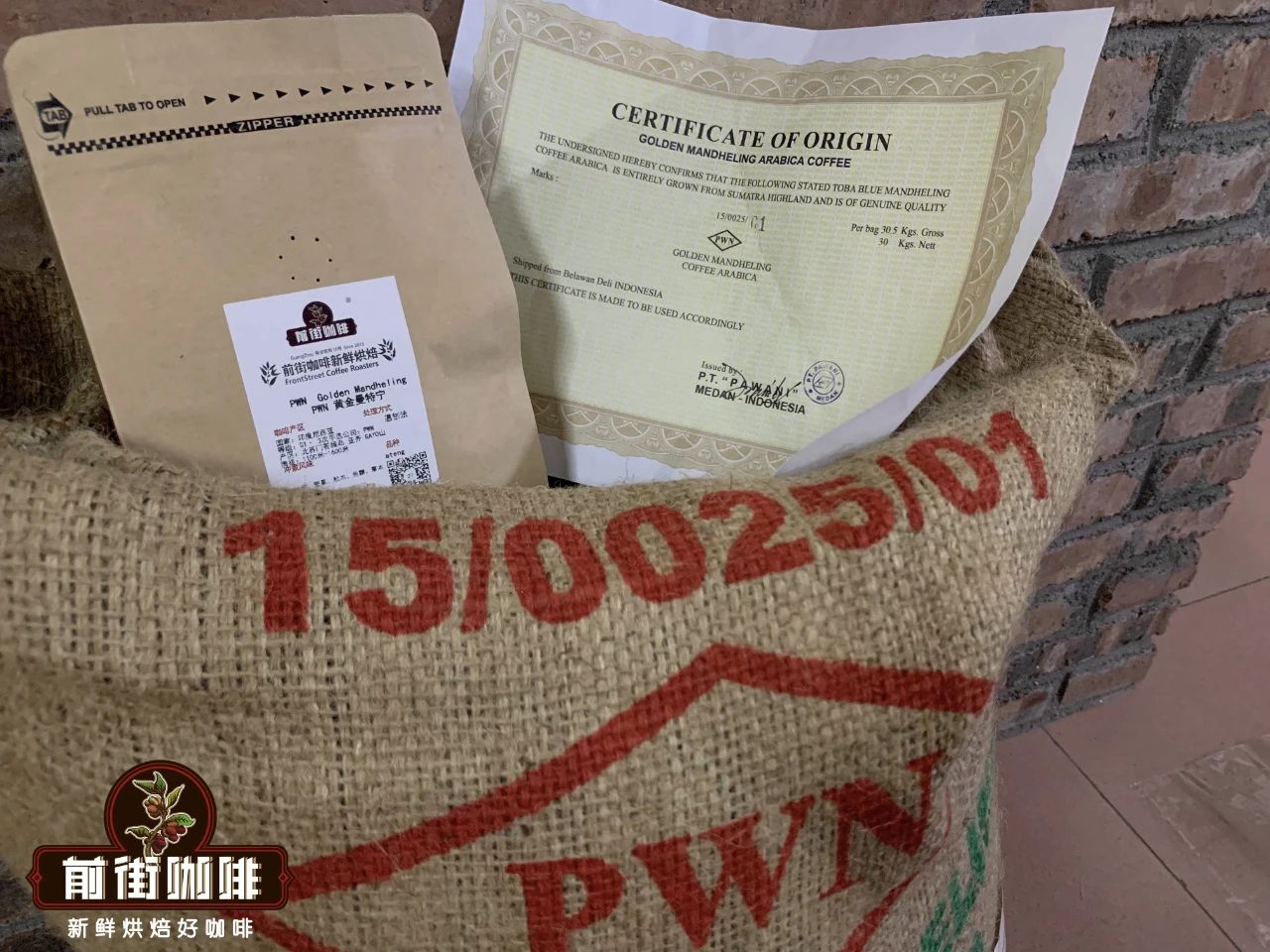
Mandheling coffee is further subdivided into many types, generally named by origin, such as Lintong Mandheling, Gayo Mandheling and Lake Toba Mandheling. Others are named by brand, such as Golden Mandheling and Tiger Mandheling. Golden Mandheling is a trademark of the Pawani Company, characterized by extremely strict bean selection: only beans above 18 mesh are used, and the coffee undergoes three manual selections and one machine selection. With few defects and large beans, it is no exaggeration to call it the highest-quality Mandheling.
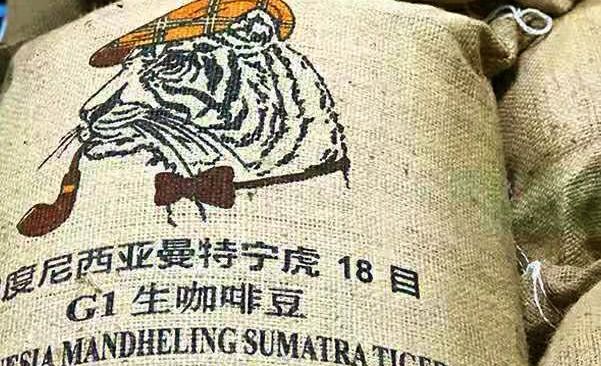
Tiger Mandheling, officially named Mandheling Sumatra Tiger, uses coffee beans from the Lake Toba area in Aceh and carries a traditional Chinese medicine aroma. Only Mandheling beans above 17 mesh with a defect rate below 4% can be called "Tiger."
There is also Aged Mandheling, named for its special processing. Aged Mandheling places coffee beans that have completed wet-hulled processing into temperature-controlled warehouses for 2-3 years of aging. Through long-term maturation, the fruit acidity of Mandheling becomes not only gentle and mellow but its body and unique flavors become even more striking on the palate.
G1, AA, NO.1, SHB?
Many coffee beans carry endings such as G1, G2, AA or AB, and these numbers and letters all represent coffee grades. Different producing countries use different grading standards. G1 and G2 are generally beans graded by defect rate, with G1 the highest grade, such as Yirgacheffe G1. AA and AB are graded by bean size, such as Kenya AA, which represents the best coffee quality in Kenya. SHB means Strictly Hard Bean and is generally a grading standard in Central and South American countries.
FrontStreet Coffee Recommendation
Yirgacheffe is the clearest example of a coffee named for its region, and FrontStreet Coffee's Yirgacheffe lots show how much character that name carries. FrontStreet Coffee Washed Yirgacheffe is the everyday benchmark: a washed Ethiopian known for white jasmine, bright citrus and lemon acidity, and a tea-like finish, at a price that makes it the natural first step into specialty coffee.
Yirgacheffe town sits within the Sidama zone of southern Ethiopia, at roughly 1700-2100 meters, with coffee trees planted above 1800 meters, making it one of the highest coffee regions in the world. Push a little deeper into a single village and you reach FrontStreet Coffee Yirgacheffe Gedingding. Grown in the Worka area at the southeastern edge of Yirgacheffe, Gedingding was once part of the Worka cooperative under the YCFCU union and became independent in 2012 with roughly 300 farmer members. It follows the traditional washed method, giving a clean, bright cup of citrus and lemon acidity with jasmine florals and no trace of the bitterness people often expect.
If you prefer the fruitier side of the region, FrontStreet Coffee Yirgacheffe Red Cherry uses a natural process from fully ripe red cherries, dried on raised beds for three to five weeks. It keeps the classic Yirgacheffe identity while adding tropical fruit: citrus acidity, berry juice, honey sweetness and a creamy, smooth texture, with peach, cocoa, honey and lemon running through the cup. As a starting point for brew parameters, a V60 at 90-91°C with 15 g of coffee at a 1:15 ratio, ground to a fine-sugar consistency, will bring out its clarity and sweetness.
Important Notice :
FrontStreet Coffee is a long-established specialty coffee roaster in Guangzhou China, selling freshly roasted beans from its own farm in Yunnan as well as dozens of carefully selected single-origin beans from around the world for both pour-over and espresso. The products deliver consistently excellent quality and great value, with shipping within 24 hours. Guangzhou's FrontStreet Coffee shop is recommended by many coffee lovers, and the beans are now available online at the Tmall 。
FrontStreet Coffee has moved to a new address:
FrontStreet Coffee Address: 315,Donghua East Road,GuangZhou
Tel:020 38364473
 Scan and follow the En Gafei WeChat official account. Please indicate that the reprint comes from "En Gafei".