
Flavor and Taste Characteristics of Decaf Coffee: What's the Difference Between Decaf and Regular Coffee?
Introduction
Decaffeinated coffee has long been an important direction for the coffee industry, made for people who cannot tolerate caffeine or simply prefer not to consume much of it. So what exactly is decaf coffee?
What Is Decaffeinated Coffee?
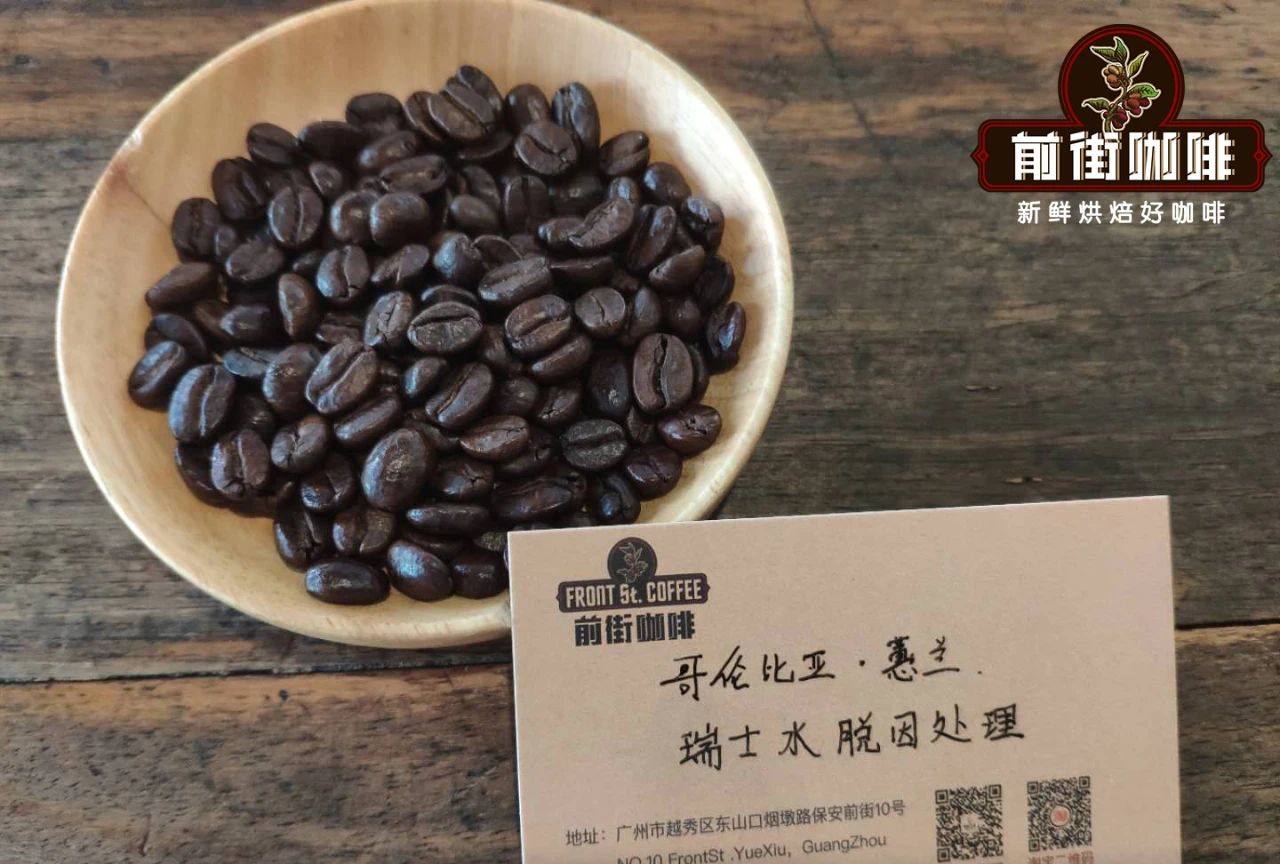
What we call decaffeinated coffee is coffee that has gone through artificial decaffeination - hence the common name "decaf." No technology removes caffeine completely: the EU standard requires that caffeine make up no more than 0.1% of the processed beans by weight, while the US FDA standard is to reduce caffeine to less than 3% of its original level.
What Are the Common Decaffeination Methods?
There are several artificial methods for removing caffeine. They fall roughly into four groups: direct and indirect solvent processes, the supercritical carbon dioxide process, the Swiss Water process, and the mountain water process.
Direct Solvent Process
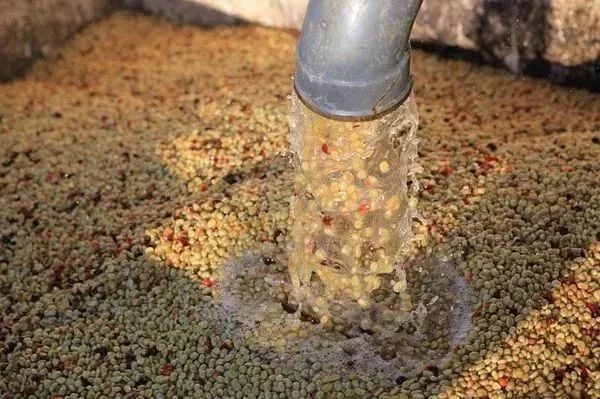
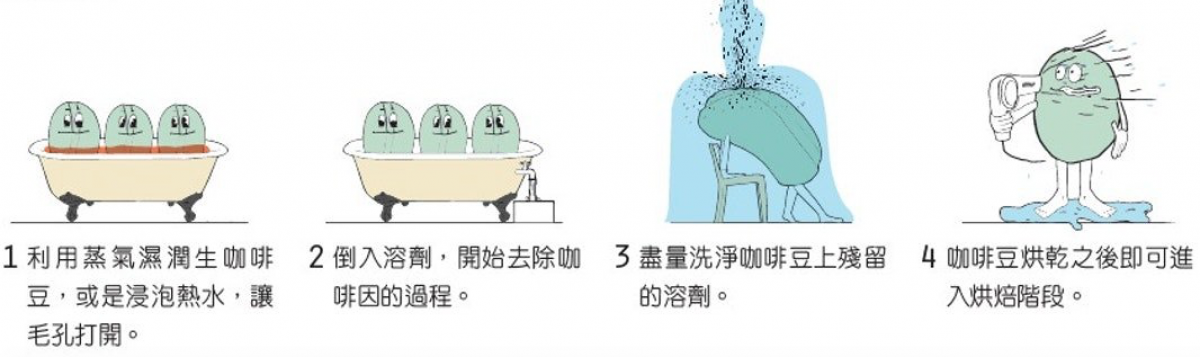
The direct solvent method uses chemical solvents such as dichloromethane and ethyl acetate to dissolve caffeine. Steam first opens the pores of the green beans, the solvent is applied directly, and once it has bonded with the caffeine the caffeine-laden solvent is washed away. A second round of steam removes any residual solvent.
Dichloromethane raises health concerns over long-term exposure, but the FDA caps its residue in decaffeinated coffee at 0.001% - a very low level with minimal side effects in practice.
The ethyl acetate route works the same way. Because ethyl acetate is usually derived from sugarcane, this variant is sometimes called sugarcane decaffeination, and it is the method typically used in Colombia. The catch: ethyl acetate is highly flammable, which makes it more hazardous to handle.
Supercritical Carbon Dioxide Process
Here the beans first absorb water and swell, loosening the caffeine molecules inside. Liquid carbon dioxide is introduced under pressure exceeding 100 atmospheres. CO2 is highly selective: it dissolves the caffeine without "touching" the beans' carbohydrates and proteins, so flavor survives intact. The caffeine can then be stripped from the carbon dioxide, which is reused.
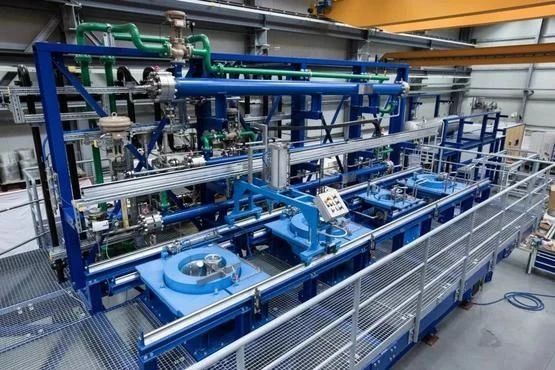
CO2-decaffeinated coffee is gentle on the body, and research suggests the method extracts more caffeine than direct solvents. It is also far more expensive - which is why supercritical CO2 decaf commands a premium price.
Swiss Water Process / Mountain Water Process
The Swiss Water process was developed by the Swiss company Coffex in the late 1970s, and SWISS WATER(R) is now a registered trademark. Green beans are soaked in hot water - which itself leaches out some caffeine - then the solution is passed through activated carbon filters, and finally the flavor-rich solution is pressed back into the beans. In short: all soluble coffee solids are dissolved into water, the caffeine is filtered out of that water, and the flavored solution is returned to the beans.
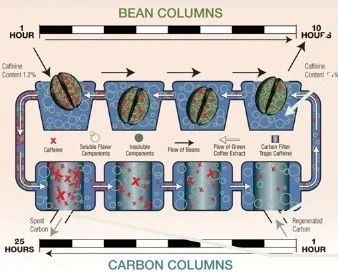
This sequence removes caffeine very effectively without chemical solvents, and the solution can be reused across batches - though some flavor is still lost in filtration. Caffeine removal can reach 99.9%, the highest of any method, making it one of the most common processes on the market.
The mountain water process is very similar. It uses special water sourced from glaciers to extract the caffeine; the company Descamex reports using a special filtration device to strip the caffeine, yielding a caffeine-free water-based solution that still dissolves the coffee's solids and can be reused in subsequent decaffeination rounds.
How Do Decaf Beans Differ from Regular Beans?
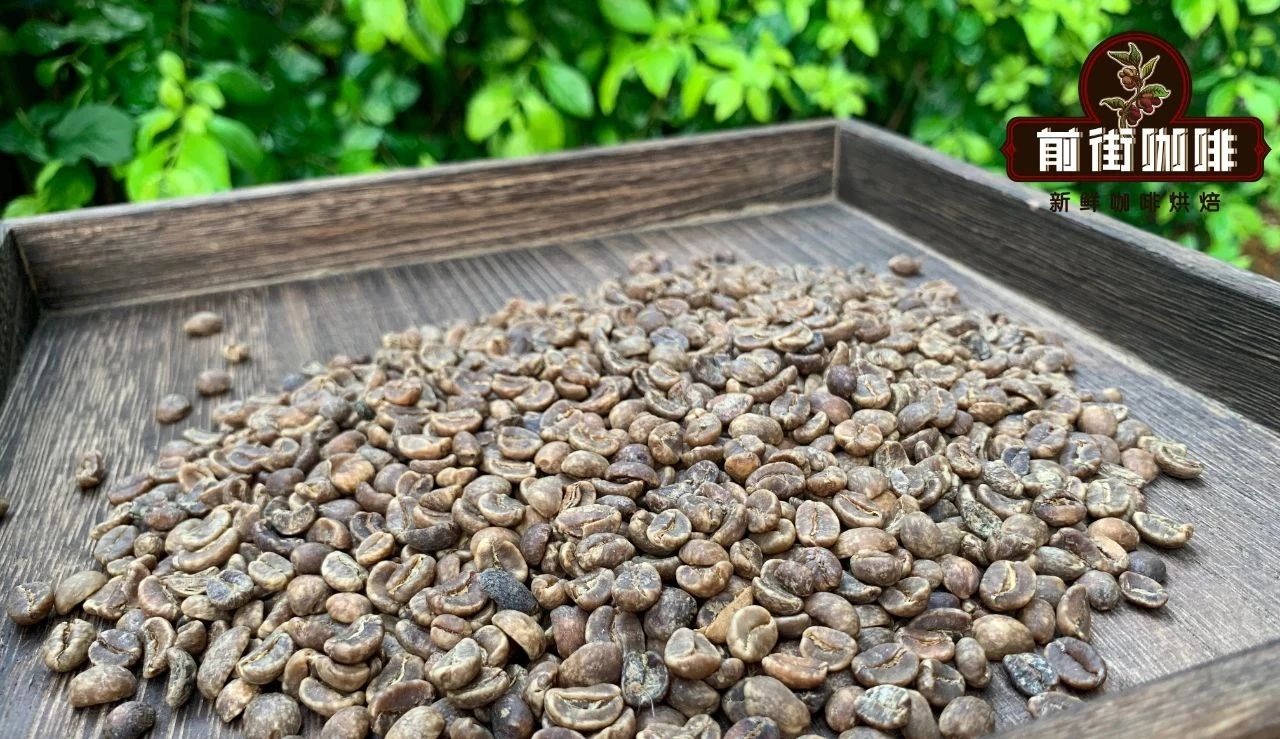
A decaf bean has simply been through one extra process. Set the caffeine aside, and it is fundamentally the same coffee. Yet many people insist decaf tastes noticeably worse than other single origins. FrontStreet Coffee's view: the problem is not the decaffeination process itself - it is the quality of the beans chosen for decaffeination.
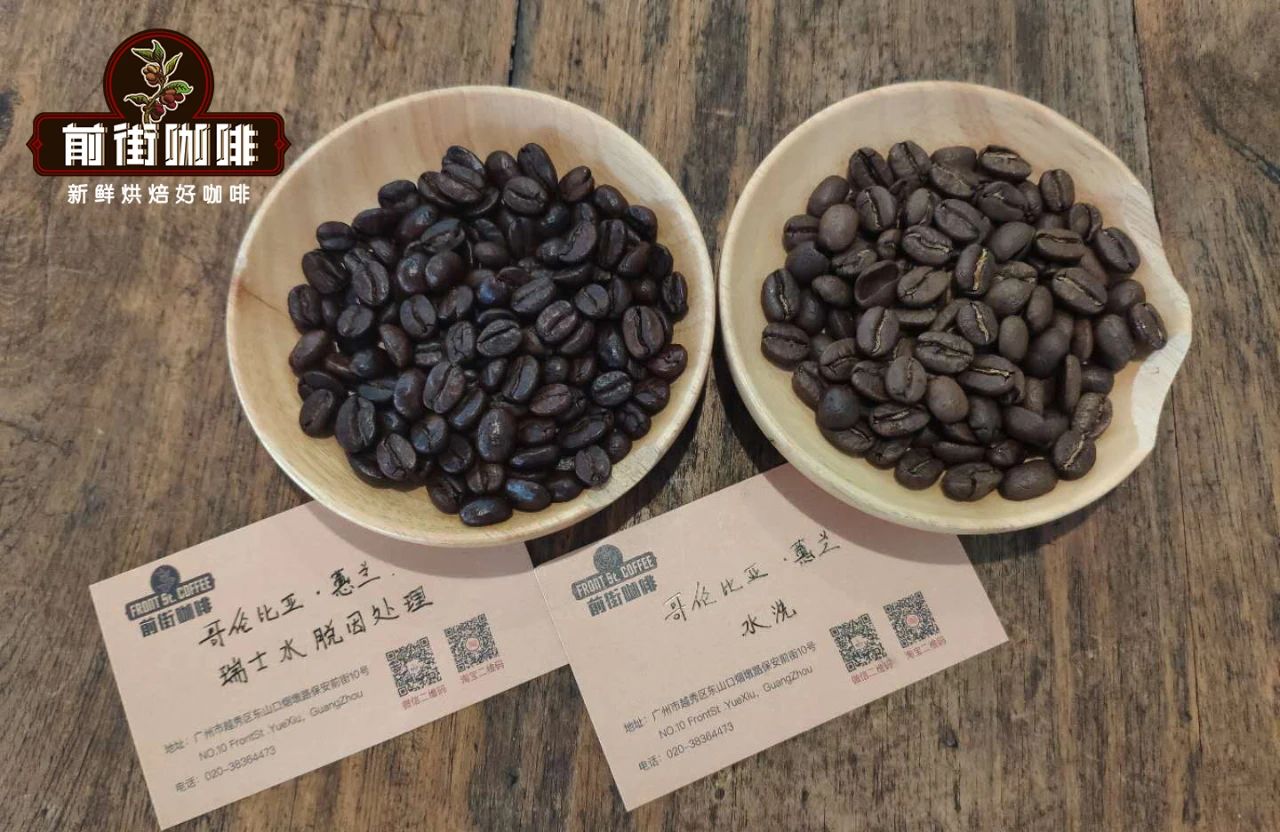
Because the decaf market is still young and the technology is still evolving, decaffeination is expensive. For beans of equal quality, decaf always costs more - so the beans sent for decaffeination are often mediocre in the first place. That is what created decaf's reputation for blandness.
Decaf has real advantages, though. For people who love coffee but cannot have caffeine, it is a genuine blessing. And as the market grows, some processing plants now decaffeinate specialty-grade beans, getting the best of both worlds: full flavor and minimal caffeine.
FrontStreet Coffee Recommendation
Whether your beans are decaffeinated or not, processing shapes the cup - and the washed method is the classic way to highlight a bean's own clarity. Washing soaks the beans in water long enough to drive chemical changes inside them: simple sugars are consumed, organic acids build, and the result is a coffee that keeps its inherent aromatics while gaining bright fruit acidity and a clean, crisp finish.
FrontStreet's washed lineup shows that clarity at its best. The Yirgacheffe Idido (Guodingding) Cooperative is a top-grade Ethiopian G1 with elegant white florals, citrus, orange, and green-tea notes after a medium-light roast - delicious as pour-over, cold brew, or even espresso. The Kenya "Little Tomato" lot takes washing further with double fermentation: repeated washing, soaking, and rinsing push the juiciness to the limit, yielding cherry tomato, dried plum, snow pear, black plum, and yellow sugar in a sweet-tart, juice-like cup.
And for a washed coffee famous for its gentleness - a natural companion piece for anyone who enjoys low-stimulation coffee - FrontStreet's Jamaica Blue Mountain No. 1 is washed specifically because Jamaica's island climate demands it: removing skin, pulp, and mucilage before drying cuts spoilage and produces beans of bright color and very low defect rate, brewing the brand's signature balanced cup of hazelnut, cream, chocolate, and caramel.
Important Notice :
FrontStreet Coffee is a long-established specialty coffee roaster in Guangzhou China, selling freshly roasted beans from its own farm in Yunnan as well as dozens of carefully selected single-origin beans from around the world for both pour-over and espresso. The products deliver consistently excellent quality and great value, with shipping within 24 hours. Guangzhou's FrontStreet Coffee shop is recommended by many coffee lovers, and the beans are now available online at the Tmall 。
FrontStreet Coffee has moved to a new address:
FrontStreet Coffee Address: 315,Donghua East Road,GuangZhou
Tel:020 38364473
 Scan and follow the En Gafei WeChat official account. Please indicate that the reprint comes from "En Gafei".

