Are Wrinkled Coffee Beans Defective? What Causes Oily Surfaces on Coffee Beans?
"Why are coffee beans wrinkled? Are they bad beans?" "The coffee beans are oily — how long have they been sitting?" These are questions many customers ask about coffee beans, and FrontStreet Coffee is here to answer them.
Why Do Coffee Beans Develop Wrinkles?
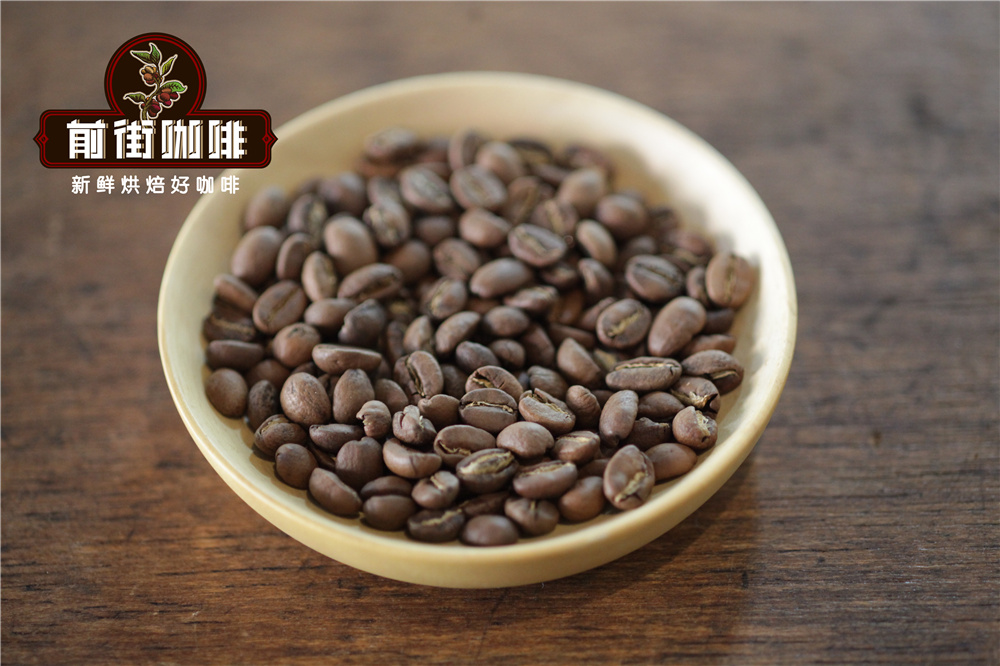
Most people expect coffee beans to have smooth surfaces, so seeing wrinkled textures can be confusing. Wrinkles on coffee beans are actually normal, caused mainly by two factors: the quality of the raw beans and the roasting process.
High-Altitude Coffee Beans Are Prone to Wrinkles
Generally speaking, high-altitude coffee beans are denser. During roasting, heat transfers more slowly to the bean core, so they spend longer in the dehydration phase. As beans absorb heat and dehydrate, they contract, forming texture lines. Because of their high density and tight fiber structure, the beans do not expand enough to smooth these lines out, so they appear wrinkled.
Roasting Also Affects Wrinkle Development
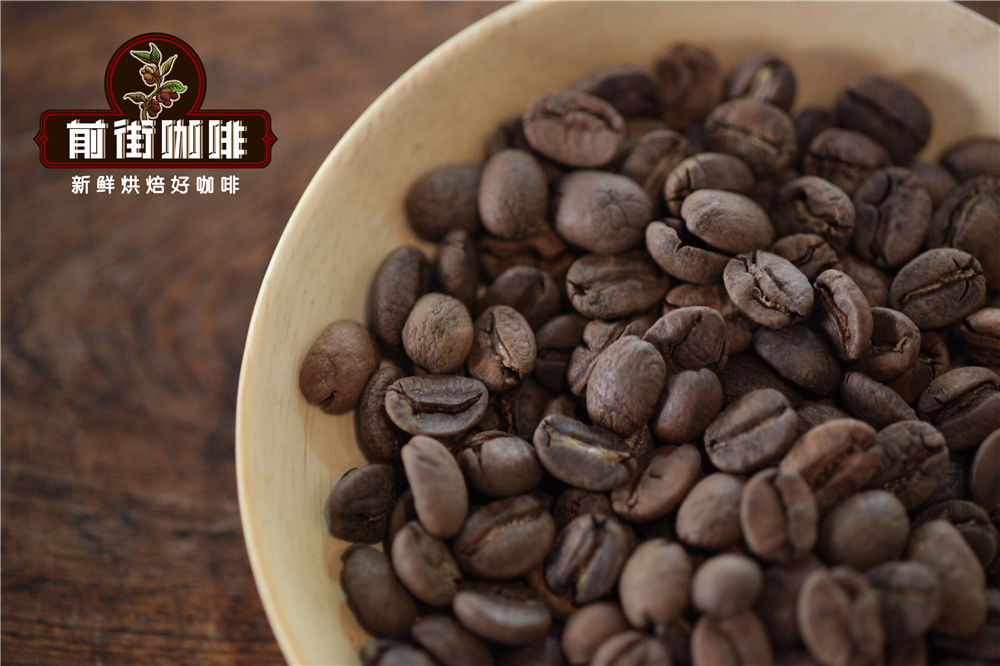
Wrinkled textures typically appear on medium to light roasts, while medium-dark roasted beans have smooth surfaces. Lighter roasts or longer roasting times are more likely to produce clear wrinkle patterns on the bean surface. Conversely, darker roasts or faster roasting with increased heat expand the surface better, sometimes leaving it completely smooth.
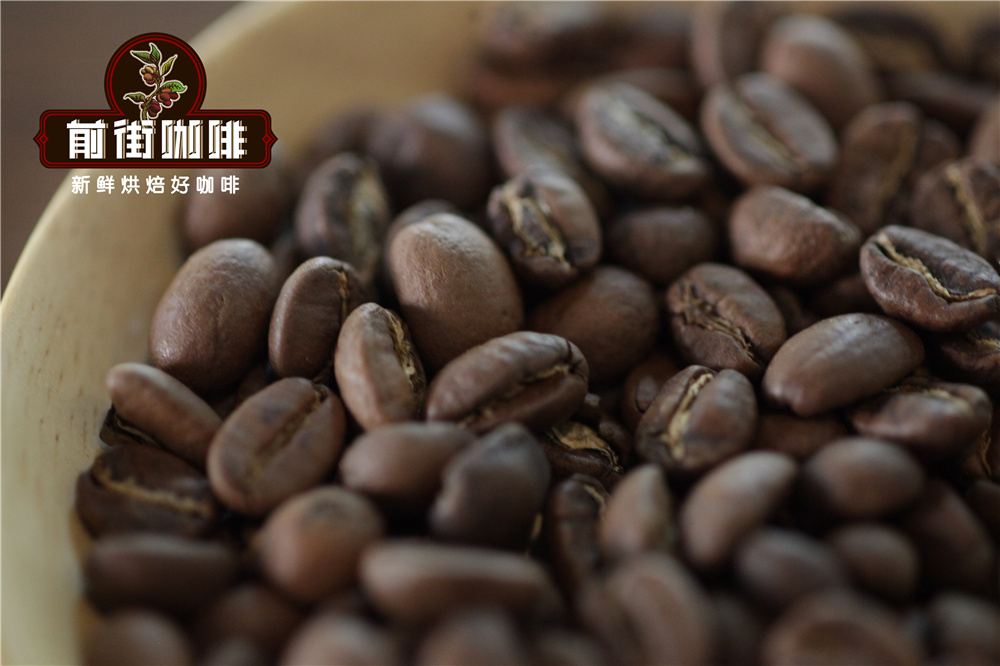
Whether beans have wrinkles, though, does not affect their flavor. Beans with more wrinkles are not defective at all. In fact, some coffee beans that look ugly and heavily wrinkled can produce clean, fresh, and delicious flavors.
Why Do Coffee Beans Become Oily?
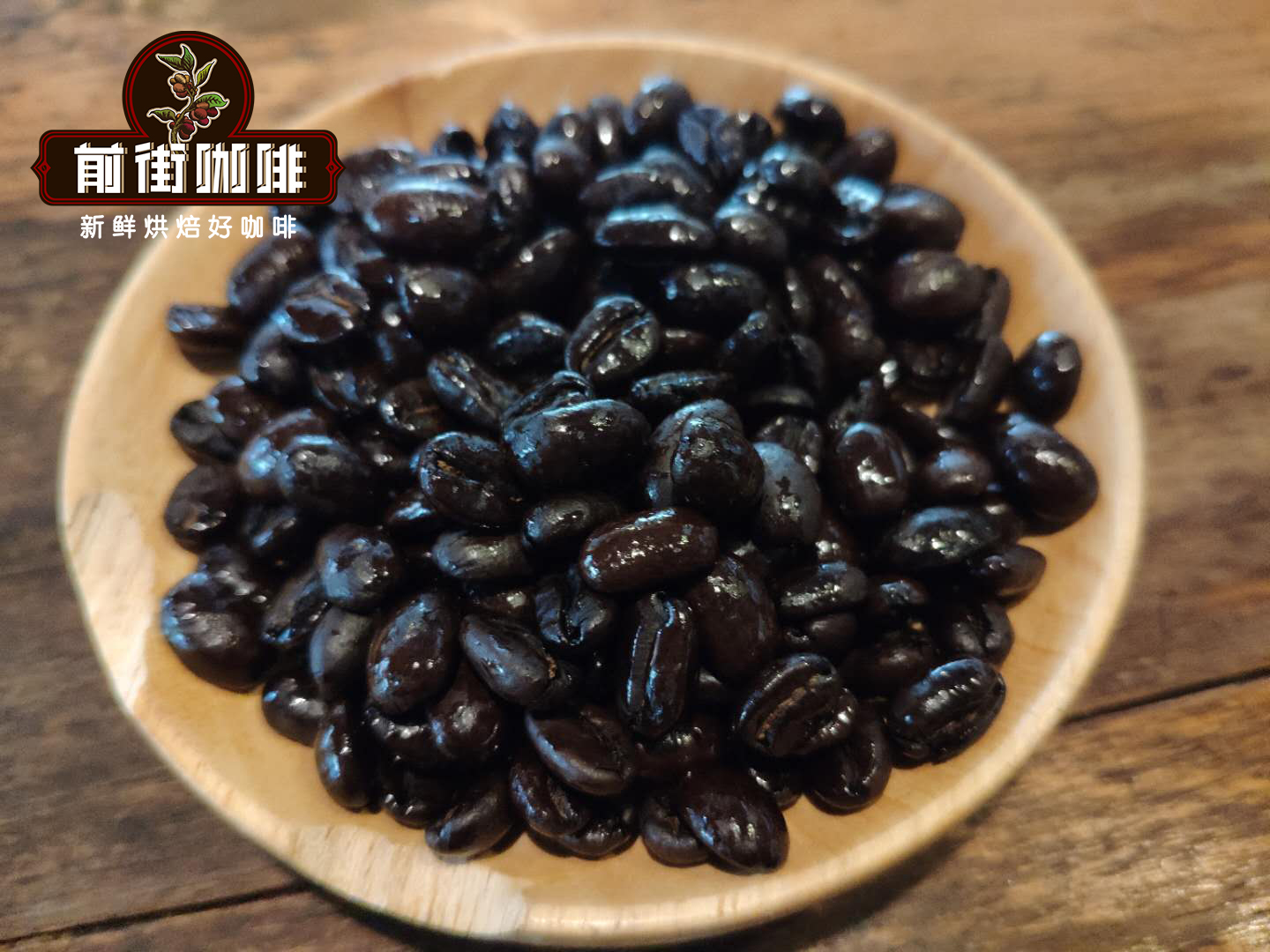
Many people believe oily coffee beans signal stale coffee, but that is a misconception. Visit a Japanese-style coffee shop and you will notice glistening, oily beans stored in jars. The "oil" on the surface of coffee beans is actually the fat from the beans. During roasting, carbon dioxide is produced, which lets the fat seep to the surface and creates the oily appearance.
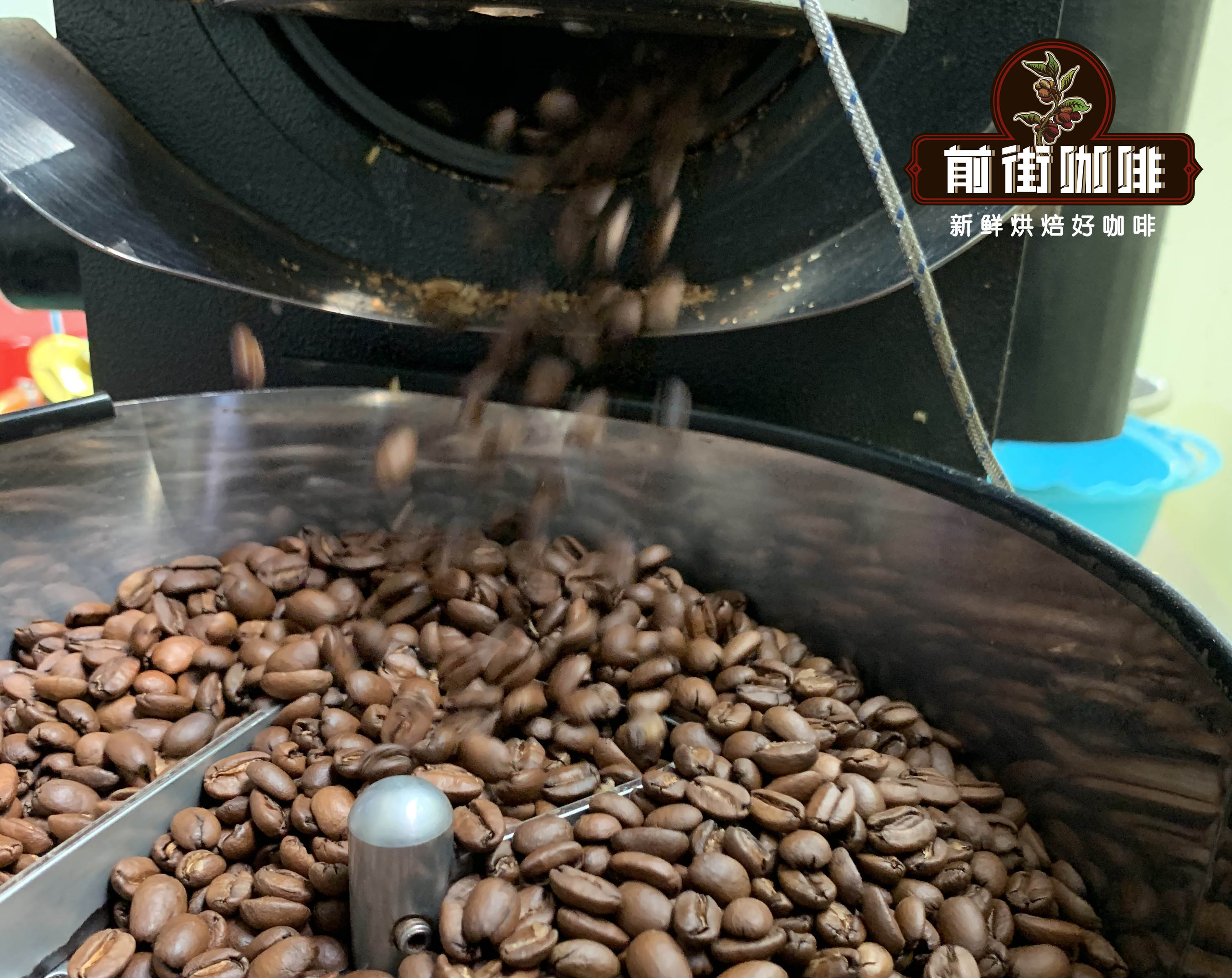
Oily surfaces typically appear on dark roasted coffees. Dark roasted beans show a slight sheen right after roasting, and the surface becomes noticeably oily one to two days out of the roaster, with aromas of caramel, cocoa, and cream. Stale coffee beans, by contrast, show greasy, tar-like, and woody aromas.
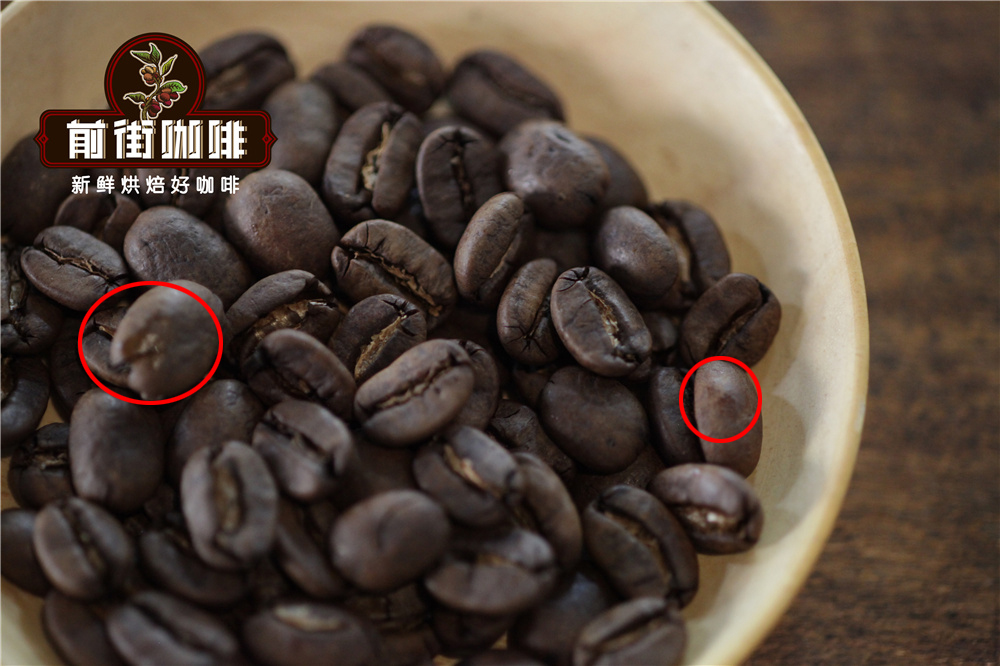
Oils do not only seep out during dark roasting; they also keep appearing after resting for some time, as residual carbon dioxide continues to be released from the beans. This is more common in medium or medium-light roasts. These coffees look dry immediately after roasting, but about a week later, as large amounts of carbon dioxide are released, spot-like oils begin to seep out. Those oil spots actually mark the optimal flavor period of the coffee, debunking the myth that oily coffee beans are not fresh.
The true indicator of stale coffee is when gas emission from the beans is depleted, along with the loss of flavor compounds. In practice, when brewing, the grounds do not expand at all during blooming, the taste is empty, and woody and fibrous flavors appear. Whether coffee beans are oily has no necessary connection to their freshness.
FrontStreet Coffee Recommendation
Three elements decide a coffee's final flavor, and all three must be controlled during roasting: acidity, sweetness, and bitterness. The darker the roast, the more bitter and full-bodied the cup; the lighter the roast, the more acidic and lighter it becomes. So for anyone chasing a balanced cup, medium-roasted beans are the place to start. FrontStreet's Brazil Queen's Farm is a good example: if you dislike both sourness and bitterness, this bean from the world's largest coffee-producing country is a rare Yellow Bourbon variety, clean and sweet, and at a medium roast it shows the aroma and sweetness of creamy peanut, chocolate, toast, and sugarcane. It pours well by hand and also works in a moka pot or an espresso machine.
If you want a sweeter medium roast, FrontStreet's Strawberry Candy — known for its fruit flavors — is the first pick. It is unusual in combining two well-known Central and South American regions: a honey-processed coffee from Costa Rica and a washed Geisha from Panama. To highlight the best of both, FrontStreet roasts it to a medium level, so the cup shows both orange-blossom honey tones and rounded sweetness. It suits cold brew, pour-over, and espresso alike, refreshing on the first sip. For a Chinese specialty representative, FrontStreet's 2013 sun-dried Typica carries the classic Yunnan small-bean character; to preserve its balanced, gentle temperament it is given a medium roast, bringing soft notes of nut, brown sugar, black tea, and dried apricot. It works for pour-over, cold brew, and drip machines, at a very good value.
Finally, FrontStreet's Jamaica Blue Mountain No. 1 is grown from the Typica variety, a world-renowned fine Arabica, and its exceptional geography is essential to the coffee's balance. The "emperor of coffee" is given a medium roast, which folds its distinctive acidity, bitterness, sweetness, and body into a single, strongly alluring elegance: chocolate, roasted nut, cream, and caramel arrive on the first sip — a roast-profile complexity few other coffees can match.
Important Notice :
FrontStreet Coffee is a long-established specialty coffee roaster in Guangzhou China, selling freshly roasted beans from its own farm in Yunnan as well as dozens of carefully selected single-origin beans from around the world for both pour-over and espresso. The products deliver consistently excellent quality and great value, with shipping within 24 hours. Guangzhou's FrontStreet Coffee shop is recommended by many coffee lovers, and the beans are now available online at the Tmall 。
FrontStreet Coffee has moved to a new address:
FrontStreet Coffee Address: 315,Donghua East Road,GuangZhou
Tel:020 38364473
 Scan and follow the En Gafei WeChat official account. Please indicate that the reprint comes from "En Gafei".