Flavor Profile and Characteristics of Colombia Purple Caturra Coffee - Passion Fruit Anaerobic Washed Coffee Beans Introduction
Coffee Information
Origin: Huila, Colombia
Estate: Montblanc Estate
Altitude: 1,900 meters
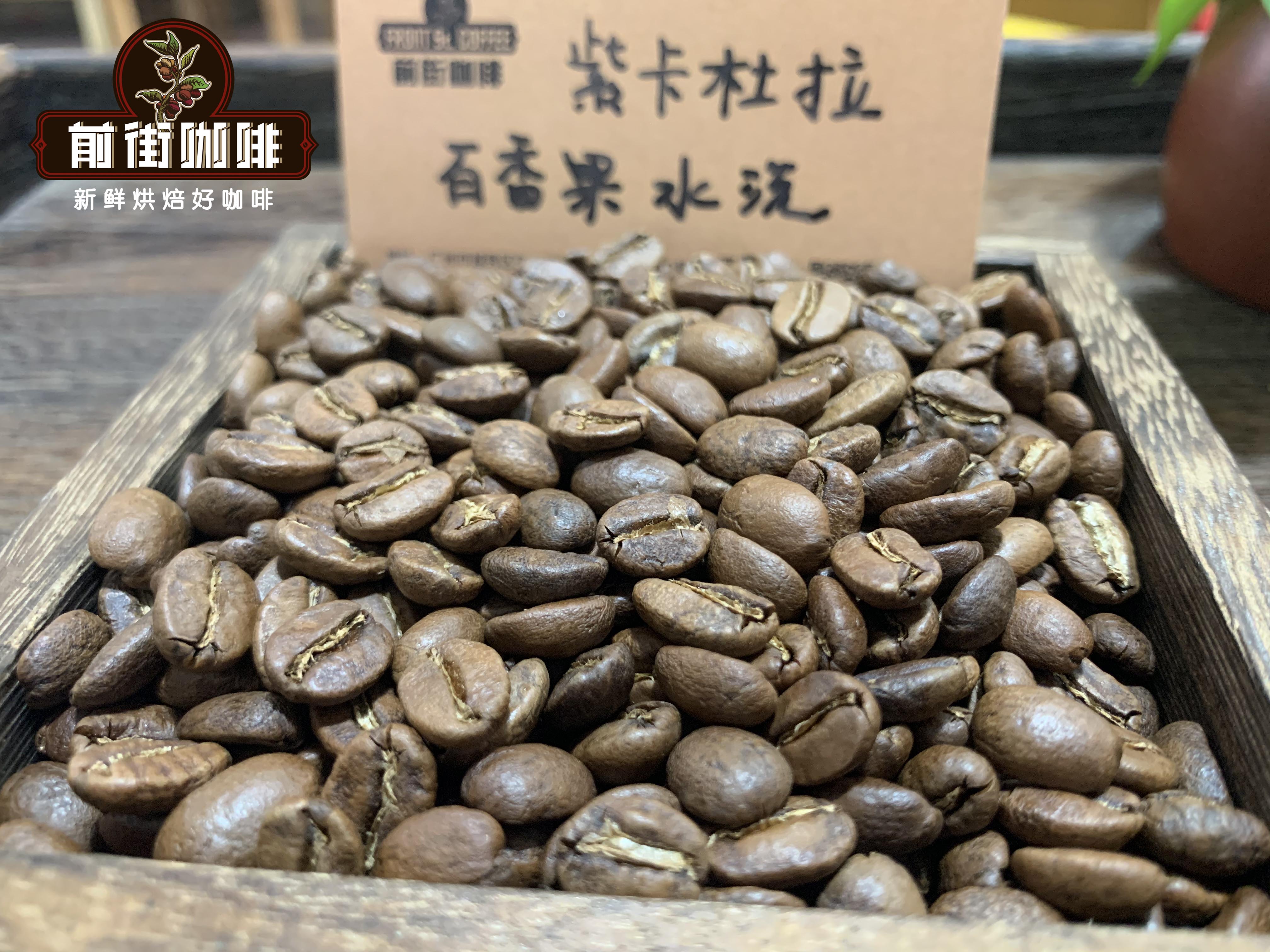
Variety: Purple Caturra
Processing: Passion Fruit Yeast Anaerobic Washed
Grade: Supremo
Harvest: 2021
Region Introduction
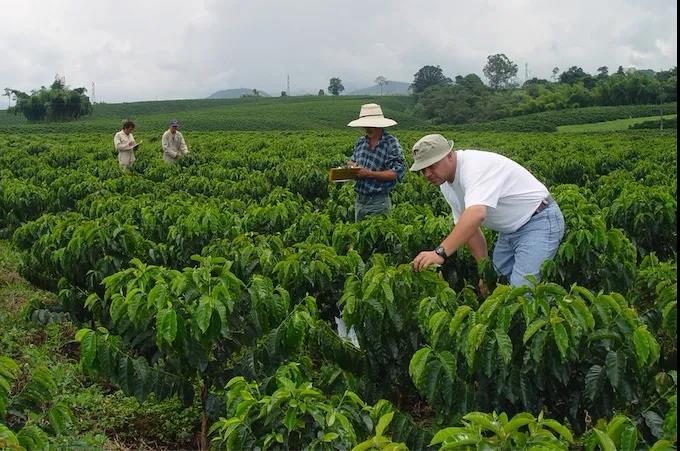
Huila province sits in southern Colombia, where the central and eastern ranges of the Andes meet. Its coffee country is centered on Pitalito and is worked mostly by smallholder farmers. Over the past decade they have collaborated to produce specialty coffee that expresses the region's distinctive terroir; manual harvesting, dedicated processing, and careful post-harvest sorting have all raised the region's profile.
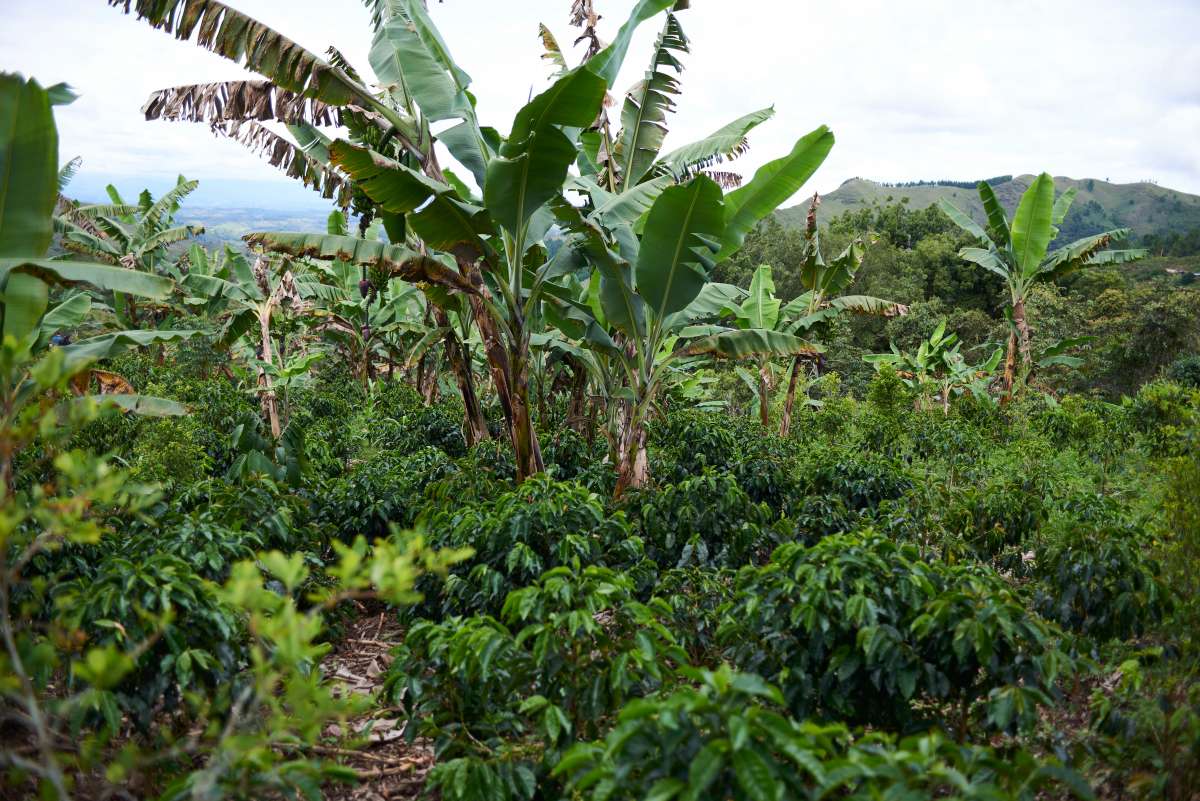
In recent years the Huila Provincial Coffee Committee has kept in close contact with the Colombian National Federation of Coffee Growers, lifting both the cultivation standards and the processing skills of local farmers. With anaerobic processing techniques developing rapidly, Colombian coffee has been pushing in genuinely new directions.
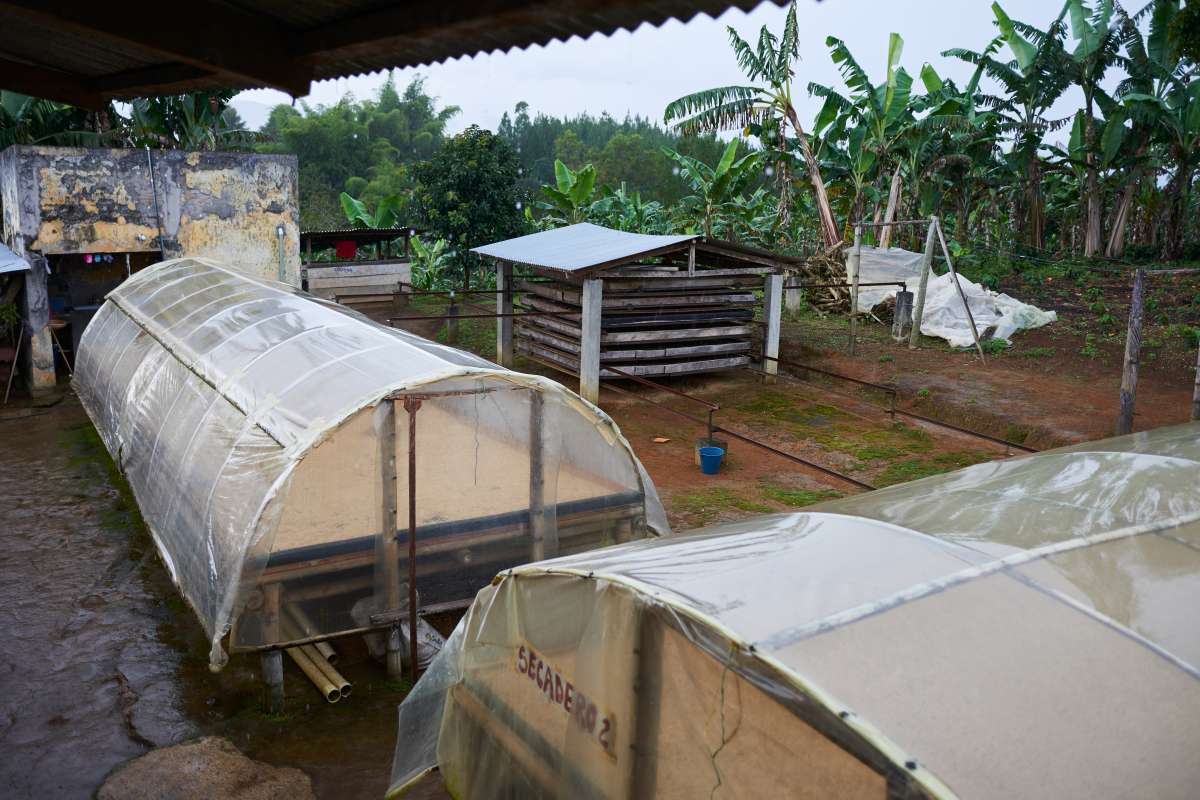
Montblanc Estate
Montblanc Estate lies along the winding mountain roads of Vereda La Tocora in Pitalito, run by owner Rodrigo Sanchez Valencia, whose family's coffee growing goes back to his grandfather's day. Perched on a hilltop, the estate covers roughly 18 hectares and is fully equipped with wet mills and dryers.
In 2002, Rodrigo took part in a local training program that taught cupping skills to the children of coffee producers. Until then, neither he nor his family had ever thought about coffee in terms of flavor. Learning to taste gave Rodrigo, his father, and his grandfather a way to connect the cultivation techniques they used in the field with the attributes that showed up in the cup.
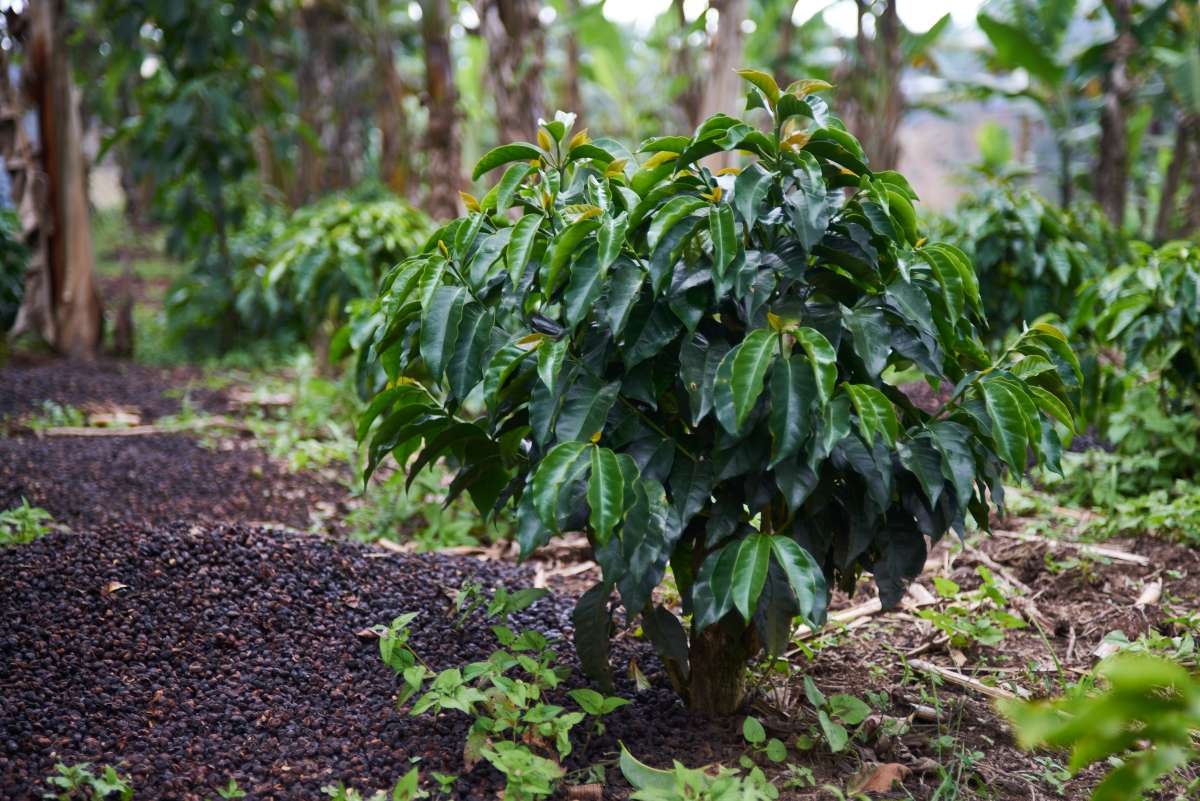
Rodrigo also began entering cupping competitions, and through them he discovered how much quality varied from plot to plot on his own farm. One year the estate won a competition; in later years it failed to place. That inconsistency set him researching how to produce high-quality coffee year after year, and it sent him walking the trees of Montblanc — where he found a range of varieties his grandfather had planted back in the 1980s. It was during this survey that the Purple Caturra trees were first noticed and identified.
Coffee Variety
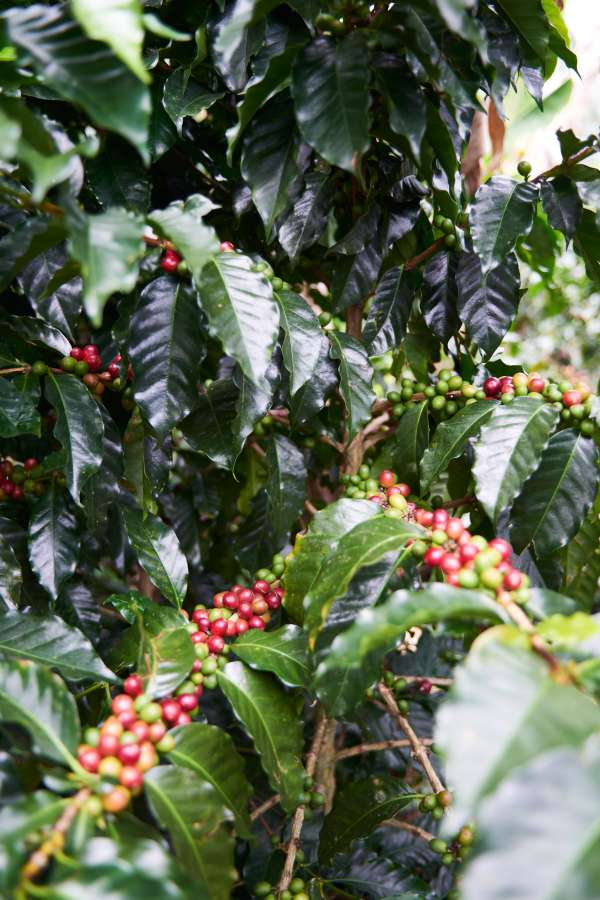
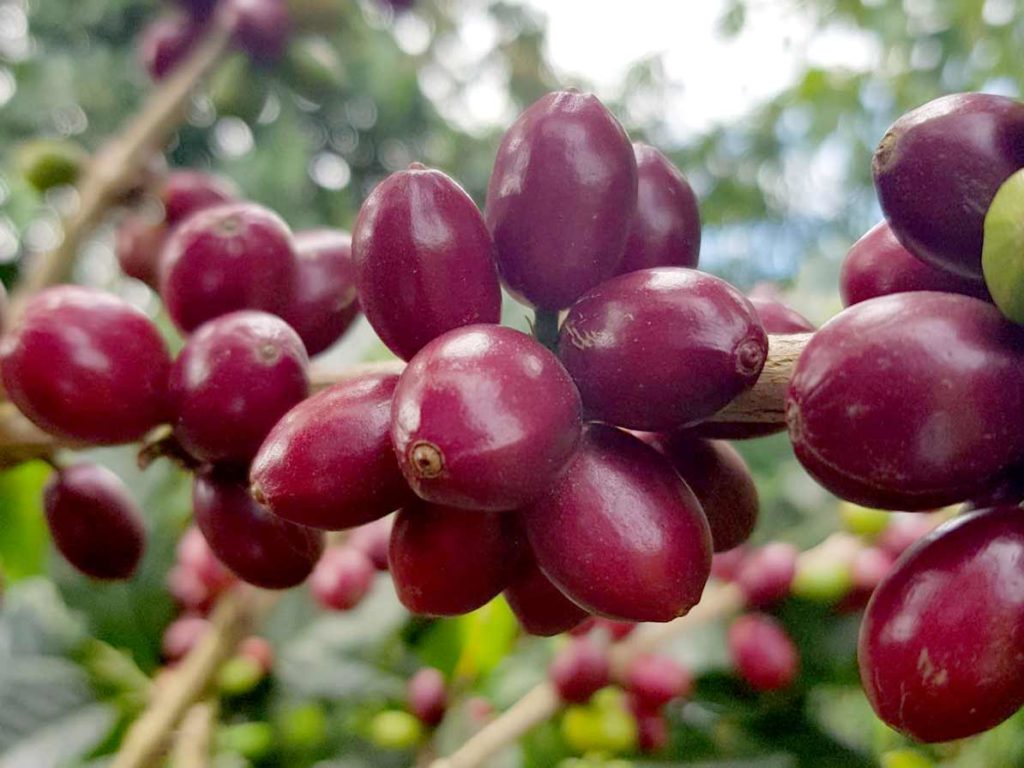
Purple Caturra is a mutation of Caturra — a rare natural offshoot of Red Caturra. Its telltale signs are copper-purple young leaves at the growing tips and cherries that ripen a deep purple. Rodrigo eventually picked out 26 trees with Purple Caturra traits from more than 20,000 trees on the estate. The variety survived Colombia's 2012 coffee leaf rust epidemic, offering unique flavors, strong disease resistance, and relatively high Brix readings.
Coffee Processing Method
Montblanc is famous for its scientific approach to post-harvest processing and its command of rare varieties. Fermentation in particular demands precise control of temperature, humidity, sweetness, sugar content, and oxygen levels to hit the exacting flavor and texture targets.
This lot uses passion fruit yeast anaerobic washed processing. The estate first measures the Brix level of the harvested cherries and chooses the processing route accordingly: coffee reading 24-27 degrees Brix goes to the washed process. The skin and pulp are removed, and the cherries are then fermented together with passion fruit. The high sugar content creates an excellent environment for microbial growth; the cultivated microorganisms are placed with the parchment coffee in sealed containers for anaerobic fermentation.
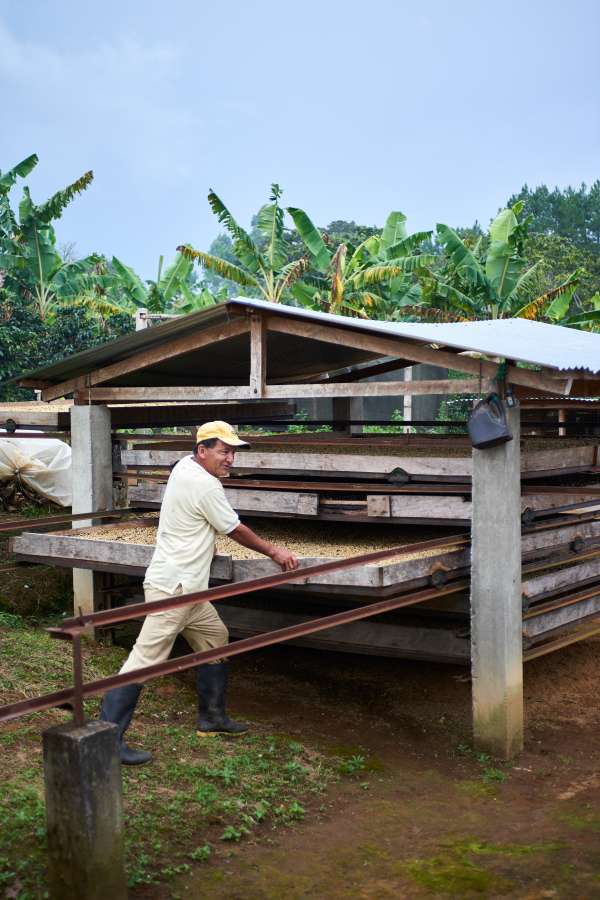
Fermentation is held between 28 and 32 hours, after which the coffee is washed thoroughly in clean water, transferred to solar dryers for several days, and finally moved to shaded raised beds to finish drying.
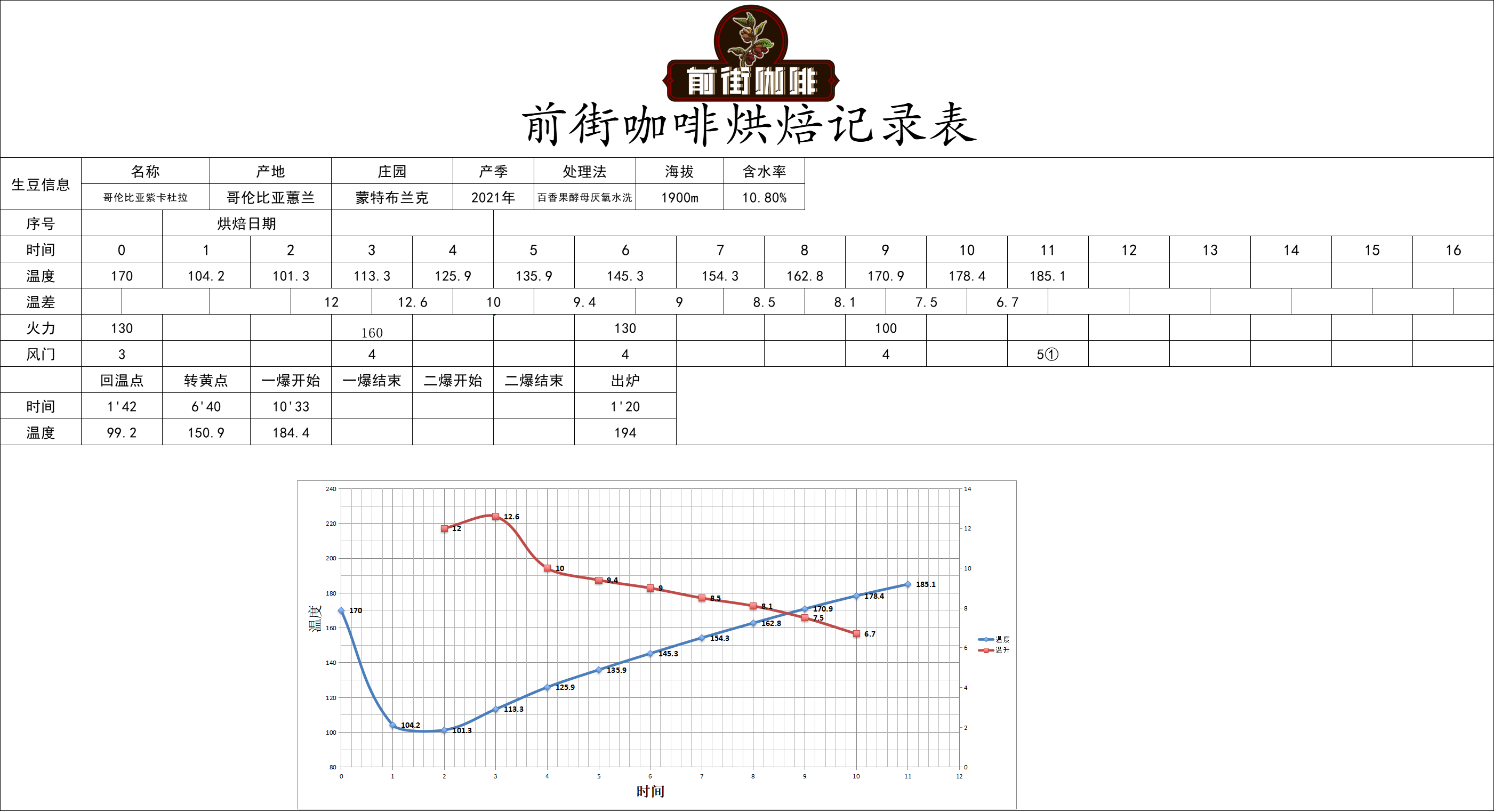
FrontStreet Coffee Roasting Profile
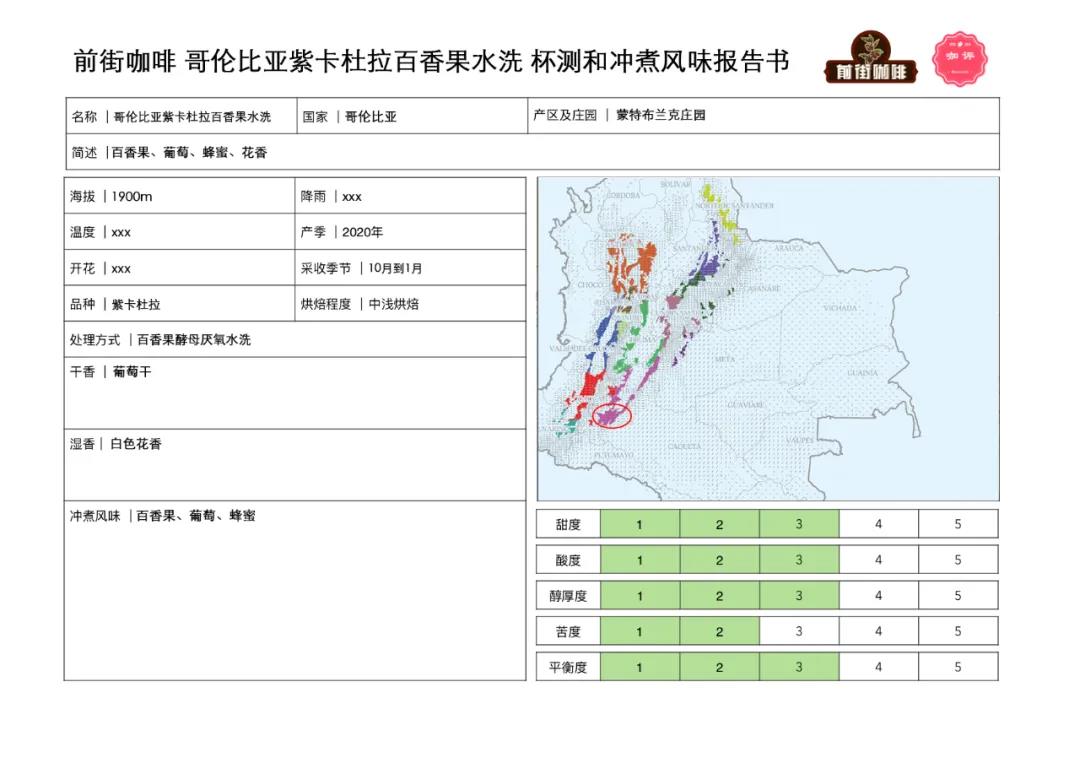
FrontStreet Coffee Cupping Information
FrontStreet Coffee Brewing Recommendations
Dripper: V60 #01
Water Temperature: 90-91°C
Coffee Amount: 15g
Coffee-to-Water Ratio: 1:15
Grind Size: Medium-fine (80% pass-through rate on a China standard #20 sieve)
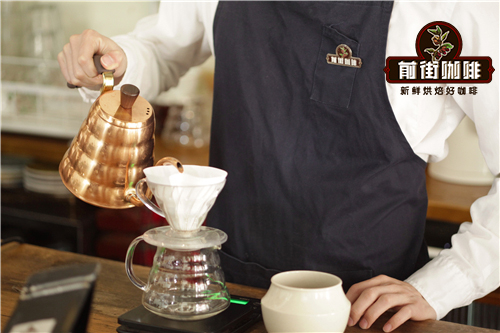
Brewing Method: Three-stage pour. Start with 30g of water and bloom for 30 seconds. Pour in small, circular flows up to 125g, then pause. When the water level drops and the coffee bed is about to be exposed, pour again up to 225g and stop. Once the bed is about to break the surface again, remove the dripper. (Timing from the start of the bloom.) Total extraction time: 2'00".
FrontStreet Coffee Recommendation
If this experimental Huila lot sparks your curiosity, FrontStreet Coffee's washed Huila beans show the classic face of Colombia's most celebrated region: grown on hillside terrain above 1,500 meters where the country's great rivers converge, and roasted medium-dark to bring out black chocolate, nutty sweetness, moderate crema, and a full body — equally at home in a pour-over, French press, moka pot, or espresso machine.
Craving more of the anaerobic trend? FrontStreet's Sidra from La Línea (Dividing Line) Estate is an anaerobic natural, medium-light roasted, bursting with passion fruit, grape, apricot, and dried-fruit aromatics — wonderful as pour-over, cold brew, drip bags, or moka pot. And for espresso drinkers, the FrontStreet Premium Blend marries Brazil's creamy nuttiness with Colombia's dark chocolate bittersweetness, pulling a fine golden crema that makes it a latte favorite and a forgiving choice for beginners.
Important Notice :
FrontStreet Coffee is a long-established specialty coffee roaster in Guangzhou China, selling freshly roasted beans from its own farm in Yunnan as well as dozens of carefully selected single-origin beans from around the world for both pour-over and espresso. The products deliver consistently excellent quality and great value, with shipping within 24 hours. Guangzhou's FrontStreet Coffee shop is recommended by many coffee lovers, and the beans are now available online at the Tmall 。
FrontStreet Coffee has moved to a new address:
FrontStreet Coffee Address: 315,Donghua East Road,GuangZhou
Tel:020 38364473
 Scan and follow the En Gafei WeChat official account. Please indicate that the reprint comes from "En Gafei".