Wet-Hulled Mandheling Coffee Bean Flavor Profile and Processing Method Differences
Introduction
Anyone who has tasted Mandheling coffee will be amazed by its herbal aroma. Most Mandheling is roasted relatively dark, which reduces the acidity and creates a richer, more caramelized flavor with herbal, spicy, and pine notes. FrontStreet Coffee believes that Mandheling's distinctive taste comes primarily from the wet-hulling method used by local processors.
What Makes Wet-Hulling Special?
The name itself gives a clue: "wet-hulling" means removing a certain layer from the coffee beans before they are fully dried. That layer is the parchment, also known as the endocarp. Other processing methods typically remove the parchment just before export, but the special feature of wet-hulling is that the parchment is removed during the processing stage itself.
Why Does Indonesia Use Wet-Hulling?
Indonesia has year-round high temperatures and humidity, with insufficient sunlight for extended periods. Humidity typically ranges between 70-90%, making pure sun-drying clearly impractical. For the weather-volatile island of Sumatra, even the washed method makes it difficult to secure a week of sunny weather for drying. The wet-hulling method therefore emerged as a solution. After following the initial washed processing steps, the parchment-covered beans are exposed to intense sunlight for 1-2 days until the moisture content reaches 30-50%. The parchment is then removed for sun-drying, which accelerates the process and significantly shortens drying time.
The Wet-Hulling Process
① After the fresh coffee cherries are harvested, they undergo flotation sorting. Lower-density cherries float on the surface and are considered inferior.
② The outer skin and pulp of the cherries are removed, and the beans are placed in clean water tanks to ferment for 12-36 hours, depending on conditions. The goal is to decompose and remove the mucilage layer attached to the beans. Up to this point the process follows standard washed methods.
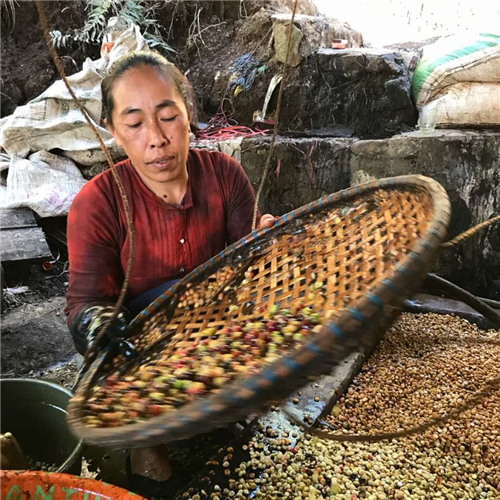
③ The parchment-covered beans are exposed to intense sunlight for 1-2 days. If two consecutive days are sunny, the moisture content will be between 30-50%. At this stage the beans are in a semi-soft, semi-hard state.
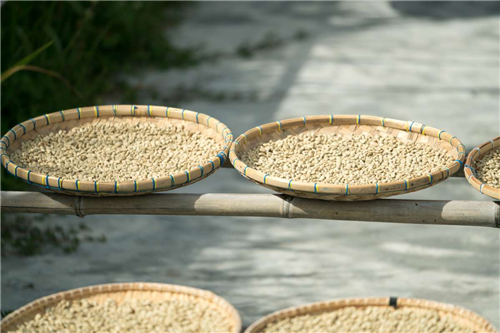
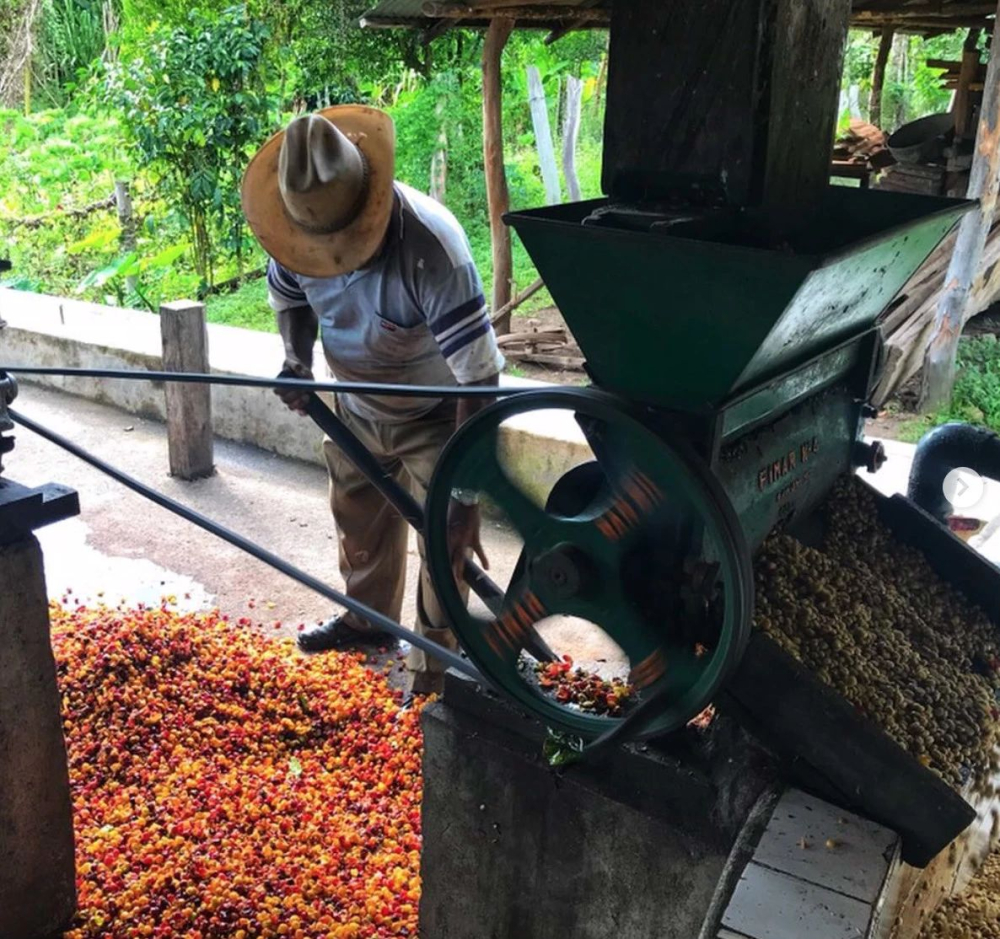
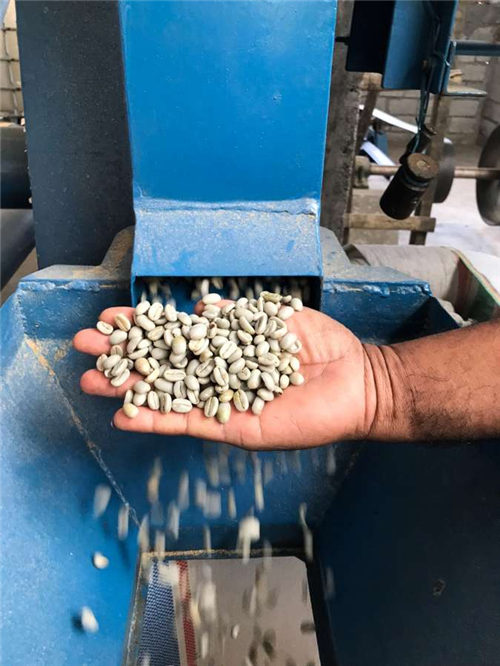
④ A hulling machine is then used to remove the parchment. With about two more days of intense sun, the moisture content can reach 12%. This method significantly reduces processing time, and for Indonesia's unpredictable weather, wet-hulling ensures the coffee is processed more reliably.
The Taste of Mandheling
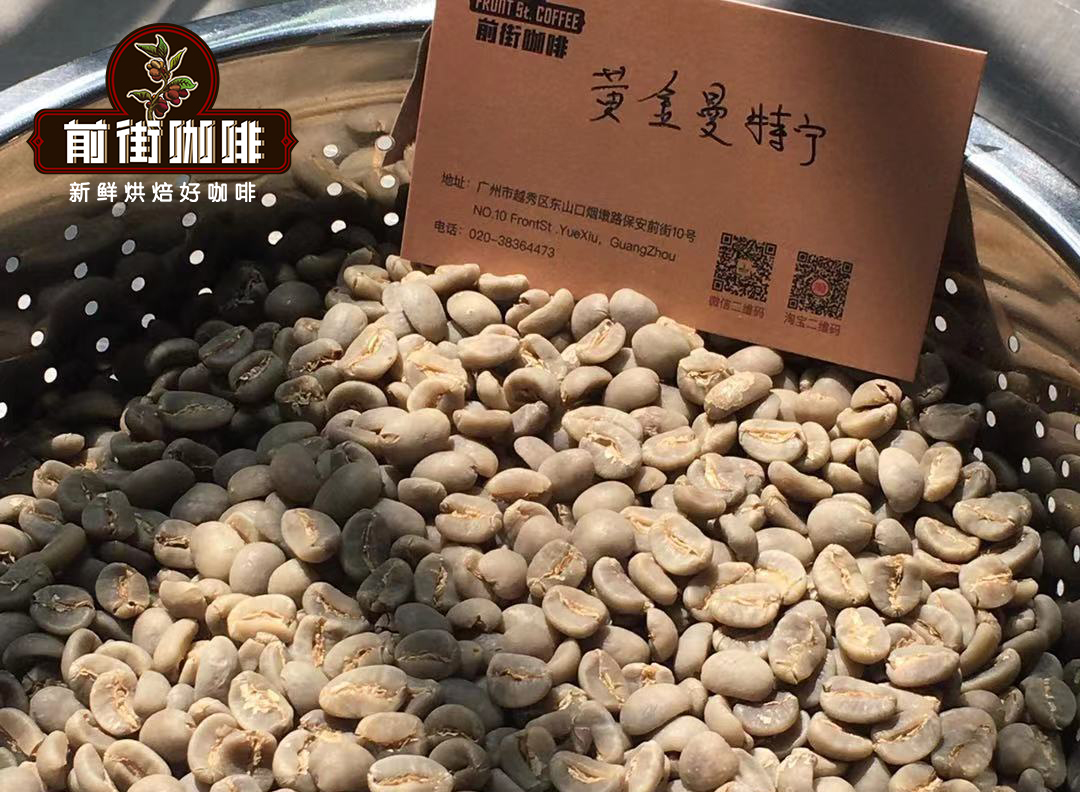
Mandheling is easy to recognize in both flavor and bean appearance. Because wet-hulling removes the parchment while the beans are still semi-soft and semi-hard, the intense sun-drying makes them crack easily and form a "hoof" shape. These are known as "hoof beans" and are not considered defective. In addition, because wet-hulling significantly shortens drying time, the acidity of the coffee is greatly reduced while the body is notably enhanced, with prominent caramel aromas and subtle herbal freshness.
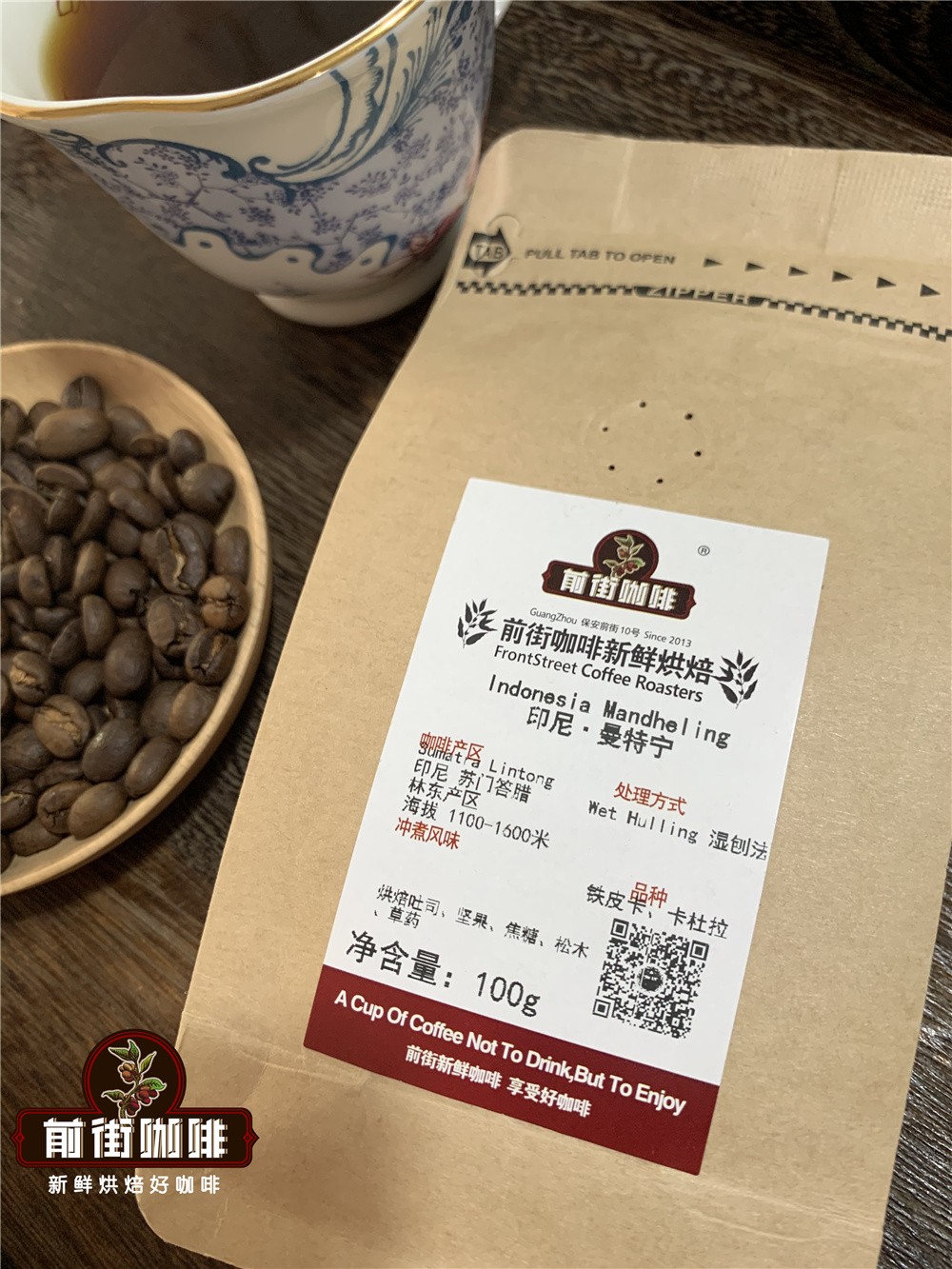
Although wet-hulling does create Mandheling's unique herbal and woody aromas, it also results in a higher defect rate in green beans, and dark roasting perfectly masks that flaw. Mandheling's fame, moreover, originated with the Japanese, who discovered it early and preferred Japanese-style dark roasting based on their taste preferences, which is why most Mandheling coffee is roasted so dark. FrontStreet Coffee wants everyone to experience the classic Mandheling flavor, so the two Mandheling varieties it regularly sells both use medium-dark roasting: the Lintong region Mandheling daily bean and the Aceh region PWN Golden Mandheling.
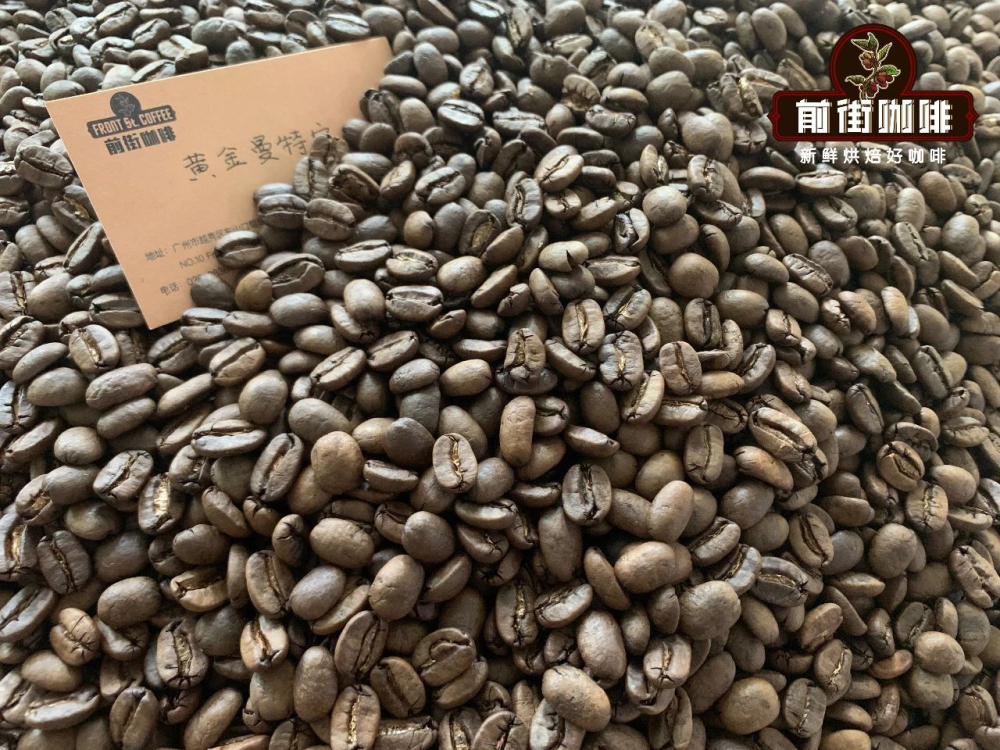
Indonesian green bean grading is primarily based on the number of defective beans, with size as a secondary factor. General quality requirements include no live insects, no moldy or rotten beans, a maximum moisture content of 12.5%, and an impurity rate below 0.5%. Based on defect rate, beans are classified into six grades, with the highest grade, G1, requiring fewer than 11 defective beans in a 300 g sample. The Lintong Mandheling in FrontStreet Coffee's daily bean series is G1 grade, processed with the wet-hulling method, and represents the conventional Indonesian Mandheling flavor profile.
PWN, a company that goes to extremes in selection, buys Mandheling green beans of 18 screen size or larger. With fewer than 3 defective beans in a 300 g sample, these beans achieve G1 grade, the highest for Indonesian green beans. They then undergo strict standards that include one machine selection plus three manual defect selections to ensure uniform shape and size. Before packaging, PWN also runs the green beans through machines for density-based color sorting, ensuring Golden Mandheling beans have uniform, bright coloration.
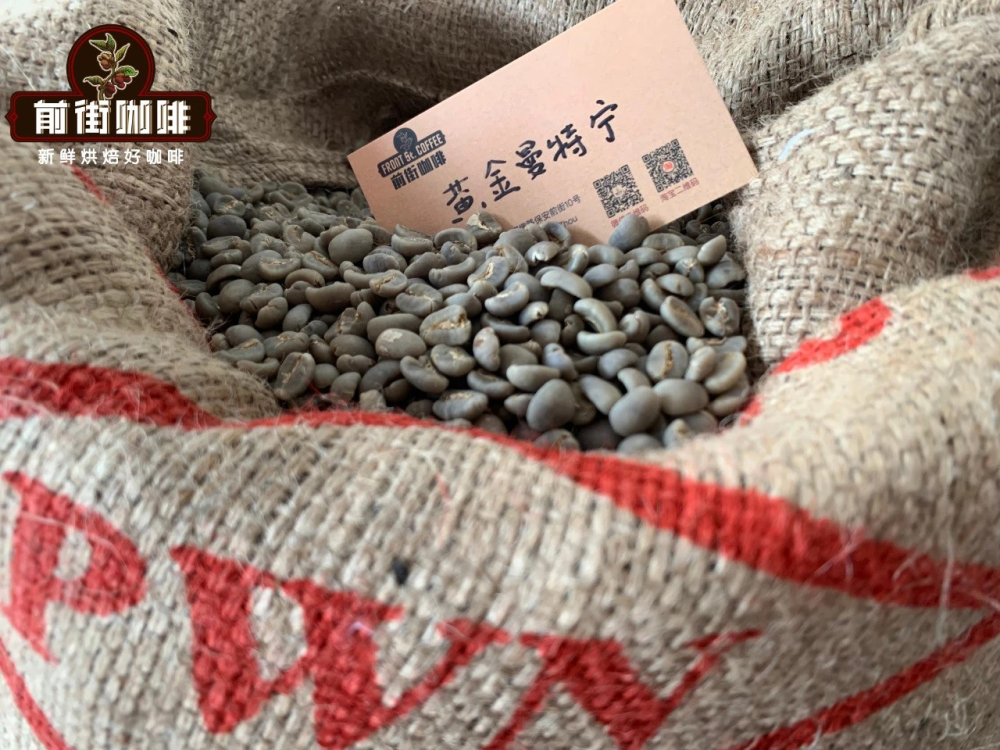
For coffees with a rich body and distinct regional character like Golden Mandheling, FrontStreet Coffee recommends extraction and tasting as pour-over black coffee to better appreciate the aroma. The beans FrontStreet Coffee ships are freshly roasted within 5 days, arriving at optimal freshness and adding more flavor layers to the cup.
FrontStreet Coffee Recommendation
If wet-hulling is what draws you to Mandheling, FrontStreet Coffee's PWN Golden Mandheling is the finest expression of it. FrontStreet sources the beans from PWN, which buys Mandheling green beans of 18 screen and larger with fewer than three defective beans in a 300 g sample, meeting G1, the highest grade for Indonesian green beans, then applies one machine selection plus three manual selections and a density-based color sort before packing. The medium-dark roast keeps the cup clean and sweet while preserving Mandheling's signature caramel, spice, and herbal notes.
For an everyday cup, FrontStreet's Lintong Mandheling daily bean is also G1 grade and wet-hulled, showing the conventional Indonesian Mandheling profile of deep chocolate, caramel sweetness, and a faintly savory, woody edge. Both lots are roasted medium-dark, so they are ideal for anyone who dislikes acidity and prefers a thick, full body.
Because these coffees carry so much body, FrontStreet recommends a pour-over to open them up: water at 87-88°C, 15 g of coffee, a 1:15 ratio, and a coarse-sugar grind. Pour in three stages, beginning with a 30 ml bloom, then 100 ml, and finally a gentle 95 ml down the center, which highlights the thick, syrupy mouthfeel along with its caramel sweetness and notes of chocolate and nuts.
Important Notice :
FrontStreet Coffee is a long-established specialty coffee roaster in Guangzhou China, selling freshly roasted beans from its own farm in Yunnan as well as dozens of carefully selected single-origin beans from around the world for both pour-over and espresso. The products deliver consistently excellent quality and great value, with shipping within 24 hours. Guangzhou's FrontStreet Coffee shop is recommended by many coffee lovers, and the beans are now available online at the Tmall 。
FrontStreet Coffee has moved to a new address:
FrontStreet Coffee Address: 315,Donghua East Road,GuangZhou
Tel:020 38364473
 Scan and follow the En Gafei WeChat official account. Please indicate that the reprint comes from "En Gafei".