Arabica Coffee Bean Supply Shortage - Arabica Coffee Bean Futures Prices Continue Rising
Arabica Supply Shortage Sends Prices Climbing
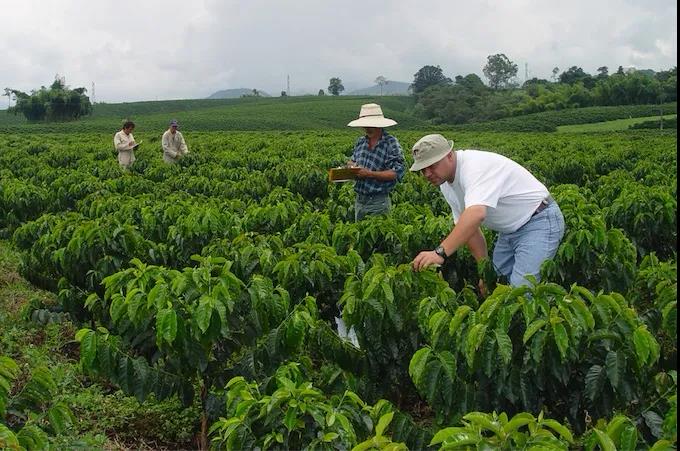
According to Bloomberg, signs point to a worsening supply shortage of Arabica coffee beans through 2021, and Arabica futures prices are already soaring.
Citigroup analysts said that with production forecasts for Brazilian Arabica falling, Marex Spectron has raised its estimate for the global Arabica deficit from 8 million bags to 10.7 million bags. Frost is also a risk during Brazil's July-August harvest season, which could destroy more Arabica beans on top of that. Coffee traders including Volcafe and Marex Spectron expect global Arabica supply to face an even more severe shortage by October 2021. Analysts believe Arabica will face a serious deficit threat in the coming marketing year.
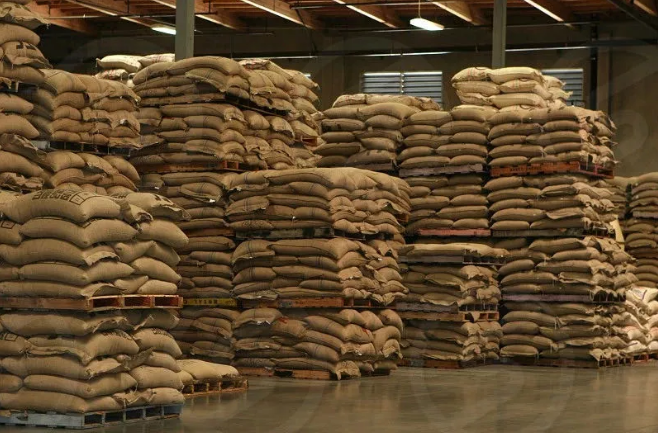
The squeeze arrives just as COVID-19 vaccines roll out and economies reopen, a moment when every part of the coffee supply chain is under strain. According to industry association estimates, every 1% increase in global economic growth adds 1 million bags of demand, with each bag weighing 60 kg. The International Monetary Fund said on Tuesday that the global economy is expected to grow by 6% this year, the largest increase in 40 years.

In New York, May Arabica coffee futures rose 4.1% to $1.2715 per pound, the largest gain since February 22. That also made it the biggest mover among crude oil, cotton, sugar and cocoa on the Bloomberg Commodity Index.
The previous month, Arabica prices had fallen 10% on concerns about the pace of global economic recovery. Citigroup analysts said agricultural commodity prices look likely to perform well through 2022 starting from April, and that this rebound marks a turning point for the coffee market.
Why Brazil's Crop Moves the Whole Market
The arithmetic behind a deficit of this size is straightforward. Brazil grows roughly a third of the world's coffee and supplies the great majority of the Arabica traded internationally, so a shortfall there cannot be covered by other origins at short notice. Coffee trees take years to reach full production, which means supply cannot respond to a price signal within a single season. When a production forecast drops, buyers who need to secure physical beans bid against one another, futures move first and the physical market follows. Adding frost to a drought-stressed crop makes the picture worse, because frost does not merely reduce the harvest on the tree; it can damage the trees themselves and cut production for more than one season.
What a Reopening Economy Adds to the Equation
Demand is the other half of the story. A 6% expansion in the global economy, the fastest in 40 years, translates into a very large increase in out-of-home coffee consumption, and every 1% of growth adds about 1 million 60 kg bags of demand. Reopening cafes, offices and travel networks all draw on the same physical supply, and that demand arrives at the same time as a shrinking crop in the largest producing country. It is the collision of the two that pushed May futures up 4.1% to $1.2715 per pound in a single session, the largest jump since February 22, and made coffee the strongest performer on the Bloomberg Commodity Index that day.
What It Means for the Cup
For anyone buying coffee rather than trading it, the practical effect is slower and quieter. Roasters who blend across several origins can absorb part of a rise by adjusting proportions, which is one reason a well-built blend tends to hold its price and its flavor better than a single origin during a tight market. Single-origin coffees from a specific washed lot have no such flexibility: if the crop is short and the coffee is in demand, the price simply moves. That is the main argument for keeping an affordable, dependable origin on the shelf alongside the special lots, and it is why Brazilian coffee, which is both the world's largest crop and a workhorse of espresso recipes, remains the anchor for most blends even in a year when its price is under pressure.
FrontStreet Coffee Recommendation
A tight Arabica market makes the case for Brazilian coffee in a different light. It is the world's largest producer, it is the base of most espresso recipes, and its combination of low acidity, balanced structure and accessible price is exactly what keeps a cup affordable when the market moves. FrontStreet Coffee Brazil Cerrado is the classic example: a red bourbon from the well-known Cerrado region, roasted medium, it delivers cream peanut, toasted bread, caramel and hazelnut over a round body with almost no acidity and a light bitter edge. It works as a pour-over, in a moka pot, as a single-origin espresso, in a siphon or in a French press, which makes it a bean worth keeping on hand in any season.
Brazil Queen Estate offers a different expression of the same country. Grown in Mogiana, where fertile red volcanic soil feeds the fruit, it is a rare yellow bourbon, a natural mutation of red bourbon that tends to give a cleaner fruit character, and it brings a sugarcane sweetness that no other origin quite matches, along with fruit and chocolate, whether brewed as a pour-over, in a moka pot or on a home espresso machine. The same Brazilian base also holds the espresso recipes together. Classic Blend leans on it for crema and a traditional, mellow body; Premium Blend takes a large proportion of Brazilian beans for a comfortable bittersweet balance with cream and peanut, layered over Colombia's nut, chocolate and caramel; Black Cocoa Blend pairs it with Yunnan small-grain for chocolate, citrus and brown sugar; and Commercial Blend keeps the chocolate and cream aroma while holding cost per cup down for cafes. When supply is short and prices are volatile, that is precisely the kind of coffee a roaster wants in the blend, and precisely the kind a drinker can rely on.
Important Notice :
FrontStreet Coffee is a long-established specialty coffee roaster in Guangzhou China, selling freshly roasted beans from its own farm in Yunnan as well as dozens of carefully selected single-origin beans from around the world for both pour-over and espresso. The products deliver consistently excellent quality and great value, with shipping within 24 hours. Guangzhou's FrontStreet Coffee shop is recommended by many coffee lovers, and the beans are now available online at the Tmall 。
FrontStreet Coffee has moved to a new address:
FrontStreet Coffee Address: 315,Donghua East Road,GuangZhou
Tel:020 38364473
 Scan and follow the En Gafei WeChat official account. Please indicate that the reprint comes from "En Gafei".