Will Global Warming-Induced Temperature Rise Affect the Production and Quality of Colombian Coffee Beans?
Climate Change Challenges for Colombian Coffee Production
With global warming, Colombia — the world's third-largest coffee producer — will face challenges from climate change. Research from the University of Illinois indicates that "low-altitude areas" of Colombia may become unsuitable for coffee cultivation.
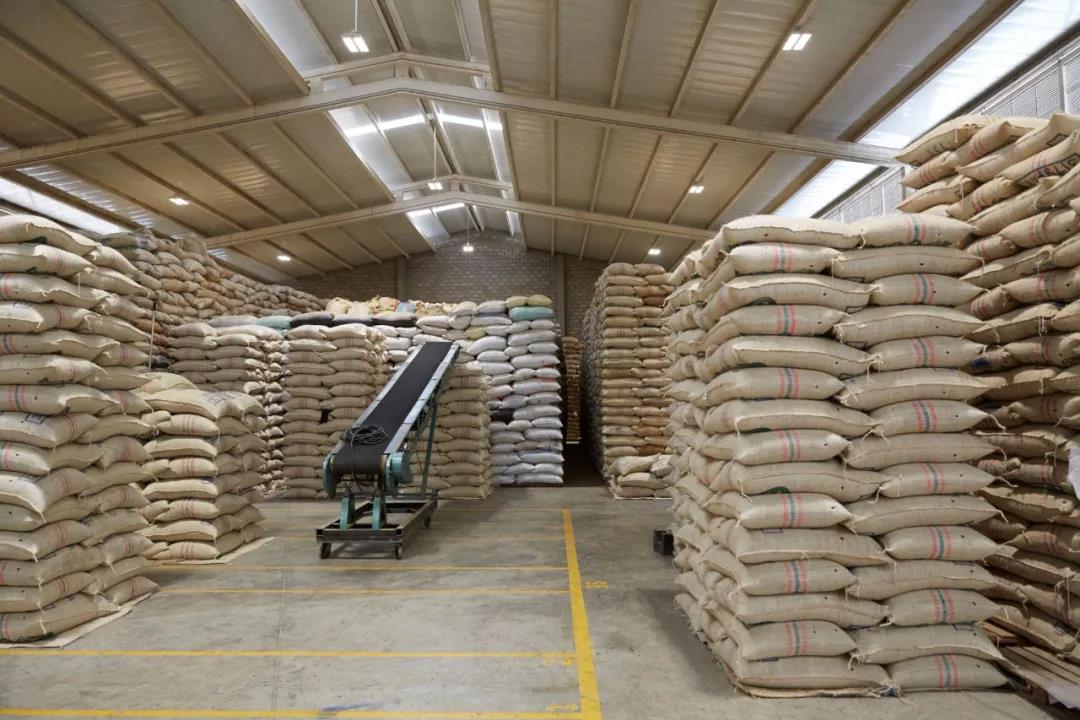
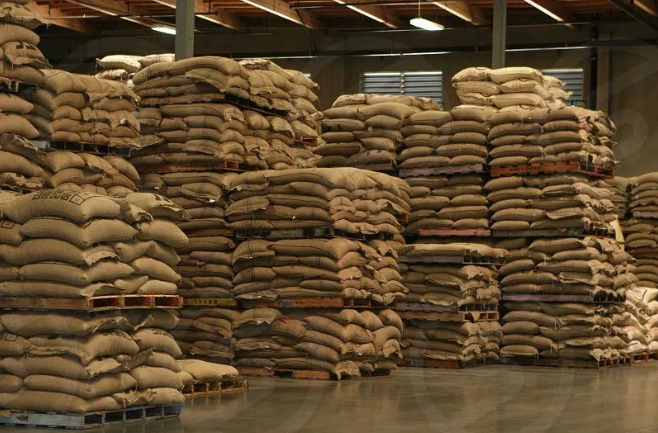
Coffee is widely cultivated across Colombia, with 550,000 families relying directly on coffee production for their livelihoods, and many more depending on it indirectly. As climate change pushes temperatures ever higher, coffee growers worry about Colombia's coffee production over the coming decades.
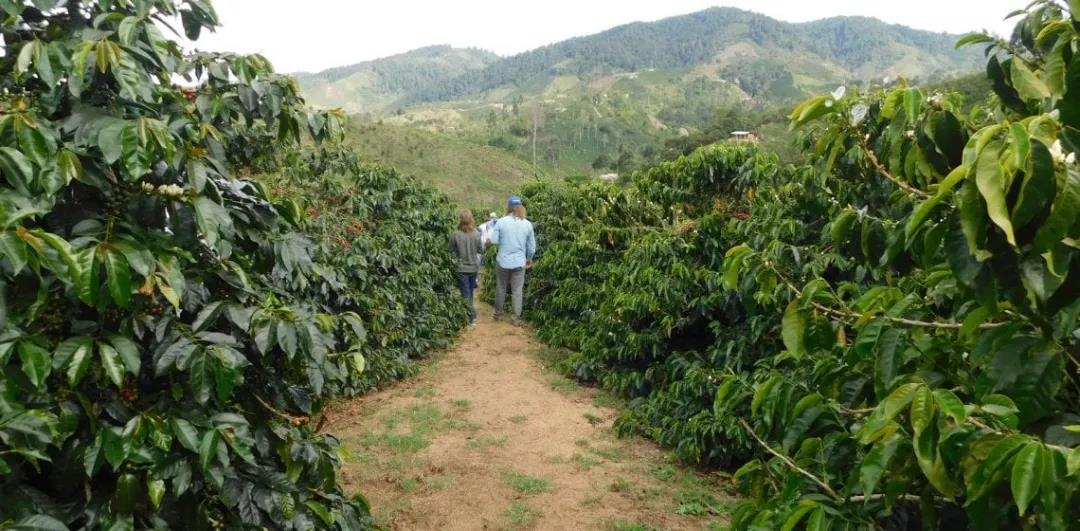
Coffee trees are extremely sensitive to temperature change. Research estimates that if temperatures rise by 2°C, coffee production losses in Mexico and Brazil could reach as high as 34% and 20% respectively. For Colombia, if temperatures rise by no more than 2°C, coffee production would increase by 4% to 24% — but that growth would occur only in areas above 1,500 meters altitude. (Note: the high-altitude areas mentioned below refer to regions above 1,500 meters, while low-altitude areas refer to regions below 1,500 meters.)
Research on Colombia's Unique Geography
Sandy Dall'Erba, director of the Regional Economics Applications Laboratory (REAL) at the University of Illinois, notes that Colombia is a major coffee-producing country with a highly distinctive geography. The Andes Mountains run through the entire country from southwest to northeast. Coffee is currently cultivated at many different altitudes nationwide, but because of climate change, the production outlook for low- and high-altitude areas will diverge sharply.
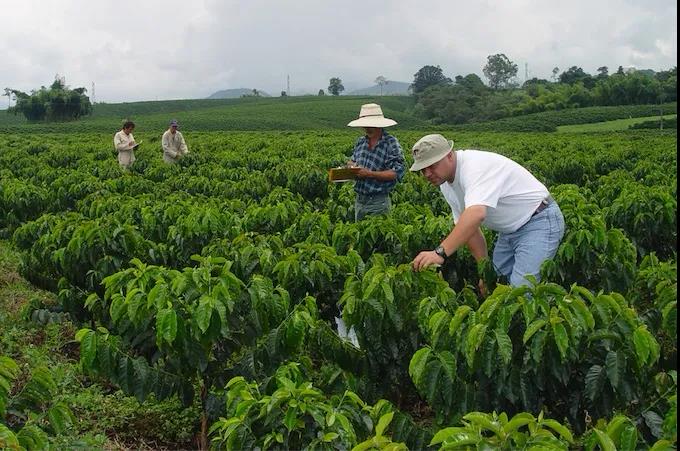
Sandy Dall'Erba and her research team analyzed climate and coffee production conditions across Colombia. They collaborated with 521 coffee plantations, continuously recording production data from at least one hectare of Arabica coffee from 2007 to 2013 to evaluate the impact of temperature and precipitation on Colombia's coffee output. The laboratory then predicted weather conditions in Colombia from 2042-2061, along with future production in each region.
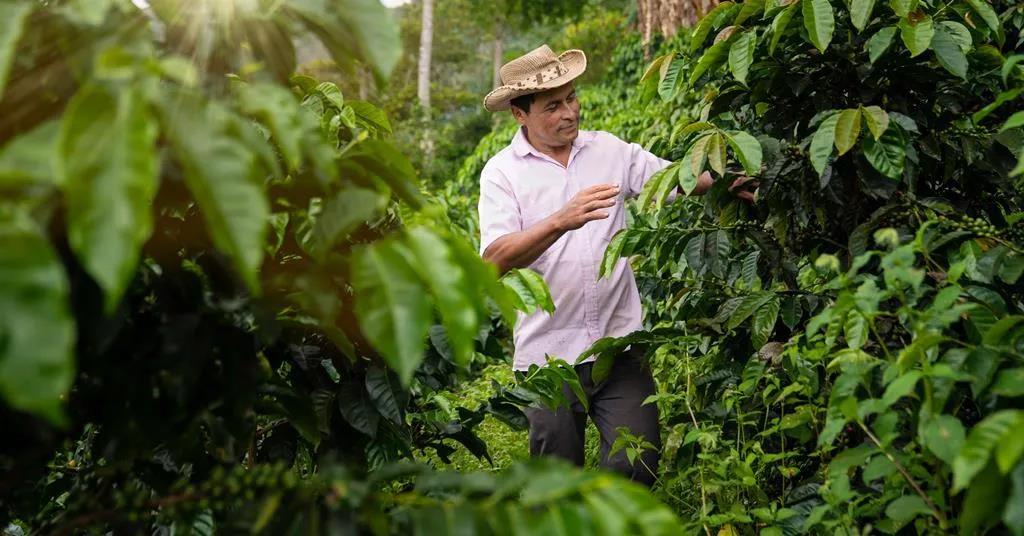
Future Predictions and Impacts
The prediction data shows that by 2061, Colombia's national coffee production will rise by 7.6%. That figure, however, conceals dramatic spatial variation — from a 16% increase in high-altitude areas to an 8.1% decrease in low-altitude areas. The researchers found that rising temperatures greatly benefit coffee in high-altitude regions, as the warmer climate becomes more suitable for cultivation. In low-altitude areas, by contrast, it will only get hotter and drier — extremely unfavorable for coffee trees.
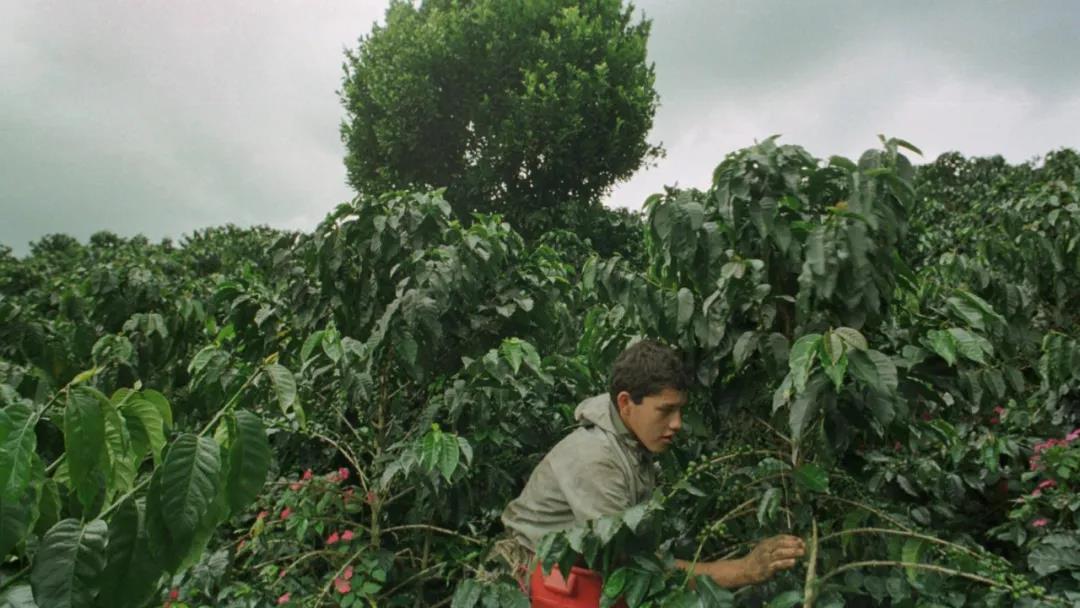
Socioeconomic Implications
Fortunately, Colombia's specialty coffee is concentrated mainly in areas above 1,500 meters — good news for high-altitude growers. But the families who depend directly on coffee for their livelihoods are concentrated mainly in production areas below 1,500 meters. For them, relocating uphill to keep growing is an option in theory, but the cost would be extremely high, and low-altitude growers may simply not be able to afford it. If rising temperatures do indeed affect cultivation in the lowlands, they may abandon their coffee trees and switch to other crops. Whether Colombia's coffee production will remain as optimistic as predicted over the coming decades is uncertain — after all, no one can say for sure how the climate will change.
Finally, as always: "Protecting the environment is everyone's responsibility."
FrontStreet Coffee Recommendation
While the climate threatens Colombia's lowland farms, Brazil — the world's largest coffee producer — offers a reminder of how rewarding well-grown coffee can be. FrontStreet Coffee's Brazilian lineup highlights that balance of gentle acidity, sweetness, bitterness, and body that makes Brazilian beans ideal for a medium roast. The FrontStreet Brazil Cerrado Red Bourbon, pulped natural from the celebrated Cerrado region, shows creamy peanut, toasted bread, caramel, and hazelnut aromas with a round, non-acidic cup and a light bitter note — at home in pour-over, moka pot, espresso SOE, siphon, or French press. The FrontStreet Brazil Fazenda Rainha Yellow Bourbon from Mogiana, near South Minas, grows in fertile red volcanic soil; a rare mutation of Red Bourbon, it delivers a cleaner fruit character with sugarcane sweetness, fruit aroma, and chocolate through any brewing method.
Brazilian beans are also the backbone of many espresso formulas: the low acidity, balance, and approachable price that make them a favorite base bean show up throughout FrontStreet Coffee's blends, where they lend chocolate and cream aromas, soft sweetness, and a stability of extraction that every café values.
Important Notice :
FrontStreet Coffee is a long-established specialty coffee roaster in Guangzhou China, selling freshly roasted beans from its own farm in Yunnan as well as dozens of carefully selected single-origin beans from around the world for both pour-over and espresso. The products deliver consistently excellent quality and great value, with shipping within 24 hours. Guangzhou's FrontStreet Coffee shop is recommended by many coffee lovers, and the beans are now available online at the Tmall 。
FrontStreet Coffee has moved to a new address:
FrontStreet Coffee Address: 315,Donghua East Road,GuangZhou
Tel:020 38364473
 Scan and follow the En Gafei WeChat official account. Please indicate that the reprint comes from "En Gafei".