Brazilian Coffee Production Decline & Central American Hurricane Crop Failure: Arabica Coffee Beans May Face Further Shortage
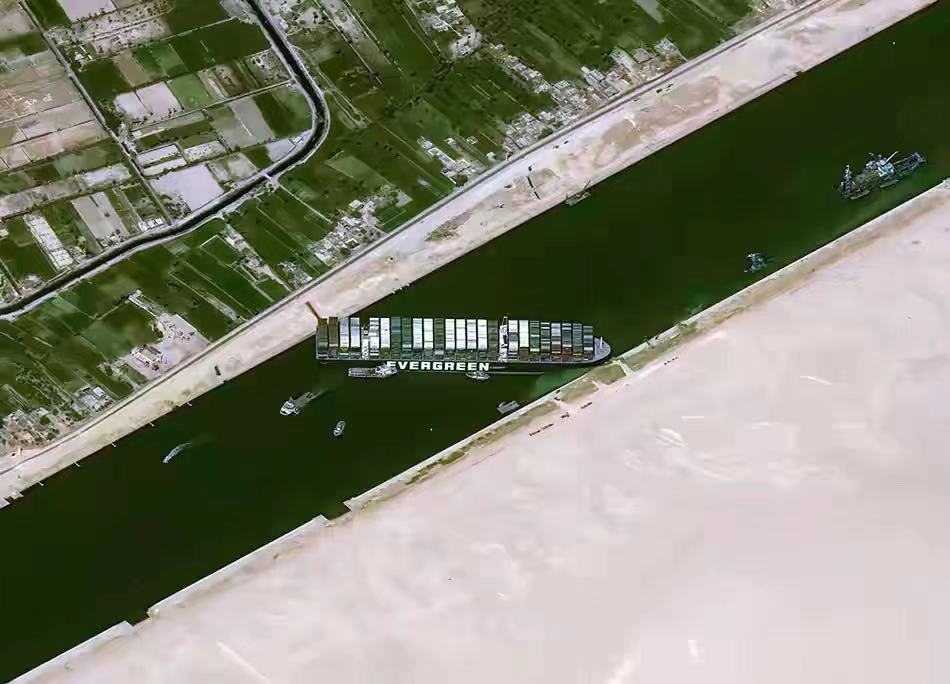
To begin with, last year's drought in Brazil and this year's small coffee production cycle had already caused volatility across the entire Arabica coffee industry by reducing Brazil's Arabica output in the 2021/22 season. Then heavy rainfall in Colombia threatened the production of Colombian Arabica beans. As one problem subsided, another arose: the Suez Canal blockage on March 23 once again brought cost increases to the coffee industry.
With the rollout of COVID-19 vaccinations, people are gradually resuming outdoor consumption, but precisely at this moment all coffee supplies have run into problems. The tense situation in the Arabica market will further exacerbate already rising food inflation.
According to Bloomberg reports, the New York futures market has risen by 22% since the end of October last year. Recently, Marex Spectron raised its global coffee shortage forecast from 8 million bags to 10.7 million bags. The main reasons include the impact of last year's drought in Brazil; potential frost during Brazil's July-August 2021 harvest season that could lead to further crop failures; crop failures in other small coffee-growing countries in Central America caused by last year's hurricanes; and the current heavy rainfall in Colombia, which may worsen the shortage of Arabica bean supplies.
According to the senior meteorologist at Maxar Technologies Inc. on March 29: over the past two months, La Niña weather has brought rainfall three times the average level to Colombia's growing regions, with rain continuing for the next two weeks. The National Federation of Coffee Growers of Colombia also stated that the impact of La Niña is particularly severe, as rainfall has accelerated the spread of the long-present leaf rust fungus. In addition, 15% of coffee varieties in Colombia are low-resistance varieties. Leaf rust has already caused billions of dollars in losses to Colombian coffee growers.
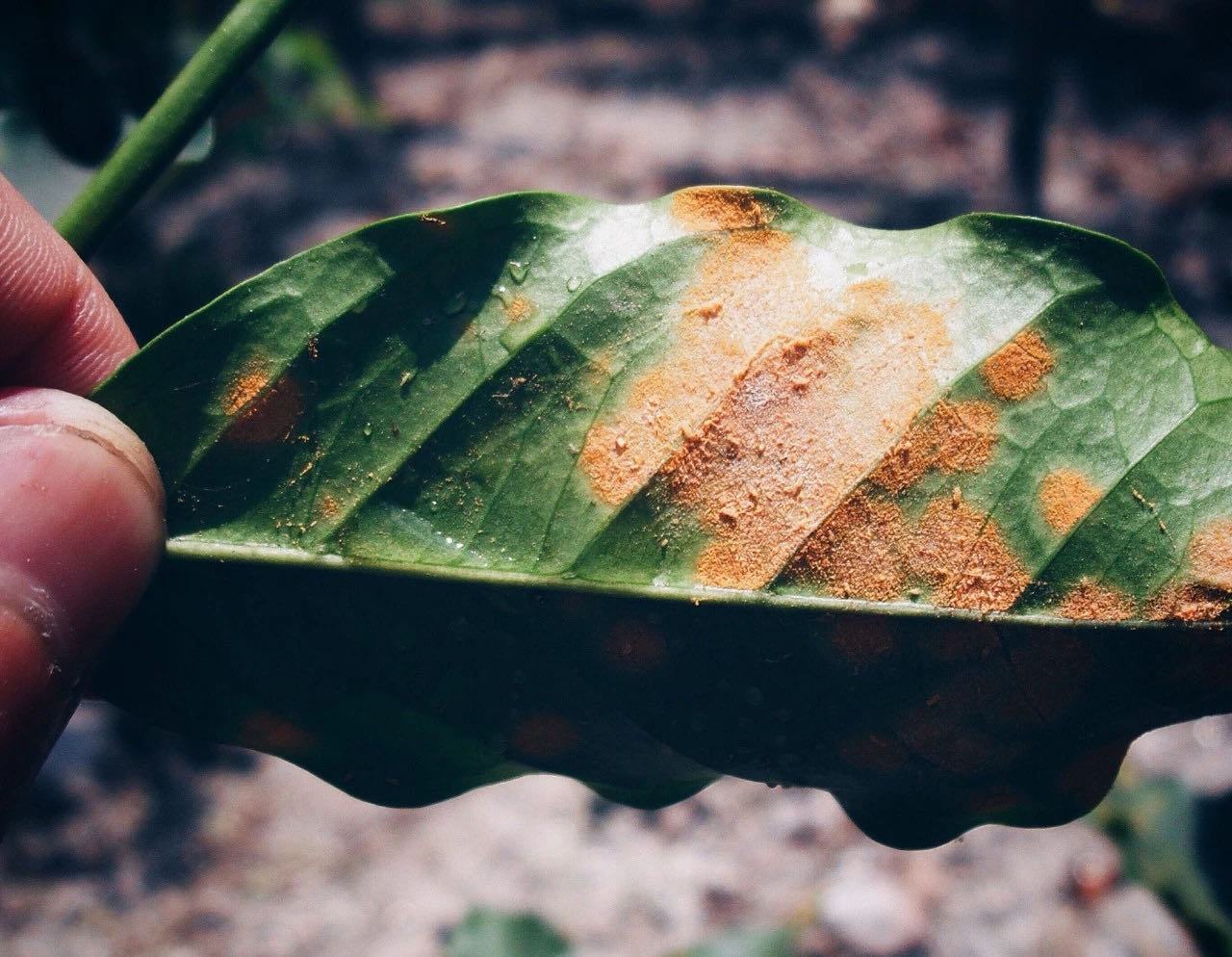
According to predictions from the National Federation of Coffee Growers of Colombia, Colombian Arabica production in the first half of this year will drop by approximately 500,000 bags (60kg per bag) compared with the same period last year, to 6 million bags, while second-half production will depend on whether weather conditions improve during the main crop harvest. Currently, Colombian Arabica washed beans are priced at $216 per bag (125kg per bag), an increase of $12.34 per bag over the previous week's price.
FrontStreet Coffee Recommendation
With Brazilian supply under pressure and prices climbing, it helps to know which Brazilian coffees keep the classic profile even when the market is tight. FrontStreet Coffee's Brazil Cerrado Red Bourbon is a textbook Brazilian single origin: a half-sun (honey) processed lot of the red Bourbon variety, roasted medium to bring out creamy peanut, toasted bread, caramel, and hazelnut aromas, with a rounded, low-acid body and a light bittersweet edge. It works equally well as pour-over, in a moka pot, as an espresso SOE, in a siphon, or in a French press.
If you want something a little rarer, the FrontStreet Brazil Queen Estate is a yellow Bourbon from Mogiana, where the fertile red volcanic soil and the mix of traditional and modern farm management produce a cleaner fruit character with sugarcane sweetness, fruit, and chocolate. Brazil's low-acid, balanced cup is also why it anchors so many of FrontStreet Coffee's espresso blends, from the creamy-nut FrontStreet House Blend to the well-balanced FrontStreet Black Cocoa Blend.
Important Notice :
FrontStreet Coffee is a long-established specialty coffee roaster in Guangzhou China, selling freshly roasted beans from its own farm in Yunnan as well as dozens of carefully selected single-origin beans from around the world for both pour-over and espresso. The products deliver consistently excellent quality and great value, with shipping within 24 hours. Guangzhou's FrontStreet Coffee shop is recommended by many coffee lovers, and the beans are now available online at the Tmall 。
FrontStreet Coffee has moved to a new address:
FrontStreet Coffee Address: 315,Donghua East Road,GuangZhou
Tel:020 38364473
 Scan and follow the En Gafei WeChat official account. Please indicate that the reprint comes from "En Gafei".