Pour-Over Coffee Brewing Guide: Detailed Steps, Parameters, Grind Size, and Water Ratio
Introduction
A pour-over brewing session typically takes only 2-3 minutes. Within that brief window, however, sits a great deal of preparation and behind-the-scenes work, along with many details that often go unnoticed. In this edition of Barista Training, we will share the pour-over brewing steps and the important details to watch for.
Preparation Phase
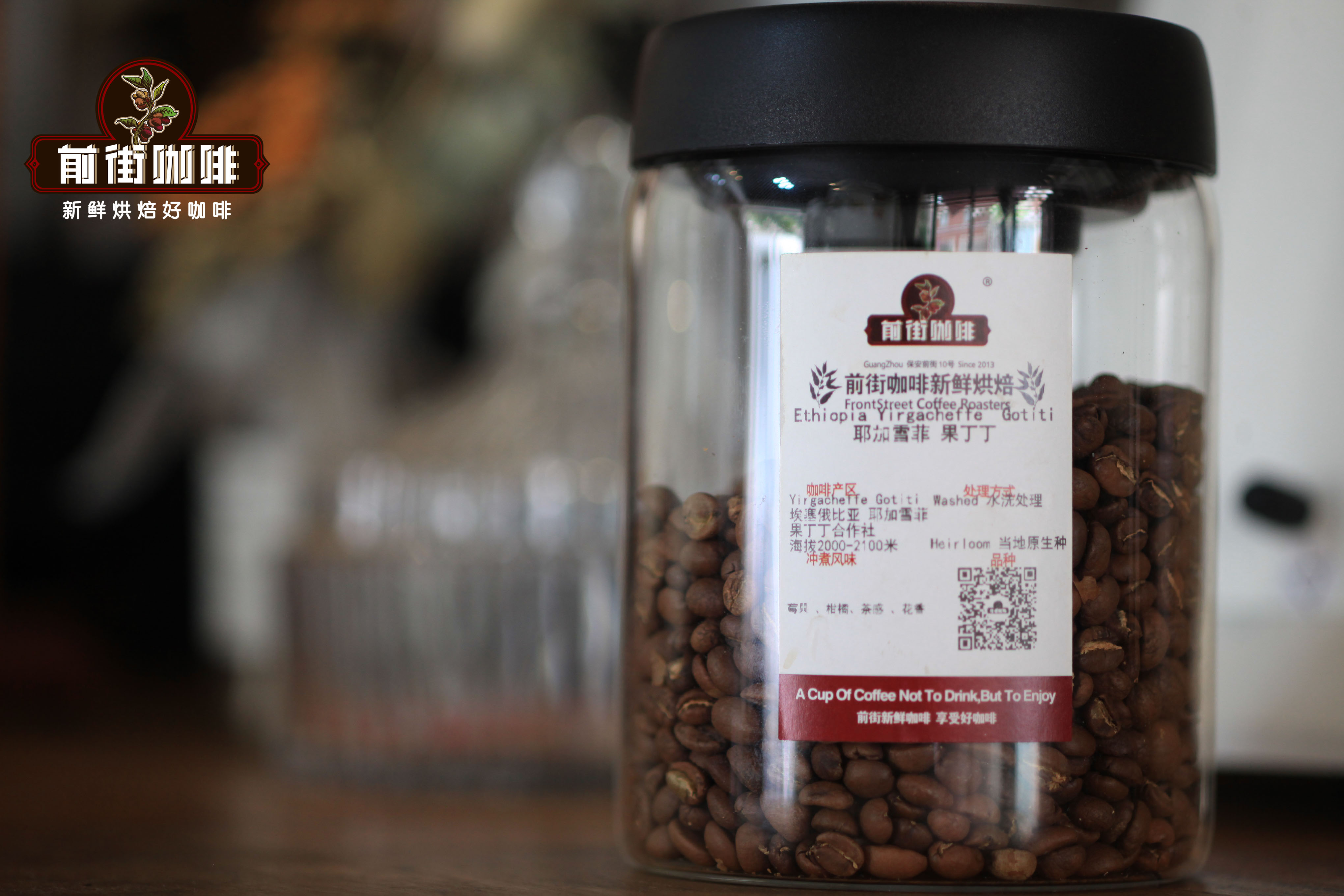
We often emphasize brewing techniques and steps but overlook the work that comes before brewing. Only with sufficient preparation can you handle the process calmly. The most important aspects of preparation are planning the brewing strategy and preparing the equipment. FrontStreet Coffee will demonstrate using washed Yirgacheffe coffee as an example.
Brewing Strategy Preparation
FrontStreet Coffee believes that planning the brewing strategy is the core of the entire process. This means deciding which brewing method suits a specific coffee, which in turn determines the equipment you need. These decisions should be made before brewing, not improvised midway through.
For example, if FrontStreet Coffee has decided to brew washed Yirgacheffe, then the brewing parameters for washed Yirgacheffe should be settled first: 15g coffee dose, 1:15 coffee-to-water ratio, EK43s #10 grind setting, 91°C brewing water temperature, a V60 dripper, and a three-stage brewing method.
Equipment Preparation
When you watch a barista brew, their performance always looks elegant, relaxed and skillful, and they never have to rush to find equipment. That comes from thorough preparation in advance.
Since the approach for Yirgacheffe is settled, we need the equipment required before, during and after brewing. For this session we need: the coffee beans, a dosing container, a coffee scoop, a dripper, filter paper, a serving pot, an electronic scale, a pour-over kettle and a thermometer (not needed if you use a temperature-controlled kettle). For after brewing, we need a waste water container for the dripper and drinking cups.
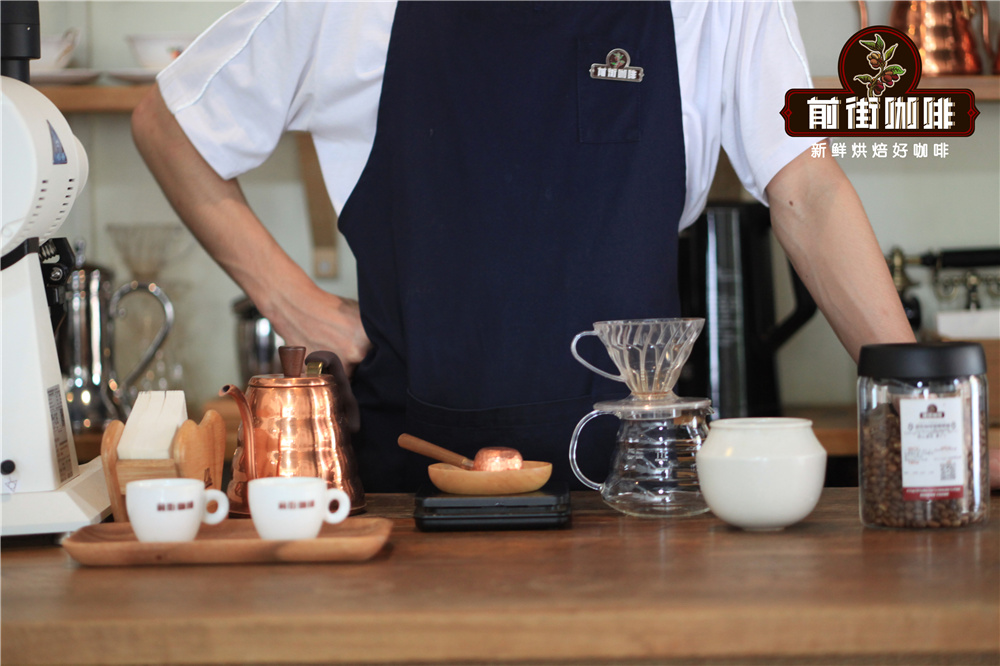
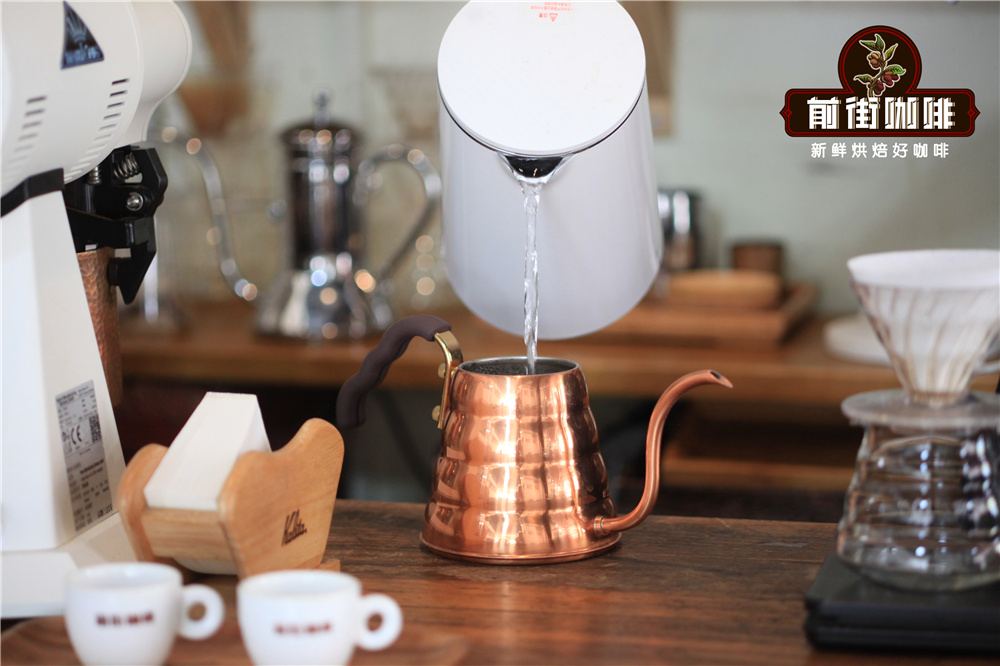
The grinder should be calibrated in advance and the bean hopper cleaned. Water should also be preheated to the required temperature. FrontStreet Coffee heats water in an electric kettle before pouring it into the pour-over kettle, so the electric kettle is preset 2-3°C higher than the pour-over water temperature. Arrange the equipment however you prefer, but make sure everything is within easy reach during use.
Brewing Phase
FrontStreet Coffee has described the brewing process many times, but this time we will elaborate on the pour-over steps by focusing on the details.
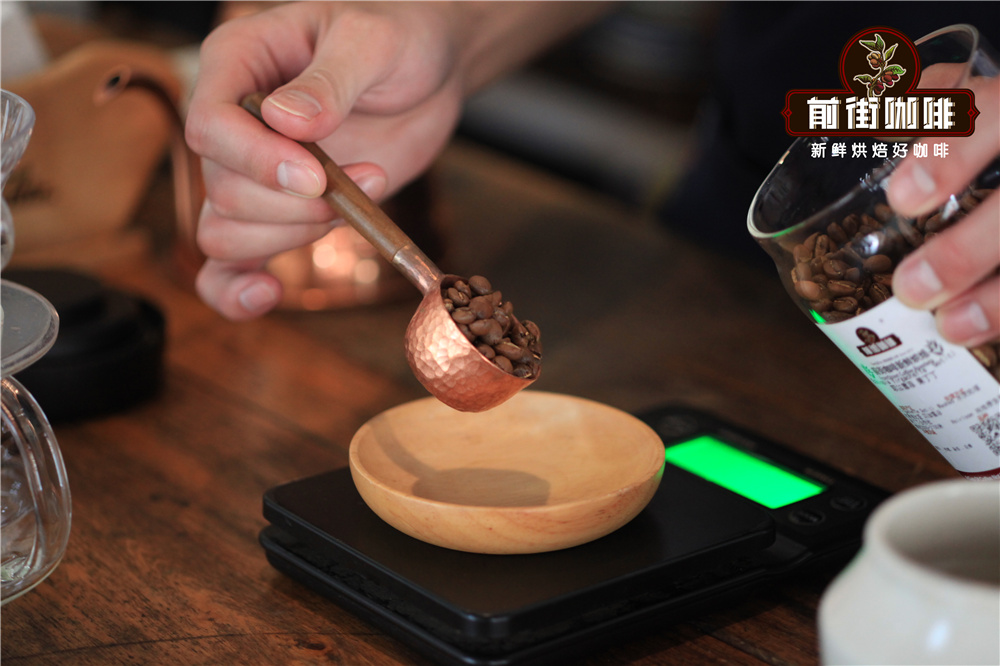
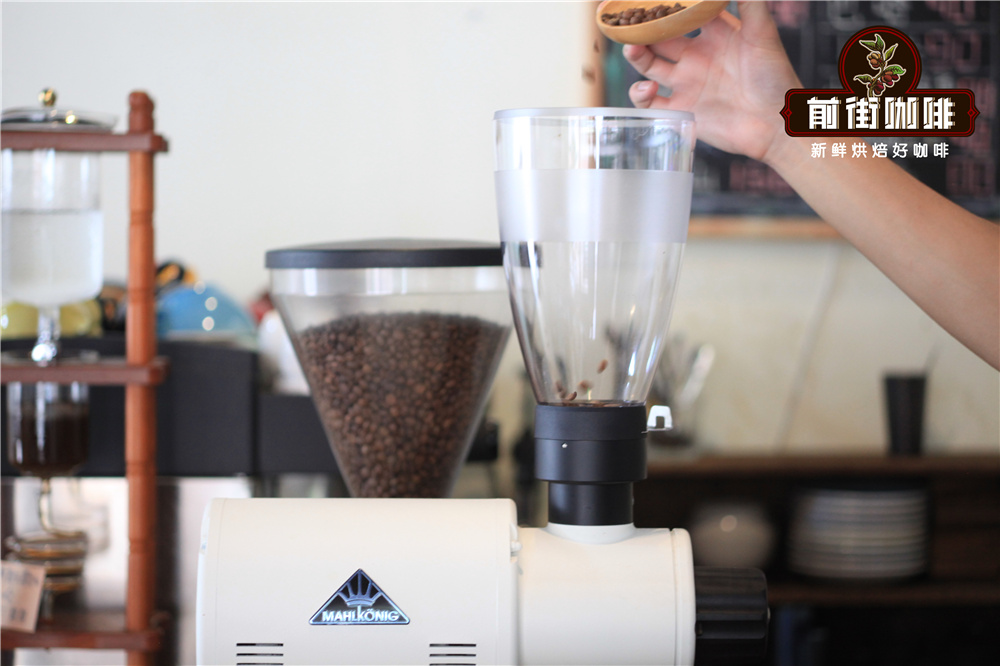
1. Weigh the beans. Weigh out 15 grams of coffee beans and pour them into the bean hopper.
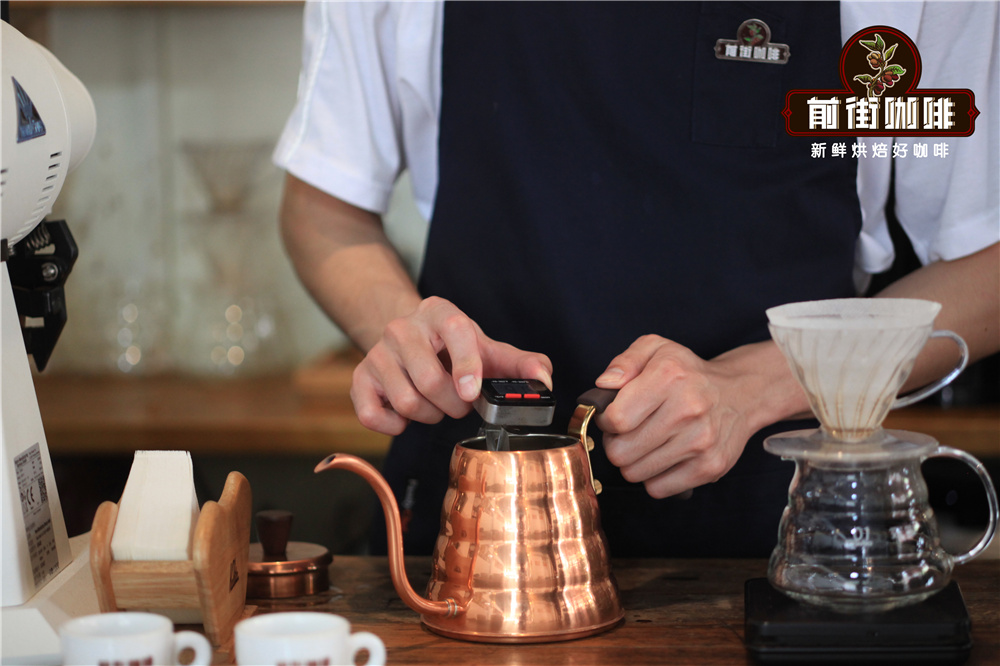
2. Pour water. Pour hot water into the pour-over kettle, insert the thermometer and wait until the temperature reaches 91°C. Then cover with the lid to prevent rapid heat loss.
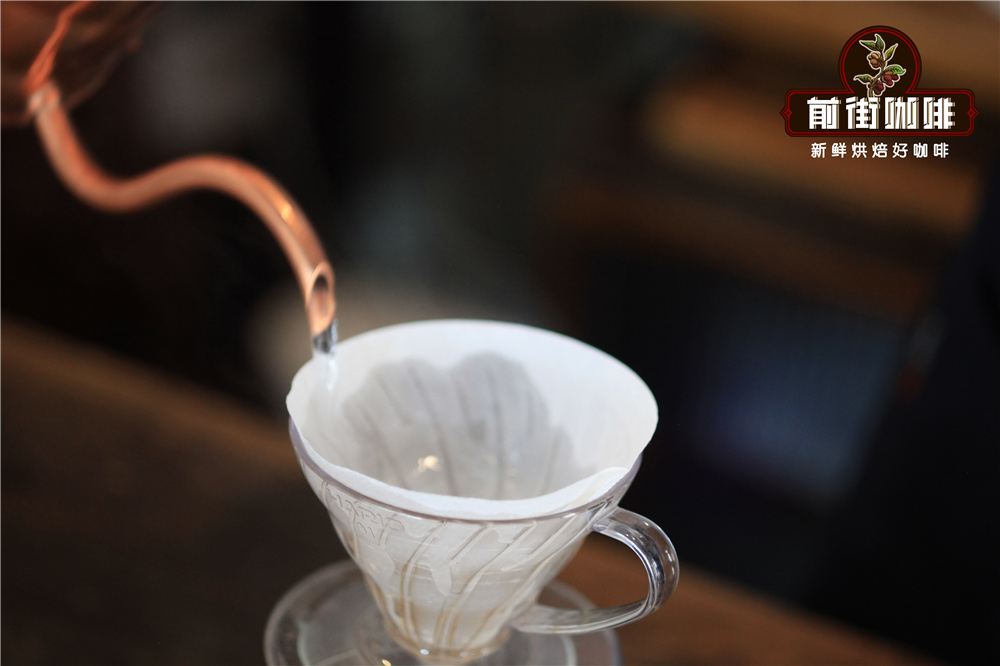
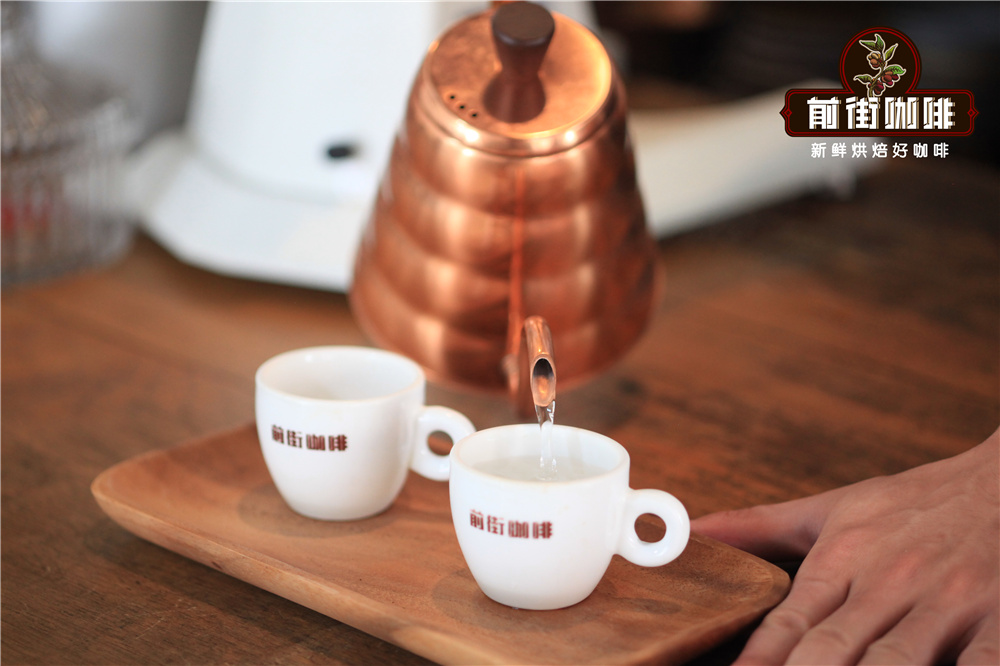
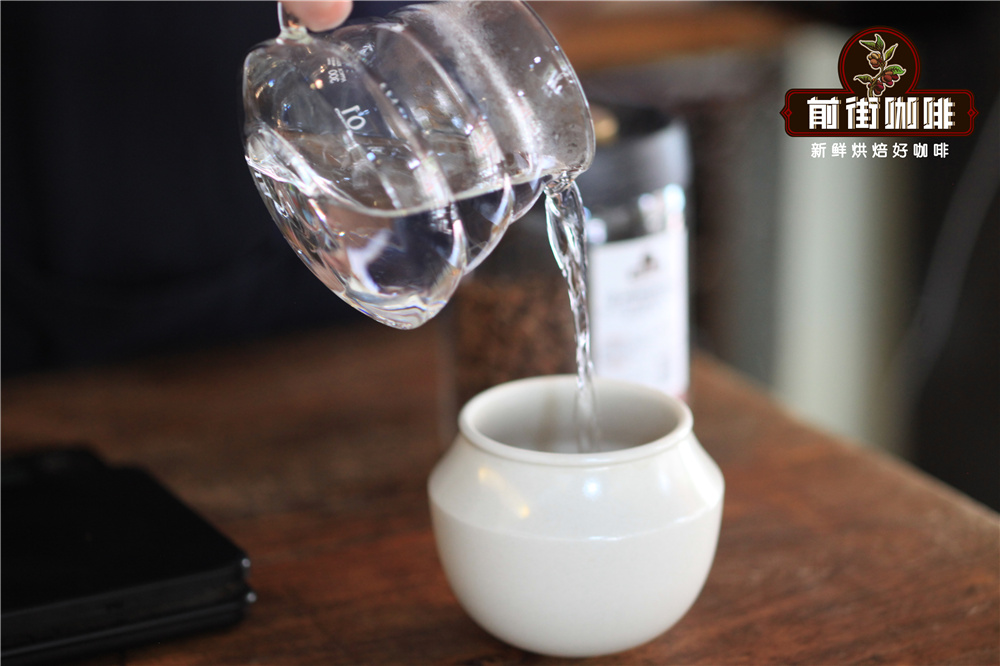
3. Preheat the equipment. Place the serving pot and dripper on the electronic scale, add the filter paper and wet it with hot water so it adheres to the dripper. The hot water also preheats the dripper and the pot below. Add hot water to the drinking cups to keep them warm, because when coffee meets cold, the tannic acid components activate and the coffee becomes very acidic. Note: remember to pour out the hot water used to preheat the lower pot.
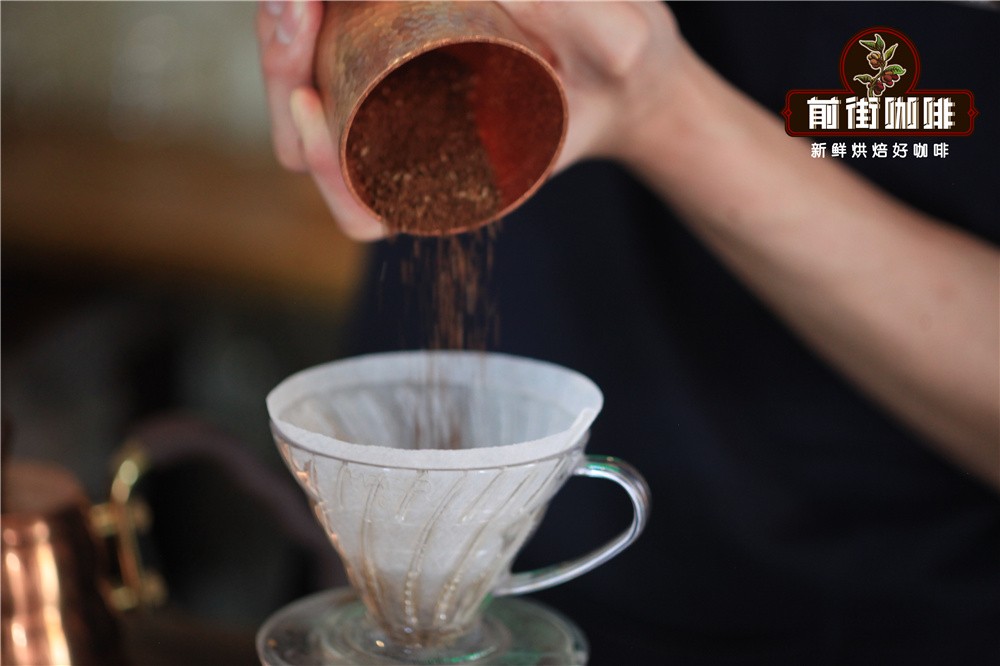
4. Bloom. After confirming the water has reached 91°C, grind the coffee beans. Because coffee loses flavor quickly once ground, save this step for last. Pour the coffee grounds into the dripper and gently level them. Pour 30g of water in a circular motion from the center outward and let it bloom for 30 seconds, making sure all the grounds are saturated.
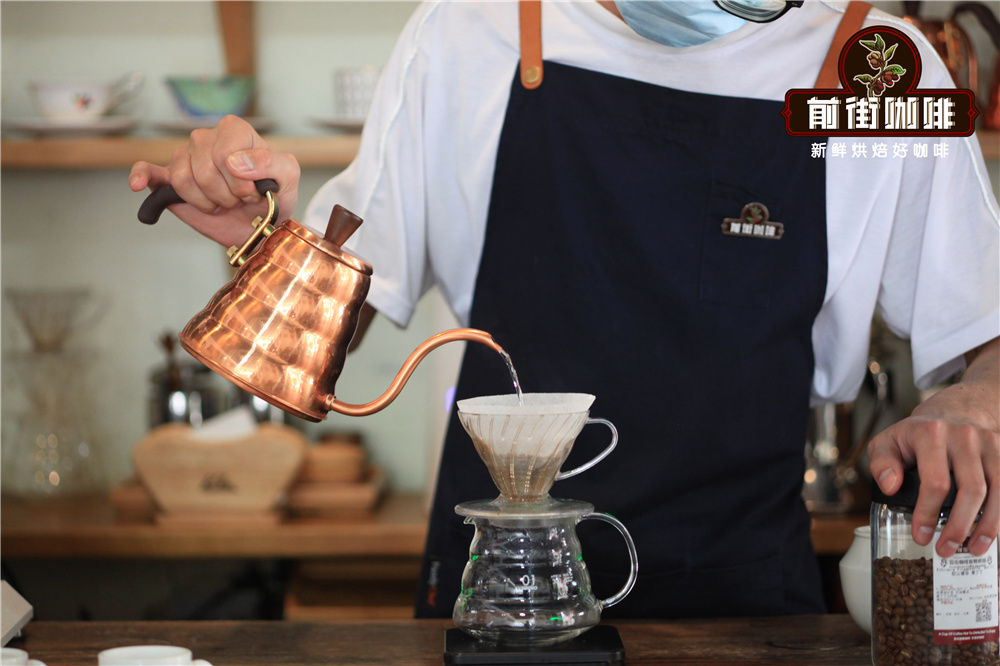
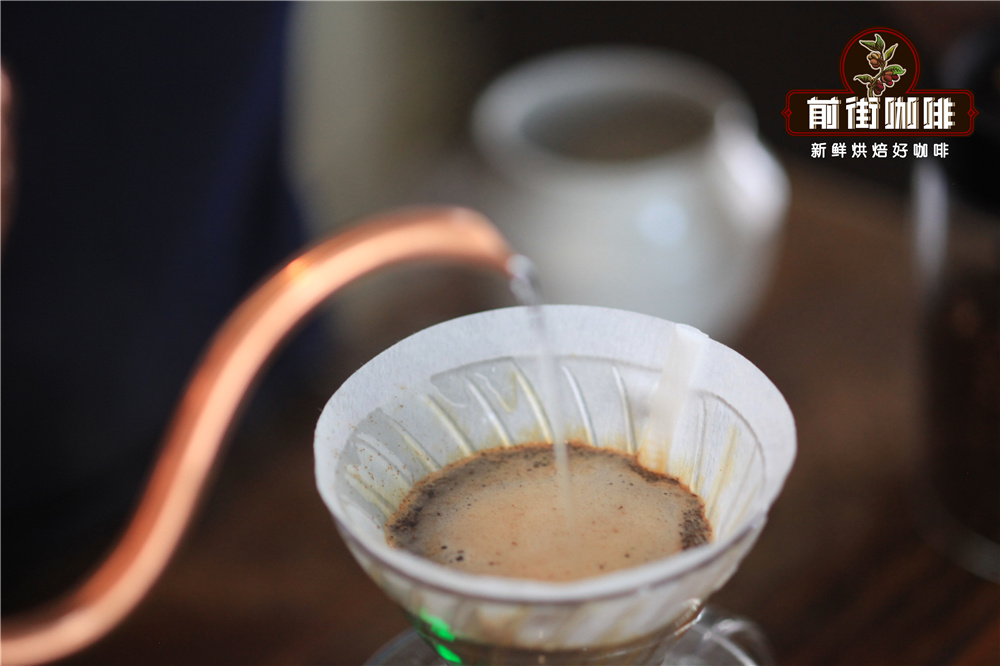
5. Pour. Next, continue pouring 100g of water in the same circular motion from the center outward. Circular pouring ensures even extraction. When the water level drops and is about to expose the coffee bed, begin the final pour, adding 90g of water with the same technique. This brings the total water to 225g.
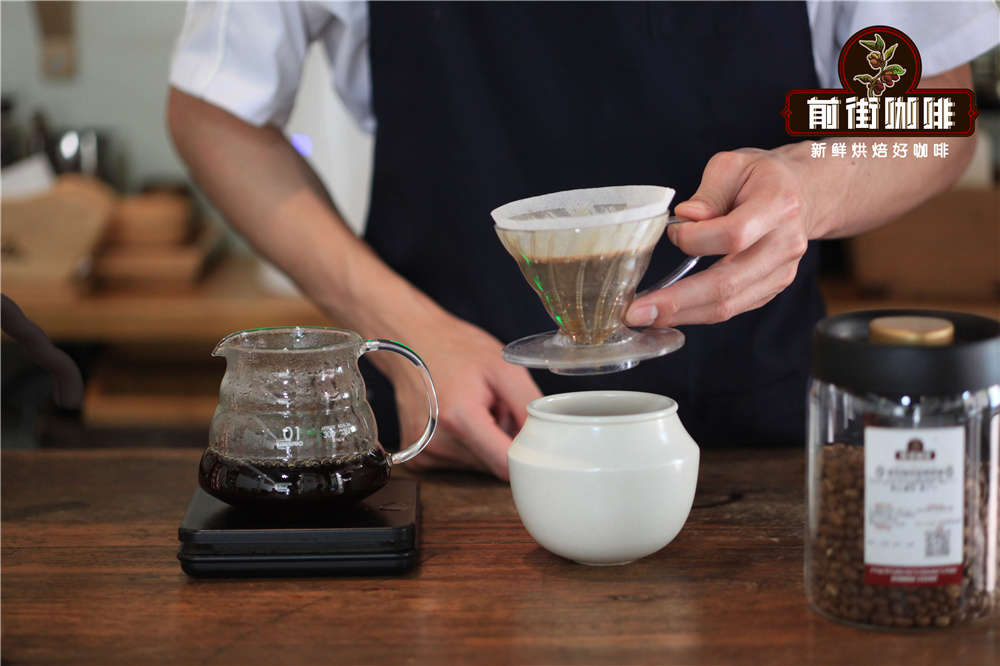
6. Swirl the dripper. After the coffee has dripped into the lower pot, remove the dripper and place it on the waste water container. Then swirl the dripper. The purpose is to even out the coffee concentration, because during extraction the coffee goes from strong to weak, so the liquid at the bottom of the serving pot is more concentrated than at the surface.
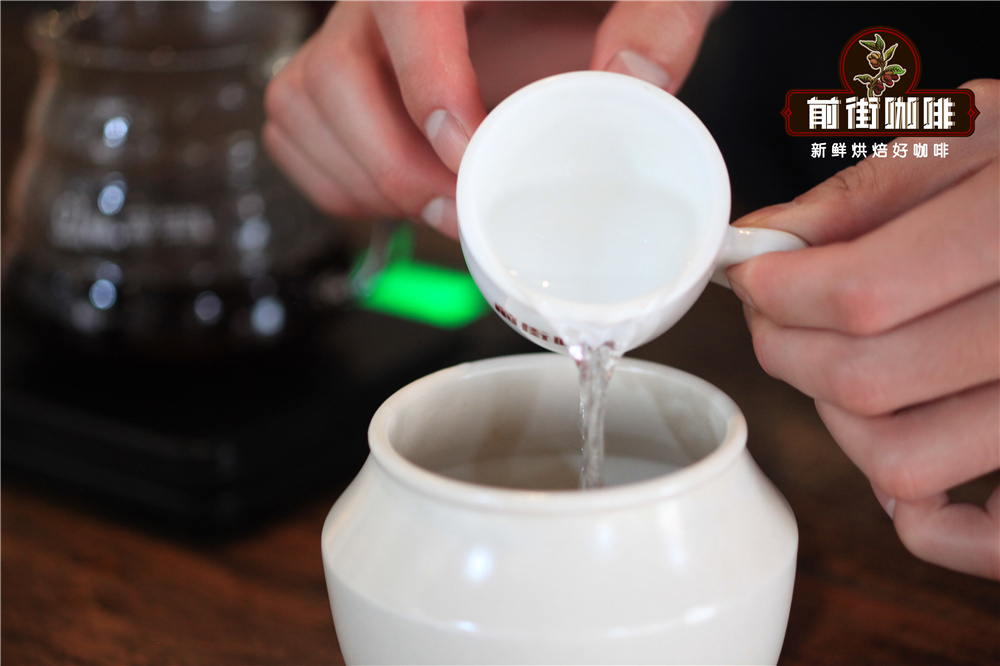
7. Taste. Pour the hot water used for preheating the cups into the waste container, then pour the coffee into the drinking cups and enjoy.
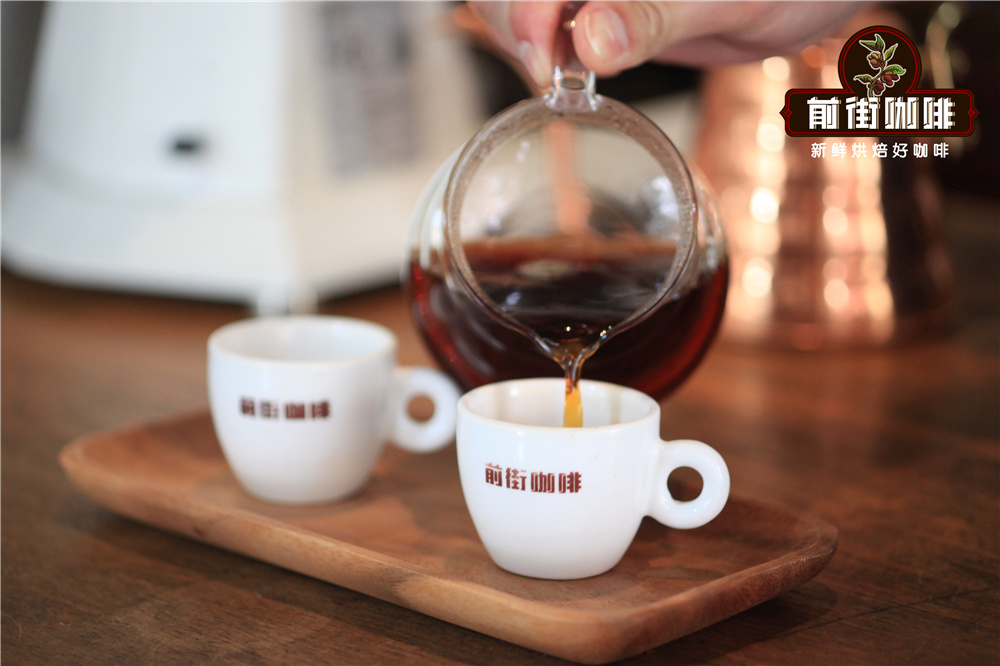
FrontStreet Coffee Recommendation
Washed Yirgacheffe is the ideal teaching bean for this routine, and FrontStreet Yirgacheffe Gudingding Cooperative is the version FrontStreet reaches for most often. A washed G1 from Gudingding village, it shows jasmine florals, bright citrus and lemon acidity and a green tea finish, so any mistake in temperature, grind or pour shows up clearly in the cup. If you prefer a sweeter, fruitier profile while you practice, FrontStreet Yirgacheffe Natural Red Cherry brings berry juice, honey sweetness and a creamy body from a full-red-cherry natural process. FrontStreet brews both at 90-91°C with 15g at a 1:15 ratio in a V60, ground to fine granulated sugar, about 80% passing a No. 20 sieve, blooming with 30g for 30 seconds and finishing at 225g in 2:00-2:10.
Important Notice :
FrontStreet Coffee is a long-established specialty coffee roaster in Guangzhou China, selling freshly roasted beans from its own farm in Yunnan as well as dozens of carefully selected single-origin beans from around the world for both pour-over and espresso. The products deliver consistently excellent quality and great value, with shipping within 24 hours. Guangzhou's FrontStreet Coffee shop is recommended by many coffee lovers, and the beans are now available online at the Tmall 。
FrontStreet Coffee has moved to a new address:
FrontStreet Coffee Address: 315,Donghua East Road,GuangZhou
Tel:020 38364473
 Scan and follow the En Gafei WeChat official account. Please indicate that the reprint comes from "En Gafei".