What is the Grind Size for Espresso? Reference Guide for Espresso Machine Extraction Grind Sizes
Understanding Coffee Grind Size
Grind size is one of the hardest brewing variables to master, and many problems that show up in the cup trace back to imprecise grind control. For pour-over coffee, FrontStreet Coffee recommends calibrating with a #20 (0.85 mm) standard sieve, aiming for an 80% pass-through rate (10 g of grounds, 8 g passing through) as the ideal pour-over grind.
Espresso, however, is ground far too fine for sieve calibration to be practical. So how do you determine espresso grind size?
How Fine Is Espresso, Exactly?
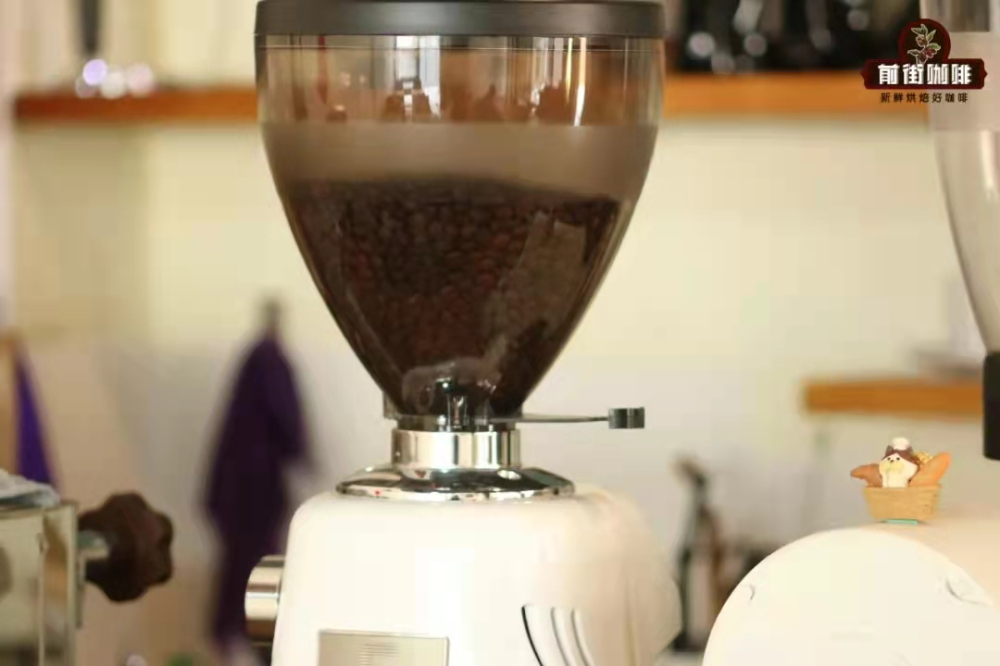
Walk into any coffee shop and you will notice at least two grinders: one under a full hopper dedicated to espresso, and another for pour-over. Why the separation? Because espresso extraction is exquisitely sensitive to particle size. Even a change too small to see with the naked eye shows up immediately in the shot.
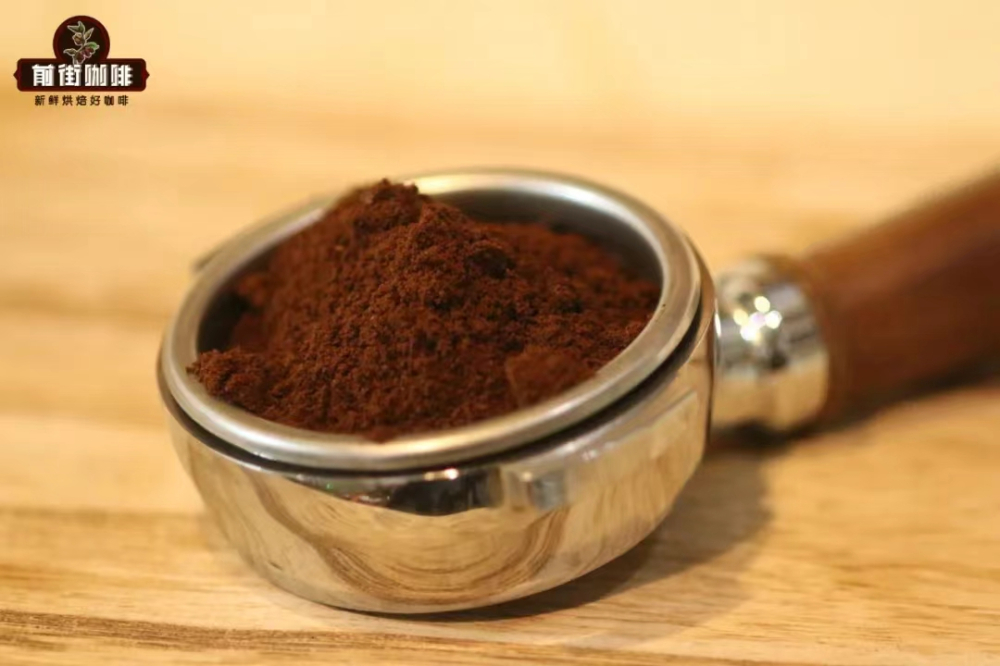
To keep espresso quality consistent, shops therefore dedicate one grinder to espresso alone. Espresso grounds look and feel like flour; in hard numbers, the particles range from 150 to 300 microns.
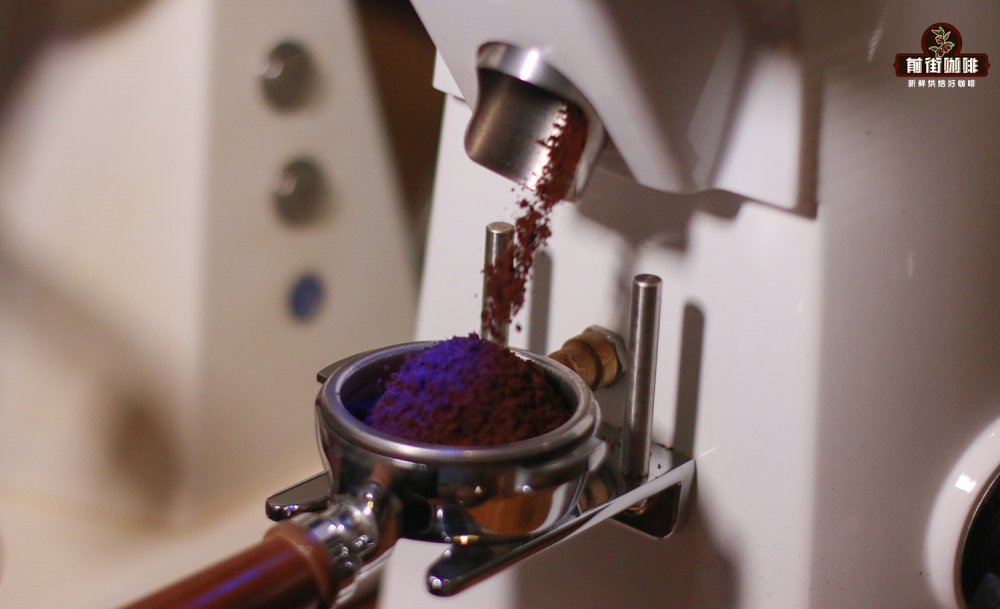
How to Find the Right Espresso Grind
By the definitions of the Italian Coffee Institute and the WBC, a standard espresso is roughly 1 ounce (about 30 ml) of concentrated coffee with golden crema, extracted with hot water at 90.5-96°C under 9 atmospheres of pressure in 20-30 seconds.
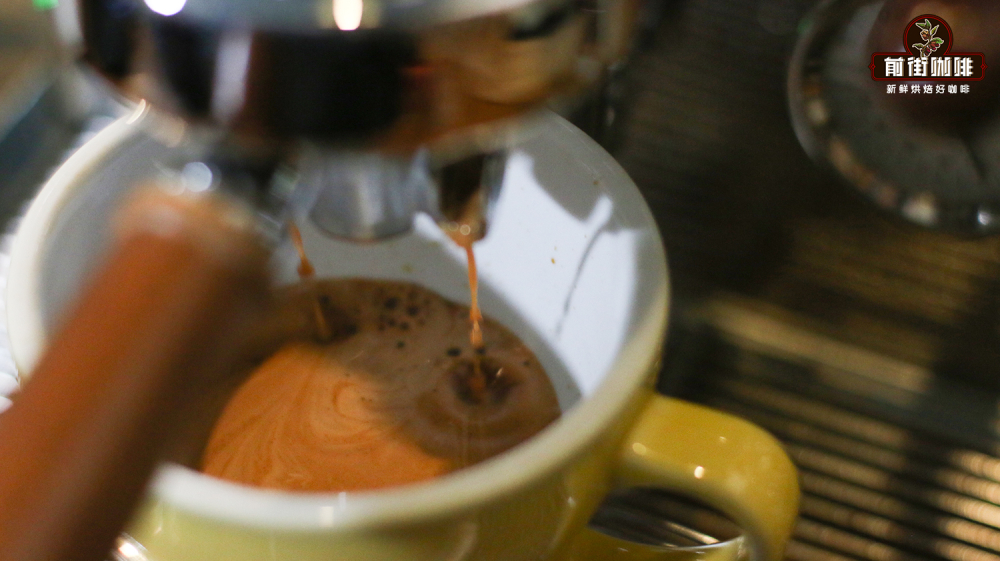
The definition never names an exact grind size, but the relationship between extraction time and grind tells you how to find it.
Assuming distribution and tamping are handled properly, finer particles slow the extraction, pushing flavors toward bitter and burnt — the classic signs of over-extraction. Coarser particles speed it up, tipping the shot toward sour and thin — the classic signs of under-extraction.
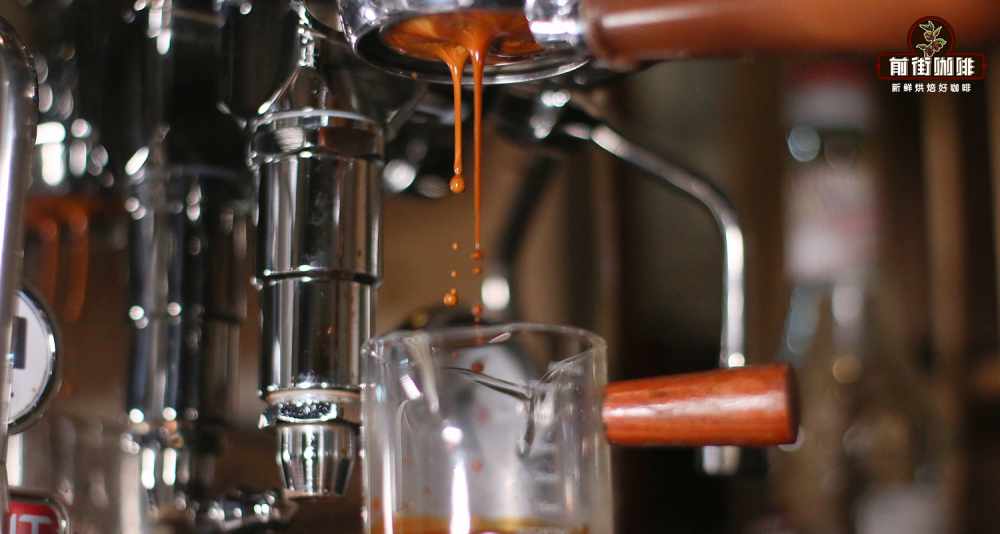
So when FrontStreet Coffee faces an unfamiliar espresso bean, or has just mounted a new grinder, the procedure looks like this. First, fix the extraction recipe. Our default espresso recipe is 20 g of grounds in (depending on basket capacity) with a 1:2 coffee-to-liquid ratio. For this we use the Sunflower Warm Blend, roasted slightly lighter than most espresso blends — the 1:2 ratio helps the sherry and red-cherry character of its component coffees come through. That yields 40 g of liquid espresso (weighed rather than measured by volume, because weight is more precise: crema weighs less than the liquid it occupies).

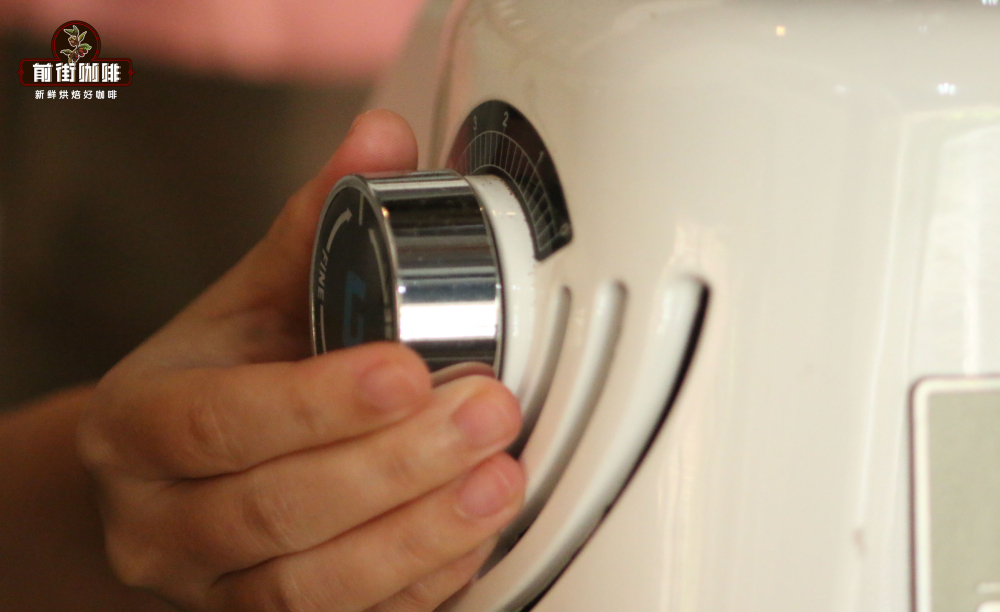
Pressure and temperature stay fixed: 9 bar and 93°C. With those variables locked, only the grind needs adjusting to hit the target time window. If your grinder has a hopper, purge the old grounds after every adjustment so they don't skew the next shot.
Once the extraction lands inside the target window, don't celebrate yet — a shot that runs on time still has to taste good. Taste it. Check first for defects: harsh bitterness, sharp acidity, a watery texture. Then check whether the coffee's signature flavors actually show up in the cup. If not, keep adjusting — and at that point the adjustments may no longer be about grind alone. Our preset parameters rest on prior experience; with an unfamiliar bean, it's fair to question whether the preset itself is right.
Take a Colombian SOE FrontStreet Coffee once dialed in. At the correct grind, the recipe ran 20 g in, 40 g out, in 26 seconds — but tasting revealed a slight bitterness. Splitting the extraction into segments showed the bitterness came from the tail end, so the ratio was tightened to 20 g in, 35 g out, in 24 seconds. Clean shot.
FrontStreet Coffee Recommendation
A dialed-in grinder deserves a forgiving bean, and FrontStreet Brazil Fazenda Rainha (Queen Estate) is the classic choice for espresso lovers who dislike acidity. Low in acid and beautifully balanced, it layers dense nut and cocoa aromas over a clear caramel sweetness, with a smooth, unswerving mouthfeel and a long, gentle finish. Its crema is outstanding, and it performs equally well through an espresso machine, a moka pot, or a pour-over — a dependable everyday workhorse at a friendly price.
If you prefer your shots dark and brooding, the FrontStreet PWN Gold Mandheling takes a deep roast in stride: thick and long on the palate, with herbal and dark-chocolate aromas over a faint earthiness and almost no acidity — richly layered and ideal for anyone who loves a bold, full-flavored espresso.
Important Notice :
FrontStreet Coffee is a long-established specialty coffee roaster in Guangzhou China, selling freshly roasted beans from its own farm in Yunnan as well as dozens of carefully selected single-origin beans from around the world for both pour-over and espresso. The products deliver consistently excellent quality and great value, with shipping within 24 hours. Guangzhou's FrontStreet Coffee shop is recommended by many coffee lovers, and the beans are now available online at the Tmall 。
FrontStreet Coffee has moved to a new address:
FrontStreet Coffee Address: 315,Donghua East Road,GuangZhou
Tel:020 38364473
 Scan and follow the En Gafei WeChat official account. Please indicate that the reprint comes from "En Gafei".