What Water to Use for Pour-Over Coffee? Does Purified Water Make Coffee Sour? Can You Use Mineral Water for Coffee?
You may be using excellent beans and getting your brewing parameters and technique right, and still find flavors in the cup you don't want. When that happens, the problem may be your water.
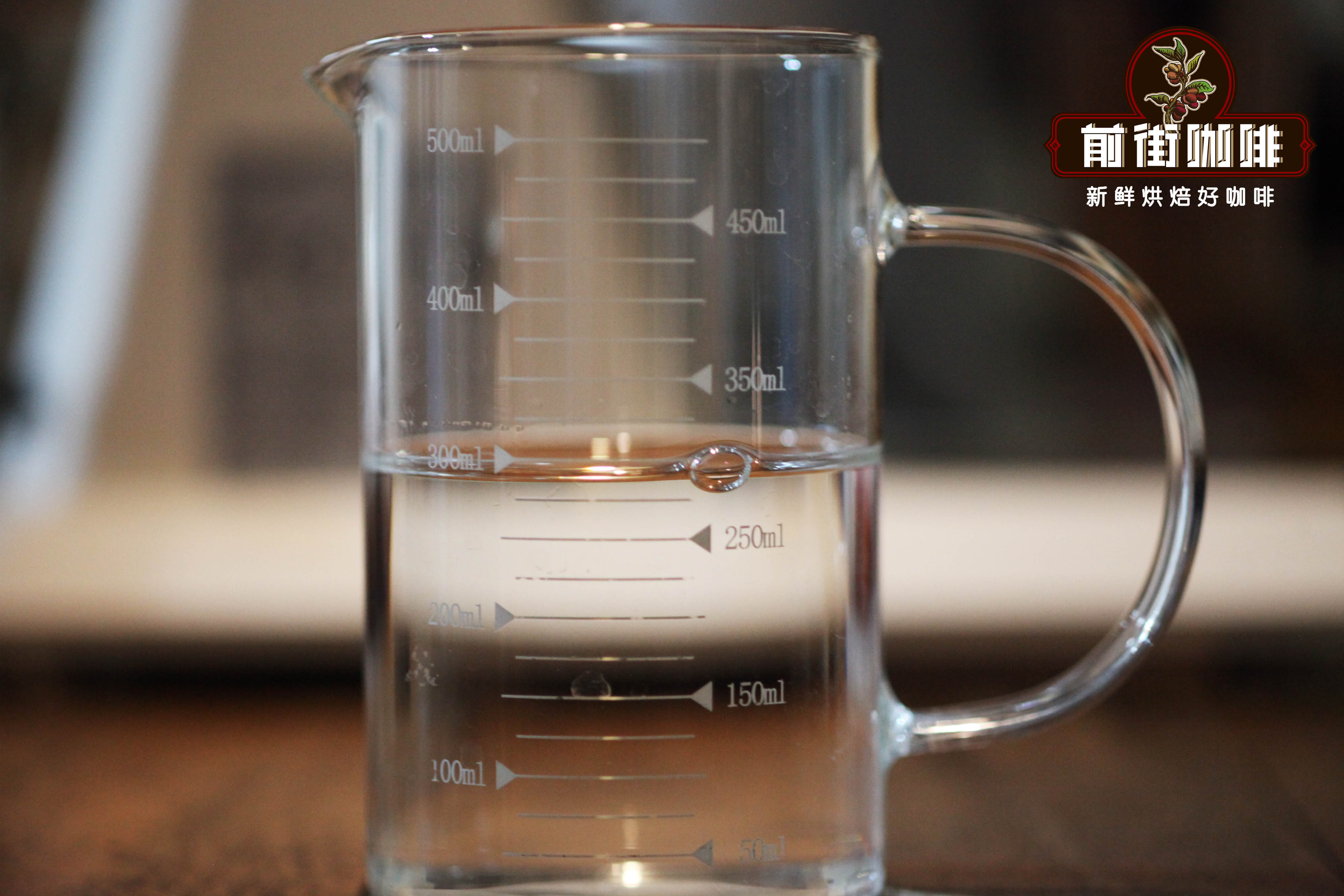
You might object that water is colorless and tasteless, so anything fit to drink should do the job. That overlooks the minerals. In anything other than pure distilled water there are always calcium ions, magnesium ions and bicarbonate ions — the scale left in a kettle after boiling is the proof. The quantity of these substances determines the water's hardness.
Start with one key insight from Christopher H. Hendon, a chemistry researcher at MIT, in "Water for Coffee": water can change the character of coffee.
Water contains a great deal. Higher levels of magnesium and calcium ions make it harder, and the crucial point is that these minerals adsorb compounds from the coffee. When water meets coffee grounds, they draw compounds out of the coffee — the more eugenol the water adsorbs, for example, the woodier the cup tastes.
Magnesium ions are especially strong adsorbers. Water with more magnesium therefore tends to make coffee taste stronger (with more caffeine extracted as well). At the same time, harder water carries more carbonates, and Hendon found that these make coffee more bitter.
So while magnesium helps extraction, you cannot raise it in isolation: as magnesium ions increase, so do the other substances. Water that is too hard is unsuitable for brewing, because it produces a bitter cup.
The Role of Pure Water
Pure water at 0ppm contains nothing, which sounds ideal. According to Hendon, it is actually worse. With no minerals at all, extraction efficiency drops, and coffee brewed with pure water tends to taste thin.
The Ideal Water for Brewing
Water suited to coffee should contain magnesium ions, calcium ions and other minerals, but not in excess. In the SCA's "Professional Barista's Handbook," the recommended TDS is 120–130ppm. In "Water for Coffee," the standards published by the Specialty Coffee Association of America show that water with a TDS between 75 and 250ppm is suitable for brewing.
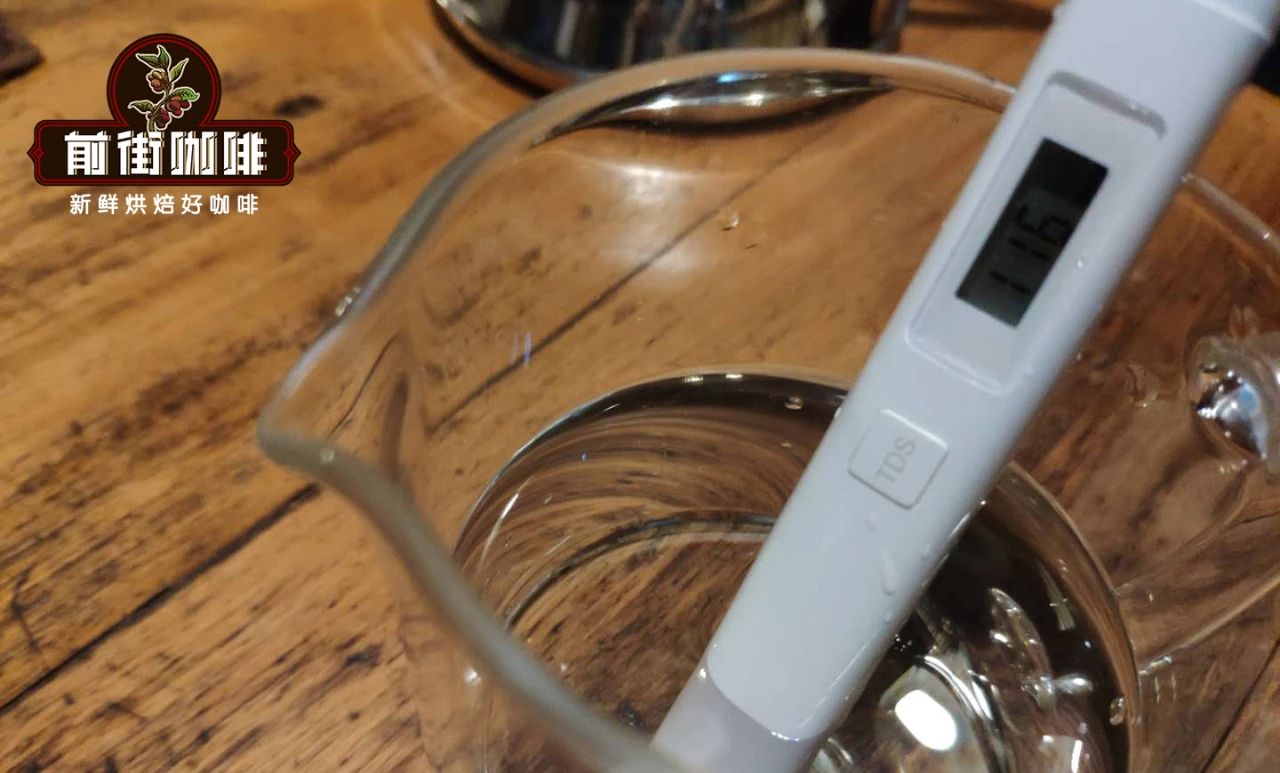
This is why competitors at major brewing events often mention preparing their own water when they introduce their parameters: they want appropriate magnesium and calcium levels to pull a cup with full flavor.
Most of us never encounter water preparation and have no need to spend much effort on it. So what works in practice? Look to bottled mineral water. The label states the mineral content and the TDS value, and 75ppm is a reasonable reference point when buying. FrontStreet Coffee currently uses Nongfu Spring from the Qiandao Lake source, with a TDS of about 50ppm.
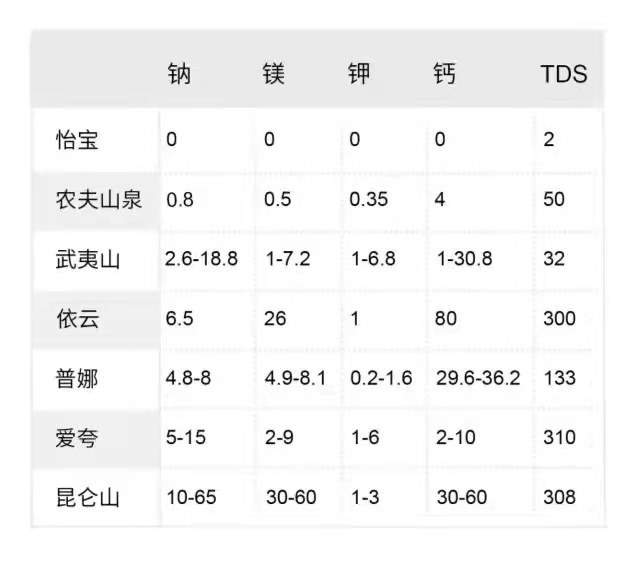
As for filtered water from a home filter, different systems behave very differently. Test the TDS of your filtered water and check whether it falls within the 75–250ppm range.
FrontStreet Coffee Recommendation
Once your water is dialed in, the payoff comes from the beans. FrontStreet Coffee's dripper of choice is the Hario V60 — the company behind it was founded in Tokyo in 1921 and built its reputation making heat-resistant glass instruments and laboratory equipment. In 2004, Hario redesigned the V60's prototype into the shape we know today, naming it for its distinctive 60° cone and V profile, and brought it to market a year later.
The cone and 60° angle force the water to travel to the center before it drops through, extending contact between water and coffee and letting aroma and flavor extract fully. The V60's single large hole lets water flow without obstruction, so flow rate depends largely on the brewer's control — and that shows up directly in the cup. Under today's third-wave approach, lighter roasts and quicker extraction suit precise, vivid aromatics and lively acidity, which makes floral and fruit-forward coffees a natural match.
FrontStreet Gedingding — the classic washed Yirgacheffe profile: jasmine, bright citrus acidity, green tea and honey. Great for pour-over or cold brew.
FrontStreet Hua Kui — rich tropical fruit aroma with strawberry, passion fruit and jackfruit, low bitterness and a juicy, smooth entry. A standout for V60 brewing.
FrontStreet Cherry Tomato — a Kenyan washed lot with cherry tomato, smoked plum, pear and black plum over bright, solid acidity, with yellow sugar sweetness and a clean, long finish.
FrontStreet Mozart — a Costa Rican raisin honey-process coffee with dried fruit, ripe pineapple and sweet orange, plus an osmanthus aroma as hot water hits the grounds. Ideal for cold brew and iced pour-over.
Today's V60s come in resin, ceramic, glass, copper and stainless steel. Material affects appearance, weight and heat conductivity — and therefore extraction in subtle ways — but the structure stays the same. FrontStreet favors the resin Hario V60: resin limits heat loss, and in mass production it holds shape with the least variance.
Important Notice :
FrontStreet Coffee is a long-established specialty coffee roaster in Guangzhou China, selling freshly roasted beans from its own farm in Yunnan as well as dozens of carefully selected single-origin beans from around the world for both pour-over and espresso. The products deliver consistently excellent quality and great value, with shipping within 24 hours. Guangzhou's FrontStreet Coffee shop is recommended by many coffee lovers, and the beans are now available online at the Tmall 。
FrontStreet Coffee has moved to a new address:
FrontStreet Coffee Address: 315,Donghua East Road,GuangZhou
Tel:020 38364473
 Scan and follow the En Gafei WeChat official account. Please indicate that the reprint comes from "En Gafei".