How to Control Water Temperature in Pour-Over Coffee? Does a 1°C Difference Really Matter?
Introduction
Water temperature is one of the four essential elements of coffee brewing, and it plays a decisive role in shaping the flavor of the cup. So how do you land on the right temperature for brewing?
Water Temperature
As a general rule, we recommend brewing pour-over coffee at 86-93°C. More specifically, use 90-93°C for light to medium roasts and 86-89°C for medium to dark roasts. How was that range arrived at?
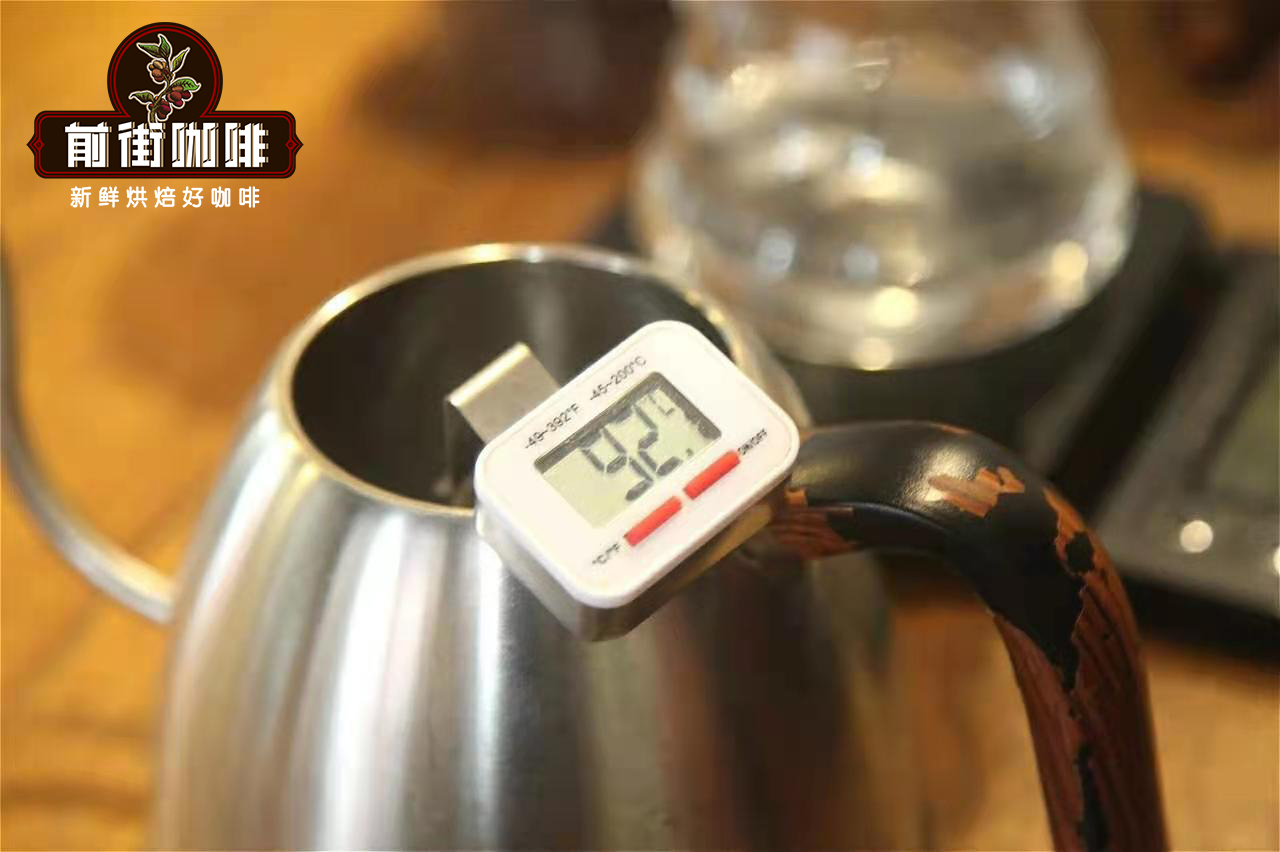
First, consider extraction efficiency. Warmer water extracts faster and more completely, pulling more compounds out of the grounds and yielding a stronger cup—but it also makes it easier to extract the flavors you don't want, which leads to over-extraction. Cooler water does the opposite: extraction slows, the cup tastes weaker, and under-extraction becomes a risk. That is why neither room-temperature water nor boiling water is suitable for brewing coffee.
Second, thanks to coffee associations such as the SCAA and SCAE, which established data-driven scientific standards, and to advances in equipment, we can build on a solid body of knowledge. Water at 86-93°C readily produces extraction yields of 18-22%. Through repeated testing, FrontStreet Coffee has found that holding the temperature at 90-91°C consistently gives the best flavor when brewing most light to medium roast coffees.
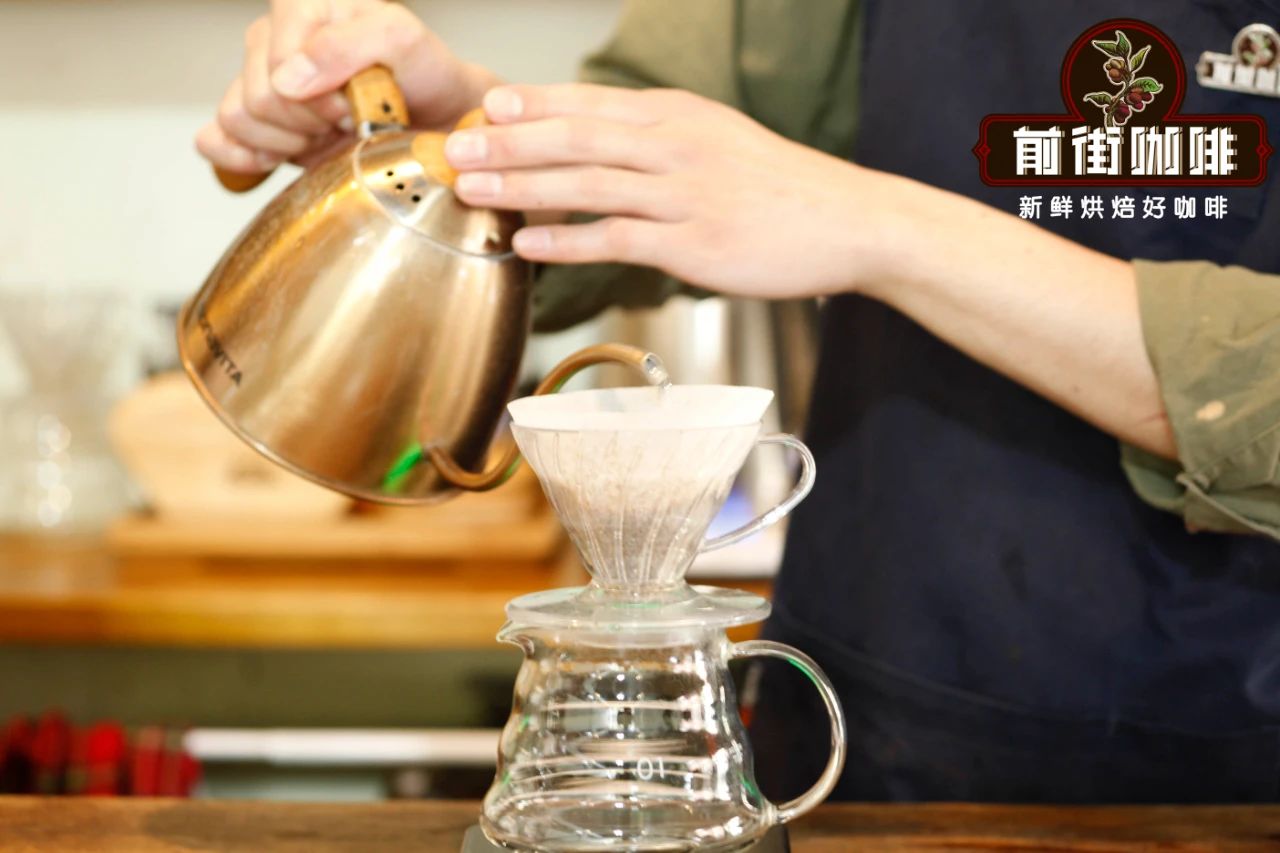
Does a 1°C Difference in Water Temperature Matter?
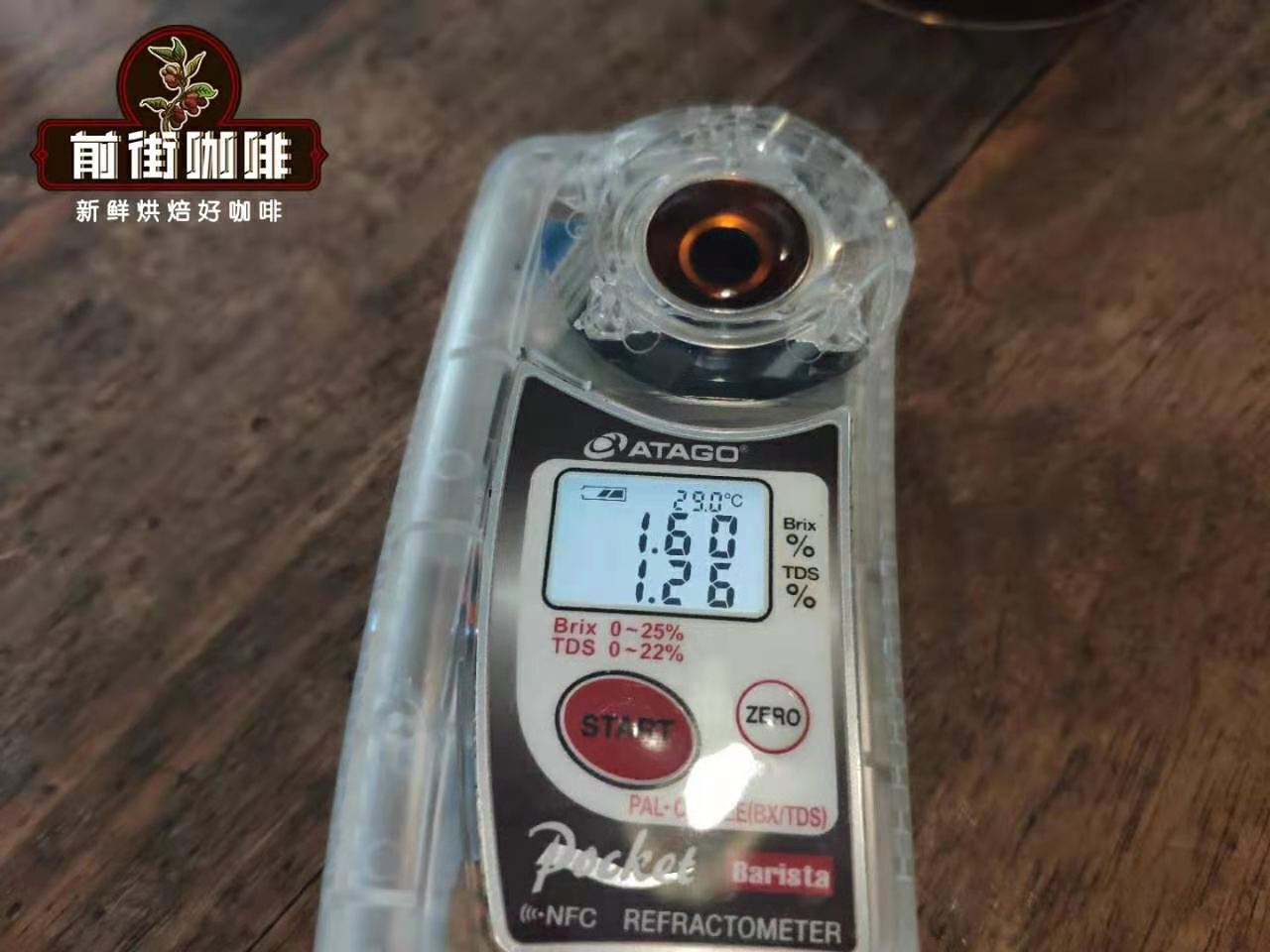
A 1°C difference does have an effect—but is it significant? FrontStreet Coffee ran a side-by-side experiment brewing Yirgacheffe coffee (recommended temperature: 90°C) at 89°C, 90°C, and 91°C, holding all other variables as constant as possible. The cups differed, but only subtly, and the gap would be hard to spot without tasting them side by side. The measured concentrations were 1.26%, 1.27%, and 1.30% respectively.
Of course, a 1°C difference inside the kettle won't make or break a pour-over—but that is no excuse for a "close enough" attitude, since small variations can still lead to different outcomes. The reason is that many factors affect water temperature, and the temperature that actually does the extracting is the one inside the filter cup, not necessarily the one in the kettle. That raises an important point: to pin down the true brewing temperature, you should measure the water as it meets the coffee grounds in the filter cup. Since that temperature is hard to capture, however, we can only treat the kettle reading as a reference.
Other Factors That Affect Water Temperature
If you rely on the kettle temperature alone, there are simply too many unknowns.
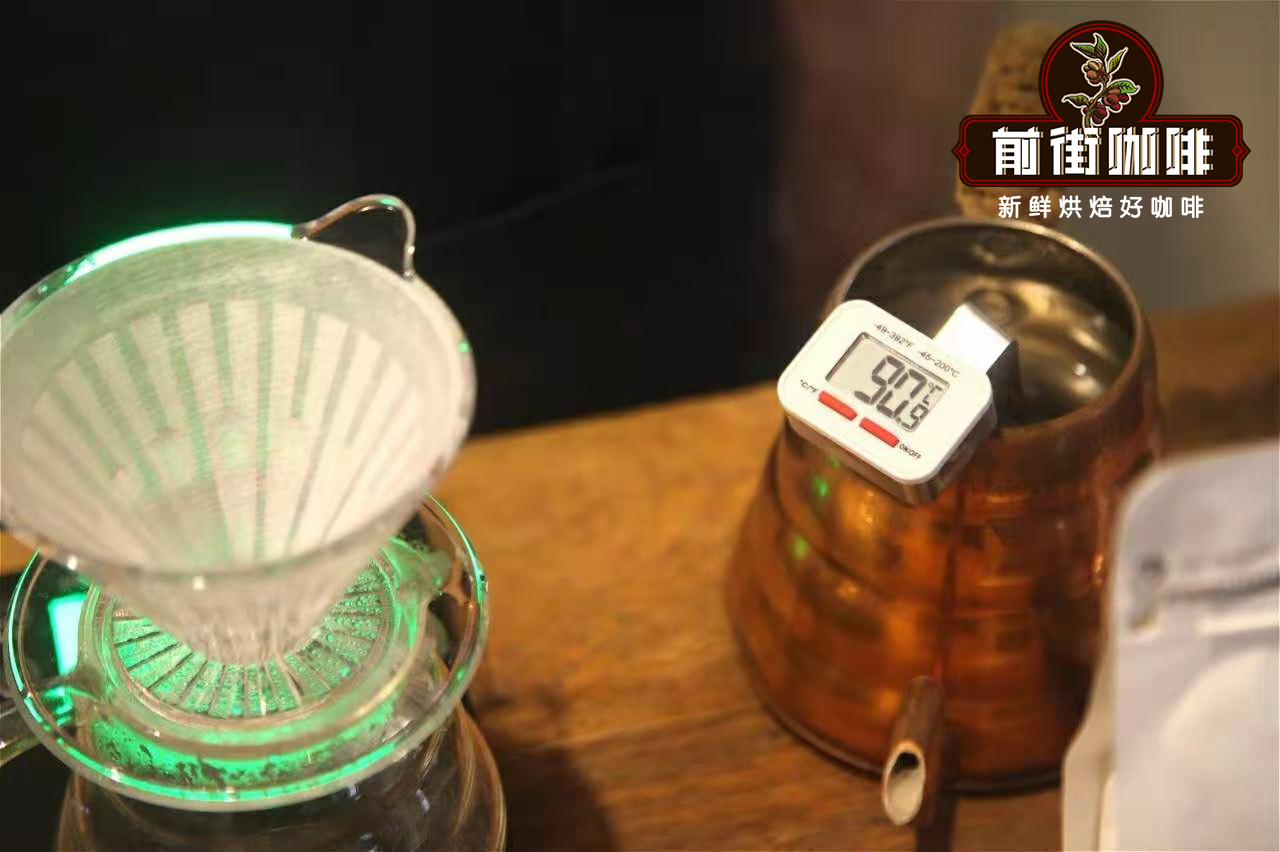
1. Kettle insulation. Coffee brewing is an extraction process, and kettles of different materials insulate differently. Copper, for instance, holds heat better than stainless steel. Starting a brew at 90°C, water in a copper kettle drops to 86.4°C after 1 minute and 30 seconds, while water in a stainless steel kettle falls to 83.6°C over the same time. The amount of water in the kettle also affects how quickly it cools.
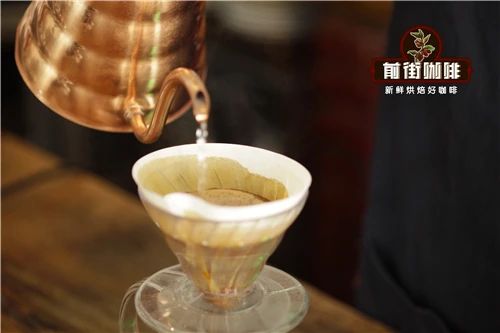
2. Pour height. In an earlier experiment, FrontStreet Coffee showed why a high pour yields a lower concentration than a low pour. A key reason is that when the water column enters the filter cup, its larger surface area exposed to air cools faster.
3. Filter cup insulation. The actual extraction temperature is certainly lower than the kettle temperature. When brewing with a ceramic filter cup, for example, the peak extraction temperature reaches 87.7°C (from an initial kettle temperature of 91°C). If the ceramic cup is not preheated, the extraction temperature drops even further—a measured peak of 86.9°C.
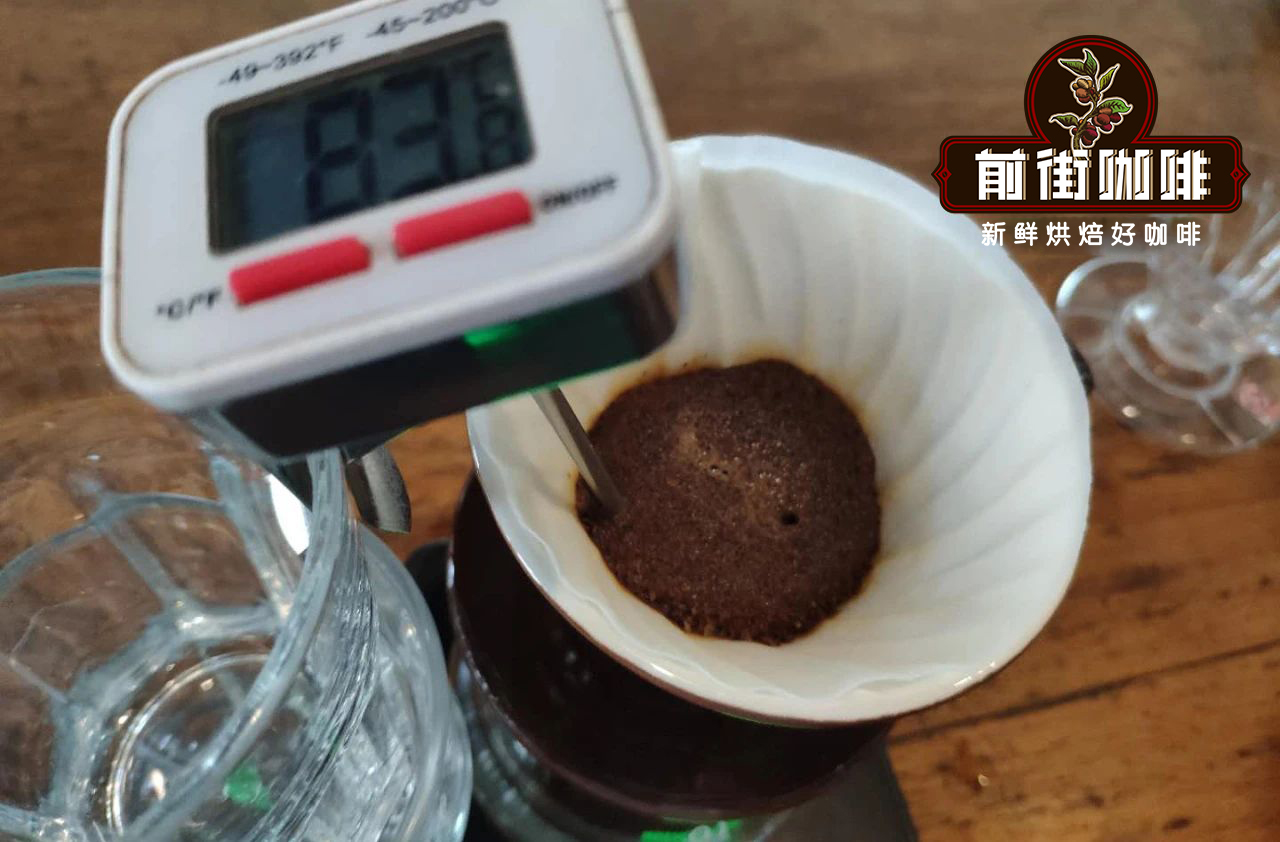
Water temperature is a critical variable, but when we talk about it we are not just talking about the initial kettle reading. The temperature changes after the water leaves the spout deserve just as much attention, because the true brewing temperature is essentially the temperature during extraction.
FrontStreet Coffee Recommendation
Temperature control matters most with delicate, aromatic coffees, and FrontStreet's light-roasted Ethiopian lots reward a careful hand. FrontStreet Yirgacheffe Gedingding is a favorite entry point into specialty coffee, with bright citrus, berry, and floral notes and a green-tea-like sweetness; brewed at 90-91°C its acidity stays soft and juicy rather than sharp. FrontStreet Ethiopia Huakui pushes tropical fruit even further, with strawberry, passion fruit, jackfruit, and lychee aromas, marked sweetness, and almost no bitterness—an eye-opening cup for anyone who thinks they dislike coffee.
For a more luxurious pour-over, FrontStreet Panama Emerald Estate Red Label Geisha shows exceptionally elegant jasmine, citrus, bergamot, and black-tea notes with a clean, transparent body and a long, layered finish. Whatever you brew, starting from the recommended 90-91°C for light roasts and fine-tuning from there will let these delicate floral and fruit flavors come through cleanly.
Important Notice :
FrontStreet Coffee is a long-established specialty coffee roaster in Guangzhou China, selling freshly roasted beans from its own farm in Yunnan as well as dozens of carefully selected single-origin beans from around the world for both pour-over and espresso. The products deliver consistently excellent quality and great value, with shipping within 24 hours. Guangzhou's FrontStreet Coffee shop is recommended by many coffee lovers, and the beans are now available online at the Tmall 。
FrontStreet Coffee has moved to a new address:
FrontStreet Coffee Address: 315,Donghua East Road,GuangZhou
Tel:020 38364473
 Scan and follow the En Gafei WeChat official account. Please indicate that the reprint comes from "En Gafei".