Does Kenya Have Sun-Dried Coffee Beans? Brewing Flavor Performance of Sun-Dried Kenyan Coffee Beans
The Surprise of Natural Process Kenyan Coffee
"What! Kenya actually has natural process coffee beans?" That was the first reaction of many people when FrontStreet Coffee brought out this FrontStreet Coffee Kenya Endebess Estate Natural Micro-lot. The Kenyan coffee most of us see is processed by the washed method with 72-hour fermentation, which has created the misconception that "Kenyan coffee only comes washed."
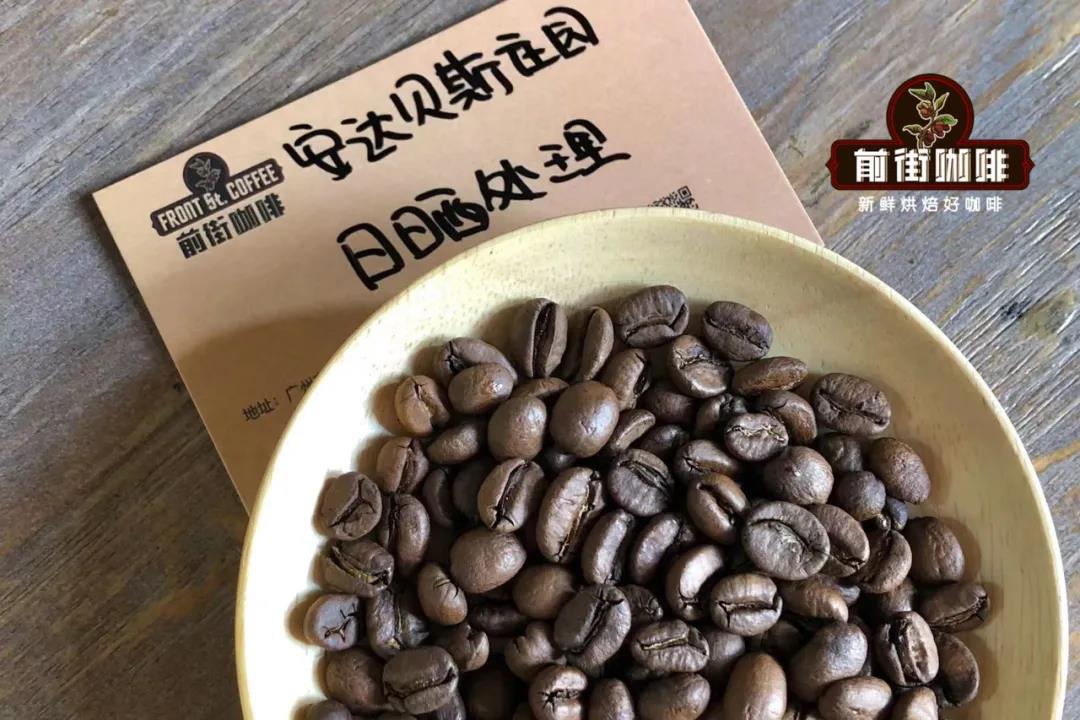
FrontStreet Coffee · Kenya Endebess Estate Natural Micro-lot Coffee Beans
Region: Northern Great Rift Valley
Altitude: 1750-1950m
Processing Method: Natural Process
Varieties: SL28, SL34
Grade: AA
The estate sits in Kenya's northern Rift Valley, near the town of Kitale in Trans-Nzoia County. Endebess Estate covers roughly 758 hectares, of which 248 hectares are planted with coffee.
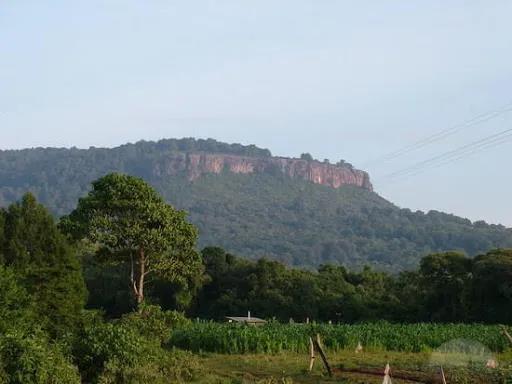
In 2011 the estate was transferred once again, this time to its current owner, Kaitet Tea Plantations.
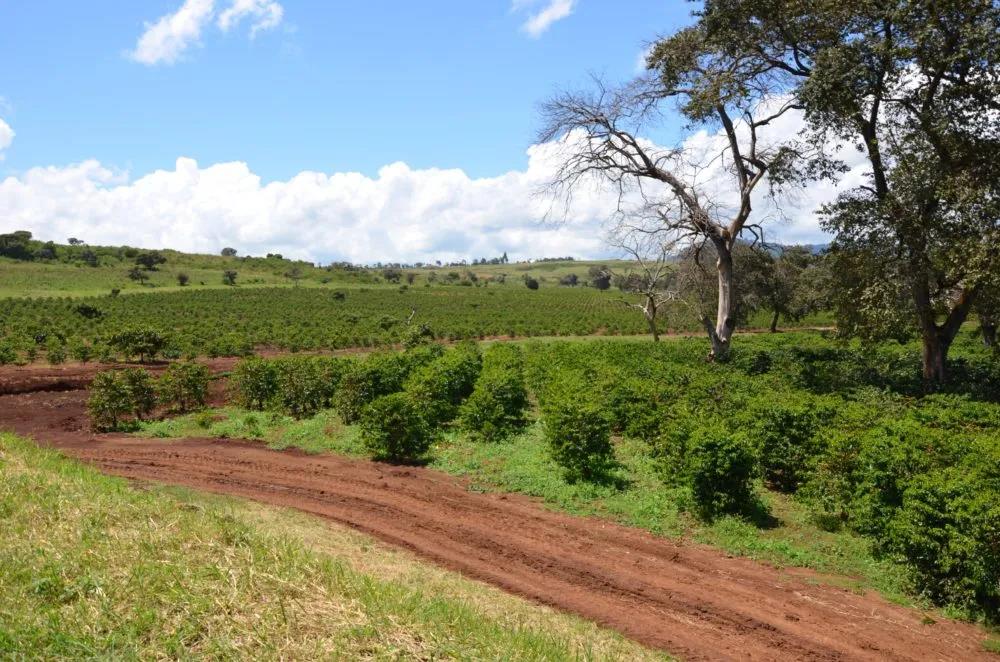
Under its current owner, the estate has put greater emphasis on employee welfare and social responsibility. Since 2011 it has helped renovate more than 15 houses and sponsored two high school students so they could continue their education. From 2012 onward the estate has kept improving its infrastructure, and coffee quality has climbed steadily as a result. The owner plans to expand these social responsibility programs as profits grow.
Coffee Varieties
SL28 & SL34
Between 1935 and 1939, Scott Laboratories prefixed every variety it selected and bred with "SL". The lab gathered 42 varieties from different origins and studied their yield, quality, drought tolerance, and disease resistance. After numbering and screening them one by one, SL-28 and SL-34 emerged as the winners. Relatively speaking, SL-28 earned the higher reputation, while SL-34 is more productive and tolerates slightly lower altitudes.
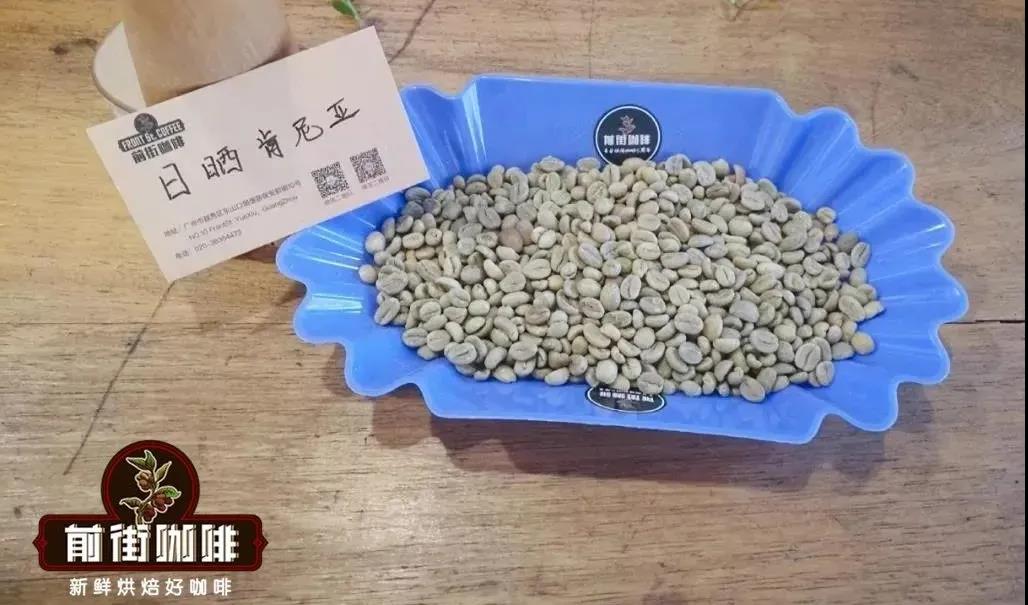
SL28 belongs to the Bourbon genetic group; it tolerates drought but resists coffee leaf rust poorly. SL28 beans resemble Bourbon: round and plump. SL34 is genetically closer to Typica, and its bean shape leans toward Typica's elongated oval. Seen from the side, SL34 beans look flatter than Typica and less full.
Flavor Differences Between SL28 & SL34
After cupping the two varieties separately, FrontStreet Coffee finds that the SL28 and SL34 varieties have similar flavors: both show complex, shifting berry-like acidity and a caramel-sweet aftertaste.
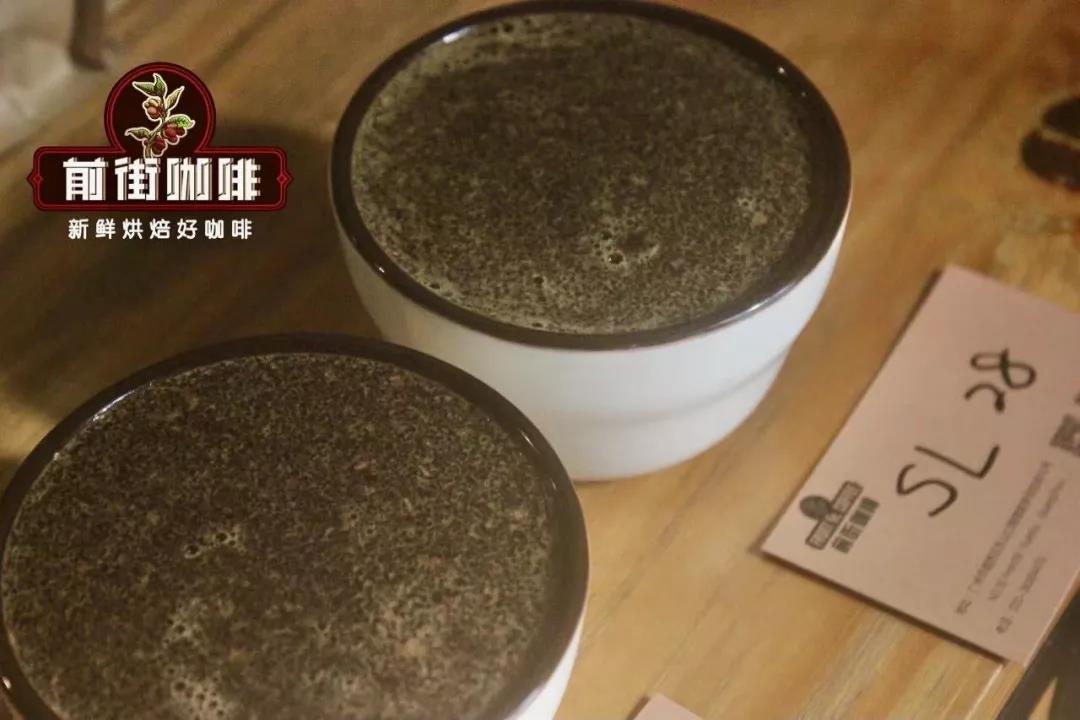
If you insist on drawing a line between them: SL34 carries the heavier body, with acidity closer to full blackberry juice, overall sweetness and acidity in balance, and a caramel finish. SL28 leans toward blueberry-juice acidity, with overall acidity slightly higher and sweetness greater, the hallmark high-sweetness character of the Bourbon group.
Natural Processing Method
Natural
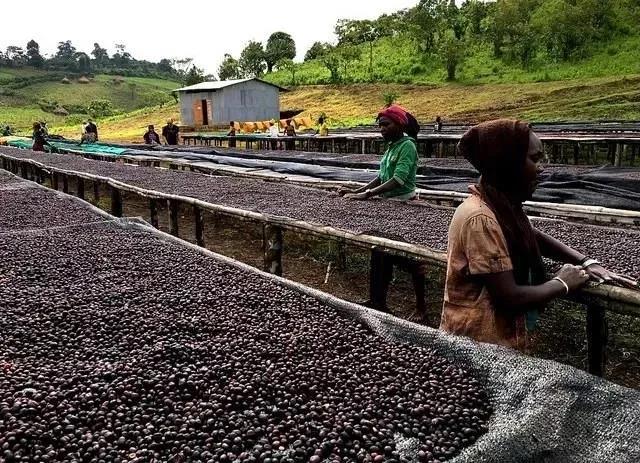
For this natural lot, the coffee cherries from Endebess Estate are rinsed in water drawn from the Koitobos River and then dried whole on raised beds. Depending on the weather, drying usually takes 21 to 28 days. During drying, the cherries are turned at least four times a day so they dry evenly. Once the moisture content of the cherries falls to 10-12%, machines remove the skin and pulp before the beans go into storage.
FrontStreet Coffee Roasting Recommendations
Preheat the drum to 180°C, then charge the beans at a heat setting of 130 with the damper at 3. The turning point comes at 1'42". When the drum temperature reaches 140°C, open the damper to 4. At 146°C the bean surface turns yellow and the grassy aroma disappears completely. At 166°C, reduce the heat to 100, keeping the damper unchanged.
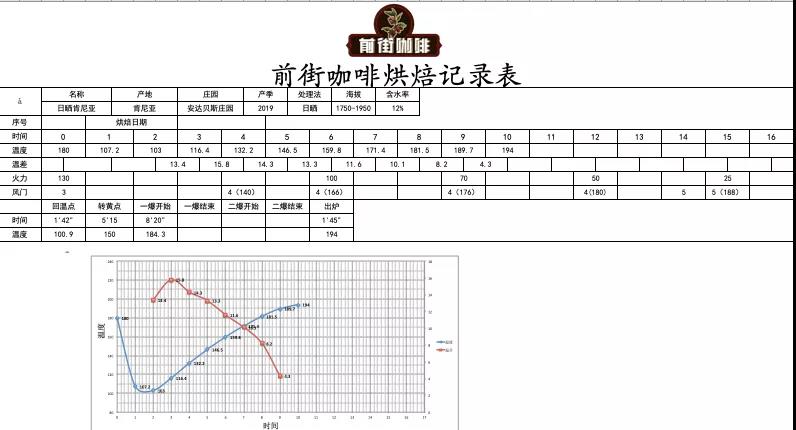
At 7'25", wrinkles and dark spots appear on the bean surface and the toasted-bread aroma clearly turns into coffee aroma, the prelude to first crack. From here, listen carefully for the sound of first crack. At 8'20" first crack begins; reduce the heat to 70 and keep the damper unchanged. Develop for 1'45" after first crack, then drop the beans at 194°C.
FrontStreet Coffee Cupping Report
Dry Aroma: Cherry tomato
Wet Aroma: Caramel
Flavor: Cherry tomato, smoked plum, lemon, caramel, cream, black tea
FrontStreet Coffee Brewing Experience
Through cupping, FrontStreet Coffee found that this natural Kenyan has a fuller, more substantial body than the washed Kenyan. So when brewing the natural, the grind can go slightly coarser, about the size of coarse sugar, which produces a cup with more layers and complexity.
Dripper: Hario V60
Dose: 15g
Ratio: 1:15
Grind: Medium-fine (72% retention rate on #20 standard sieve)
Water Temperature: 90°C
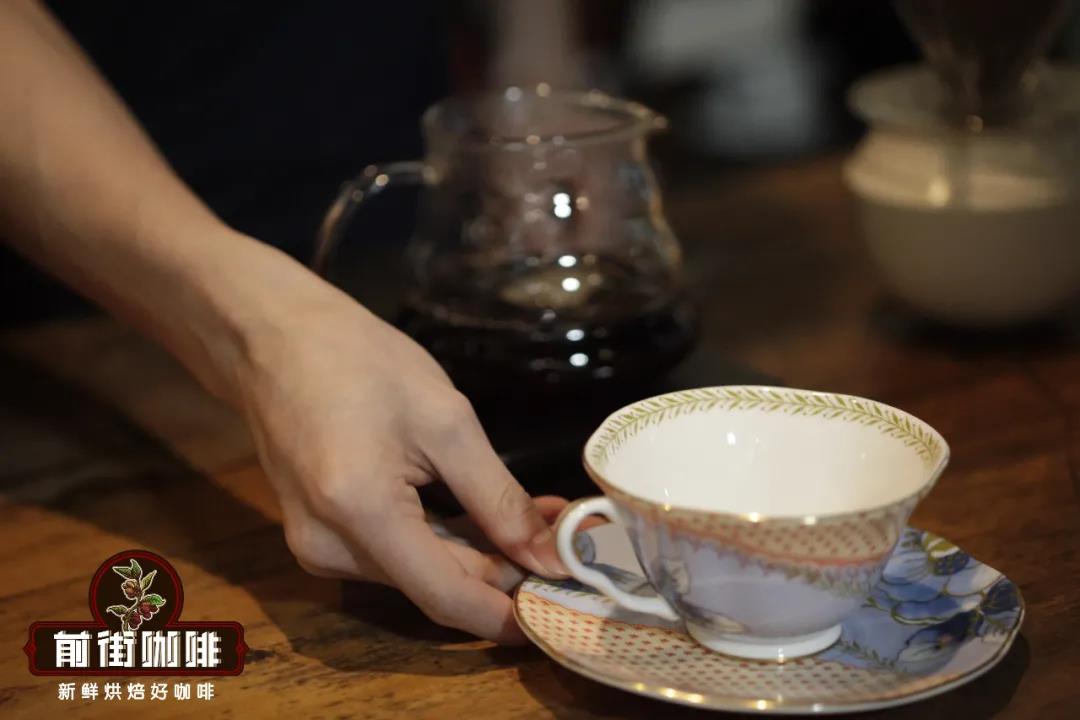
First, pour 30g of water for a 30-second bloom. For the second pour, inject 125g of water in small circles at the center, pouring gently to minimize agitation of the coffee bed, at a flow rate of 4g per second. When the water level drops to half the height of the coffee bed, begin the third pour, also gently, spiraling out from the center until you reach 225g. End extraction when all the coffee has dripped through, with a total time of 1'54". After extraction, give the server a gentle swirl to even out the brew before tasting.
Brewing Flavor of [FrontStreet Coffee Kenya Endebess Estate Natural Process Coffee Beans]
At high temperature it shows a caramel aroma, cherry-tomato juiciness, and the tartness of smoked plum. As the cup cools slightly, lemon acidity and a creamy smoothness emerge, finishing with a black-tea aftertaste and a pronounced sweet finish.
FrontStreet Coffee Recommendation
If the natural version intrigues you, it is worth tasting it side by side with FrontStreet Coffee's washed Kenya, the cherry-tomato lot that Kenya does best, built on the country's signature double fermentation washed process. Through repeated rinsing and soaking, that coffee pushes the fruit-juice character to the extreme: notes of cherry tomato, dark plum, snow pear, black plum, and yellow sugar, with a sweet-and-sour, juicy mouthfeel that many coffee enthusiasts count among their favorites. Compared with the natural, the washed cup is brighter and cleaner, while the natural is fruitier and fuller-bodied, brewing the two side by side is the clearest way to hear what processing does to a Kenyan. For both, the V60 parameters above (15g dose, 1:15 ratio, 90°C water, medium-fine grind) are an excellent starting point.
Important Notice :
FrontStreet Coffee is a long-established specialty coffee roaster in Guangzhou China, selling freshly roasted beans from its own farm in Yunnan as well as dozens of carefully selected single-origin beans from around the world for both pour-over and espresso. The products deliver consistently excellent quality and great value, with shipping within 24 hours. Guangzhou's FrontStreet Coffee shop is recommended by many coffee lovers, and the beans are now available online at the Tmall 。
FrontStreet Coffee has moved to a new address:
FrontStreet Coffee Address: 315,Donghua East Road,GuangZhou
Tel:020 38364473
 Scan and follow the En Gafei WeChat official account. Please indicate that the reprint comes from "En Gafei".