Does Kenya Have Natural Process Coffee Beans? Brewing Flavor Performance of Natural Process Kenya Coffee Beans
Professional Coffee Knowledge Exchange
Welcome to today's coffee knowledge exchange, where we look at Kenya's natural-process micro-lots and what they bring to the cup.
"What! Kenya actually has naturally processed coffee beans?" That is the first reaction of many people after FrontStreet Coffee brought out this coffee. The Kenyan beans we meet day to day are mostly processed with the 72-hour small-batch fermentation method, which has created the misconception that Kenyan coffee is only washed processed.
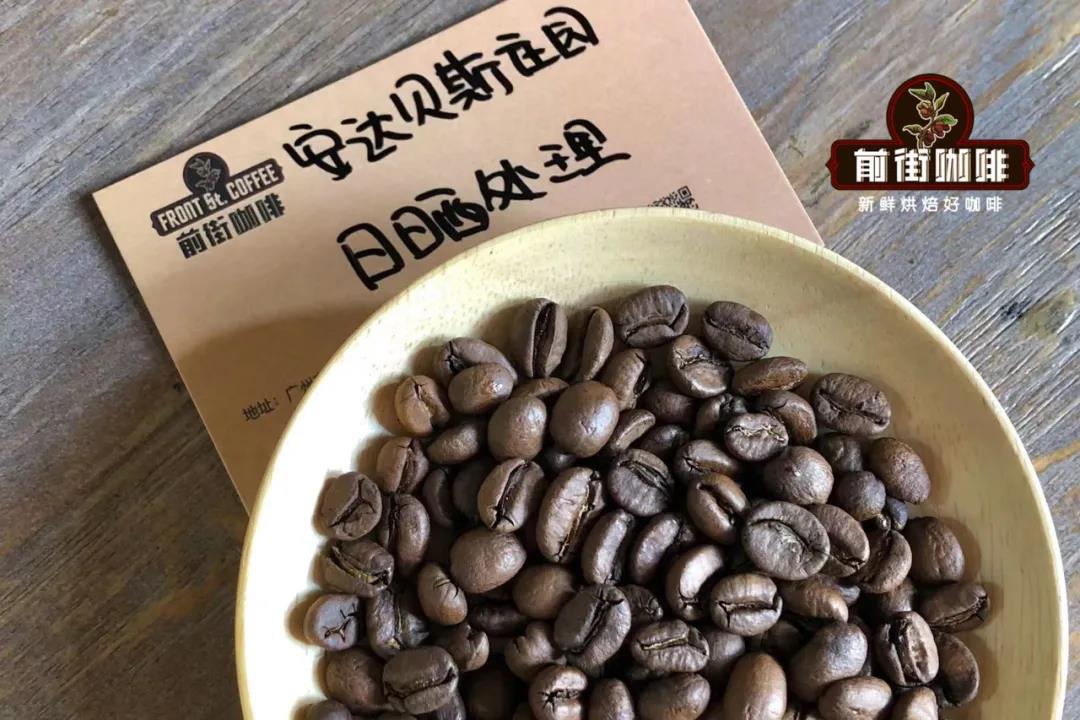
FrontStreet Coffee - Kenya Endebess Estate Natural Micro-batch Coffee Beans
Region: Northern Great Rift Valley, East Africa
Altitude: 1750-1950m
Processing Method: Natural Processing
Variety: SL28, SL34
Grade: AA
Endebess Estate
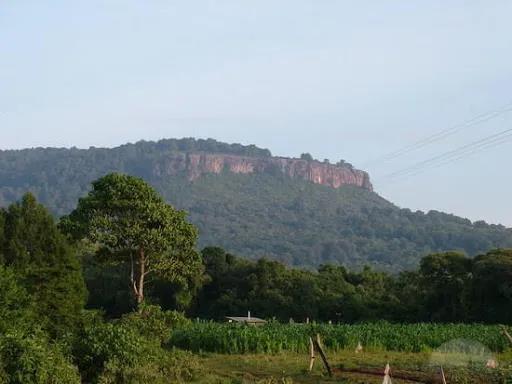
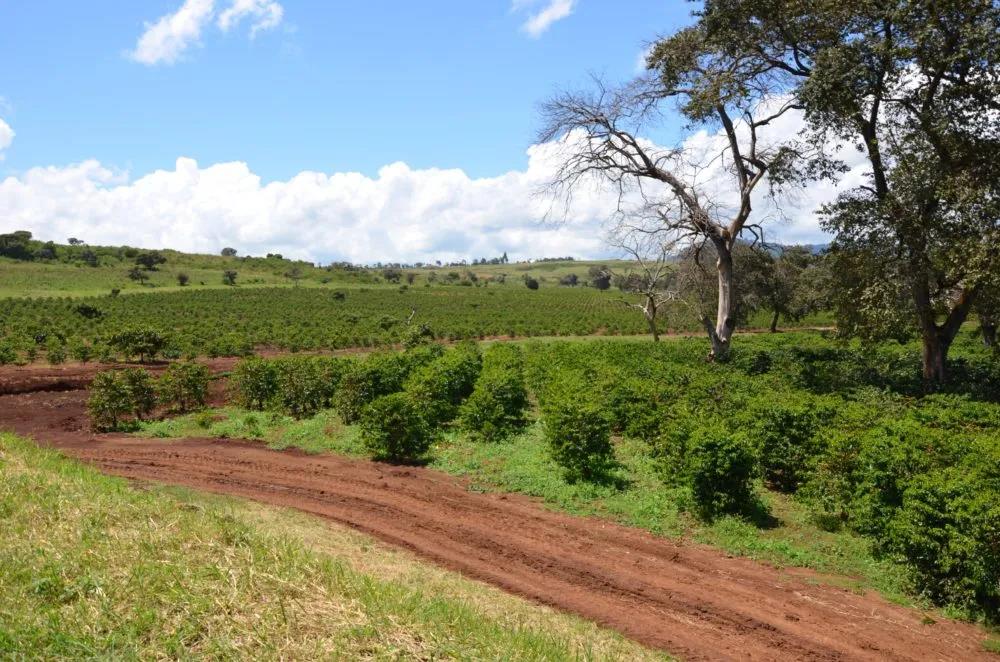
The estate is located in Kenya's northern Rift Valley, near the town of Kitale in Nzoiya County. Endebess Estate covers approximately 758 hectares of land, with 248 hectares dedicated to coffee cultivation.
The Rift Valley contains the Cherang'any Hills and a series of volcanoes, some of them still active. The Cherang'any Hills are one of Kenya's five major forests and catchment areas, spanning three counties: Trans Nzoia, Elgeyo Marakwet, and West Pokot. Endebess Estate sits at the foot of Mount Elgon, an extinct volcano on the border of Uganda and Kenya. The rich volcanic soil and water sources naturally make it an ideal place for coffee trees.
As early as the 1940s, Endebess Estate had its own coffee processing facilities. In addition to coffee grown on its own farm, the estate owner also buys coffee from surrounding smallholders for processing. When high-quality cherries come in, the owner pays a higher price, which both raises smallholder income and encourages them to keep farming carefully. These high-quality cherries are processed separately as micro-batches, ensuring this batch of beans can reach its best performance.
The estate was previously owned and managed by Mr. E.W. d'Ollier. It was sold to Gatatha Farmers Co., Ltd. in 1976, and then transferred again in 2011 to its current owner, Kaitet Tea Plantations.
After taking over, the current owner has placed greater emphasis on employee welfare and social responsibility. Since 2011, the estate has helped renovate more than 15 houses and sponsored two high school students toward a better education. From 2012 onward, the estate has continuously improved its infrastructure, making the coffee better year by year. The owner plans to expand these social responsibility initiatives as profits increase.
Coffee Varieties
SL28 & SL34
Between 1935 and 1939, the Scott Laboratories prefixed all of its selectively bred coffee varieties with SL. The laboratory selected 42 varieties from different origins and studied their yield, quality, drought resistance, and disease resistance. After sequential numbering and screening, SL-28 and SL-34 were ultimately chosen. Relatively speaking, SL-28 has gained the higher recognition, while SL-34 has higher yields and slightly lower altitude requirements.
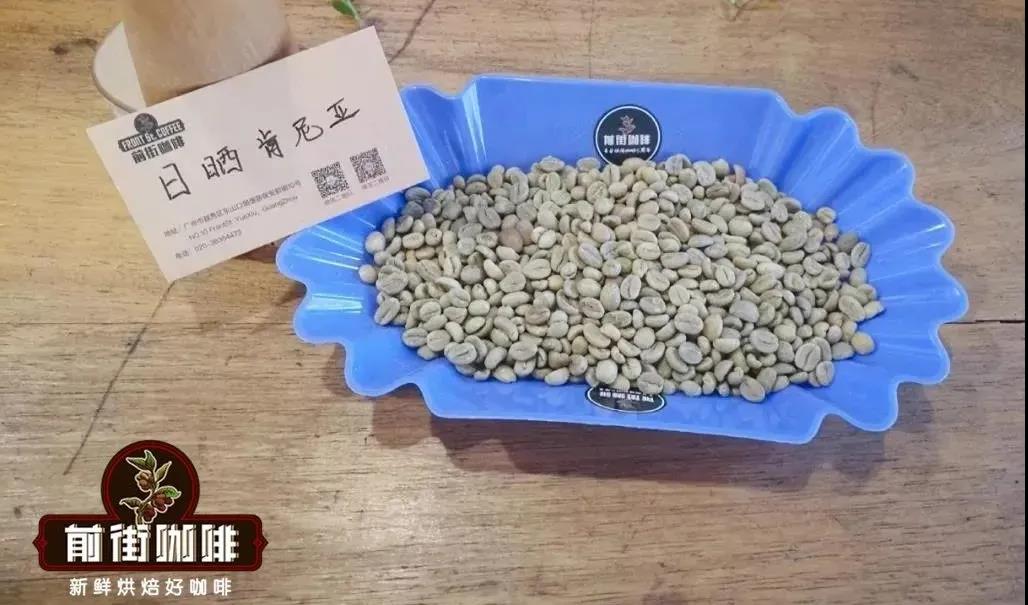
SL28 belongs to the Bourbon genetic group and has drought resistance but poor resistance to coffee leaf rust. SL28 beans resemble Bourbon: round and thick. SL34 is genetically closer to Typica, with a bean shape closer to Typica's elongated, oval characteristics. From the side, SL34 beans appear flatter and less full than Typica.
Flavor Differences Between SL28 & SL34
FrontStreet Coffee, through differentiation and individual cupping, finds the flavors of SL28 and SL34 to be similar, both featuring complex, varied berry-like acidity and a caramel-sweet aftertaste.
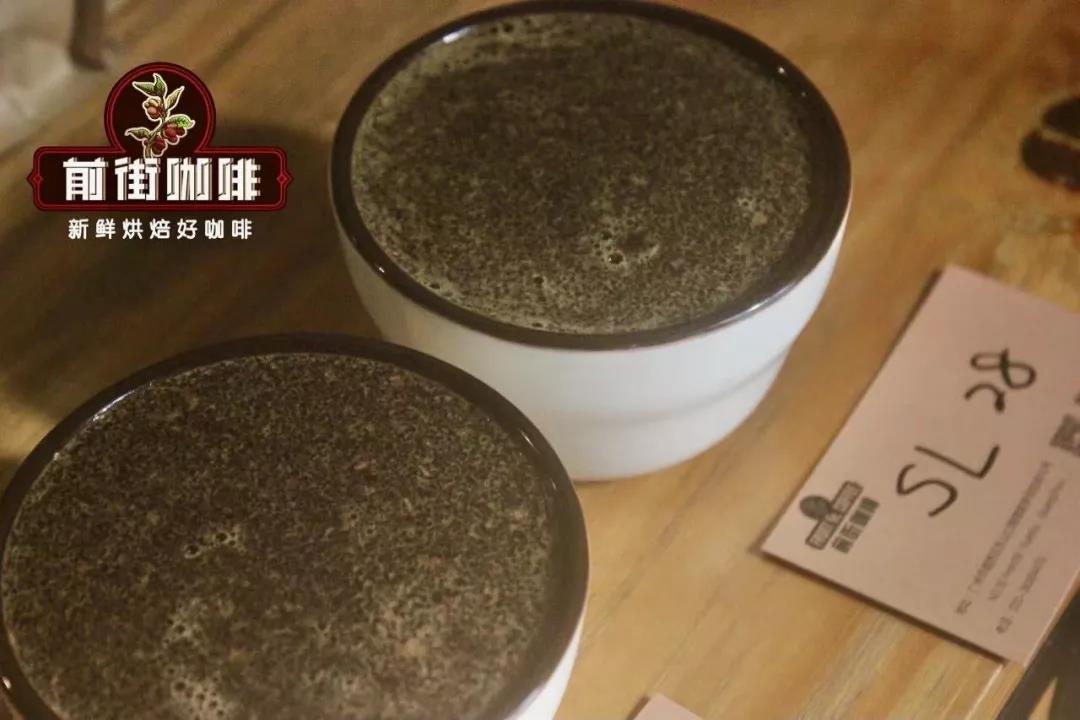
If we must distinguish them, SL34 has a heavier body with acidity leaning toward the fullness of blackberry juice, with overall sweet-sour balance and a caramel aftertaste. SL28 tends toward blueberry-juice acidity, with slightly more vibrant overall acidity and higher sweetness, showing the high-sweetness character of Bourbon varieties.
Natural Processing Method
Natural
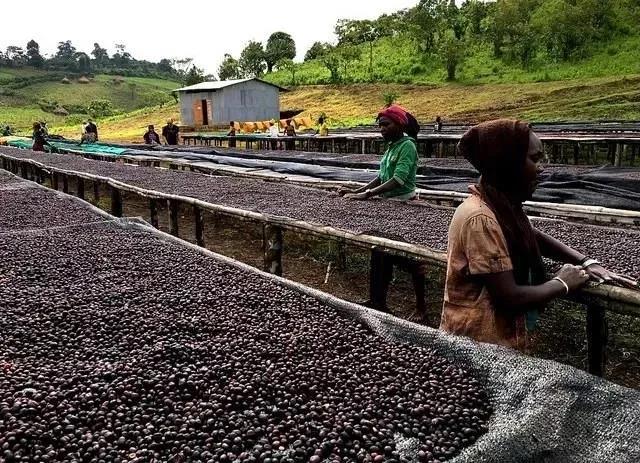
This batch of beans acquired by FrontStreet Coffee is cleaned and floated using water from the Koitobos River at Endebess Estate, then dried on raised beds as a natural micro-batch. Depending on the weather, drying typically takes 21 to 28 days. During drying, the cherries are turned at least four times a day to ensure even drying. When the moisture content drops to 10-12%, machines can be used to remove the skin and pulp before storage.
FrontStreet Coffee Roasting Recommendations
Preheat to 180 degrees Celsius, then add beans with 130 heat power and the air damper at setting 3. The return temperature point is at 1:42. When the temperature reaches 140 degrees Celsius, open the damper to 4. When it reaches 146 degrees Celsius, the bean surface turns yellow and the grassy aroma disappears completely. At 166 degrees Celsius, reduce the heat to 100 and leave the damper unchanged.
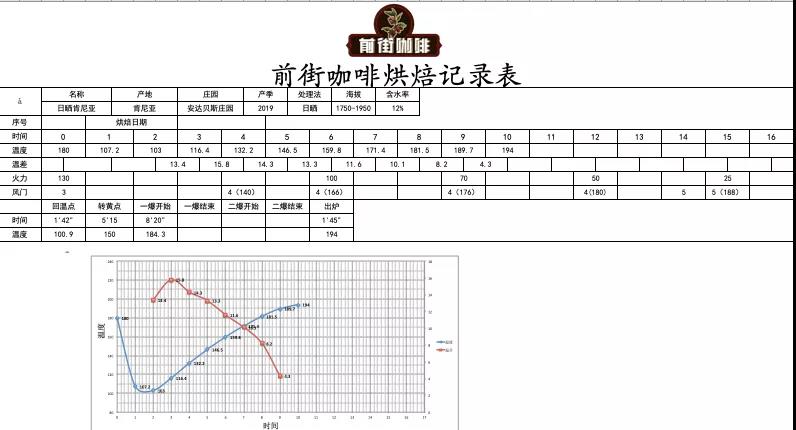
At 7:25, ugly wrinkles and black spots appear on the bean surface, and the toast aroma clearly shifts into coffee aroma, which can be defined as the prelude to first crack. At this point, listen carefully for the sound of first crack. First crack begins at 8:20; reduce the heat to 70 and leave the damper unchanged. Develop for 1:45 after first crack and finish at 194 degrees Celsius.
FrontStreet Coffee Cupping Report
Dry Aroma: Cherry tomato
Wet Aroma: Caramel
Flavor: Cherry tomato, smoked plum, lemon, caramel, cream, black tea
FrontStreet Coffee Brewing Experience
FrontStreet Coffee found through cupping that this natural Kenyan coffee has a fuller, more substantial body than washed Kenyan coffee. So when brewing it, the grind size can be slightly coarser, similar to coarse sugar, which results in a more layered extraction.
Dripper: Hario V60
Dose: 15g
Ratio: 1:15
Grind: Medium-fine grind (72% pass-through rate with a #20 standard sieve)
Water Temperature: 90 degrees Celsius
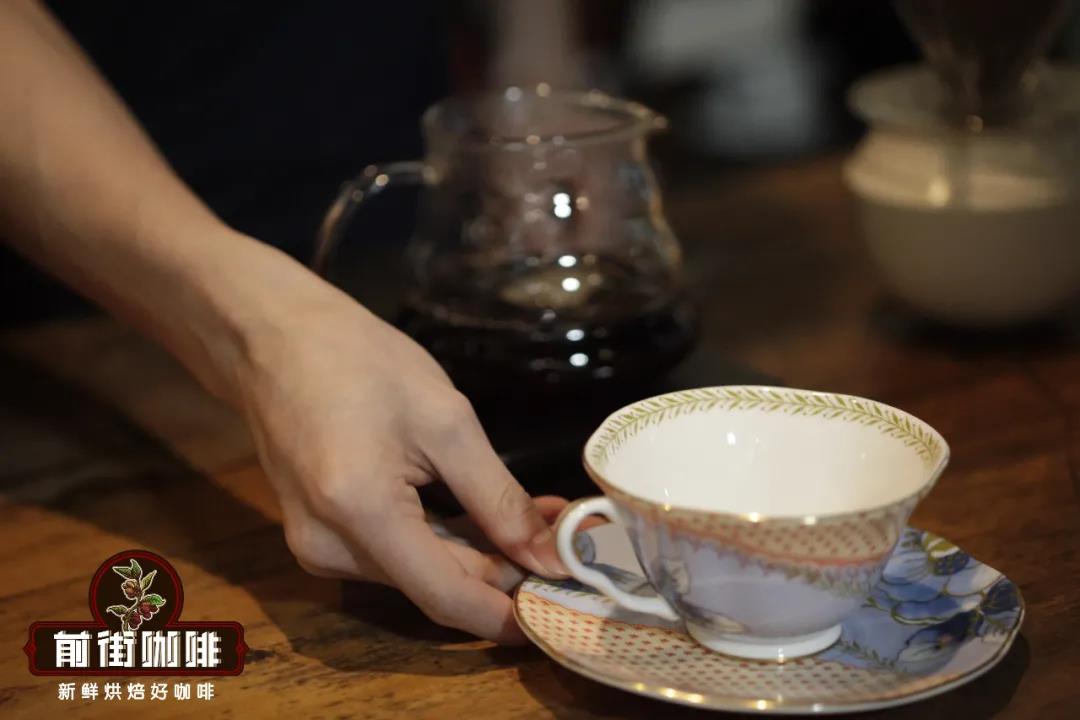
First, pour 30 g of water to bloom for 30 seconds. Second, pour 125 g of water in small circles from the center, using gentle force to minimize agitation of the coffee bed, with a flow rate of 4 grams per second. When the water level drops to 1/2 of the coffee bed, begin the third pour, again spiraling gently from the center outward until reaching 225 g. End extraction when all the coffee liquid has dripped through, with a total time of 1:54. After extraction, gently shake to mix the coffee liquid fully before tasting.
Brewing Flavor: At high temperature it smells of caramel, with cherry tomato juice quality and smoked-plum acidity. As it cools slightly, lemon acidity and creamy smoothness emerge, with black tea in the aftertaste and an obvious overall sweet finish.
FrontStreet Coffee Recommendation
Kenya's natural micro-lots are a fascinating twist on the country's usual washed profile, and if it is Kenyan coffee you love, FrontStreet Coffee's Kenya Cherry Tomato is the benchmark. A classic Kenyan washed single origin from the Thika region, grown at 1,550 to 1,750 meters from SL28 and SL34 with full, rounded beans, it is processed by Kenya's signature 72-hour double-washed fermentation and light roasted to protect the lively acidity and layered fruit. The dry aroma is full of sun-dried cherry tomato and flowers, and the cup opens with clear cherry tomato and smoked plum, bright and firm like freshly squeezed juice, with snow pear and black plum in the middle, a clean lingering finish of brown sugar and light green tea, and a high, distinctive sweet-sour balance.
If you enjoy washed African coffee more broadly, the Yirgacheffe Gudingding Cooperative coffee is washed and medium-light roasted, showing jasmine and bright citrus with green tea and honey; it suits pour-over, cold brew, and espresso alike. And for a mellow, balanced change of pace, the Jamaica Blue Mountain No. 1 is medium-dark roasted with hazelnut, cream, chocolate, and caramel layered over a clean, long finish.
Important Notice :
FrontStreet Coffee is a long-established specialty coffee roaster in Guangzhou China, selling freshly roasted beans from its own farm in Yunnan as well as dozens of carefully selected single-origin beans from around the world for both pour-over and espresso. The products deliver consistently excellent quality and great value, with shipping within 24 hours. Guangzhou's FrontStreet Coffee shop is recommended by many coffee lovers, and the beans are now available online at the Tmall 。
FrontStreet Coffee has moved to a new address:
FrontStreet Coffee Address: 315,Donghua East Road,GuangZhou
Tel:020 38364473
 Scan and follow the En Gafei WeChat official account. Please indicate that the reprint comes from "En Gafei".