
Does Kenya Have Sun-Dried Coffee Beans? Flavor Performance of Sun-Dried Kenya Coffee Beans
The Surprise: Natural-Process Kenya Coffee
"Wait - Kenya grows natural-process coffee too?" That was the reaction of plenty of drinkers when FrontStreet Coffee introduced this lot. The Kenyan beans most of us meet day to day are fermented for 72 hours and then washed, which has bred the stubborn myth that Kenya only ever produces washed coffee.
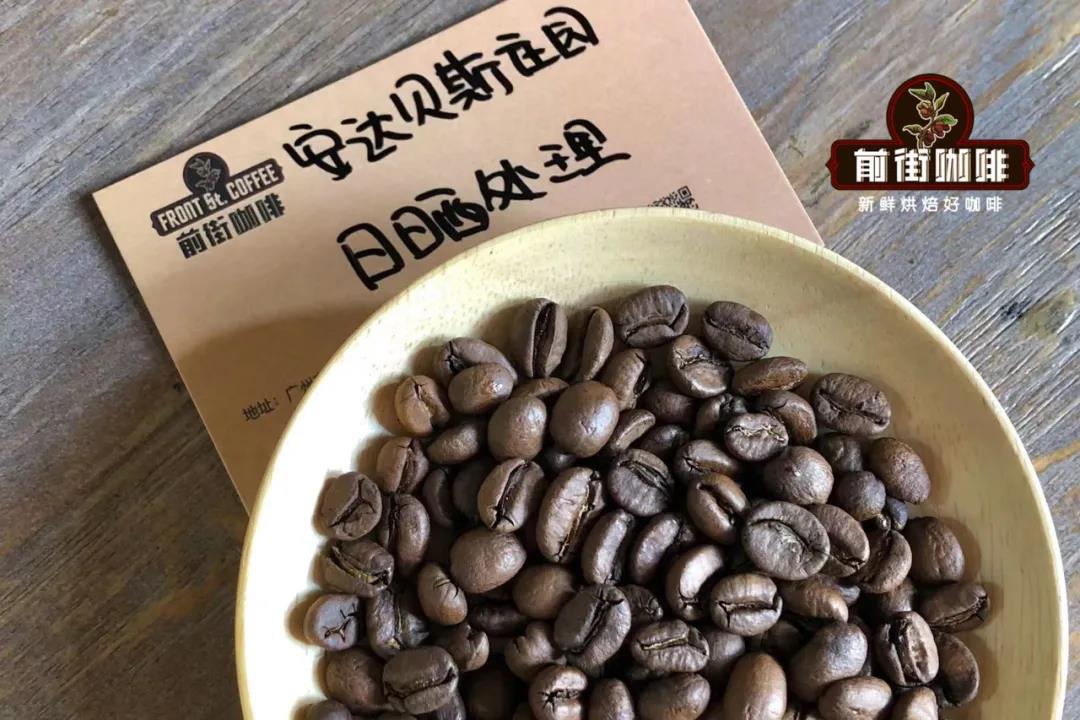
FrontStreet Coffee - Kenya Endebess Estate Natural Micro-Lot
Origin: Northern Rift Valley, East Africa
Altitude: 1,750-1,950 m
Processing Method: Natural
Varieties: SL28, SL34
Grade: AA
The Endebess Estate
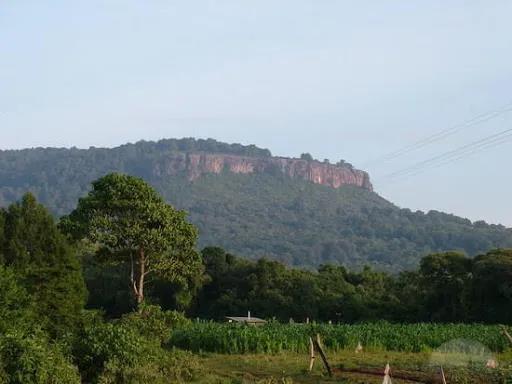
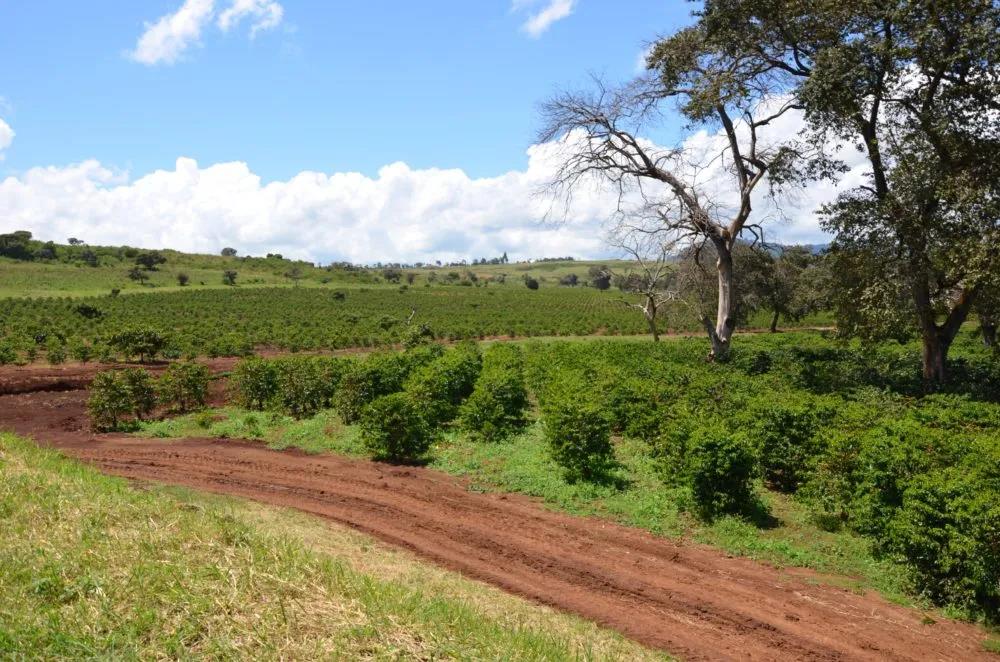
The estate sits in Kenya's northern Rift Valley, close to the town of Kitale in Trans Nzoia County. Endebess covers roughly 758 hectares, 248 of which are planted with coffee.
The Rift Valley cradles the Cherang'any Hills and a chain of volcanoes, some still active. The Cherang'any Hills rank among Kenya's five major forests and water catchments and stretch across three counties: Trans Nzoia, Elgeyo-Marakwet and West Pokot. Endebess lies at the foot of Mount Elgon, an extinct volcano on the Uganda-Kenya border. Volcanic soil and dependable water make it a natural home for coffee trees.
Endebess has had its own processing facilities since the 1940s. Beyond the coffee grown on the estate, the owner also buys cherries from surrounding smallholders, paying a premium for good fruit. That lifts smallholder income and encourages careful cultivation, while the best cherries are set aside for micro-lot processing so that the lot can perform at its peak.
Mr. E.W. d'Ollier once owned and managed the estate. In 1976 it was sold to Gatatha Farmers Company Limited, and in 2011 it changed hands again to its current owner, Kaitet Tea Plantations.
Under the present owner, worker welfare and social responsibility have taken on far greater weight. Since 2011 the estate has helped renovate more than 15 homes and sponsored two students through secondary school. From 2012 onward it has steadily upgraded infrastructure, and cup quality has improved alongside it. The owner intends to expand these social programs as profits allow.
The Varieties
SL28 & SL34
Between 1935 and 1939, the varieties selected and bred by Scott Laboratories carried the prefix SL. The lab screened 42 varieties from different origins for yield, quality, drought tolerance and disease resistance. After individual numbering and selection, SL-28 and SL-34 came out on top. SL-28 earned the bigger reputation, while SL-34 yields more and tolerates slightly lower growing altitudes.
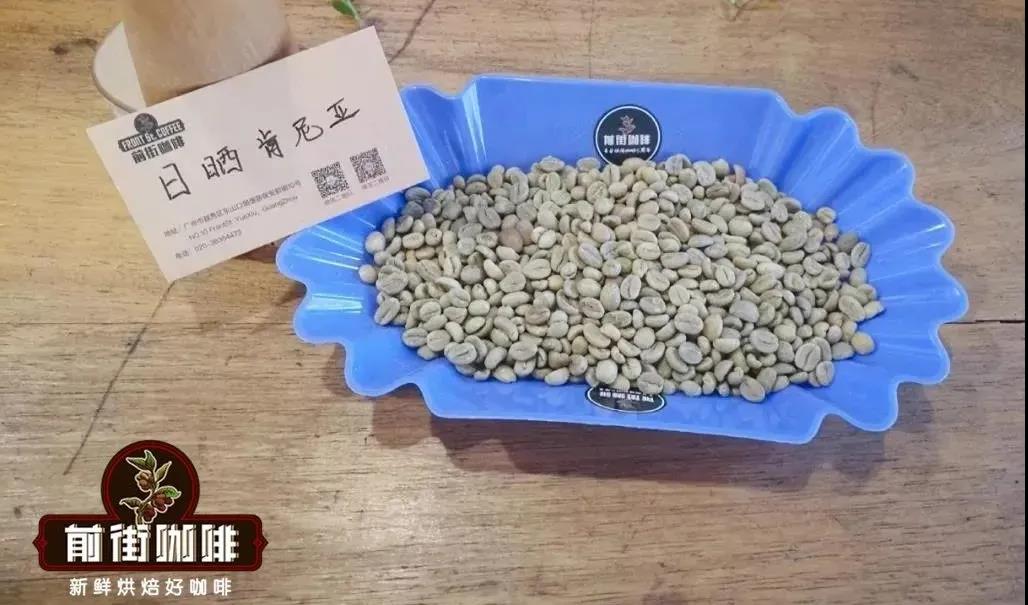
SL28 belongs to the Bourbon genetic group: drought-tolerant, but weak against coffee leaf rust. Its beans resemble Bourbon - round and full. SL34 is genetically closer to Typica, and its beans share Typica's elongated oval shape, though from the side they look flatter and less plump.
SL28 vs SL34: The Flavor Difference
Cupping the two separately, FrontStreet Coffee finds their flavors broadly similar: layered, shifting berry acidity with a caramel-sweet finish.
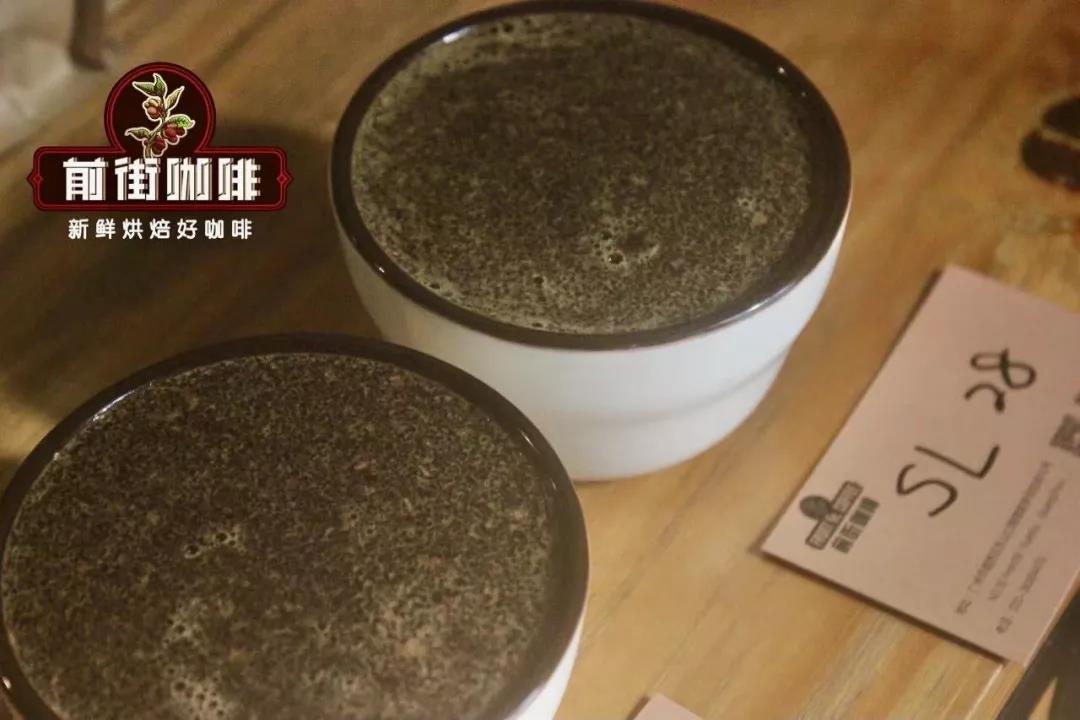
If we must split hairs, SL34 tends toward a heavier body, with acidity that recalls full-bodied blackberry juice and an overall sweet-sour balance plus a caramel aftertaste. SL28 leans toward blueberry-juice acidity, with slightly higher acidity and higher sweetness - the hallmark high sweetness of Bourbon varieties.
Natural Processing
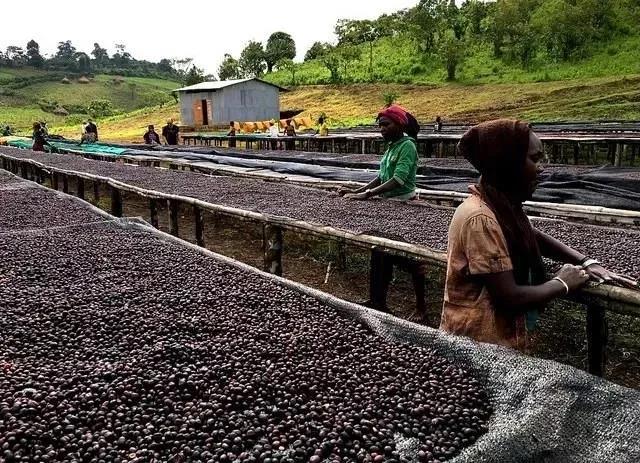
The lot FrontStreet Coffee bought comes from Endebess, where cherries are first washed thoroughly with water from the Koitobos River, then dried on raised beds. Depending on the weather, full drying takes 21 to 28 days. During drying the cherries are turned at least four times a day for even results. Once moisture drops to 10-12%, machines remove the skin and pulp before storage.
FrontStreet Coffee Roasting Notes
Preheat the roaster to 180°C, then charge the beans with heat at 130 and the damper at 3. The turning point arrives at 1'42". At 140°C, open the damper to 4. At 146°C, the bean surface yellows and the grassy aroma disappears entirely. At 166°C, drop the heat to 100 and hold the damper steady.
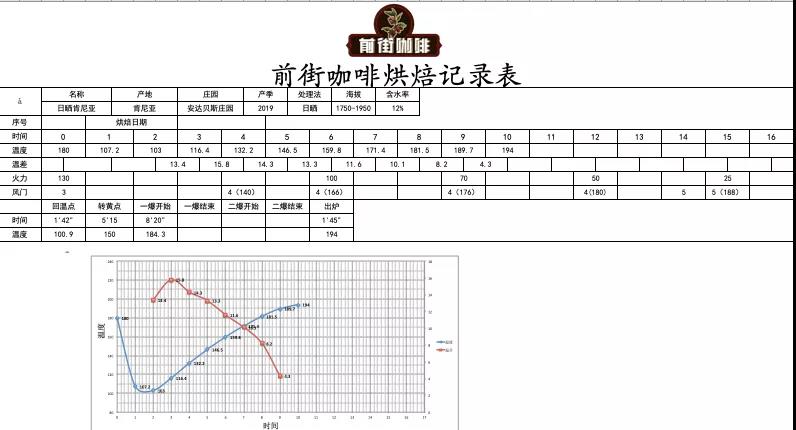
By 7'25", ugly wrinkles and black spots show on the surface and the toast aroma clearly shifts to coffee aroma - the prelude to first crack. Listen closely for the crack here. At 8'20" first crack begins; reduce heat to 70 and keep the damper unchanged. Develop 1'45" past first crack, then discharge at 194°C.
FrontStreet Coffee Cupping Report
Dry Aroma: Cherry tomato
Wet Aroma: Caramel
Flavor: Cherry tomato, dried plum, lemon, caramel, cream, black tea
FrontStreet Coffee Brewing Notes
Cupping shows this natural Kenya has a fuller, more solid body than its washed counterpart. So when brewing it, go slightly coarser - roughly raw-sugar consistency - for a more layered extraction.
Dripper: Hario V60
Dose: 15 g
Ratio: 1:15
Grind Size: Medium-fine (72% pass-through on a #20 standard sieve)
Water Temperature: 90°C
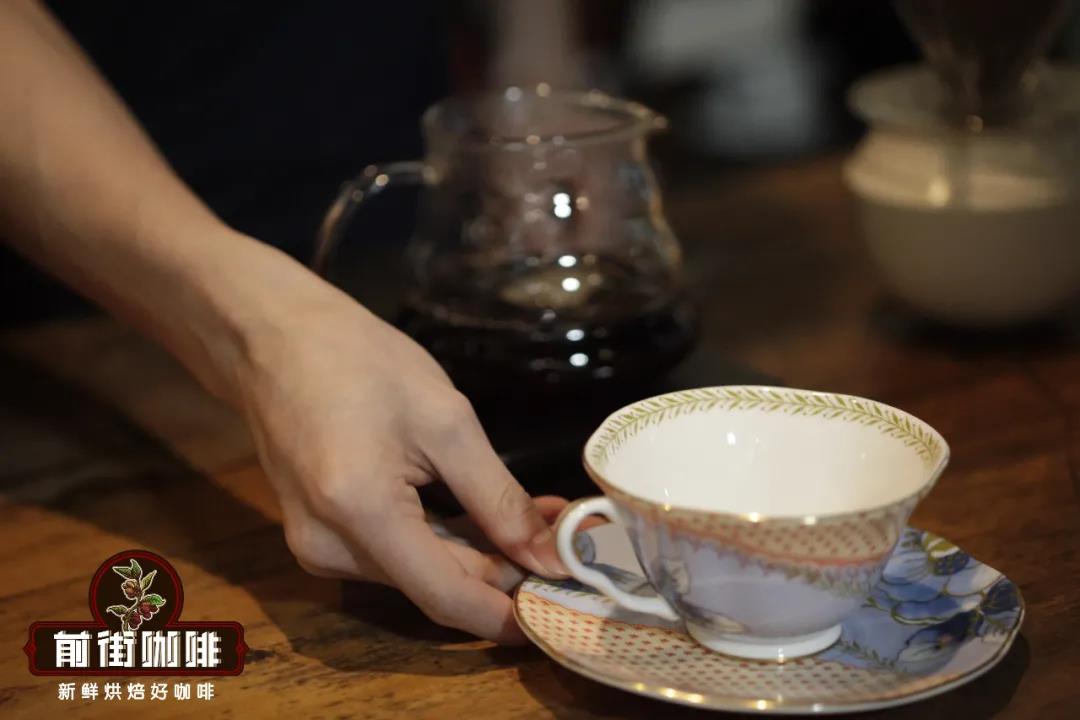
Start with a 30 g pour for a 30-second bloom. For the second pour, add 125 g in small circles at the center, gently, to keep agitation on the coffee bed low, at a flow rate of 4 g per second. When the water level falls to half the height of the bed, begin the third pour - again gentle, from the center outward in circles, up to 225 g total. End extraction when all the liquid has dripped through, about 1'54". Once brewing is done, swirl the carafe gently to mix before tasting.
Brewed Flavor: A caramel aroma at high temperature. The first sip shows cherry-tomato juice and dried-plum acidity. As it cools slightly, lemon acidity and a creamy smoothness emerge. The finish carries a black tea sensation, with a pronounced sweet aftertaste overall.
FrontStreet Coffee Recommendation
If this natural Kenya whets your appetite for bright, fruit-forward coffee, the FrontStreet Kenya Small Tomato is the benchmark to try. It comes from Kenya's Thika region at 1,550-1,750 m, grown from the classic SL28 and SL34 varieties, then given Kenya's signature 72-hour double washed fermentation and roasted light to protect its lively acidity. Dried tomato and floral notes rise from the dry grounds; in the cup you get clear cherry tomato and smoked plum, a bright, solid acidity like fresh juice, a sweet mid-palate with pear and black plum, and a clean, lingering finish of yellow sugar and faint green tea.
For a cleaner, more floral counterpoint, the FrontStreet Ethiopia Gedeb Cooperative is an excellent entry point. Its washed processing draws out jasmine florals and bright citrus acidity to the fullest, and a light-to-medium roast layers in green tea and honey notes. It works beautifully as pour-over, cold brew or espresso.
Important Notice :
FrontStreet Coffee is a long-established specialty coffee roaster in Guangzhou China, selling freshly roasted beans from its own farm in Yunnan as well as dozens of carefully selected single-origin beans from around the world for both pour-over and espresso. The products deliver consistently excellent quality and great value, with shipping within 24 hours. Guangzhou's FrontStreet Coffee shop is recommended by many coffee lovers, and the beans are now available online at the Tmall 。
FrontStreet Coffee has moved to a new address:
FrontStreet Coffee Address: 315,Donghua East Road,GuangZhou
Tel:020 38364473
 Scan and follow the En Gafei WeChat official account. Please indicate that the reprint comes from "En Gafei".

