What coffee variety is Sudan Rume? Flavor characteristics of Sudan Rume coffee beans from Qiankawa Manor
Professional Coffee Knowledge Exchange
For more coffee bean information, please follow FrontStreet Coffee.
Sudan Rume: An Extraordinary Coffee Variety
Sudan Rume is generally rendered as "Rume Sudan" or "Sudan Rume," and it is an extremely rare coffee variety. It made a stunning debut at a world-class competition and immediately rose to fame. Unlike Geisha, it never became widely planted, yet its path to recognition is strikingly similar to Geisha's. FrontStreet Coffee takes a closer look at what Rume Sudan really is.
The Origin of Sudan Rume
Clues can be gathered from the name itself. Like Geisha, it began as a native coffee variety growing wild in Africa, but not in Ethiopia. Instead, it was found in the Rume Valley of the Boma Plateau in southeastern Sudan (now within Boma National Park in South Sudan, a country that gained independence in 2011 and borders western Ethiopia). That is how it earned the name Sudan Rume.
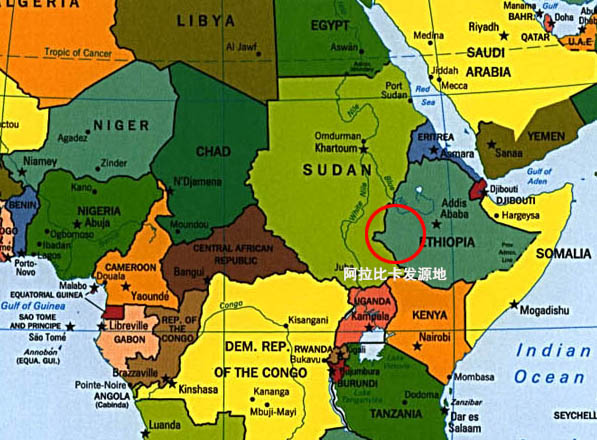
The border region between western Ethiopia and eastern South Sudan is covered in vast primeval forests that hold thousands of Arabica coffee varieties. Before the world knew it, Sudan Rume was simply one anonymous wild coffee among them. It was collected in 1942 and entered the coffee world under the code RS-510, essentially a catalog number for wild coffee accessions used in experiments. For the next 50-plus years it served mainly as a parent variety in hybridization programs. Crossing with RS-510 typically produced offspring with excellent flavor and better productivity, because RS-510 itself has exceptionally impressive flavor but ordinary disease resistance and very low yields. By crossing RS-510 with sturdier varieties, farmers could obtain new hybrids with higher yields, stronger disease resistance, and outstanding cup character. Many well-known modern varieties, such as Castillo and Colombia bred by Colombia's National Coffee Research Center (CENICAFE), were created this way.
The Modern Story of Sudan Rume
What brought RS-510 to fame under the name Sudan Rume was the Australian barista Sasa Sestic, who won the 2015 World Barista Championship using Sudan Rume beans from Colombia's Las Nubes estate. Notably, the batch Sasic used came from the estate's very first harvest, a testament to the exceptional quality of this variety's flavor profile.

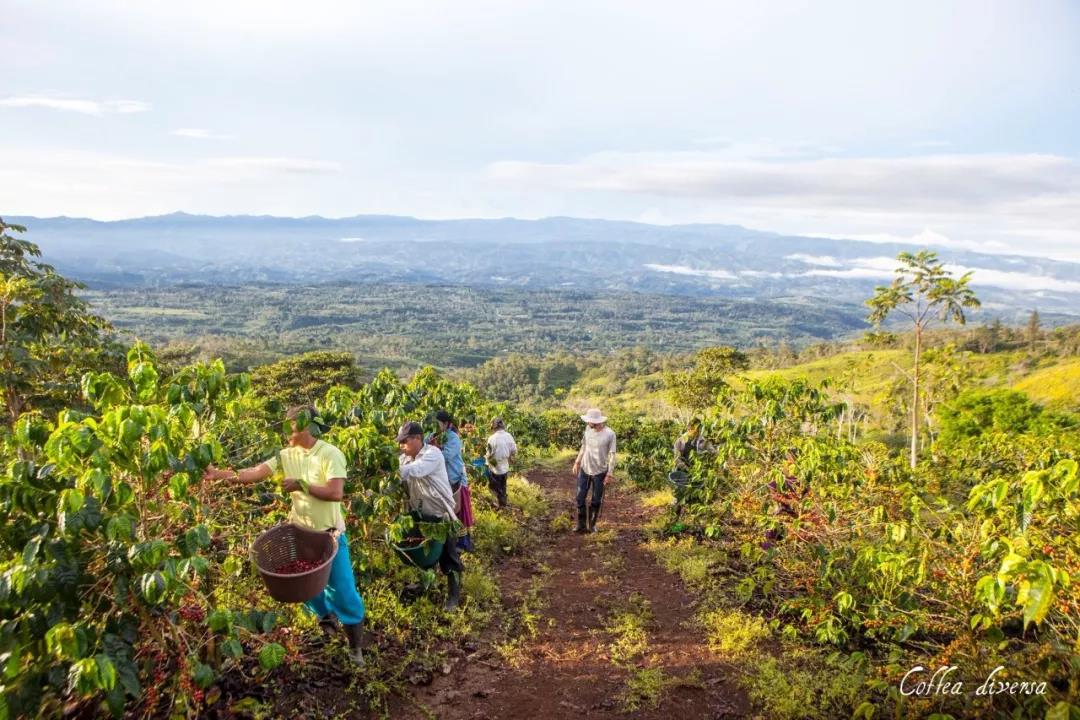
However, Sudan Rume has significant drawbacks: its disease resistance is extremely poor (coffee berry disease being the notable exception), and its yield per plant is even lower than Typica's. It demands a level of cultivation management that ordinary smallholders usually cannot provide. Consequently, most Sudan Rume on the market today is grown on estates in Central and South America.
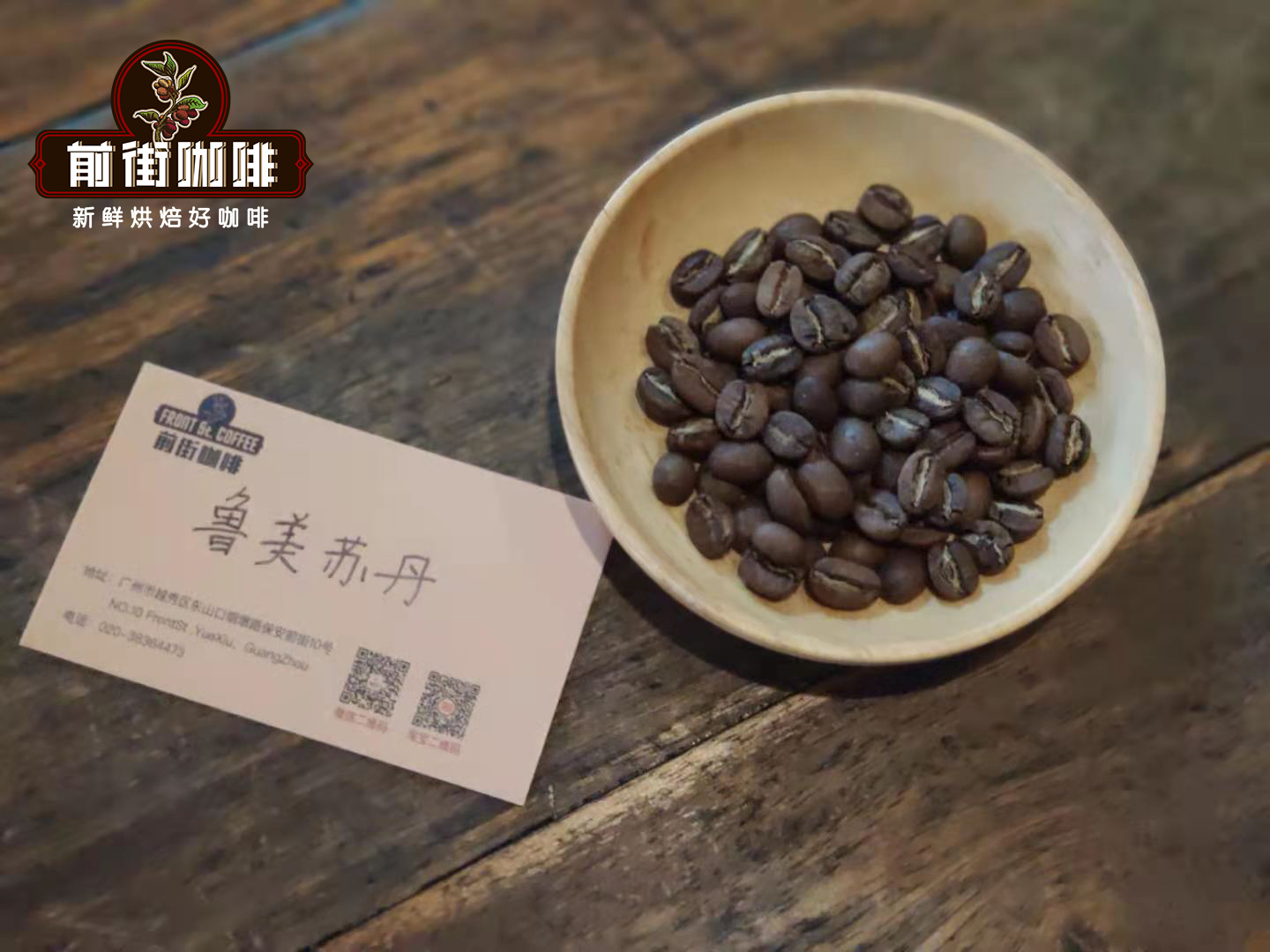
FrontStreet Coffee's Sudan Rume comes from Costa Rica's Coffea Diversa garden, affectionately nicknamed the "Thousand Coffees Garden." Unlike most coffee farms, Coffea Diversa operates under a "coffee garden" model, cultivating numerous local and even exotic rare varieties and their cultivars. Many of these varieties cannot be found anywhere else in the world, and this is the only place where such rarities are grown commercially.
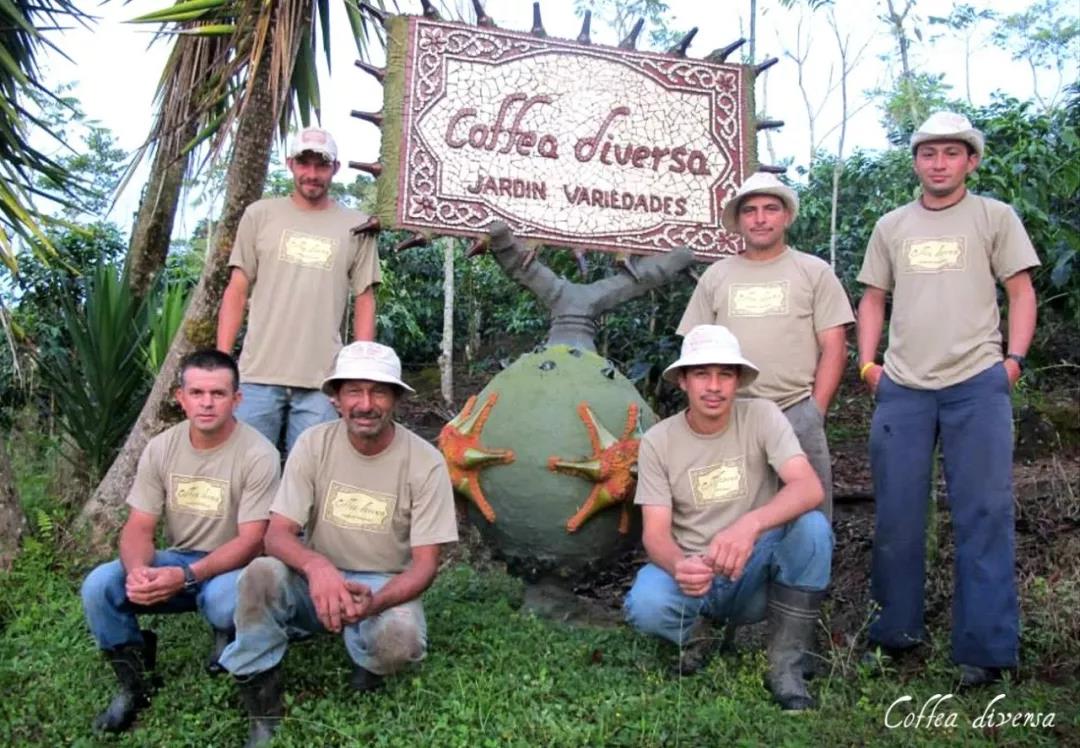
Sudan Rume is therefore carefully tended by estate owner Gonzalo Hernández. Biologically, the variety shows dark green broad leaves, medium branch spacing, medium internodal spacing, and small, elongated beans.
Processing Method
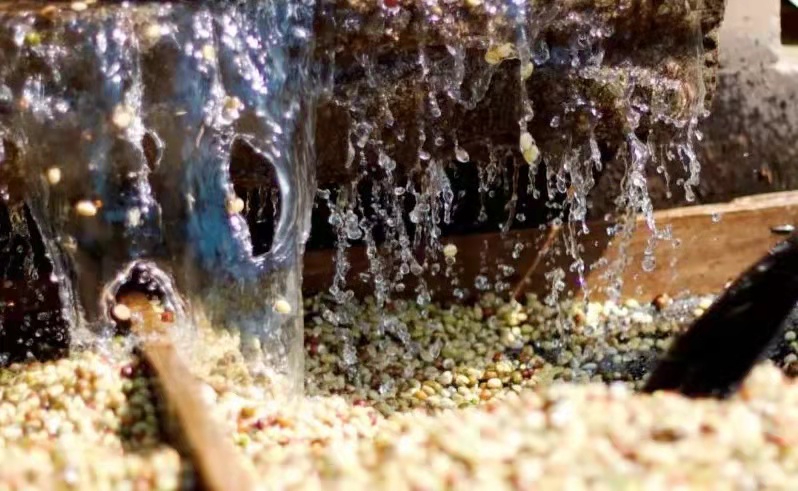
This Sudan Rume was processed using the washed method. Selected ripe cherries are fed into a depulper to remove the skin and most of the pulp; beans still coated with pulp and mucilage are placed in water to ferment for about 24 hours. After fermentation, the beans in parchment are washed in flowing water channels to strip away the remaining pulp and mucilage. They are then dried, either in the sun or in mechanical dryers, until the moisture content reaches roughly 12%. Finally, the parchment is hulled off the green beans.
FrontStreet Coffee's Roasting Analysis
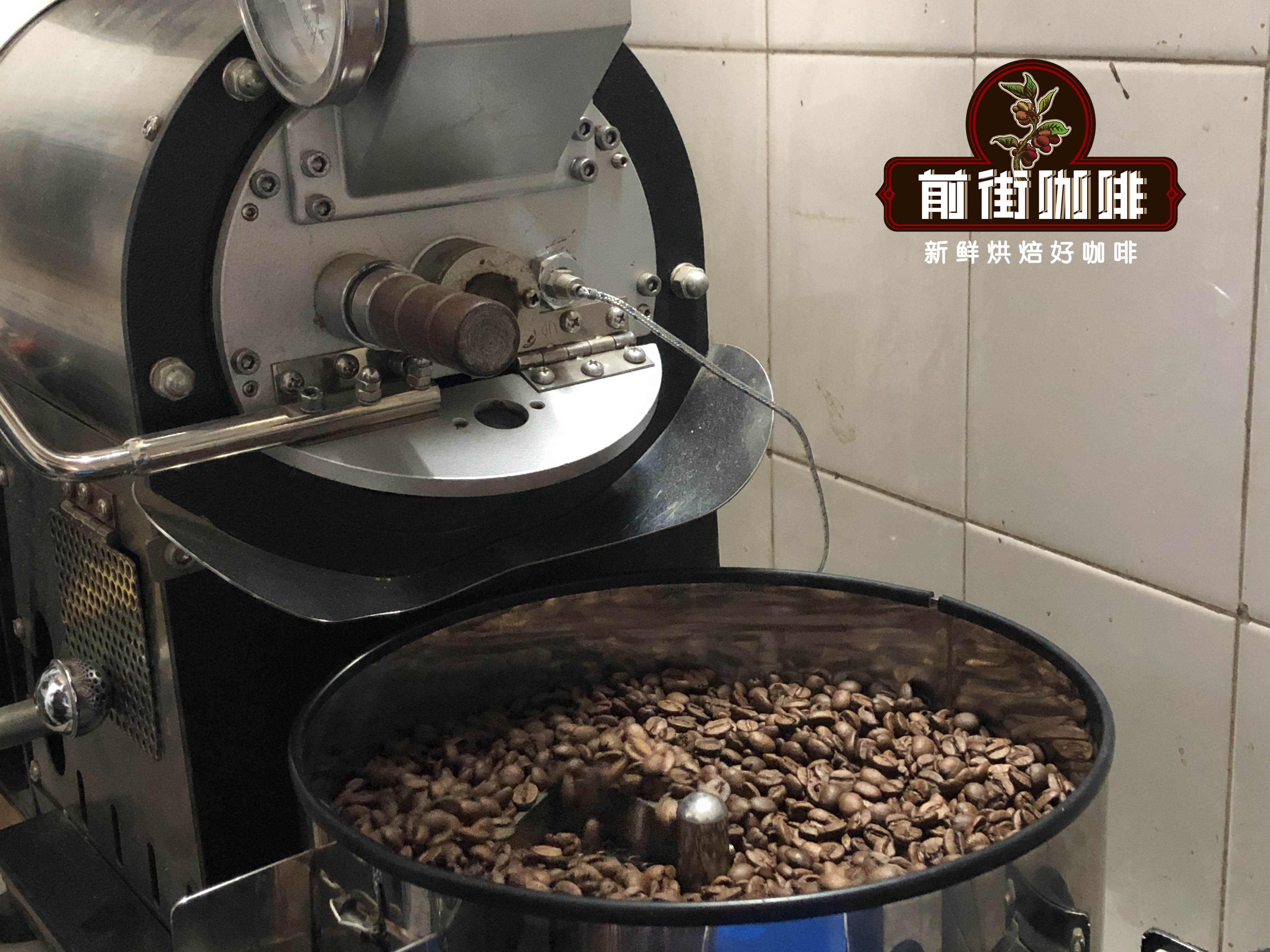
This bean was roasted to a light roast to showcase its bright acidity and rich fruit notes.
A Yangjia 700N was loaded with 300g of green coffee. Charge temperature was 175°C, with heat set to 120 and the damper at 3. The turning point came at 1'42" at 98.9°C. When the probe read 140°C, the damper was opened to 4 with the heat unchanged. At 151.2°C the bean surface turned yellow and the grassy aroma disappeared entirely, marking the start of the drying phase. At 166°C the heat was reduced to 110 with the damper held at 4. At 183.3°C the heat stayed the same while the damper was opened to 5. At 188°C the heat was cut to 50, damper unchanged. First crack began at 9'27", and after 1'45" of development the beans were dropped at 194.8°C.
FrontStreet Coffee's Brewing Guide
Parameters:
Dose: 15 grams of coffee
Coffee-to-water ratio: 1:16
Water temperature: 91°C
Grind size: Medium-fine (78% pass-through rate on a #20 standard sieve)
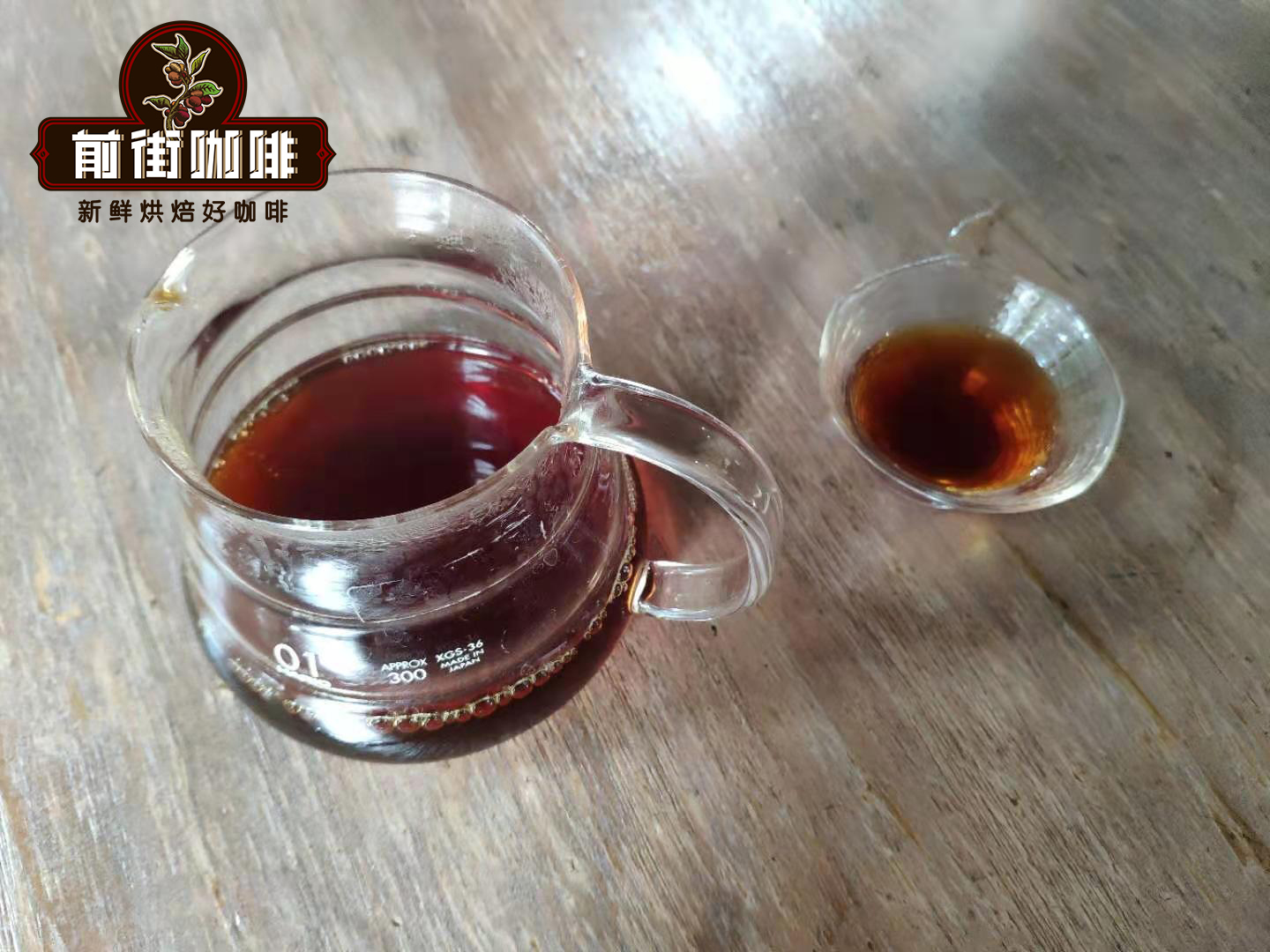
FrontStreet Coffee uses a segmented pour-over method. Start the timer and pour 30g of water for a 30-second bloom. Then pour in small circles up to 150g to complete the second stage. Continue pouring up to 240g, and once the water level is about to expose the coffee bed, remove the dripper (total time counted from the start of the bloom). The full extraction runs about 1'56".
Flavor Description
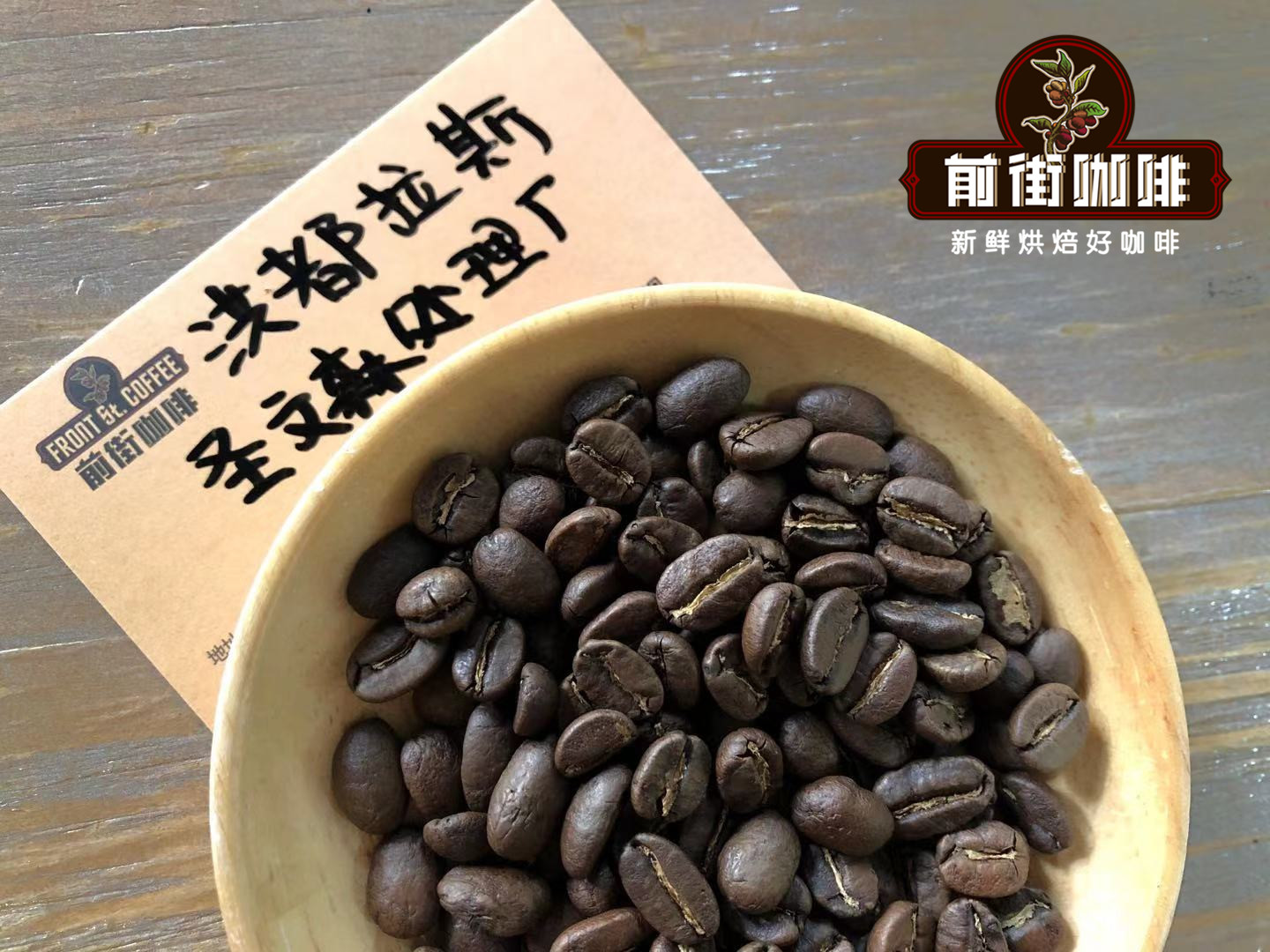
Bright, uplifting acidity with notes of lemon and green apple, a full, juice-like mouthfeel, and a hint of oolong tea in the finish.
FrontStreet Coffee Recommendation
If rare varieties like Sudan Rume intrigue you, FrontStreet Coffee's Geisha lineup is well worth exploring. The flagship Panama option is the Esmeralda Red Label (officially "Esmeralda Special"), grown at 1,600-1,800 meters, with every batch cupping above 90 points and traceable to a single small plot such as Harrimiao. The Esmeralda Green Label ("Private Collection") blends lots from several high-altitude plots to express the estate's signature Geisha character at a friendlier price, making it an excellent value.
For an approachable first taste of classic Panama Geisha, FrontStreet Coffee recommends the entry-level Boquete Geisha, which delivers the celebrated orange-blossom honey notes, oolong tea sweetness, delicate fruit acidity, and clear layering. On the Ethiopian side, the Geisha Village estate offers a Gold Label (Geisha 1931, an intensive natural process accounting for about 10% of the farm's output) and a Red Label (Gori Gesha, about 15% of output, scoring 88 or above on the SCA 100-point scale) with full lot traceability. The Gran Gané estate Gesha, a medium-light roast, offers bright citrus acidity, elegant ginger-flower aroma, and the smooth, refined finish typical of the variety.
For brewing these floral, fruit-forward beans, FrontStreet Coffee suggests a medium-fine grind (78% pass-through on a #20 sieve, about the size of fine granulated sugar) and 91°C water, since Geisha's dense beans tend to clog the dripper if ground too fine. A reliable recipe is 15g of coffee with a 1:16 ratio in a Hario V60: pour 30g of water for a 30-second bloom, then pour in stages up to 125g and finally 225g, finishing in roughly 2 minutes 10 seconds to 2 minutes 20 seconds.
Important Notice :
FrontStreet Coffee is a long-established specialty coffee roaster in Guangzhou China, selling freshly roasted beans from its own farm in Yunnan as well as dozens of carefully selected single-origin beans from around the world for both pour-over and espresso. The products deliver consistently excellent quality and great value, with shipping within 24 hours. Guangzhou's FrontStreet Coffee shop is recommended by many coffee lovers, and the beans are now available online at the Tmall 。
FrontStreet Coffee has moved to a new address:
FrontStreet Coffee Address: 315,Donghua East Road,GuangZhou
Tel:020 38364473
 Scan and follow the En Gafei WeChat official account. Please indicate that the reprint comes from "En Gafei".