Are Coffee Bean Auction Batches the Same as Regular Batches? Ethiopia Cup of Excellence Same Batch Coffee Beans
In 2020, FrontStreet Coffee successfully bid for the 22nd place coffee of Ethiopia's Cup of Excellence (COE) competition - a natural processed Typica from the Arsi region (see COE22). Compared with the heirloom-variety coffees from the same Arsi region, this 22nd place Typica won coffee lovers over with its clean, soft, juicy acidity and the genuine sweetness of fully ripe cherries.

Recently, thanks to a coffee enthusiast's generosity, FrontStreet Coffee got to taste the 26th place bean from that same Ethiopian COE auction lot. Its matcha-like aroma lingered in the mouth for a long time - a genuine surprise to everyone at FrontStreet, since a bean this distinctive is rare among Ethiopian coffees.

But when we tasted it, it was already mid-December, while the auction had been held in late June. Finding actual 26th place auction beans in December was virtually impossible - competition lots are strictly limited. So, with a "let's give it a try" attitude, FrontStreet bought a bean from the same batch as COE26, hoping to relive that matcha surprise.
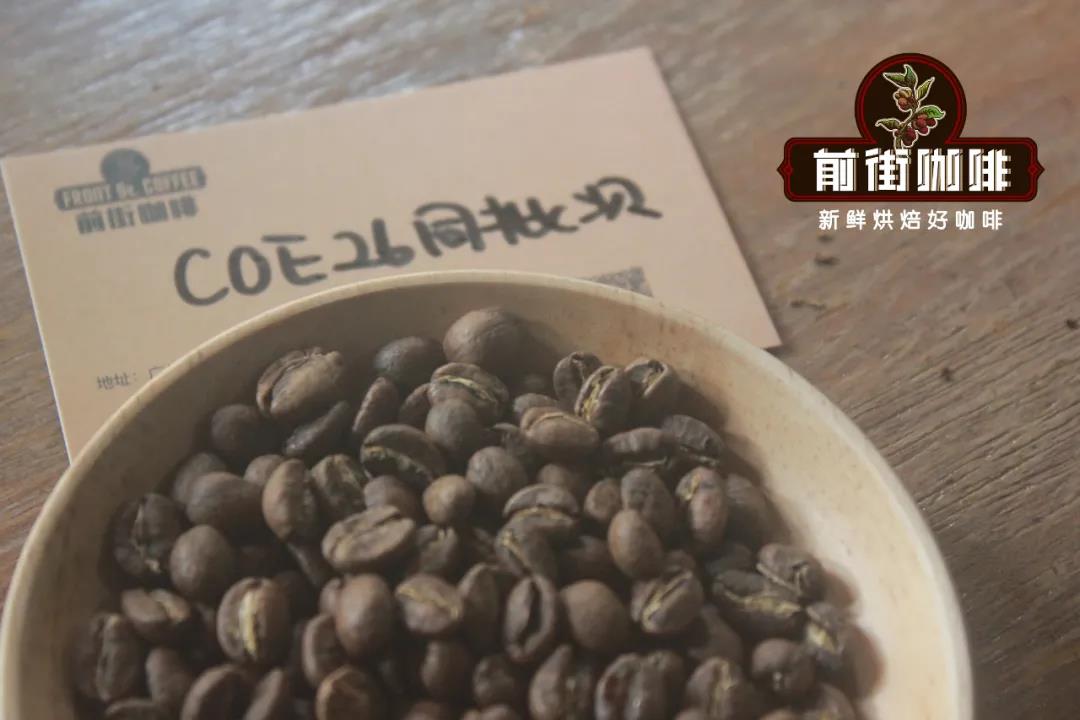
FrontStreet Coffee - Ethiopian COE26 Same-Batch Coffee Beans
Region: Yirgacheffe, Worka
Altitude: 1,500-2,100 m
Variety: Ethiopian Heirloom
Processing: Washed
What Are Auction-Lot Beans?
Every coffee entered in the COE competition is reclassified, numbered, roasted, and cupped - and judges see only the number, never the region or estate. The competition runs in 3 stages: pre-selection, national jury, and international jury.

Only coffees scoring 85 points or above advance from pre-selection to the national stage. In this edition, 1,459 entries entered pre-selection, and after the first cupping round 150 were chosen for the national jury. The national stage holds two rounds: the first retains 90 beans scoring 85+, and the second narrows those to 40 beans of 85+ for the international jury. The international stage has 3 rounds - preliminary, secondary selection, and the top-ten evaluation. The green beans are renumbered and roasted again, judges still learn nothing about the estates while cupping, and only when the results are announced are the details revealed.
Every winning lot must be bought through the auction - FrontStreet's COE22 was purchased at the June 25th auction. So what exactly is the "COE26 same batch" that we bought?

What Are Same-Batch Beans?
Same-batch beans are, at best, the "neighbors" of the auction lot - and possibly not even neighbors. If they truly are neighbors, they share the same variety, the same region, the same harvest season, and the same processing method as the winning lot. But the same rice can feed a hundred different people: a producing area is never uniform, and differences in altitude, microclimate, and soil all shape flavor. Does that mean same-batch beans are bound to taste different? Not necessarily - but the odds are against them. Which is exactly why we bought the COE26 same batch with a "let's give it a try" mindset.
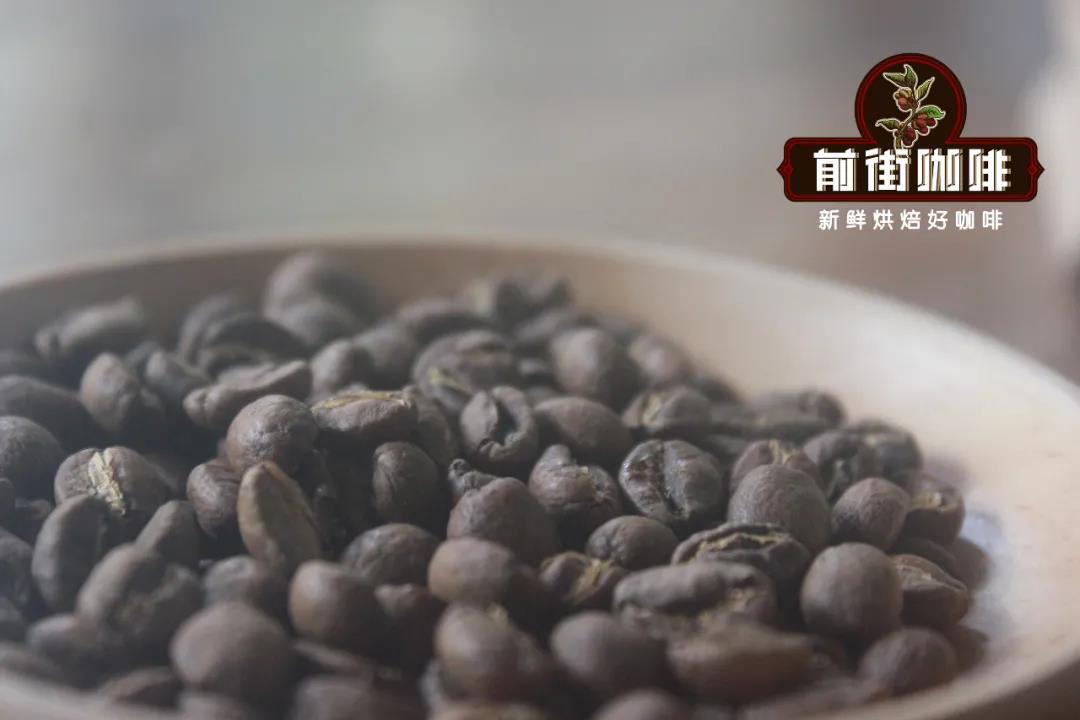
Yirgacheffe · Worka
Yirgacheffe lies in the Gedeo zone of southern Ethiopia, which also governs the well-known Kochere area. At 1,700-2,100 m it ranks among the highest coffee-growing regions on earth. Worka sits in a remote corner of Yirgacheffe, where farmers deliver their beans uniformly to the Worka Cooperative for processing and export.
The Washed Process
Washing is the most common processing method in Yirgacheffe. Selected cherries go through a depulper to strip skin and pulp, then ferment in water until the remaining mucilage loosens. The parchment is washed in flowing channels, where friction between beans removes the last of the mucilage, then dried to roughly 12% moisture before the parchment is hulled off.
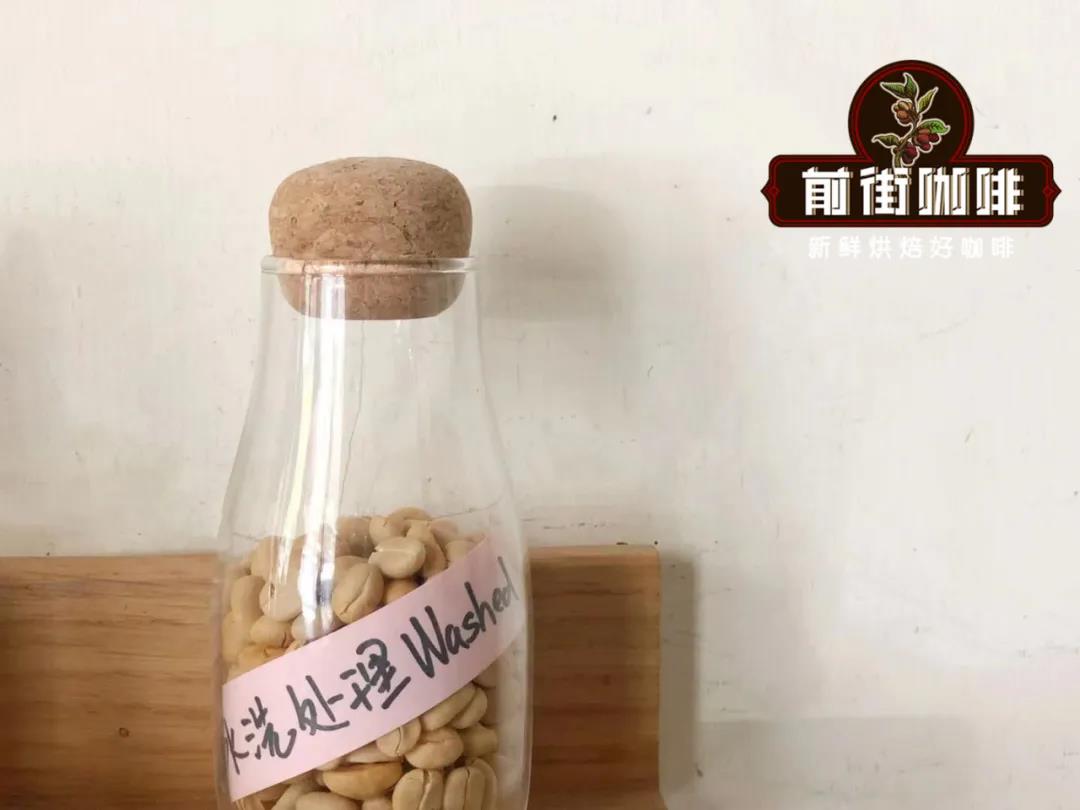
Variety
This bean uses Ethiopian heirloom varieties. Ethiopia's varieties are so numerous and tangled that detailed classification is extremely difficult, and some must remain "anonymous" for research purposes - so coffee trees are generally mixed-planted and mixed-harvested. That is also why heirloom beans vary so much in size.
FrontStreet Coffee Roasting Notes
New-crop beans carry higher moisture, so our roaster extended the drying phase to ensure the bean surface and core heat evenly. To express the sweetness, acidity, and florals of this lot, we chose a light roast.
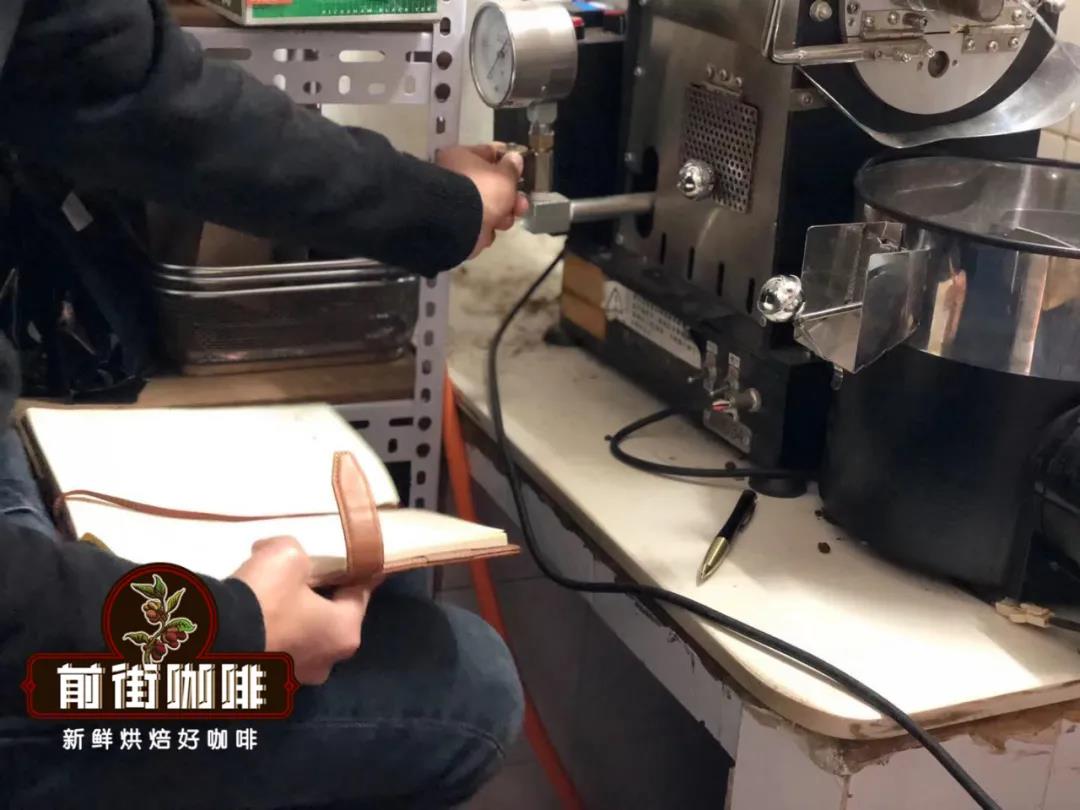
Charge the drum at 155 degrees C, heat at 110, damper at 3. Turning point at 1'28" at 100.2 degrees C, heat unchanged. At 3 minutes open the damper to 4; at 4 minutes raise heat to 140. At 153 degrees C the beans yellow and the grassy smell disappears into the drying stage. At 8'00" the surface shows wrinkles and dark specks and toast gives way to coffee aroma - the prelude to first crack. Listen closely: crack begins at 9'07". Develop 1'00" after crack and drop at 192 degrees C.
FrontStreet Coffee Cupping Report
Dry Aroma: lemon
Wet Aroma: white florals
Flavor: lemon, jasmine, berries, cream, green tea, honey
FrontStreet Coffee Brewing Notes
Cupping revealed rich florals and fruit, so we chose a V60. Its spiral ribs extend the contact time between grounds and water, and funnel the water level toward the center as it descends; the gravity of that flow presses on the coffee bed and builds a stronger sense of layering.

Water Temperature: 90 degrees C
Dose: 15 g
Ratio: 1:15
Grind Size: medium-fine (78% pass on a #20 sieve)
FrontStreet Coffee Step-by-Step Extraction:
Pour 30 g of water to fully wet the grounds into a "hamburger" and bloom for 30 s. At 1'00" pour to 125 g, then wait for the level to fall to two-thirds of the bed. At 1'40" pour to 225 g and let it drain completely - total extraction 1'59". Gently swirl to blend the coffee before tasting.

In the Cup:
Bright lemon acidity and jasmine on the entry; berry sweetness and a juicy texture emerge as it cools; the finish is honeyed green tea.
Side by side, this same-batch lot brewed much like the Yirgacheffe Gedeb Cooperative beans FrontStreet already carries - but it lacked the competition lot's distinctive matcha note. It has the classic Yirgacheffe character, yet nothing that truly sticks in the memory, so FrontStreet ultimately decided not to stock it.
FrontStreet Coffee Recommendation
Ethiopia rewards curiosity. Beyond competition lots, FrontStreet's own Ethiopia lineup lets you taste the full range of the origin: the washed Yirgacheffe everyday beans open with clear jasmine florals and bright citrus acidity over a light, tea-like body - the classic profile of a region where cool, misty highlands let thousands of coffee trees flourish.
For the natural side of the spectrum, the FrontStreet Red Cherry (Hong Yingtao) natural lot selects only intact, fully ripe cherries and dries them whole in the sun for about two weeks, turning and sorting repeatedly until moisture falls to around 12%. The result is an immaculate, intensely fruity cup of peach, cocoa, honey, and lemon. If you want the wildest expression, the Huakui (Flower Champion) natural from Guji Hambella is dried 21 days on raised beds with constant turning and hand-sorting every 3-5 days, then roasted medium-light to reveal fermented wine notes, florals, citrus, and mango with a thick, honey-sweet body and a long cocoa-spice finish.
And if wild native varieties fascinate you the way competition beans do, the FrontStreet Kafa Forest lot grows semi-wild at 1,400-2,100 meters under forest shade: medium-light roasted, it carries white florals, bright lemon acidity, sweet orange and bergamot, and a green-tea-like finish.
Important Notice :
FrontStreet Coffee is a long-established specialty coffee roaster in Guangzhou China, selling freshly roasted beans from its own farm in Yunnan as well as dozens of carefully selected single-origin beans from around the world for both pour-over and espresso. The products deliver consistently excellent quality and great value, with shipping within 24 hours. Guangzhou's FrontStreet Coffee shop is recommended by many coffee lovers, and the beans are now available online at the Tmall 。
FrontStreet Coffee has moved to a new address:
FrontStreet Coffee Address: 315,Donghua East Road,GuangZhou
Tel:020 38364473
 Scan and follow the En Gafei WeChat official account. Please indicate that the reprint comes from "En Gafei".