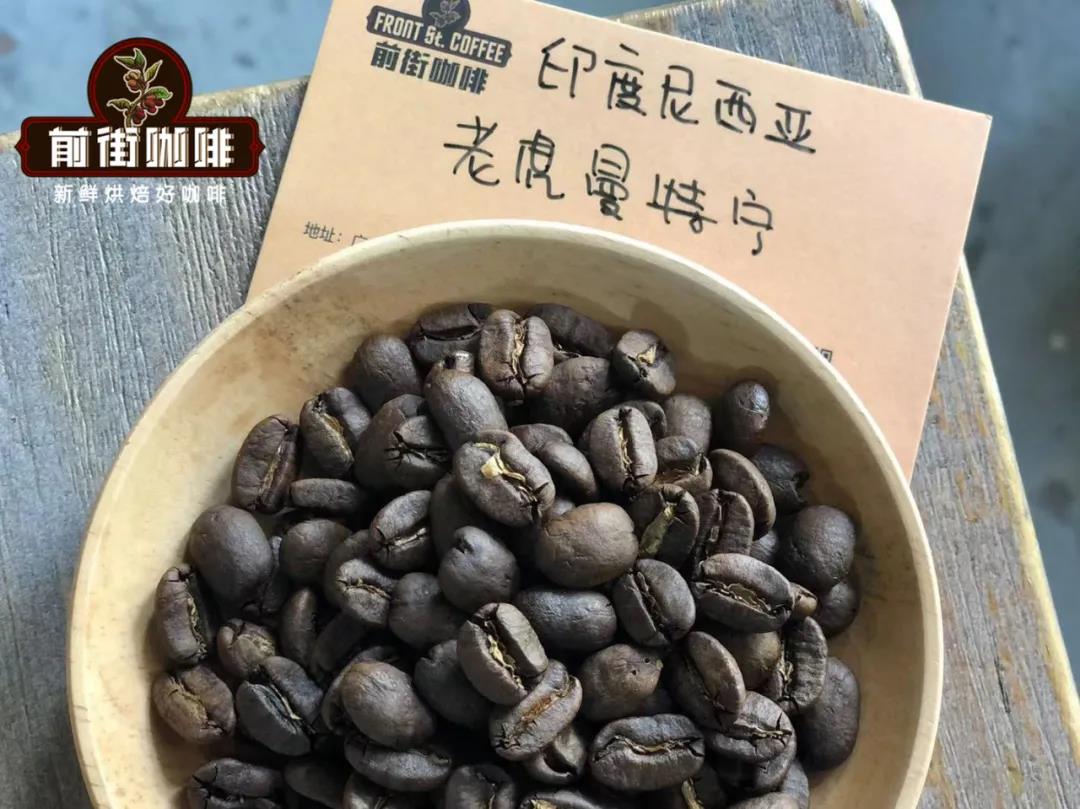
Are coffee beans stored for many years considered aged coffee? How are aged coffee beans aged?
Are aged coffee beans simply coffee beans that have been sitting around for years? That is usually the first reaction people have when they hear about aged Mandheling coffee for the first time. The short answer is no. Without special, controlled storage, green coffee simply degrades over long periods (here "long periods" means more than three years): the moisture content of the green beans keeps dropping, and the aroma steadily dissipates.
Worse, simply leaving coffee beans to sit for years and calling it "aging" is a reliable recipe for mold and spoilage. So how does FrontStreet Coffee actually "age" its aged Mandheling?
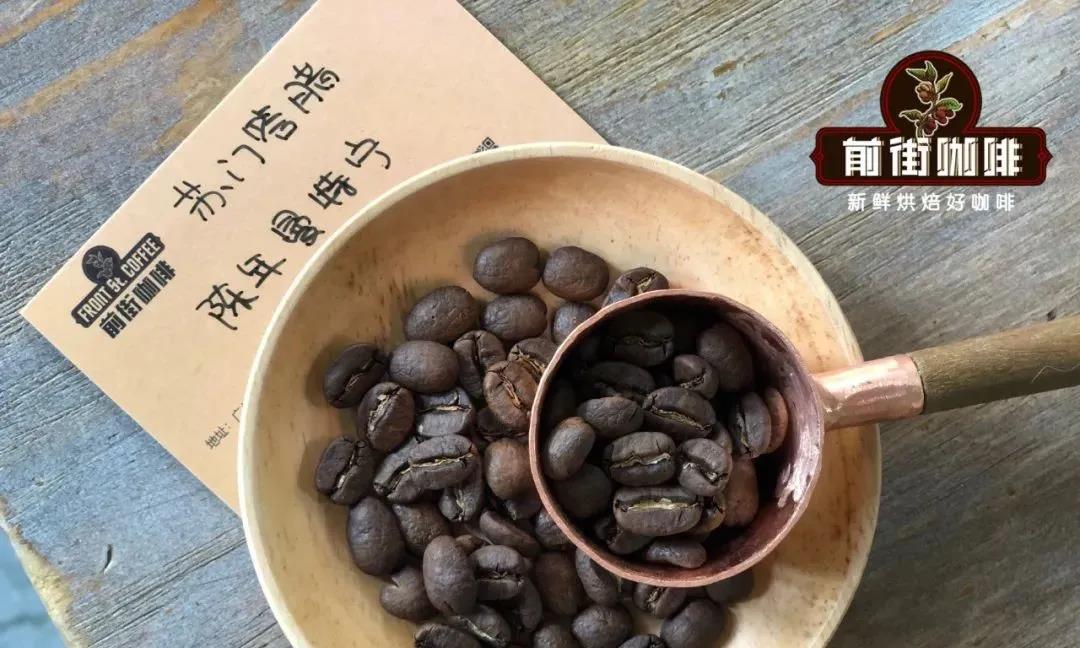
FrontStreet Coffee, Aged Mandheling Coffee Beans
Origin: Aceh, Sumatra, Indonesia
Altitude: 1100-1600m
Variety: Typica, 18 mesh
Processing Method: Aged Wet Hulling
Does Green Coffee Moisture Content Affect Roasting?
If the moisture content of green coffee is too low, the drying phase of the roast passes too quickly, and the core of the bean cannot heat evenly. The result is underdeveloped coffee, which shows up in the cup as grassy, hay-like notes and astringency.
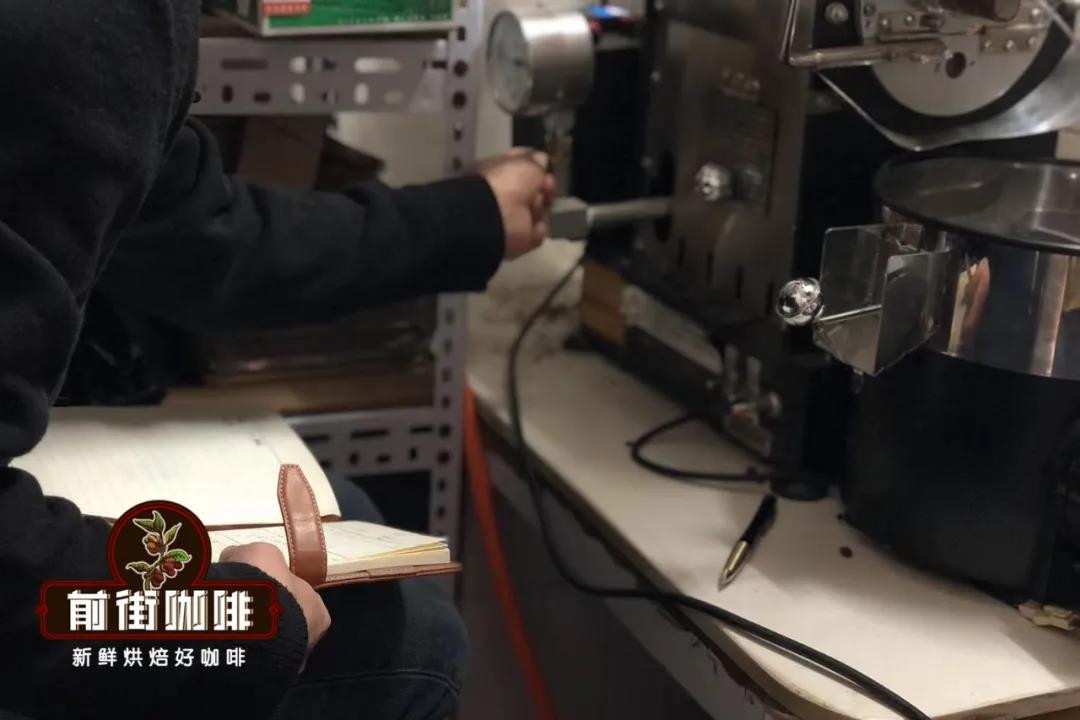
The drying phase is also when the surface of the bean undergoes caramelization (what roasters casually call "coloring"). If a bean has been stored for years and its moisture has dropped significantly, it is easy to end up with a roast where the surface is fully caramelized while the core remains underdeveloped.
Does Aged Green Coffee Affect Flavor?
Whether green or roasted, coffee loses aroma over time. The difference is that green beans whose flavors have faded will roast into coffee with dull, muted character. Take Ethiopian natural process Sidamo: fresh, it bursts with berry-juice sweetness and bright acidity.
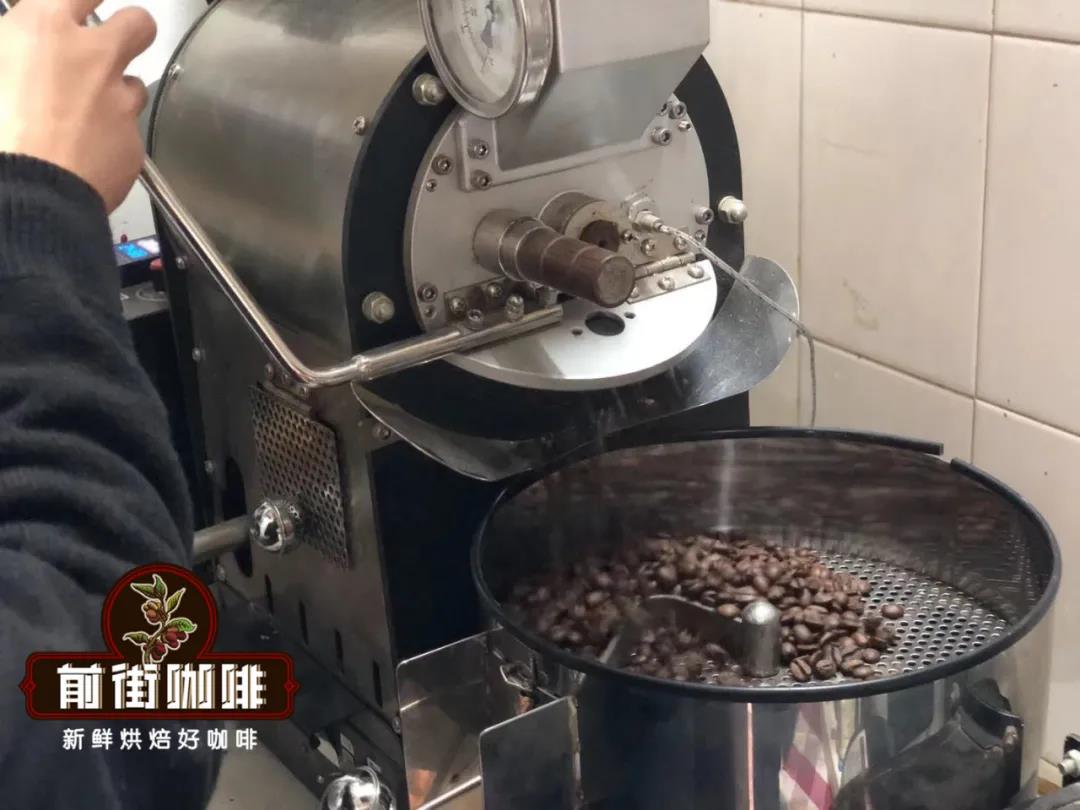
Roasted after years of storage, the same beans will show less vibrant fruit and an acidity that no longer sparkles. That said, they will not taste spoiled. If they did, the problem would not be long storage but improper storage causing actual deterioration.
The Emergence of Aged Coffee
Aged Mandheling has a long history in Indonesia. In the early days, shipping was slow, and getting coffee from Indonesia to overseas markets took considerable time. Over those long voyages, fresh, moisture-rich coffee gradually dried out, and constant exposure to sea air gave it a rather distinctive flavor.
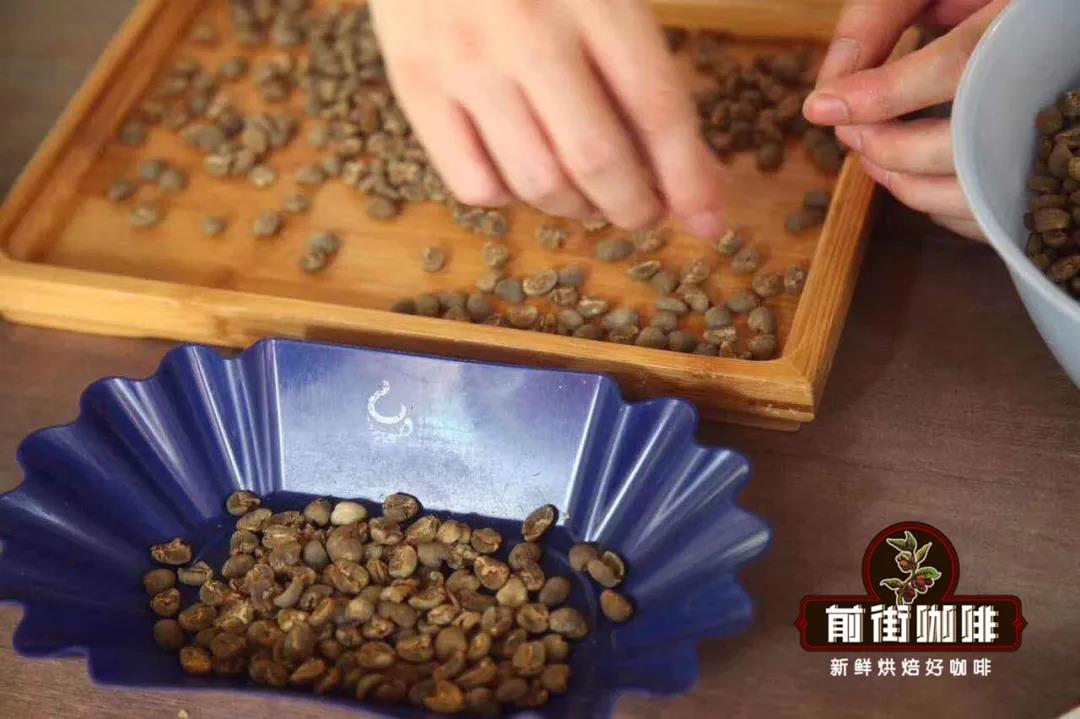
Unexpectedly, European colonists of the era came to love that flavor. Then shipping improved and transit times shrank dramatically, the beans no longer had time for their sea-air "baptism," and the coffee returned to its normal character. But drinkers felt something was missing! People then researched and developed deliberate aging processes to recreate those "aged" flavors.
How Does the Aging Process Actually Age the Beans?
The beans are first wet-hulled (wet hulling means removing the skin and pulp with wooden peeling machines, fermenting for 3 hours, then drying until the beans reach a semi-dry, semi-wet 30-50% moisture, at which point the mucilage and parchment layer are mechanically stripped away, followed by a final 2-4 days of drying that brings moisture down to 12-13%). They are then sealed in warehouses. The warehouse must be cool and ventilated, and the beans must be turned regularly to prevent mold and spoilage. They are stored for more than two years but less than three. Over this period the acidity gradually mellows and converts toward sweetness, and the beans darken to a yellowish-brown or deep brown, a highly recognizable appearance.
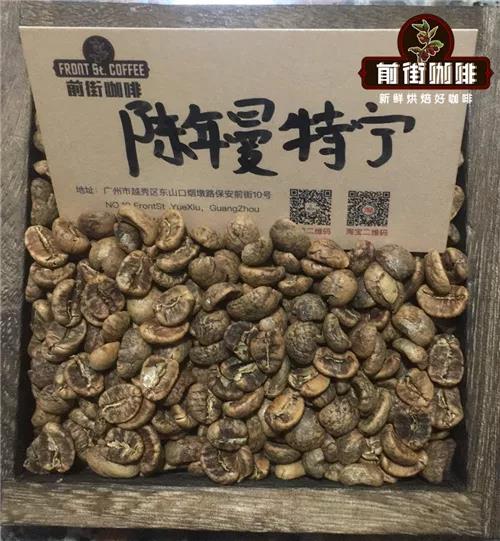
In cupping, FrontStreet Coffee finds that aged Mandheling lacks the wildness of traditional Mandheling but gains richness and refinement, with lower acidity and a sense of mature composure. If you want a coffee with a truly heavy body, aged Mandheling is the best choice.
What Does "Typica Variety 18 Mesh" Mean?
Typica has bronze-tipped young leaves and an oval, slender, pointed bean, with elegant flavors, but the variety is fragile, disease-prone, and low-yielding. "18 mesh" refers to the aperture size of the grading screens used for coffee: the goal is to make the diameter of every bean nearly identical. When beans are uniform in size, they heat evenly in the roaster, and the brewed coffee tastes cleaner, with more clearly defined flavors.
FrontStreet Coffee Roasting Experience
FrontStreet Coffee advises extra care when roasting this coffee: Mandheling green beans are dense, and aged beans are low in moisture, so heat must be adjusted carefully at every stage to avoid scorching the oils on the bean surface. Since aged Mandheling has low acidity, FrontStreet Coffee recommends roasting it medium-dark to bring out its purity and smooth texture.
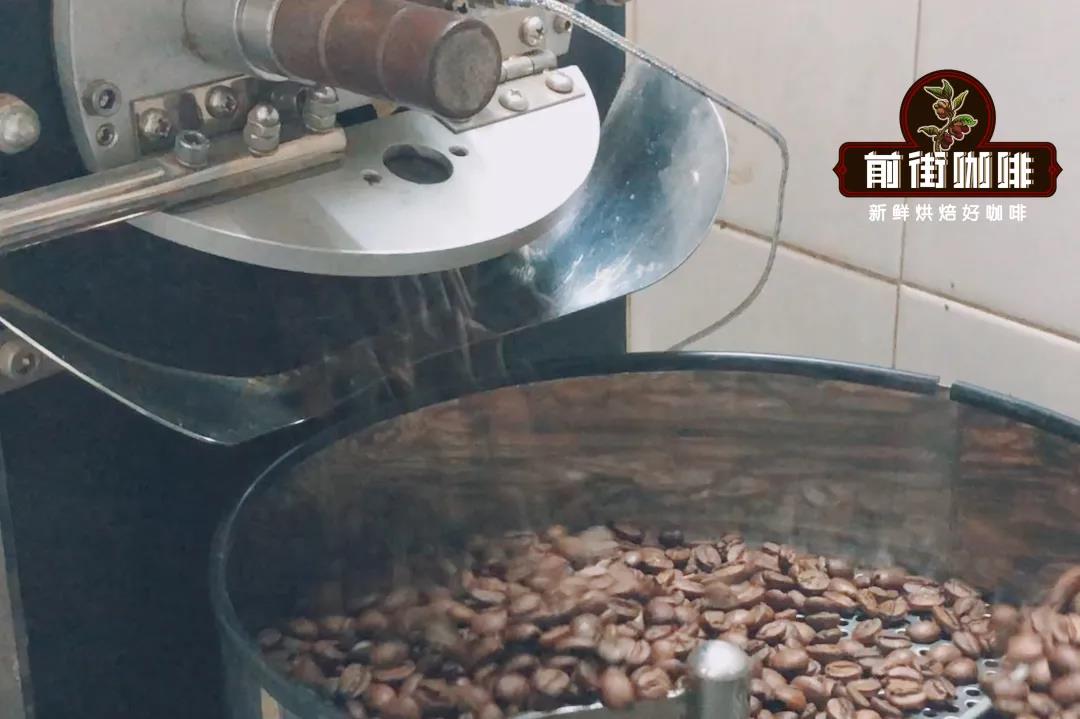
FrontStreet Coffee roasts on a Yangjia 800N, with a 480g charge. Drop the beans in at 200°C with the air vent set at 3. After 1 minute, reduce heat to 160°C, keeping the air vent unchanged. At 5'35" the temperature reaches 146°C, the bean surface turns yellow, the grassy smell disappears completely, and drying is done. Reduce heat to 140°C and open the air vent to 4. At 8'10", wrinkles and dark spots appear on the bean surface and the toasted-bread aroma clearly turns into coffee aroma, the prelude to first crack. Listen carefully for first crack from here. At 9'30" first crack begins; reduce heat to 80°C, open the air vent to 5, and drop the beans at 197.5°C.
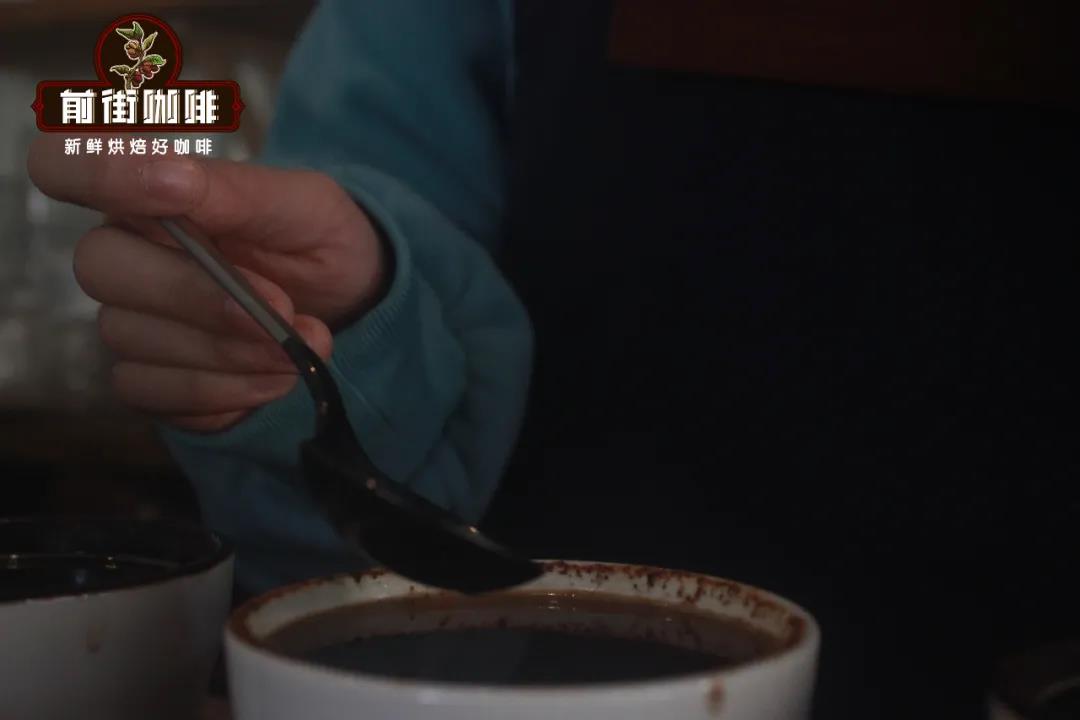
FrontStreet Coffee Cupping Report
Dry Aroma: Herbal
Wet Aroma: Dark chocolate
Flavor: Ripe Pu'er, pine, malt, caramel, dark chocolate
FrontStreet Coffee Brewing Experience
The biggest difference between aged Mandheling and other Mandheling is the aging process itself: time eliminates a large amount of chlorogenic acid (the source of astringency) while increasing sweetness and body. When brewing, we want to highlight that sweetness and full texture, so we use the Kono Meimon dripper. The Kono's signature feature is its immersion effect, which extracts more coffee solids and reinforces the heavy body.
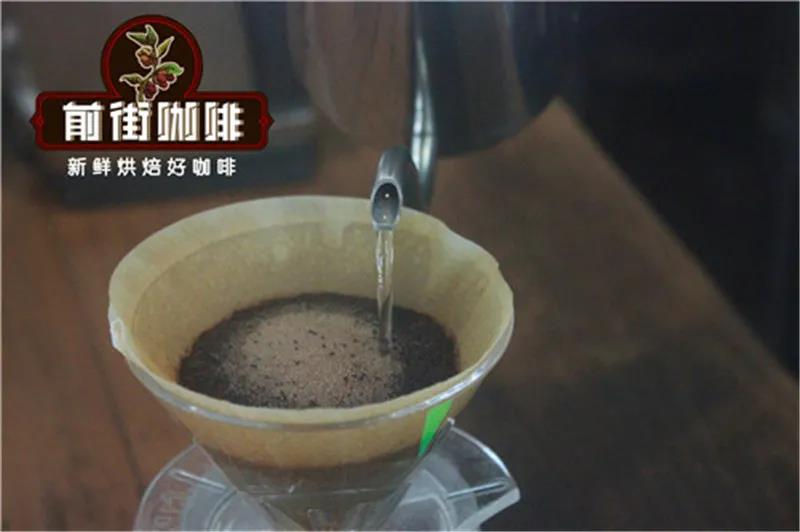
Dripper: Kono Meimon
Dose: 15g
Coffee-to-Water Ratio: 1:15
Water Temperature: 89°C
Grind Size: Medium-coarse (approximately 73% pass-through rate on a 0.85mm standard sieve)
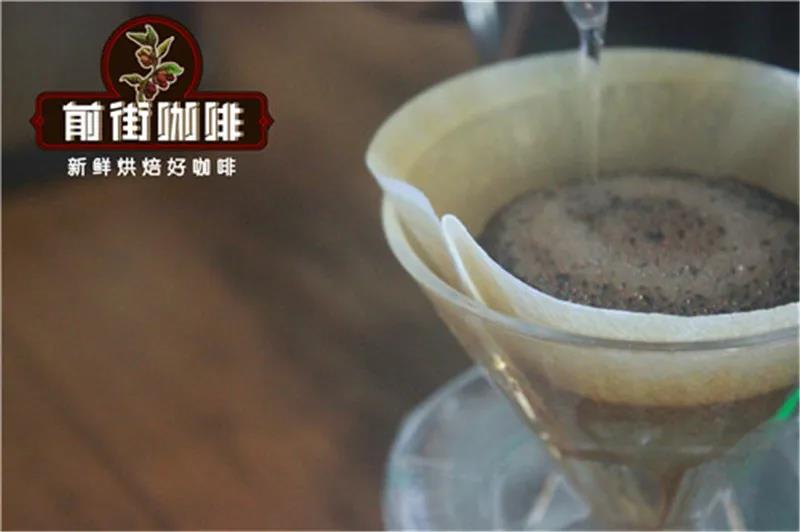
FrontStreet Coffee pours in stages. The first pour is 30g of water for a 30-second bloom. Because this is a medium-dark roast, the grounds puff up noticeably; this pour wets the grounds and lets trapped gas escape, setting up even, stable extraction afterward. The second pour uses a small, steady flow in circles until the scale reads 125g. At this point a thick foam rises and the water level climbs to 2/3 of the dripper. Once the level drops and is just about to expose the coffee bed, pour again up to 225g and stop. When the level once more nearly exposes the bed, remove the dripper (timing starts from the bloom). Total extraction time is 2'00".
Brewing Flavor: Aromas of pine, malt, and caramel rise immediately. Compared with traditional Mandheling the cup is less wild, more rounded and refined, with lower acidity and a mature, settled character. On the palate: ripe Pu'er, caramel, herbs, and chocolate, with ample sweetness.
FrontStreet Coffee Recommendation
If this article has you curious about Sumatran coffee, FrontStreet Coffee's top pick is its PWN Golden Mandheling, produced by Indonesia's PWN company to famously strict standards: built on beans of 18 mesh and above, with fewer than 3 defective beans per 300g green sample to meet the top G1 grade, followed by three rounds of hand sorting for exceptional cleanliness and sweetness. After a medium-dark roast it shows rich roasted aromas, a clean cup, and a full, heavy body, an excellent choice for drinkers who dislike acidic coffee.
Brewing suggestions from FrontStreet Coffee for Golden Mandheling: use a water temperature of 87-88°C, 15g of coffee, a 1:15 coffee-to-water ratio, and a grind about as coarse as granulated sugar. Pour in three stages: the first pour wets all the grounds and lets them degas; the second pour lifts the coffee bed and brings up the golden foam; the final gentle center pour raises sweetness, yielding a thick, full body with caramel sweetness and notes of chocolate and nuts. The coffee is suited to both pour-over and espresso brewing.
Important Notice :
FrontStreet Coffee is a long-established specialty coffee roaster in Guangzhou China, selling freshly roasted beans from its own farm in Yunnan as well as dozens of carefully selected single-origin beans from around the world for both pour-over and espresso. The products deliver consistently excellent quality and great value, with shipping within 24 hours. Guangzhou's FrontStreet Coffee shop is recommended by many coffee lovers, and the beans are now available online at the Tmall 。
FrontStreet Coffee has moved to a new address:
FrontStreet Coffee Address: 315,Donghua East Road,GuangZhou
Tel:020 38364473
 Scan and follow the En Gafei WeChat official account. Please indicate that the reprint comes from "En Gafei".