Which Coffee Beans Have Pronounced Aromas? Flavor Profile of Sumatran Tiger Mandheling Hand-Drip Coffee
The endangered Sumatran tiger is admired for its majestic, unhurried presence — and on the island of Sumatra there is a Mandheling coffee to match it: imposing in aroma, deep and mellow on the palate. When FrontStreet Coffee recommends Mandheling, the advice usually goes like this: for the cleanest cup, choose PWN Gold Mandheling; for the deepest body, choose Aged Mandheling; for the boldest aroma, choose Tiger Mandheling.
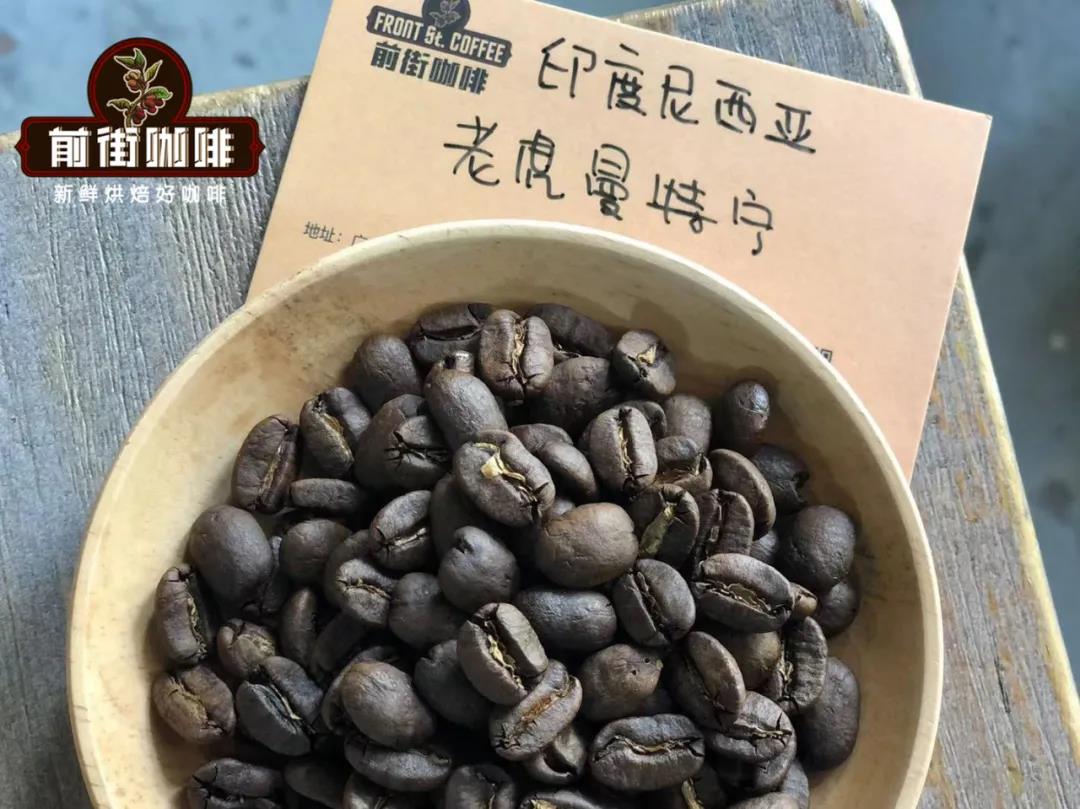
FrontStreet Coffee — Tiger Mandheling Coffee Beans
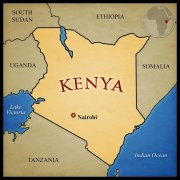
Origin: Aceh, Sumatra, Indonesia
Varieties: Typica, Caturra
Processing Method: Wet-Hulled
Altitude: 1,500 m
Sumatra · Aceh
Aceh Province sits at the northwestern tip of the Indonesian archipelago, straddling the equator under a classic tropical maritime climate — summer all year round, with an average annual temperature of about 27°C. From October through March, Asian and Pacific air currents bring Indonesia's rainy season: heavy rainfall and cooler air. From April to October, dry continental air flows down from Australia, bringing the hot, dry season. FrontStreet Coffee has cupped many coffees from Aceh — Longan Dragon Fruit Mandheling, PWN Gold Mandheling, Aged Mandheling, and this Tiger Mandheling among them. Herbaceous notes, dark chocolate, heavy body, a clean mouthfeel, and pronounced sweetness are the hallmarks of the region.

Why "Tiger" Mandheling?
This Tiger Mandheling comes from the heart of Sumatran tiger country. The lot is built entirely from 19-screen coffee — cherries strictly sieved through a 19-mesh screen so that nearly every bean shares the same diameter — then hand-sorted three times over before the green beans are processed. Locals liken these 19-screen selected beans to the Sumatran tiger to convey their rarity and stature. In FrontStreet Coffee's cupping, the coffee shows thick viscosity, a smooth mouthfeel, a rich agarwood aroma, high sweetness, and a long finish — inevitably calling to mind a Sumatran tiger crouching low, ready to move.
The Wet-Hulled Process
In wet-hulling, the skin and pulp of the cherry are removed first, followed by a brief fermentation and partial sun-drying. Then — while the beans are still only half-dry — the mucilage and parchment are milled off in one pass, and drying continues until moisture falls to 12%. Wet-hulled Mandheling beans show varying degrees of compression and cracking (often shaped like a horseshoe, hence the nickname "horseshoe beans") and a deep blue-green color.
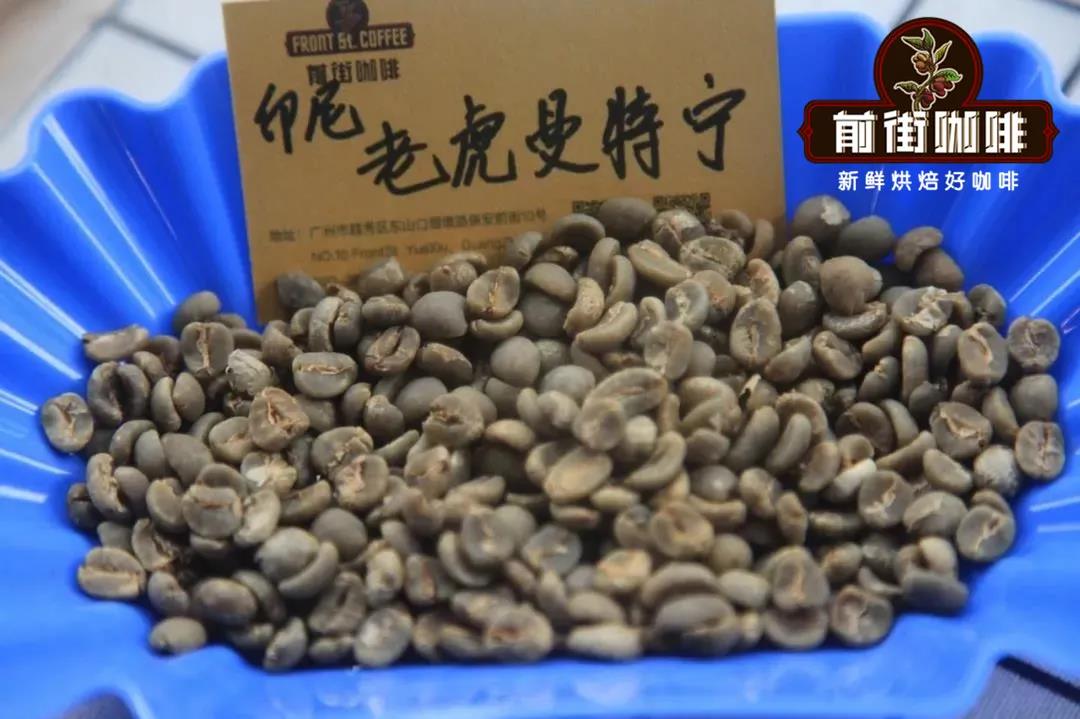
Because drying is compressed into just two to four days, fermentation time is shortened as well. The result: markedly lower acidity and higher body, with prominent caramel and fruit aromatics — sometimes edged with herbal, grassy, or woody notes. This is the unmistakable regional signature of Sumatra.
The Varieties
Tiger Mandheling blends two notably sweet varieties: Typica and Caturra. Typica has bronze young leaves and oval, slender-pointed beans. It delivers elegant flavors but is fragile, disease-prone, and low-yielding. Cupping Typica from many origins, FrontStreet Coffee consistently finds the same clean, understated sweetness and balance. Caturra is a Bourbon derivative, with round, slender beans that curl at the tail end; both its productivity and disease resistance outstrip Bourbon, with bright flavors and good sweetness overall.
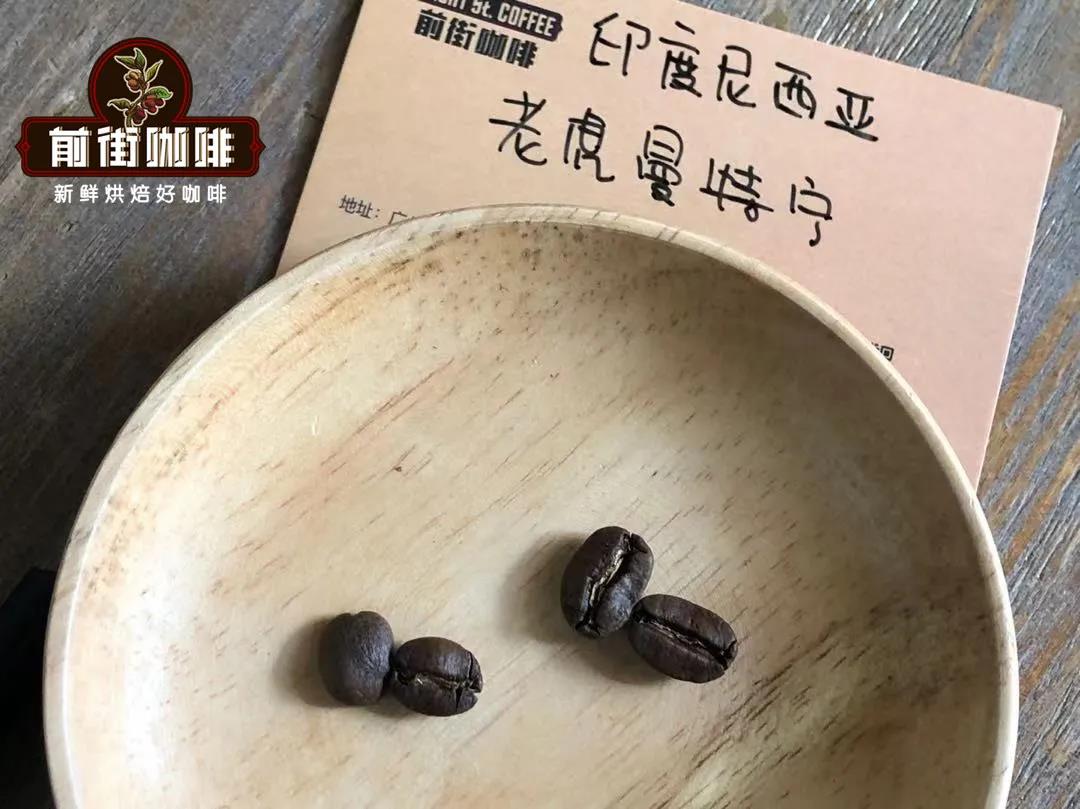
FrontStreet Coffee's roasters found the Tiger Mandheling green beans round and yellowish-green, with good uniformity and high moisture. The roasting target is medium-dark — taming excess acidity while amplifying body and balance.
FrontStreet Coffee Roasting Profile
Preheat the roaster to 200°C, then charge the beans with airflow at 3. After 30 seconds, cut the heat to 160°C, leaving airflow unchanged. The turning point arrives at 1'45". Hold the heat; at 5'18" the bean surface turns yellow, the grassy aroma disappears entirely, and the drying stage is underway. Reduce heat to 140°C and open the airflow to 4.
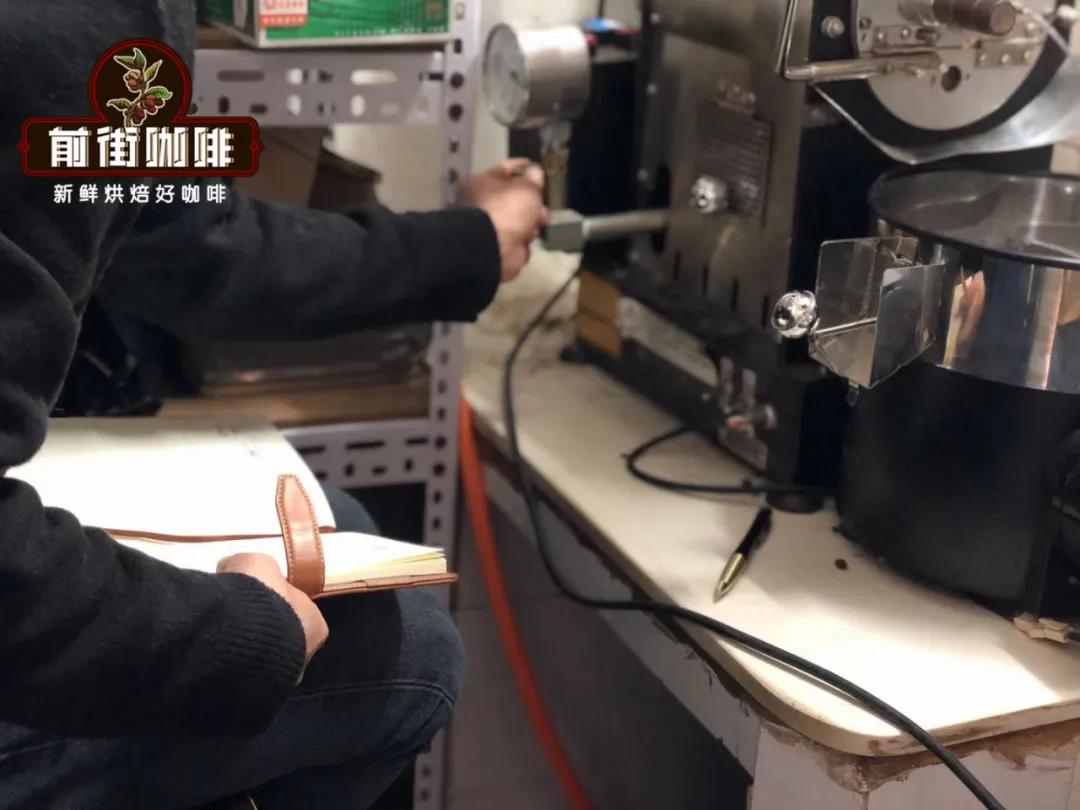
At 7'30" drying is complete; trim the heat to 140°C. At 8'55" the beans show rough wrinkles and dark spotting, and the toast aroma clearly shifts to coffee — the prelude to first crack. Listen closely. First crack begins at 9'00": cut the heat to 110°C and open the airflow fully to 5 (take care not to drop the heat so far that the cracks fall silent). Develop for 4'00" after first crack and drop the batch at 203°C.
FrontStreet Coffee Cupping Notes
Dry Aroma: Herbal, nutty
Wet Aroma: Herbal, caramel
Flavor: Herbal, nutty, creamy, dark chocolate
FrontStreet Coffee Brewing Tips
With a darker-roasted coffee like this, FrontStreet Coffee reaches for a Kono dripper to showcase body. The Kono's strength is its semi-immersion character: it extracts more soluble material for a richer mouthfeel. Its few ribs sit low on the walls, so the filter paper hugs the dripper closely, restricting airflow, slowing the drawdown, and extending contact time between water and coffee.
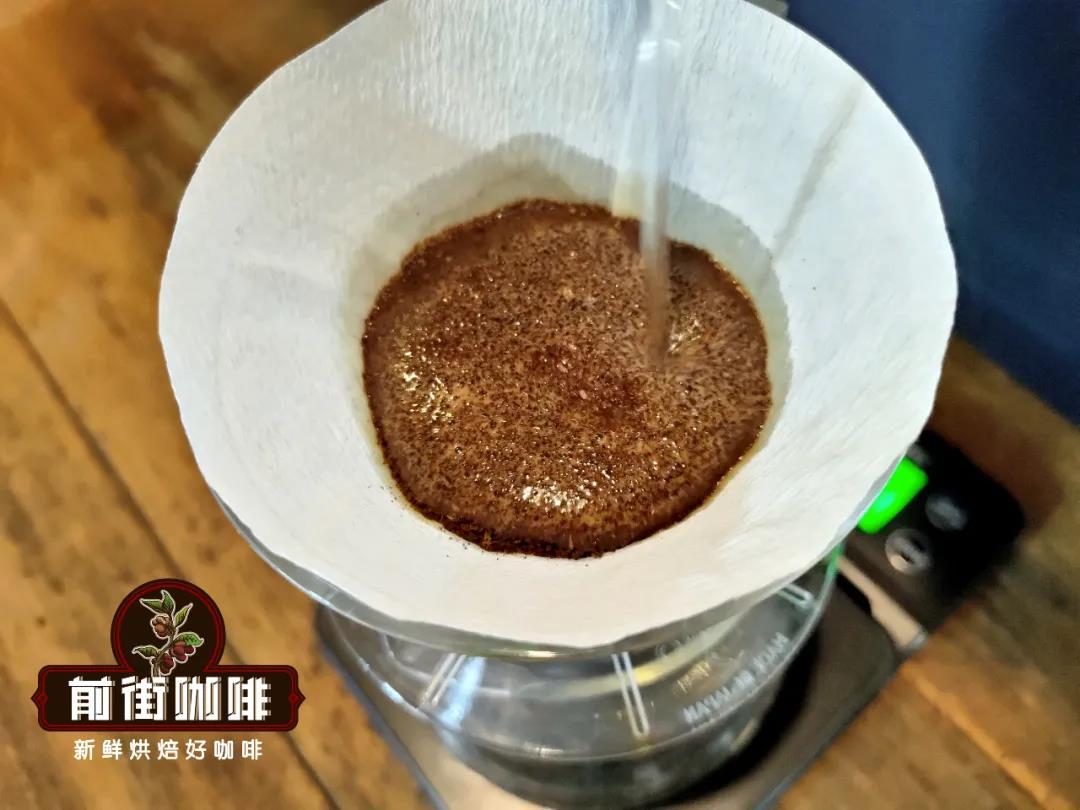
Dripper: Kono Meimon
Coffee Dose: 15 g
Coffee-to-Water Ratio: 1:15
Water Temperature: 88°C
Grind Size: Medium-coarse (about 73% pass-through on a 0.85 mm sieve)
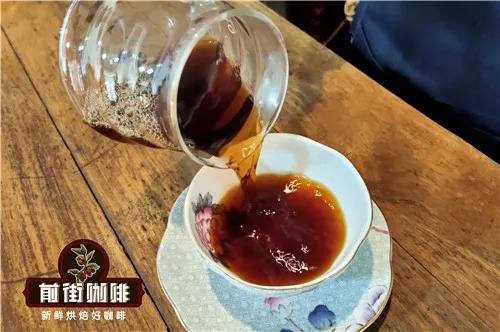
FrontStreet Coffee uses segmented extraction. Bloom with 30 g of water for 30 seconds, then pour in a small spiral up to 125 g and pause. When the level drops and the bed is about to break the surface, pour on to 225 g and stop. Once the level falls again and the bed is about to be exposed, lift off the dripper. Total extraction time (timed from the bloom) is 2'05".
In the Cup: Nutty, creamy, dark chocolate, and caramel with an intriguing herbal-medicinal edge; pronounced sweetness, and a remarkably clean, clear profile for a Mandheling.
FrontStreet Coffee Recommendation
If Tiger Mandheling's wild charm has won you over, the FrontStreet PWN Gold Mandheling is the definitive expression of the category. Produced by Indonesia's PWN company to exacting standards — beans of 18-screen size or larger, with fewer than 3 defects per 300 g sample to meet the top G1 grade, followed by three rounds of hand sorting — it delivers exceptional cleanliness and sweetness. Golden Mandheling comes from the Aceh highlands around the Gayo mountains near Lake Tawar, where the beans show a delicate aroma and bright character. After a medium-dark roast it carries rich roasted-nut aromatics, and the brewed cup is clean, full-bodied, and smooth — a perfect match for anyone who dislikes acidic coffee.
Brewing suggestions: pour-over shows Gold Mandheling at its best. Use water at 87-88°C, a 15 g dose at a 1:15 ratio, and a coarse-sugar grind, poured in three stages: bloom with 30 ml of water to wet the bed and degas, pour 100 ml to lift the bed and release the golden crema, then finish with a gentle 95 ml center pour to raise sweetness — yielding a thick, syrupy body with caramel sweetness and chocolate-nut flavors.
Important Notice :
FrontStreet Coffee is a long-established specialty coffee roaster in Guangzhou China, selling freshly roasted beans from its own farm in Yunnan as well as dozens of carefully selected single-origin beans from around the world for both pour-over and espresso. The products deliver consistently excellent quality and great value, with shipping within 24 hours. Guangzhou's FrontStreet Coffee shop is recommended by many coffee lovers, and the beans are now available online at the Tmall 。
FrontStreet Coffee has moved to a new address:
FrontStreet Coffee Address: 315,Donghua East Road,GuangZhou
Tel:020 38364473
 Scan and follow the En Gafei WeChat official account. Please indicate that the reprint comes from "En Gafei".