Why is Kenyan Coffee Becoming More Expensive with Less Flavor Than Before? Brewing Masai AA Kenyan Coffee Beans
Kenya Coffee Production Region Information
Kenyan government officials stated on December 8, 2020, that the country's coffee production in 2020 was expected to fall by 4,000 tons to 40,000 tons compared with 2019. This reduction would not affect Kenya's coffee exports in 2021. Hamadi Boga, Principal Secretary of the country's Ministry of Agriculture, Fisheries and Livestock, stated that shrinking planting area and declining productivity were the main reasons for the drop.
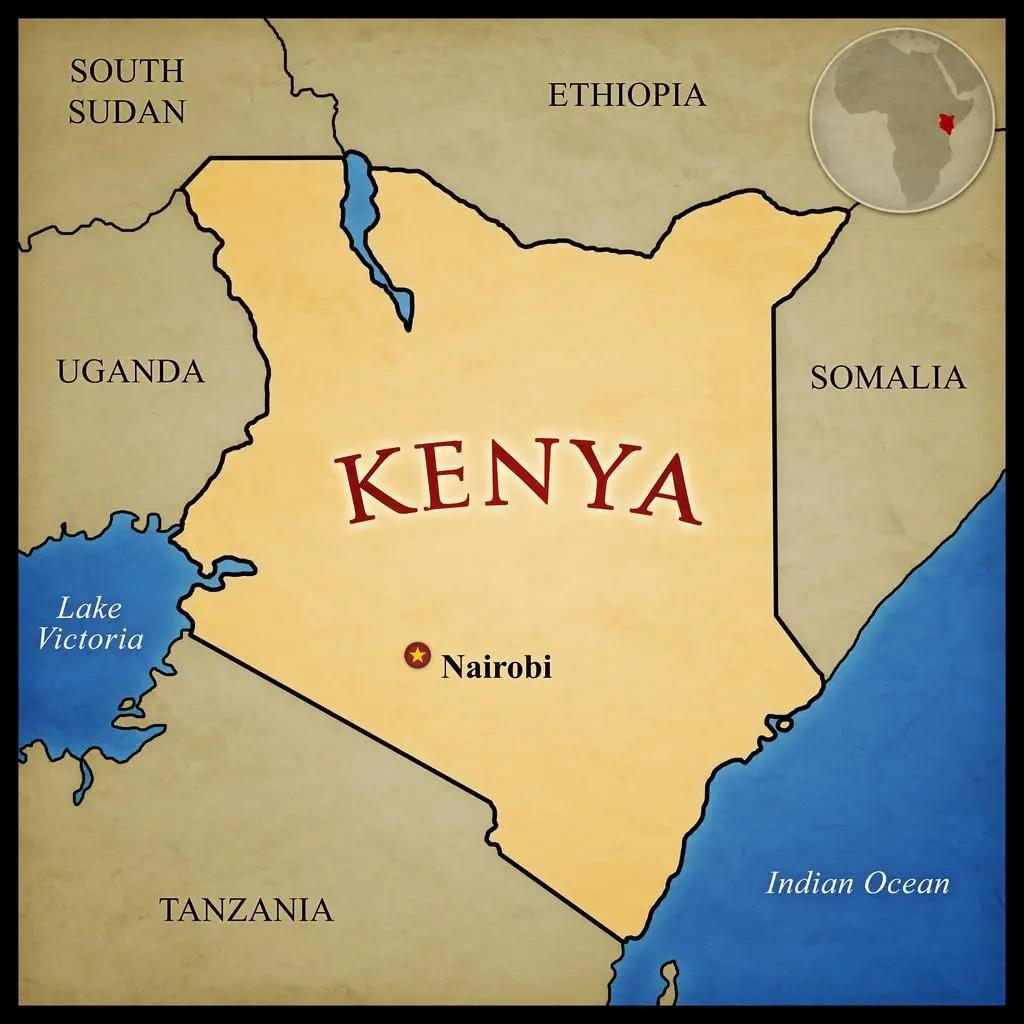
Why is Kenya experiencing a decline in planting area?
In Kenya, small-scale estate farmers often deliver fresh cherries to cooperatives, which then process and sell them to domestic and international markets. The complexity of the cooperatives' business processes, however, leads to delayed payments to farmers, which hampers their investment in production and reduces productivity. At the same time, some farmers convert coffee land to house construction, naturally shrinking the planting area.
Why is Kenyan coffee becoming more expensive while its flavor is not as good as before?
Given the current reduction in Kenyan coffee planting and coffee market trends, Kenyan beans will become increasingly scarce, and quality cannot be guaranteed. This is the main reason Kenyan coffee appears less often on the market today and commands high prices. Since last year, FrontStreet Coffee has been continuously acquiring different Kenyan beans for cupping, hoping to find a high-quality, cost-effective Kenyan coffee to share. Aside from the already-listed Kenya Assalia, though, no new bean has yet made FrontStreet Coffee's baristas raise their approval cards during cupping. FrontStreet Coffee's process for listing each coffee may look simple, but there is one key point: not every bean can achieve the region's flavor characteristics.
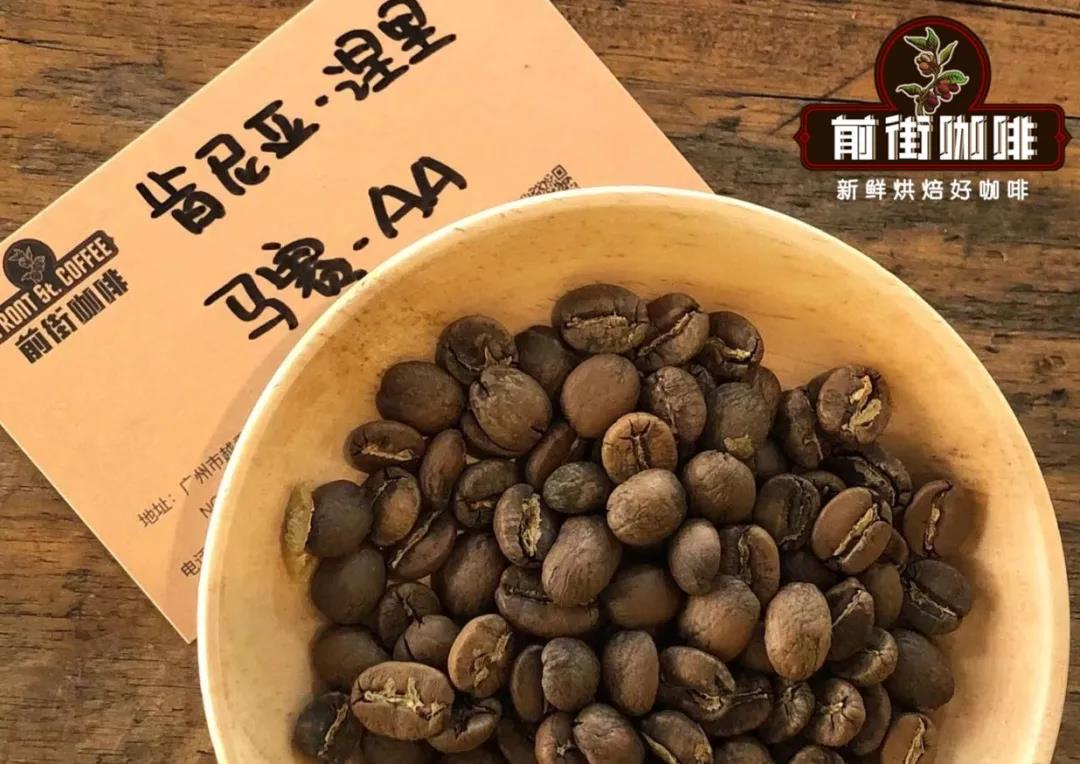
FrontStreet Coffee — Maasai AA Coffee Beans
Region: Kenya, Nyeri
Variety: SL28 & SL34
Processing: Washed
Altitude: 1600-2100m
Grade: AA
Nyeri Coffee Production Region
Nyeri, Kenya's most famous coffee region, lies in the center-west of the country, surrounded by Mount Kenya and Mount Aberdare. From the Laikipia plains, you can look up at the majesty of the snow-capped mountains. Set among mountains with the eastern end of the East African Rift Valley stretching through, the region draws pure, cool meltwater from the peaks. These favorable natural conditions not only provide habitat for numerous wildlife species but also nurture the unique flavor of Kenyan coffee.
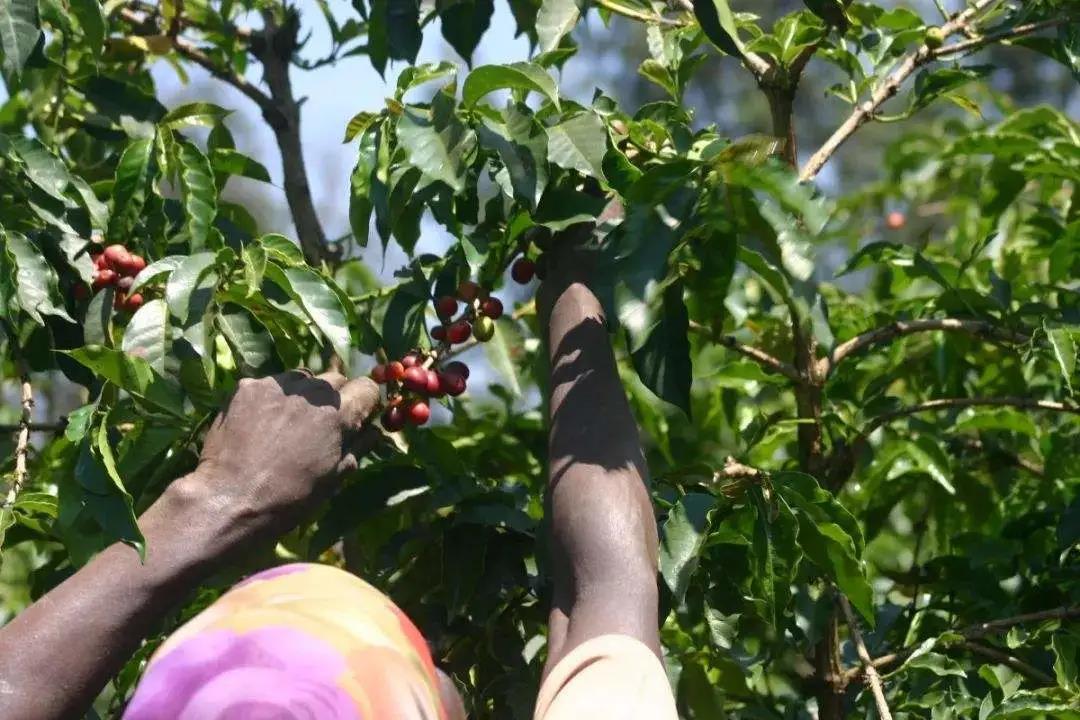
Agriculture is an important economic industry in Nyeri, and the thick red volcanic soil is very well suited to growing tea and coffee. The area mainly cultivates two well-known varieties, SL28 and SL34. Cupping beans from this region, FrontStreet Coffee found their flavor exhibits full, juicy sweet-and-sour notes, blackcurrant acidity, and a dark plum aftertaste, a very classic "Kenyan impression."
Why is this coffee bean called "Maasai"?
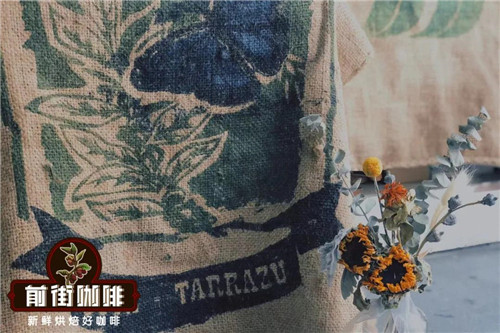
The bean FrontStreet Coffee acquired is grown near Mount Aberdare. The coffee bags produced here carry the image of the nomadic Maasai people, and the bean takes its name from that.
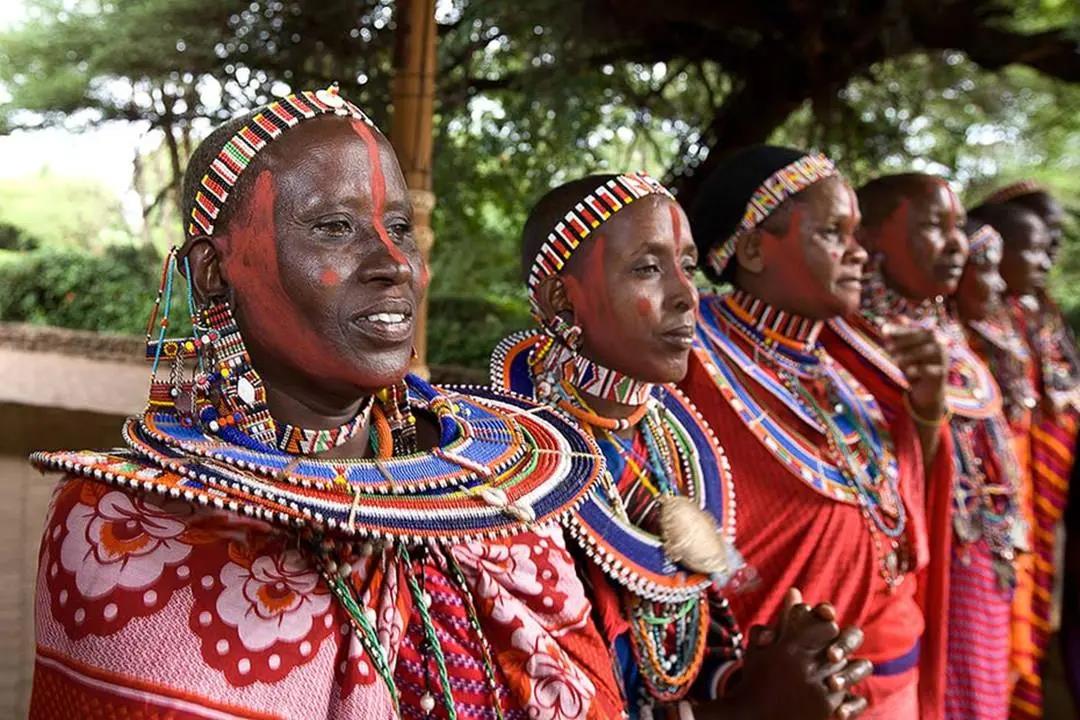
This Kenyan Maasai coffee, with its blackcurrant and dark-plum-like high acidity and full body, brings a "primitive" feeling to the palate, much like the Maasai themselves.
Kenyan Coffee Varieties
SL28 & SL34
In 1930, the unique Kenyan varieties SL28 and SL34 were cultivated and named by Scott Laboratories.
SL28 was selected as a single variety in 1935 from the drought-resistant population of Tanganyika varieties. SL28 suits medium to high altitudes and has drought resistance, but it is sensitive to major coffee diseases. SL28 beans resemble the Bourbon variety, round and thick, and recent genetic testing has confirmed that SL28 belongs to the Bourbon genetic group.
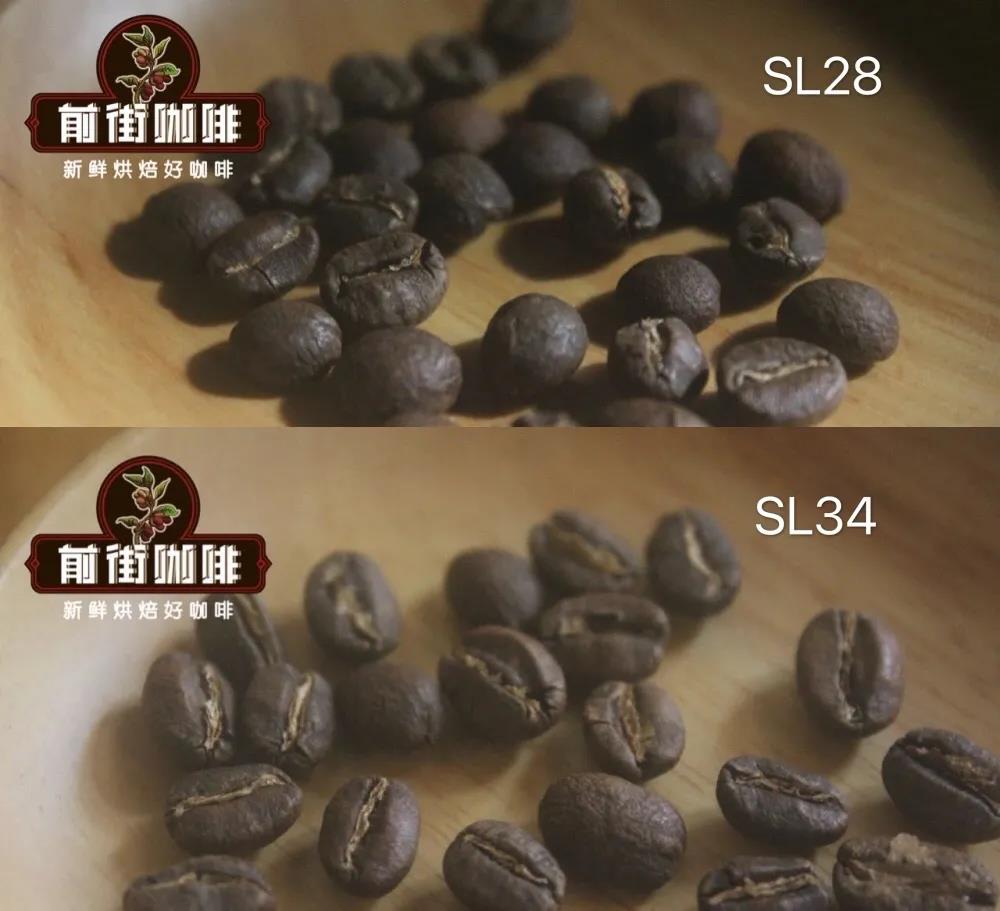
SL34 was initially selected at the Scott Agricultural Laboratories in Kenya in the late 1930s. It was chosen from a tree on the Kabete Loresho estate in Kenya, a tree known as "French Mission." SL34 beans resemble the Typica variety. FrontStreet Coffee screens Kenyan lots whose beans resemble Typica, with elongated, oval bodies that appear fairly flat from the side. Recent genetic testing indicates that SL34 is related to the Typica genome.
Washed Processing Method
This Kenyan coffee does not use the Kenyan 72-hour washed process but instead the most traditional washed method. First, skin and pulp are removed and the beans are allowed to ferment for 12-18 hours. Then the fermented beans are placed in a pool and moved back and forth, using the friction of the beans and the power of flowing water to wash them until they are smooth and clean. After washing, the beans are still encased in parchment with a moisture content of 50%, so they are sun-dried to bring moisture down to 12-14%.
FrontStreet Coffee Roasting Records
FrontStreet Coffee's roaster uses a Yangjia 800N semi-direct flame machine with a batch size of 480g: heat the drum to 170°C, add the beans, open the air damper to 3, and set the heat to 120. Return point: 1'36". When the temperature rises to 112°C, open the air damper to 4. Roast until 5'50", when the temperature reaches 151.3°C, the bean surface turns yellow, the grassy smell disappears completely, and dehydration is complete.
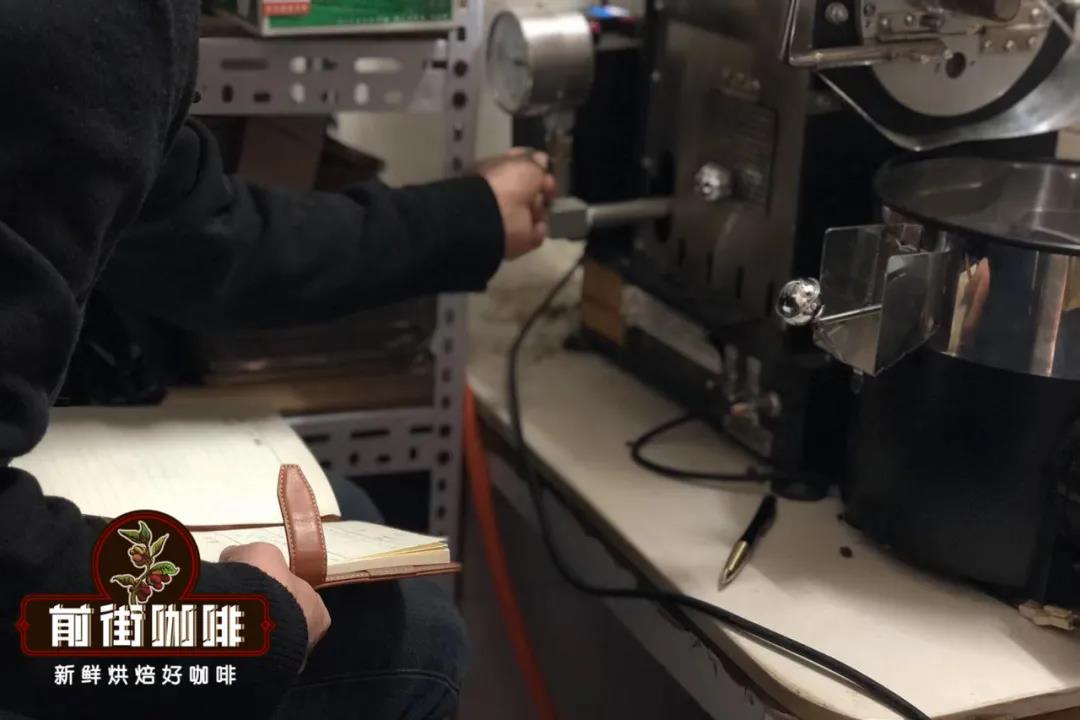
When ugly wrinkles and black spots appear on the bean surface and the toasted-bread smell clearly turns to coffee aroma, this marks the prelude to first crack. Listen carefully for the sound of first crack. At 8'50" first crack begins; the air damper is unchanged and the heat is reduced to 100. First-crack development time is 2'00", finishing at 192°C.
FrontStreet Coffee Cupping Report
Dry Aroma: Dark plum
Wet Aroma: Blackcurrant
Flavor: White tea, brown sugar, dark plum, blackcurrant
FrontStreet Coffee Brewing Experience
FrontStreet Coffee noticed that Kenyan beans are very prone to over-extraction, so the grind size should fall between medium-fine and medium-coarse (77% retention through a #20 sieve), and the coffee-to-water ratio for brewing should be slightly increased.
Dripper: V60 #01
Water Temperature: 90°C
Dose: 15g
Ratio: 1:16
Grind Size: BG#6S (77% retention through a #20 sieve)
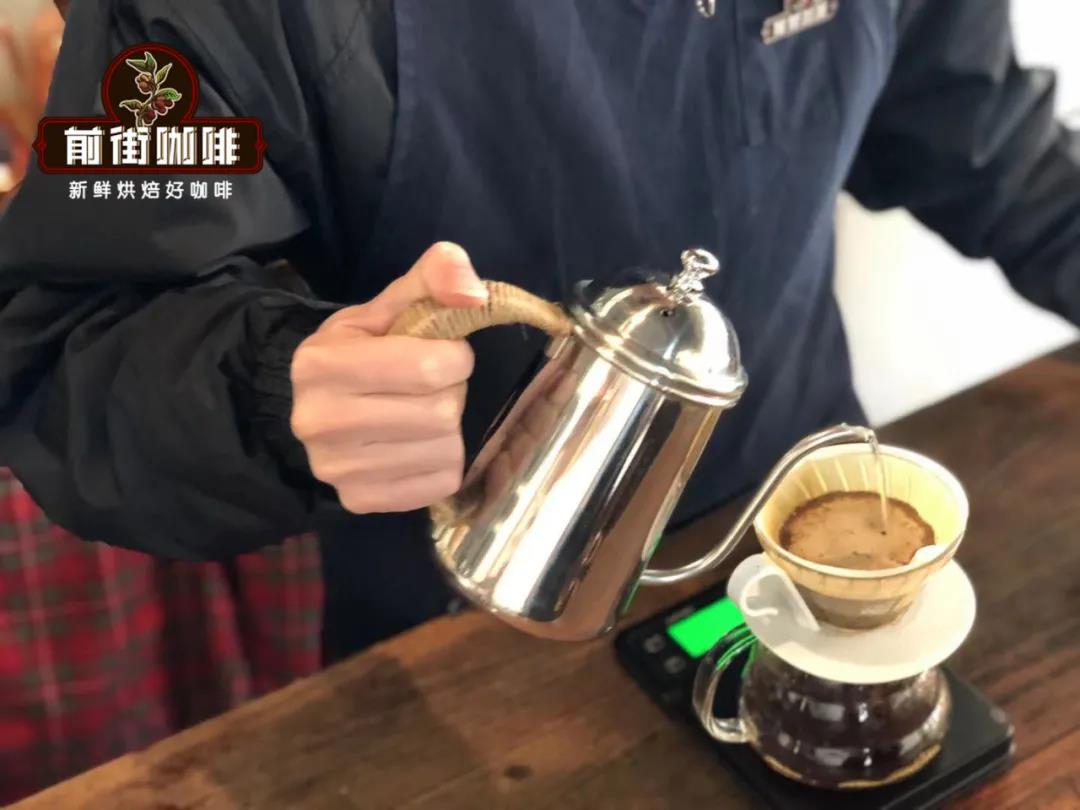
FrontStreet Coffee Brewing Method: First wet the filter paper and preheat the dripper and pot. Use 30g of water for a 30-second bloom, then pour in small circles to 130g. When the water level drops and is about to expose the coffee bed, continue pouring to 240g and stop. As the water level drops again and is about to expose the bed, remove the dripper (timing starts from the beginning of the bloom). Extraction time is 2'02".
Brewing Flavor: The entry is rich blackcurrant juice, with dark plum acidity and brown sugar sweetness all emerging at once. A few seconds later, everything "retreats," leaving only a white-tea-like clean feeling. It is like a group of Maasai running through your mouth, then realizing they are in the wrong place and all retreating, leaving behind a grassland with traces of their passage.
FrontStreet Coffee Recommendation
Kenya's bright, juicy acidity sits at the top of the entry-level specialty world, and FrontStreet Coffee's beginner picks pair well with this Maasai AA. FrontStreet's Kenya "Little Tomato" is a washed Kenyan single-origin built around vivid cherry-tomato and smoked-plum acidity: from the Sika region, grown at 1,550-1,750 meters and made up of the classic SL28 and SL34 varieties, it uses Kenya's signature 72-hour double washed fermentation and a light roast to keep the acidity lively. The dry aroma shows concentrated dried tomato and florals; the cup brings clear cherry tomato and smoked plum, bright and solid, with mid-palate sweetness, snow pear and black plum, and a clean, long finish of yellow sugar and light green tea.
Colombia offers a softer counterpoint to Kenya's intensity. FrontStreet's Colombian Huila comes from the Huila province, Colombia's most famous specialty region, ringed by mountains with cultivation above 1,500 meters, and it leads with gentle florals and fruit acidity. For something more unusual, FrontStreet's Colombia Finca La Divisa Chiroso uses anaerobic natural processing, which transforms the bean into more tropical fruit aroma; roasted medium-light, it shows passion fruit, grape, apricot, and dried fruit across pour-over, cold brew, drip bags, and moka pot.
Important Notice :
FrontStreet Coffee is a long-established specialty coffee roaster in Guangzhou China, selling freshly roasted beans from its own farm in Yunnan as well as dozens of carefully selected single-origin beans from around the world for both pour-over and espresso. The products deliver consistently excellent quality and great value, with shipping within 24 hours. Guangzhou's FrontStreet Coffee shop is recommended by many coffee lovers, and the beans are now available online at the Tmall 。
FrontStreet Coffee has moved to a new address:
FrontStreet Coffee Address: 315,Donghua East Road,GuangZhou
Tel:020 38364473
 Scan and follow the En Gafei WeChat official account. Please indicate that the reprint comes from "En Gafei".