Nicaragua Coffee Region Java Beans - Lemon Tree Estate Java Nicaragua Coffee Beans Brewing Flavor
How did Erwin Mierisch, owner of Limoncillo Estate, accidentally rescue the once-endangered Java coffee variety through a simple act of kindness? This article tells the story between Limoncillo Estate and the Java variety.
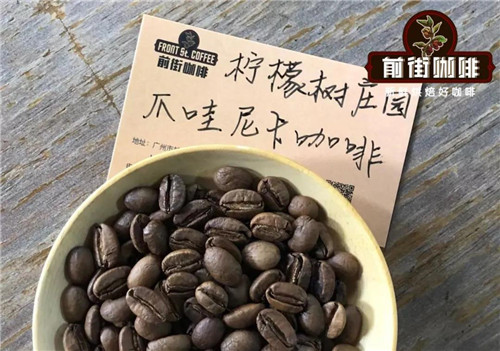
FrontStreet Coffee — Java Nica Coffee Beans from Limoncillo Estate
Origin: Nicaragua, Matagalpa
Altitude: 850m–1150m
Variety: Java Nica
Processing: Low-temperature anaerobic natural
Nicaragua
Nicaragua sits in the heart of Central America, bordered by Honduras to the north, Costa Rica to the south, the Caribbean Sea to the east, and the Pacific Ocean to the west. Its terrain is dotted with volcanoes that have blanketed the land in mineral-rich volcanic soil. The varied regional climates, combined with shade-grown cultivation, have created excellent growing conditions. Jinotega, Matagalpa, and Nueva Segovia are the main sources of Nicaraguan specialty coffee. From cupping Nicaraguan coffees, FrontStreet Coffee has found that a fresh aroma, soft acidity, and an excellent balance of aftertaste and bitterness are the hallmarks of this origin.
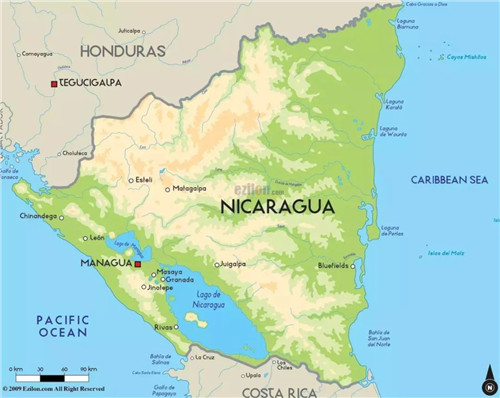
Matagalpa Region
Matagalpa is the most populous and second-largest province in northern Nicaragua, and its cool climate and diverse ecology create natural conditions well suited to coffee. Altitude ranges from 600 to 1,300 meters, average temperatures run 20-30°C, and annual rainfall is 1,500-1,700 millimeters. Harvest here runs from November through March of the following year. Limoncillo Estate lies in the 850m-1150m band of this region. Coffee trees planted here are often surrounded by tall coniferous forest that shades their growth, letting the trees receive filtered sunlight while protecting them from scorching—which is why coffee from this area has such delicate, mild flavors.
Limoncillo Estate
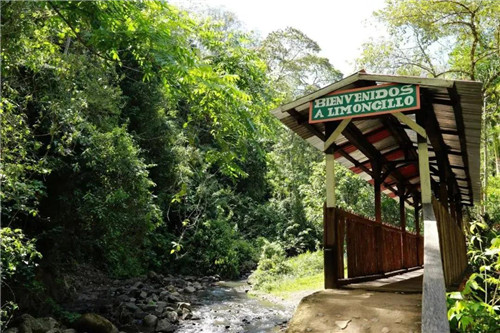
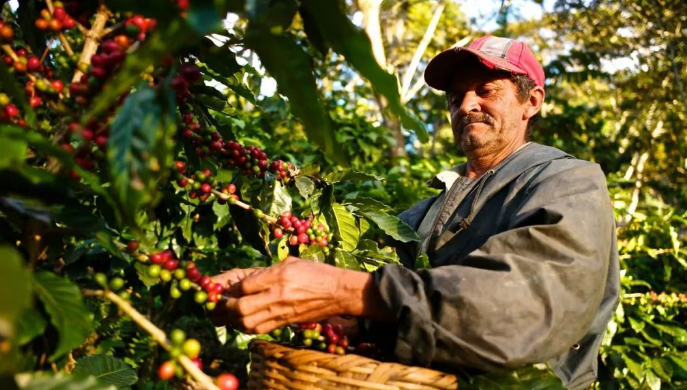
Limoncillo Estate sits in the Matagalpa highlands on steep, rising terrain with abundant water. To safeguard quality, owner Erwin Mierisch relies on manual harvesting: pickers select fully ripe cherries one by one, and a full harvest typically takes three passes.
Hand picking is costly and slow, but it minimizes damage to the plants and ensures the ripest fruit carries maximum sweetness.
What is Java Nica?
The Java variety was once endangered. It traces back to Java Long Berry from the island of Java in Indonesia, where it can still be found, though production is limited. Because of its poor disease resistance, local farms have gradually switched to other varieties.
In appearance Java resembles Typica. Most Java plants seen in Indonesia are of the shortberry type, with longberry types being rarer. The variety is uncommon in looks but delivers remarkably clean, delicate flavors. The Java Nica saved by Limoncillo Estate is closer to the Java Long Berry, with slender, curved beans.
The Accidental Rescue of Java Nica
In 2001, the estate owner and his father were driving to visit another estate owner. On the way back they passed an experimental station of the United Coffee Organization when someone tried to flag their car down. Erwin admitted he wanted to drive straight on, but his father insisted on stopping to see whether help was needed. It turned out the man worked at the station, which was being forced to close for lack of funding. With no cash to pay severance, the staff had resorted to stopping passing vehicles to ask if anyone would buy the seeds and tools from the laboratory so the workers could be paid.
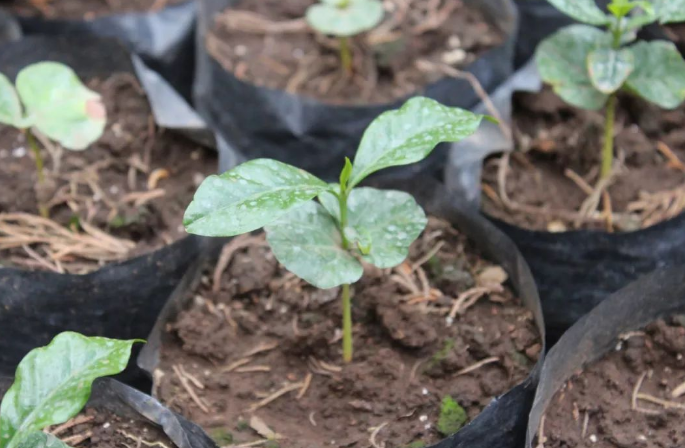
Erwin's father agreed without hesitation. Among the seeds at the station was a bag labeled "Java"—which aroused little curiosity, since the variety was unfamiliar to most Nicaraguan coffee farmers. Erwin didn't think an unknown variety was worth the effort, but back at their own estate his father examined the seeds carefully, planted them, and raised seedlings. When the seedlings sprouted, he brought them to scholars from the experimental station of the 1980s.
After careful study and confirmation, the scholars determined that the seeds Erwin and his father had acquired by chance really were the Java variety. She said with excitement: "Java is a great variety, but it was once endangered and deserves careful cultivation! Note that this variety has low yield and poor disease resistance, but excellent flavor, and requires meticulous care."
Erwin later recalled that his father's unassuming act of kindness—together with the scholars' timely confirmation and advice—led him to take second place in his first outing at the Nicaragua Cup of Excellence in 2008. The winning bid price even surpassed that year's champion lot, making Nicaraguan Java famous overnight. It set off a huge discussion in the coffee world, because the bean met multiple demands at once: rarity, excellent flavor, and a compelling story.
Low-Temperature Anaerobic Natural Processing
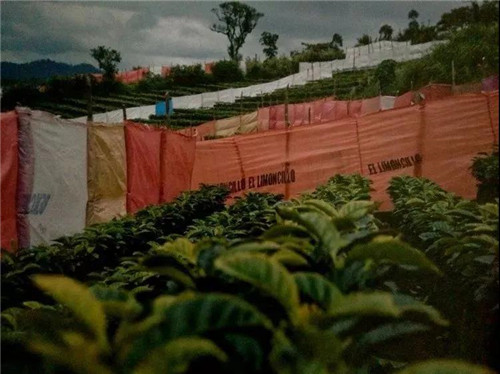
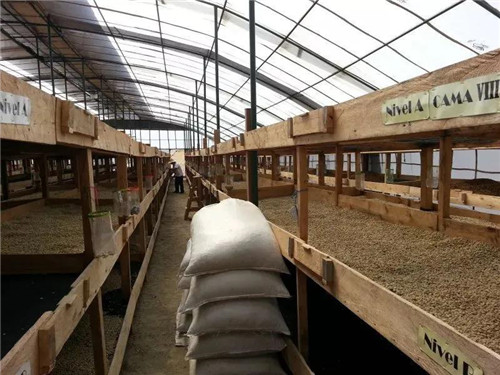
Low-temperature anaerobic natural processing, also called anaerobic fermentation with slow low-temperature natural drying, works like this: first the harvested cherries are sealed in containers to ferment for 4-5 days. The fermented cherries are then spread evenly on drying beds inside a greenhouse, where the room temperature is controlled so they dry gradually.
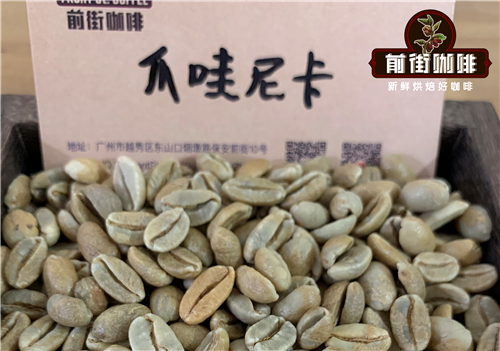
The low-temperature anaerobic natural Java from Nicaragua that FrontStreet Coffee sourced has pale green raw beans that give off aromas of fresh grass, a light fermented wine fragrance, and sweet-tart cherry.
FrontStreet Coffee Roasting Recommendations
Preheat to 180°C, set heat to 130, air damper to 3; turning point at 1'32". When the temperature reaches 130°C, open the damper to 4 with heat unchanged. At 151.6°C the bean surface turns yellow, the grassy aroma disappears completely, and the beans enter the drying stage. At 7'56", wrinkles and dark mottling appear on the bean surface and the toast aroma clearly turns to coffee aroma—the prelude to first crack. Listen carefully from this point. At 8'30" first crack begins; open the damper to 5. Develop for 1'10" after first crack and drop the beans at 193°C.

FrontStreet Coffee Cupping Report
Dry Aroma: Chocolate, spices
Wet Aroma: Berries
Flavor: Lemon, licorice candy, honey, fermented tea
FrontStreet Coffee Brewing Tips
Dripper: V60 #01
Water Temperature: 90-91°C
Dose: 15g
Ratio: 1:15
Grind Size: Medium-fine (79% passing through China standard #20 sieve)
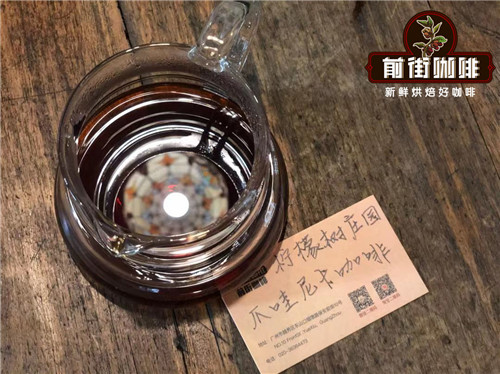
FrontStreet Coffee Brewing Method: Three-stage pour. Start with 30g of water for a 30-second bloom. Pour in a small circular flow up to 125g, then pause. When the water level drops and is about to expose the coffee bed, pour up to 225g and stop. Once the bed is about to be exposed again, remove the dripper (timing starts at the bloom). Total extraction time: 1'57".
Brewing Flavor: While hot, bright lemon acidity and the sweet aroma of honey. As it cools, a black-tea-like fermented note emerges, with complex fruit juice qualities that fill the palate, finishing on a licorice-candy aftertaste.
FrontStreet Coffee Recommendation
If the delicate, fruit-forward profile of this Java Nica appeals to you, two light-roast beans from FrontStreet Coffee deserve a place on your shelf. The Washed Chelba (Konga) Cooperative from Yirgacheffe—grown at 1800-2000m and dried as a natural, with blueberry, tropical fruit, berry, and lemon notes—offers a similarly clean, floral elegance. For an even bolder fruit bomb, FrontStreet Coffee's Natural Hambella (Hua Kui) bursts with strawberry, passionfruit, jackfruit, and lychee aromatics and almost no bitterness, which is why drinkers call it "the coffee that tastes least like coffee."
And for the purest expression of light-roast fruit acidity, FrontStreet Coffee's Kenya Cherry Tomato from the Thika region (1550-1750m, SL28 and SL34, 72-hour double-washed fermentation) delivers vivid cherry tomato and dried plum acidity with fresh-pressed juice body—a striking companion to Nicaragua's gentler charm.
Important Notice :
FrontStreet Coffee is a long-established specialty coffee roaster in Guangzhou China, selling freshly roasted beans from its own farm in Yunnan as well as dozens of carefully selected single-origin beans from around the world for both pour-over and espresso. The products deliver consistently excellent quality and great value, with shipping within 24 hours. Guangzhou's FrontStreet Coffee shop is recommended by many coffee lovers, and the beans are now available online at the Tmall 。
FrontStreet Coffee has moved to a new address:
FrontStreet Coffee Address: 315,Donghua East Road,GuangZhou
Tel:020 38364473
 Scan and follow the En Gafei WeChat official account. Please indicate that the reprint comes from "En Gafei".