Why Doesn't Paradise Estate Sakura Coffee Have Sakura Flavor? How to Brew Colombian Sakura Coffee
What does cherry blossom taste like? That is the most common question people ask upon seeing this bean acquired by FrontStreet Coffee. According to the FrontStreet Coffee team's recollection of cherry blossom's scent, its fragrance is delicate, like watermarks gliding across white paper. Perhaps when the owner of Finca El Paraiso named this coffee, it was because he detected a subtle aroma in the raw beans that evoked cherry blossoms.
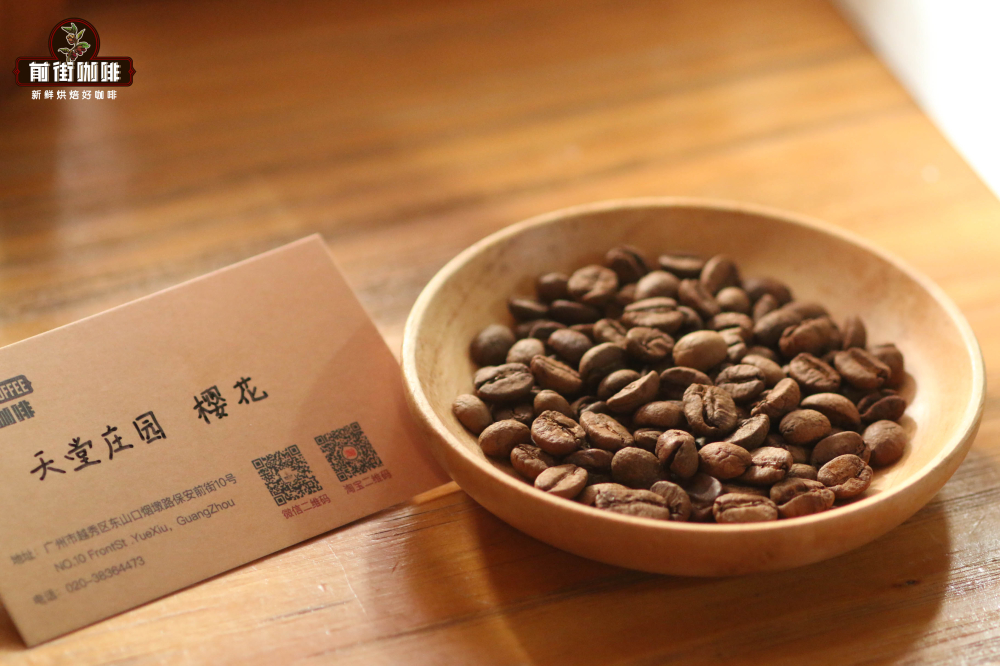
After FrontStreet Coffee's roaster got to work, however, the beans revealed an entirely different aromatic expression. In FrontStreet Coffee's cupping sessions, some tasters detected basil and rosemary, others found chamomile, and still others perceived the fragrance of mugwort. Such intense aromatics led everyone who tasted it to joke that perhaps the bean should be renamed "Herbal Tea"!
Cauca Coffee Region
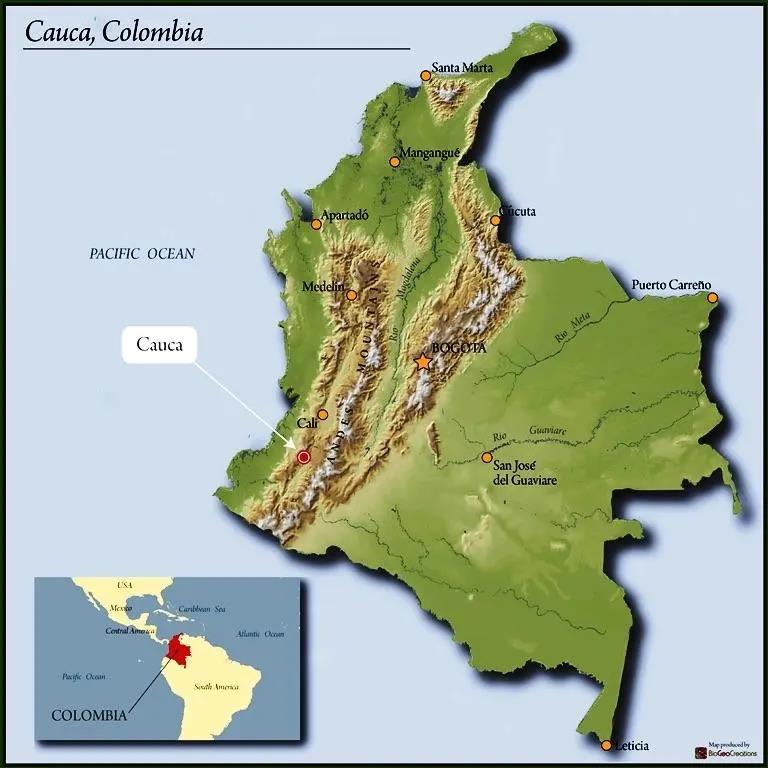
Cauca is a Colombian coffee region with origin certification, with an average altitude of 1,758 meters and maximum elevations of 2,100 meters. The region's topography, rainfall patterns, suitable temperatures, mineral-rich volcanic soils, and traditional local cultivation techniques together produce the superior beans for which it is known.
The most significant climatic distinction between Cauca and other regions is probably its relatively large temperature variation: the daily average temperature is 11°C, while daytime temperatures average 18°C. FrontStreet Coffee often stresses that day-night temperature differentials are crucial to quality coffee. Cooler nights combined with relatively high altitude slow the coffee's growth rhythm, letting the beans absorb nutrients from the cherries more fully — which is why Cauca coffee shows superior acidity and its famously celebrated sweetness.
Finca El Paraiso
Finca El Paraiso is a coffee estate that Mr. Diego Samuel began operating in 2008, at the same time conducting research in agricultural enterprise management. The original Finca El Paraiso was merely a small, 2.5-hectare family-owned farm.
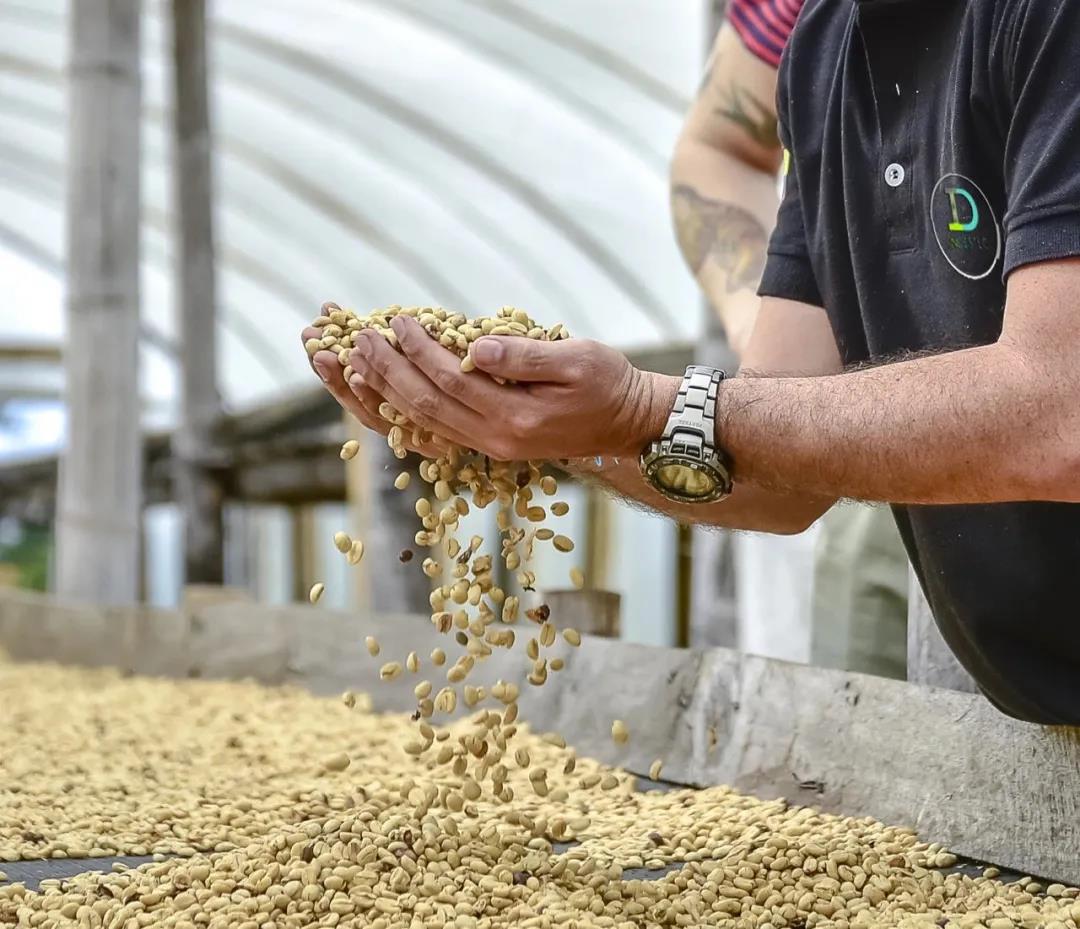
In 2015, Mr. Diego Samuel entered regional green bean cupping competitions for the first time and took first place. That recognition motivated him to devote even greater effort to cultivating high-quality coffee. Today Finca El Paraiso primarily grows Bourbon, Laurina, Geisha, Castillo, and Colombia variety trees. The cherry blossom (Sakura) coffee beans acquired by FrontStreet Coffee are of the Castillo variety.
Castillo Variety
Beginning in 1961, Colombia's coffee research center initiated a research program. As part of continuing studies on rust-resistant varieties like Caturra and the Timor Hybrid, after 23 years of work they developed six Castillo variety lines, which entered widespread cultivation in 2005. Today approximately 45% of Colombia's coffee plantations grow Castillo.
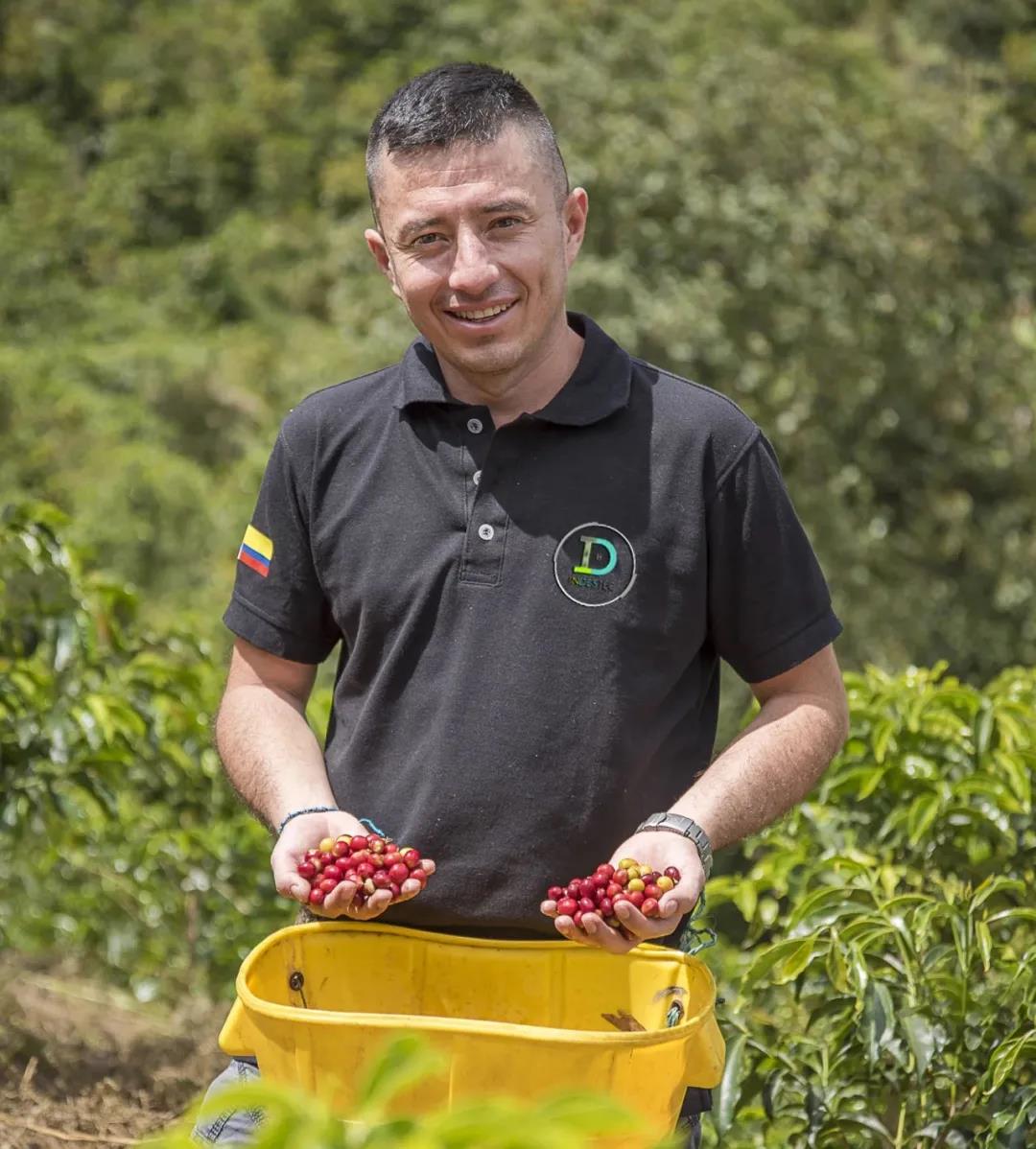
Castillo is renowned for its smooth texture, aromatic qualities, and citric acidity. According to blind tasting results from Colombia's national coffee research center, Castillo's flavor quality can match that of the Caturra and Bourbon varieties.
Double Anaerobic Washed
The cherry blossom beans acquired by FrontStreet Coffee undergo double anaerobic washed processing. First, the whole coffee cherries ferment in an initial anaerobic environment. Then, after the skin and pulp are mechanically removed, the beans — still carrying their mucilage layer — are placed in plastic bags or other sealed containers for a second anaerobic fermentation.
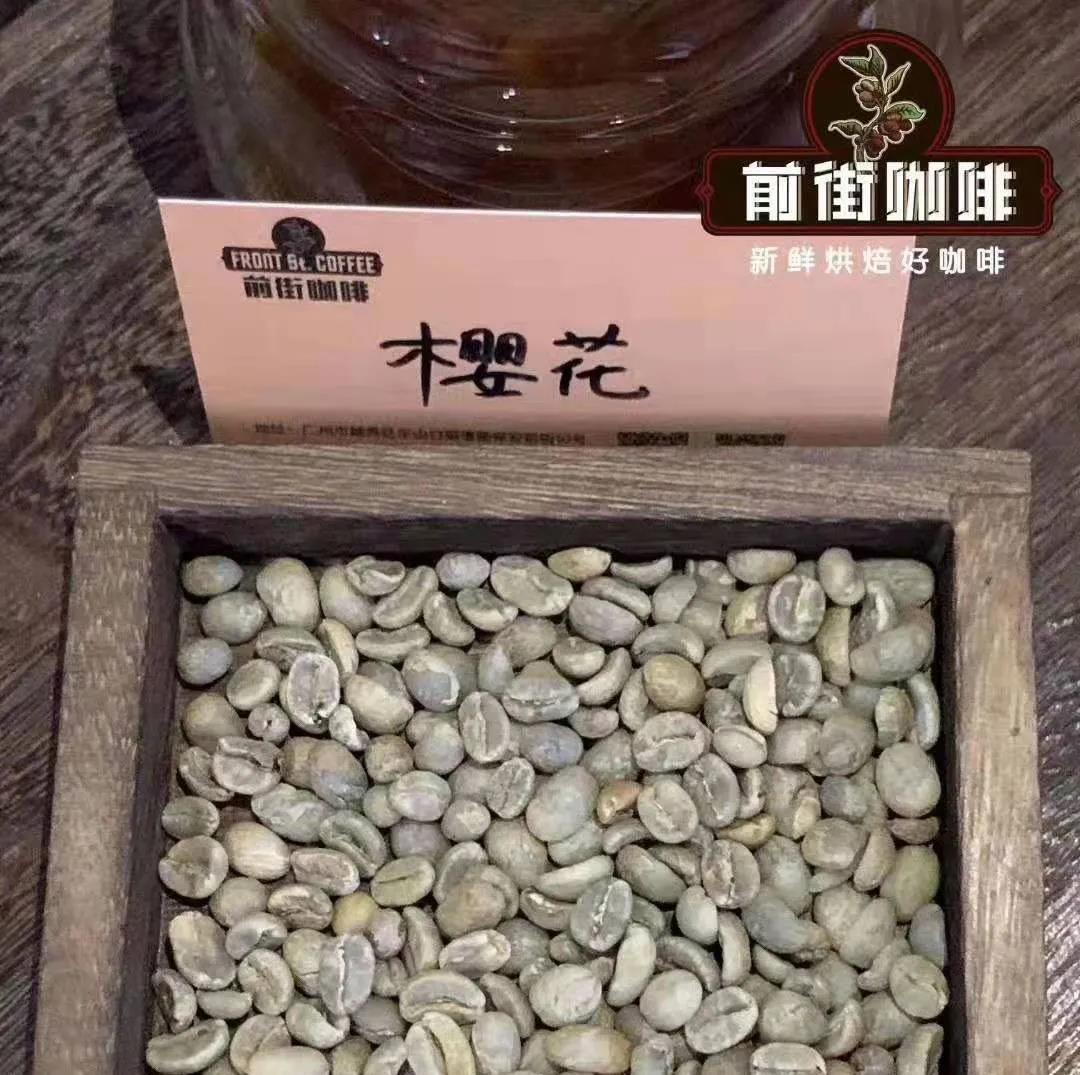
Once fermentation is complete, the beans are removed from the anaerobic environment and washed to strip the mucilage layer, then sun-dried until the moisture content reaches approximately 11%. Through cupping, FrontStreet Coffee found that beans processed this way show richer acidity than ordinary anaerobic washed coffee.
FrontStreet Coffee Roasting Profile
Yangjia 800N, batch: 480g. Preheat the roaster to 165°C, damper set to 3, heat at 120; return temperature at 1'32"; when the roaster reads 115°C, adjust the damper to 4;

Yellowing point at 6'00" — when the bean surface turns yellow and the grassy aromas disappear entirely, the beans enter the drying phase's end. At 8'27", the bean surface shows ugly wrinkles and black markings, and toasted-bread aromas distinctly transform into coffee fragrance — the prelude to first crack. At this moment, listen carefully for the cracking sounds. First crack begins at 10'10"; open the damper fully and reduce heat to 50 at 178°C. Develop for 1'30" after first crack, discharging at 193°C.
FrontStreet Coffee Cupping Report
As mentioned at the start of this article, when this Finca El Paraiso bean was cupped at FrontStreet Coffee, it showed intense floral and herbal aromatics.
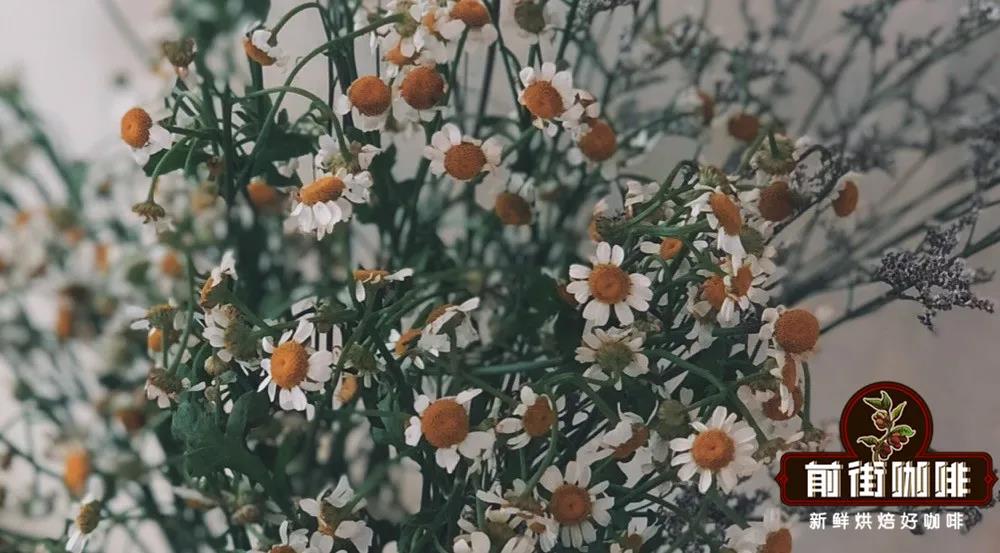
The dry aroma presents basil and rosemary; the wet aroma reveals chamomile and strawberry-jam sweetness. The overall flavor showcases chamomile, basil, and rosemary aromatics, strawberry jam fermentation notes, and strawberry's sweet-tart character.
FrontStreet Coffee Brewing Recommendations
Filter: V60 #01
Dose: 15g
Ratio: 1:15
Water Temperature: 90°C
Grind Size: Medium-fine (78% passing through the #20 standard sieve)
To experience the cherry blossom beans at their best, FrontStreet Coffee recommends brewing with freshly roasted beans to fully appreciate the coffee's rich flavor profile. Beans shipped by FrontStreet Coffee are roasted within 5 days, because freshness significantly impacts flavor. Its roasting philosophy is "Freshly Roasted Quality Coffee," ensuring every customer receives the freshest coffee upon delivery. The resting period is approximately 4-7 days, so by the time the order arrives, the beans are at peak flavor development.
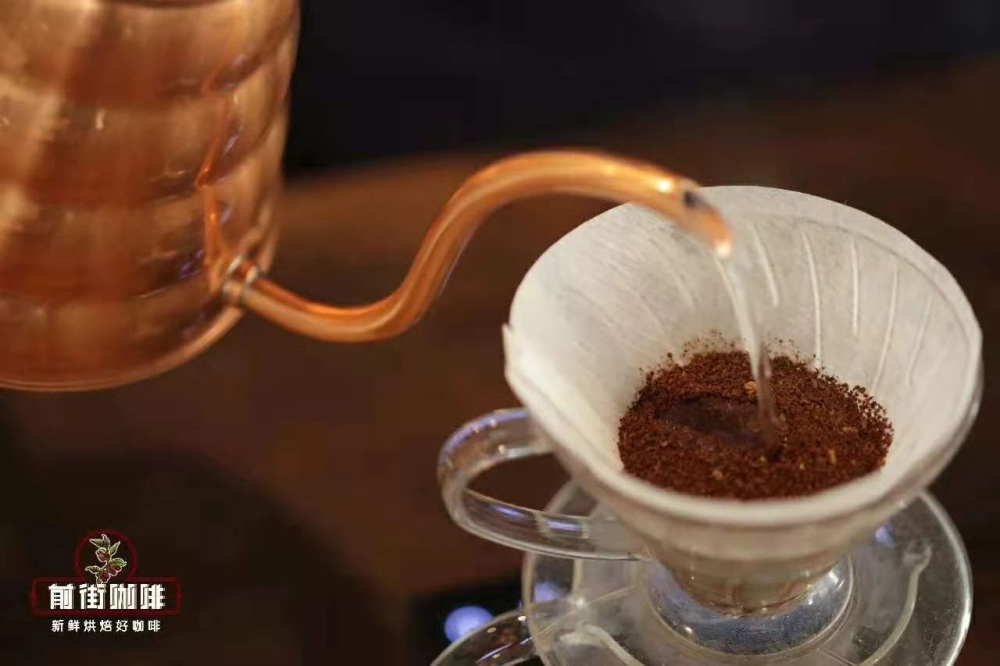
FrontStreet Coffee's three-stage pouring technique: First, preheat the dripper and server. Add 15 grams of grounds, tapping gently to level the bed. Begin the first stage: inject 30 grams of water in circular motions from the center for a 30-second bloom — ideally the grounds saturate evenly, forming a small "coffee dome." After 30 seconds, start the second stage, holding the water column 3-5cm high and pouring 95 grams in concentric circles from the center outward, bringing the total to 125 grams; the liquid surface should be fully covered with golden coffee foam. When the coffee bed is about to be exposed, begin the final stage, adding 100 grams of water while slowly drawing concentric circles at a consistent flow. When all the liquid has drained into the server, remove the dripper to finish. Total duration: 2 minutes 8 seconds.
Brewing flavors: the wet aroma reveals strawberry-jam sweetness and chamomile; the first sip brings strawberry-like sweet-tart notes with strawberry-jam fermentation character, followed by basil leaf and rosemary aromatics, and finally a subtle mint-tea-like cooling sensation in the mouth.
For professional coffee knowledge exchange and more coffee bean information, please follow Coffee Workshop (WeChat official account: cafe_style). For more specialty coffee beans, please add FrontStreet Coffee's private WeChat account: kaixinguoguo0925
FrontStreet Coffee Recommendation: More Colombian Innovation — Anaerobic Sidra from Finca Divisia
If Finca El Paraiso's double anaerobic washed process intrigued you, FrontStreet Coffee's Colombia Sidra from Finca Divisia offers another delicious chapter of Colombia's experimental processing story. Anaerobic fermentation — carried out in pressure-resistant sealed tanks where temperature, time, and pH are precisely controlled — transforms the coffee into something wonderfully tropical. This Sidra undergoes an anaerobic natural process and a medium-light roast, yielding jasmine and citrus on the dry aroma, then passion fruit, grape, apricot, and dried-fruit flavors with a juice-like mouthfeel, bright yet gentle acidity, a whisper of spice in the mid-palate, and a lasting cocoa finish. It shines as a pour-over and adapts beautifully to cold brew, drip bags, or a moka pot — iced pour-over especially highlights its fresh, smooth grape-juice character.
Important Notice :
FrontStreet Coffee is a long-established specialty coffee roaster in Guangzhou China, selling freshly roasted beans from its own farm in Yunnan as well as dozens of carefully selected single-origin beans from around the world for both pour-over and espresso. The products deliver consistently excellent quality and great value, with shipping within 24 hours. Guangzhou's FrontStreet Coffee shop is recommended by many coffee lovers, and the beans are now available online at the Tmall 。
FrontStreet Coffee has moved to a new address:
FrontStreet Coffee Address: 315,Donghua East Road,GuangZhou
Tel:020 38364473
 Scan and follow the En Gafei WeChat official account. Please indicate that the reprint comes from "En Gafei".