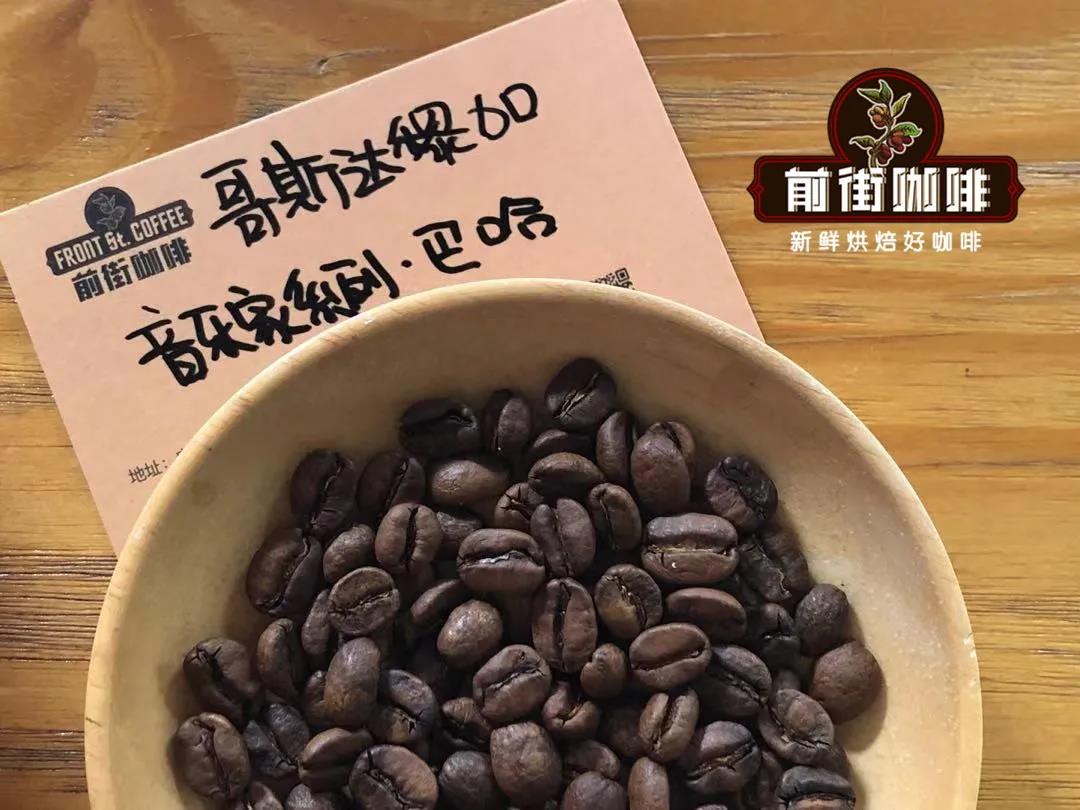
Costa Rica Diamond Series Micro-batch Black Honey Process Coffee Beans Costa Rica Coffee

Latest Updates from Costa Rica's Coffee Regions
Costa Rican government data shows the country exported 29,147 bags (60kg each) of coffee in November 2020, an increase of nearly 85% over 15,796 bags in the same period the previous year. That was the sixth consecutive month of export growth. Favorable weather that lifted production, effective upkeep of coffee plantations through the COVID-19 pandemic, and strong international demand for Costa Rican coffee all fed into the rise.
About This Article
You may not be familiar with the Venecia variety. Most people picture Central American coffee regions as planted mainly with Caturra and Catuai. The Venecia that FrontStreet Coffee looks at here was selected 100% from Caturra plants that are more disease-resistant and higher-yielding — it is a natural mutation of Caturra.

FrontStreet Coffee — Costa Rica Diamond Series Venecia Coffee Beans
Region: Tarrazu, Costa Rica
Variety: Venecia
Processing: Black Honey
Altitude: 1700-1800m
Grade: SHB
Coffee Bean Varieties
Venecia
The Venecia variety was selected 100% from Caturra plants that are more disease-resistant and higher-yielding, making it a natural mutation of Caturra. These trees show better productivity, larger fruit, and strong rain resistance. Venecia trees take three years to start bearing fruit. The beans are medium to large with hard pits. They need significant nutrients as they grow and are generally planted at altitudes above 1,200 meters, with annual production that is relatively small.
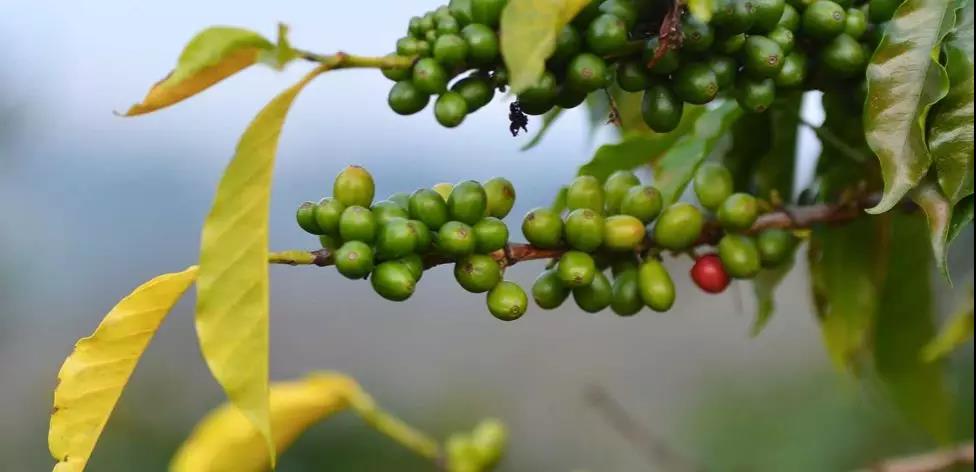
The discovery and cultivation history of Venecia is actually quite short. iCAFE began researching and selecting it in the Turrialba, Coto Brus, and Perez Zeledon regions of Costa Rica in 1991. After years of comparison, Venecia from Perez Zeledon proved to have richer flavors, better yield, and superior disease and pest resistance. Cupping the beans, FrontStreet Coffee found that compared with Caturra and Catuai from the same region of Costa Rica, Venecia shows more complex flavors, an aromatic fragrance, high acidity, and a rich body.
Diamond Series
The idea behind the Diamond Series comes from the highest grade of wine. This team mainly gathers high-quality micro-batches (micro-regional selections) from Costa Rican farmers, then runs cupping sessions for each micro-batch and picks the most outstanding lots as the premium tier among coffee micro-batches.
Black Honey Processing
Honey Negro/Black Honey
The Costa Rica Diamond Series that FrontStreet Coffee acquired uses the black honey method. After sorting, the cherries go into a pulping machine that removes the skin while preserving the complete mucilage layer. Black honey differs from other honey methods in that it keeps all of the mucilage, with the goal of letting the sugars in the mucilage transfer fully into the beans — which calls for a longer drying time.

Because the drying runs long, the beans cannot be dried in direct sunlight. They have to sit in a cool, ventilated place and dry slowly, a process that typically takes about 18 to 25 days. Throughout, constant monitoring is required to avoid over-fermentation and mold, and this method carries a higher risk of the raw beans losing freshness. Finally, when moisture content drops to around 11%, the coffee is bagged and stored in the warehouse until the parchment is removed just before export. FrontStreet Coffee's view is that, generally, the more mucilage preserved, the richer the final flavor and the higher the sweetness.
FrontStreet Coffee Roasting Record
Roaster: Yangjia 800N semi-direct fire, roasting amount 480g. Preheat the roaster to 180°C, add the beans, adjust heat to 130, open the damper to 3, hit the return-to-temperature point at 1'36", and hold heat; at 118°C keep heat unchanged and open the damper to 3.5; at 145°C reduce heat to 110 with the damper unchanged. At 5'45" the beans turn yellow, the grassy smell disappears, and the dehydration stage begins. At 173°C reduce heat to 80 and open the damper to 4.
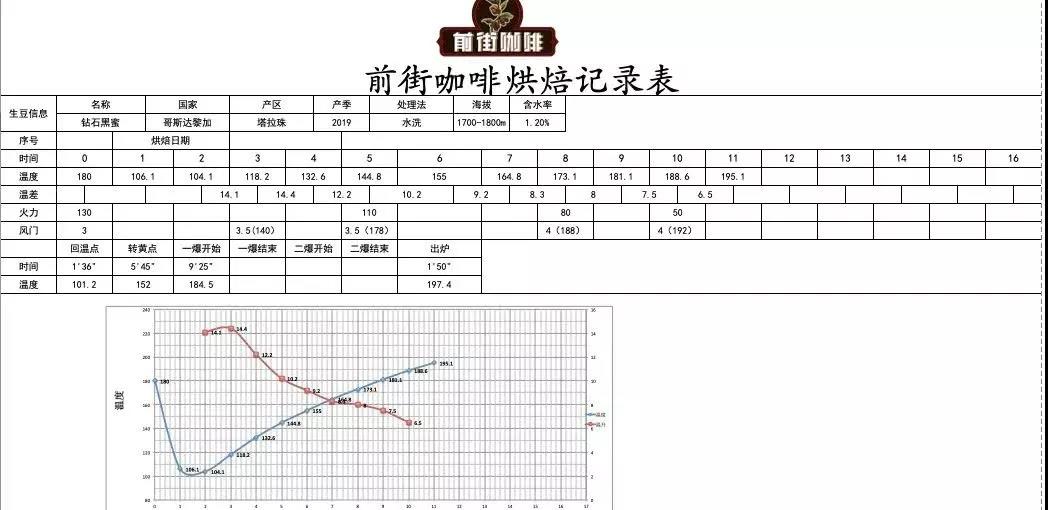
At 8'35" dehydration is complete, wrinkles and black markings appear on the bean surface, and the toasted-bread smell turns to coffee aroma, preluding first crack. Listen closely for the sound of first crack. At 9'25" first crack begins, open the damper fully to 5 and reduce heat to 50. Development time after first crack: 1'50", dropping the beans at 197.4°C.
FrontStreet Coffee Cupping Report
Dry Aroma: Fermented aroma
Wet Aroma: Nuts, fermented aroma
Flavor: Nuts, fermented wine aroma, cream, caramel, citrus

FrontStreet Coffee Brewing Tips
Dripper: Hario 01
Coffee Dose: 15g
Coffee-to-Water Ratio: 1:15
Water Temperature: 91°C
Grind Size: Medium-fine grind (78% pass-through rate on Chinese standard #20 sieve)

FrontStreet Coffee's segmented extraction: first, use 30g of water to saturate the coffee bed fully into a "hamburger" shape and bloom for 30s, then move to the second stage. In the second stage, at 57s on the timer, pour to 125g, then wait until the water level drops to 2/3 of the coffee bed before starting the third stage. In the third stage, at 1'45" on the timer, pour to 225g, for a total extraction time of 2'01".
Brewing Flavor:
At high temperature there is citrus acidity and fermented wine aroma. As the cup cools, cream aroma emerges. The aftertaste carries caramel sweetness. The mouthfeel is relatively clean and balanced.
FrontStreet Coffee Recommendation
Costa Rica's honey process is a natural fit for espresso, and if this black honey profile appeals to you, FrontStreet Coffee's Costa Rica Blackberry SOE is the easy next step. It is a honey-processed Costa Rican single origin: ripe cherries are sent to the estate right after picking for sorting and washing, the skin is removed, and then they go to drying — which shortens the drying time and lets the beans absorb the fruit and mucilage, giving that blackberry-like aroma and clean sweetness. Medium roasted, it makes a bright, refreshing Americano, and with milk it turns into cranberry cookie, raisin, and nut notes in a latte.
If you prefer a blend for a traditional espresso base, FrontStreet Coffee's Classic Blend and Commercial Blend both build a small amount of Robusta into an old-school Italian recipe, so extraction brings butter, nut, spice, dark chocolate, and toast aromas with a wild, full body and plenty of golden crema that makes latte art easy. For a nuttier, creamier cup, the Specialty Blend and Dark Cocoa Blend lean on a large share of Brazilian coffee for a comfortable bittersweetness and creamy peanut aroma; the Specialty Blend adds Colombia's nut, chocolate, and caramel notes with a moderate acidity, while the Dark Cocoa Blend brings in the ripe-plum acidity of Yunnan beans and a creamy chocolate aroma when ground — balanced, versatile, and just as good for a latte or Americano as for specialty drinks.
Important Notice :
FrontStreet Coffee is a long-established specialty coffee roaster in Guangzhou China, selling freshly roasted beans from its own farm in Yunnan as well as dozens of carefully selected single-origin beans from around the world for both pour-over and espresso. The products deliver consistently excellent quality and great value, with shipping within 24 hours. Guangzhou's FrontStreet Coffee shop is recommended by many coffee lovers, and the beans are now available online at the Tmall 。
FrontStreet Coffee has moved to a new address:
FrontStreet Coffee Address: 315,Donghua East Road,GuangZhou
Tel:020 38364473
 Scan and follow the En Gafei WeChat official account. Please indicate that the reprint comes from "En Gafei".