Musician Series Bach Coffee Beans Brewing Characteristics Sharing Costa Rica Raisin Honey Process Coffee Beans Flavor Introduction
The story goes that Bach was still an unknown musician at the time, yet his brilliance was impossible to ignore. Moments before a performance, disaster struck: his violin strings snapped one after another, leaving him with nothing but the G string. With no time to delay, he improvised on the spot, giving the world the piece we now know as "Air on the G String." For more than a hundred years, this melody has enchanted violinists and music lovers alike, its pure, graceful line carried by the uniquely deep and resonant voice of the G string.
Meeting Bach in a Coffee Cup
When FrontStreet Coffee introduced its Costa Rican Musician Series, one of the beans being cupped and brewed was named "Bach." Its bold, dense, and unapologetically direct flavor profile grabbed everyone's attention right away. From dry fragrance to wet aroma, from the first sip to the lingering finish, a mellow fermented note of ripe grapes ran consistently through the entire experience, lending the coffee a remarkably steady, composed character. Rising rose-like florals and sensations of berry juice added a further layer of refinement. Like the "Air on the G String" itself, the melody is stately and prolonged, with a distant, lyrical quality.
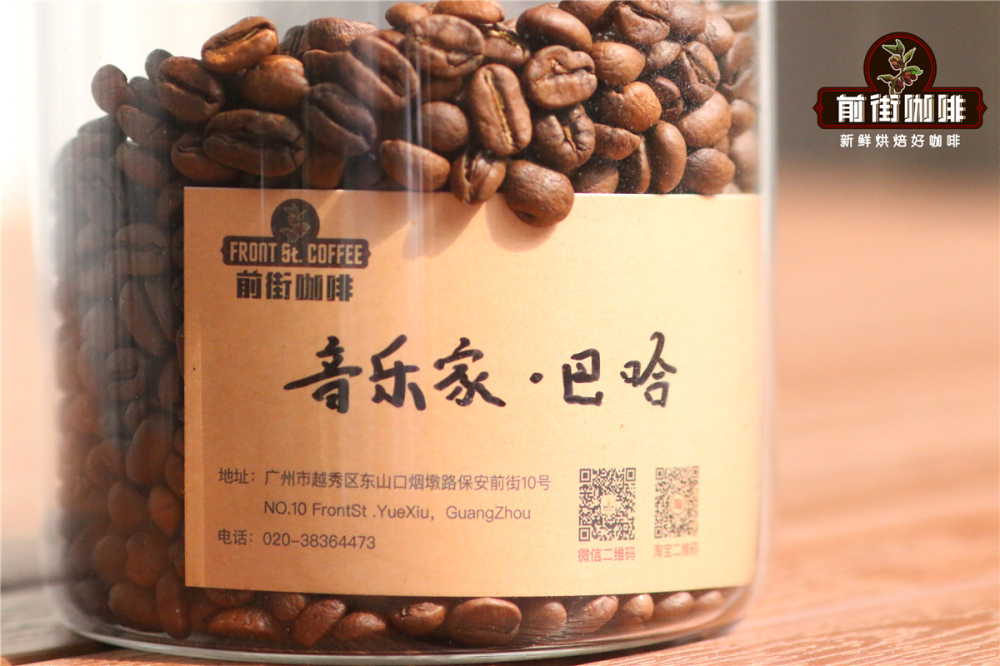
FrontStreet Coffee: Costa Rica Musician Series Bach Coffee Beans
- Origin: Costa Rica, Tarrazú
- Estate: Finca Canet
- Processing Method: Raisin Honey
- Variety: Yellow Catuai
- Altitude: 1900m
Canet Musician Series - Bach
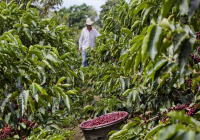
Finca Canet, home of the Musician Series Bach, is a small 5-hectare farm in the town of San Marcos in the Tarrazú region, run by the three Robles brothers: Leo, Elian, and Melvin. The area is also the most intensively cultivated fruit-growing zone in Costa Rica; alongside its coffee trees, the estate's main crop is passion fruit. The Costa Rica Bach beans that FrontStreet Coffee sourced come from the highest coffee-growing plot on the farm.

The Soul of the Coffee
If what moves us most about the "Air on the G String" is its pure, poetic, almost sacred melody, then what captivates us most about FrontStreet Coffee's Costa Rica Bach beans is their mellow, solid, wine-like fermented character.
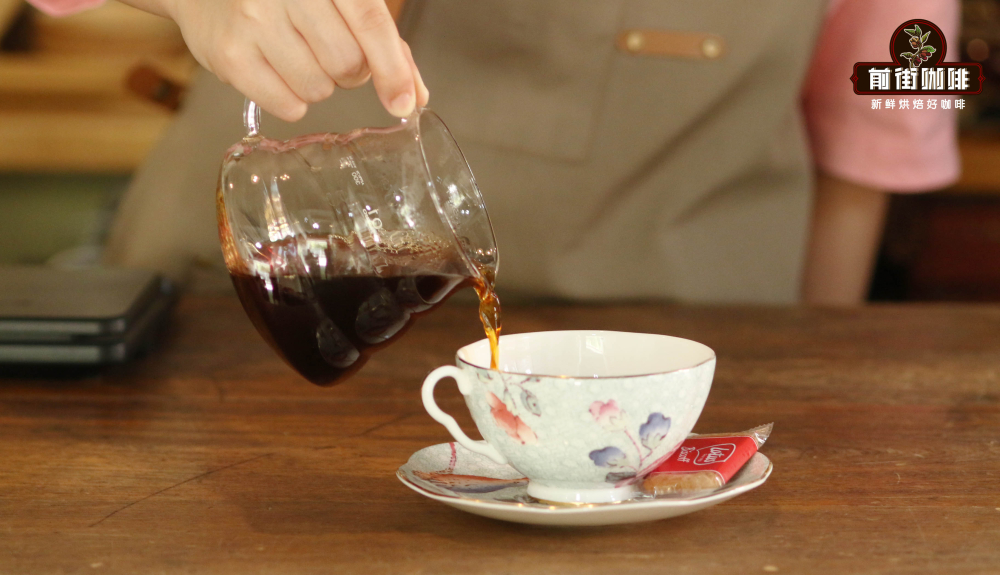
The moment the beans are ground, grape-like acidity and fermentation notes rise first. Once brewed, a red-wine fermentation fragrance fills the whole café. On the palate, winey fermentation sensations take over, followed by the sweet-tart character of red berries and the scent of roses. A caramel finish finally brings this "Air on the G String for the mouth" to a solemn close.
The Coffee Variety
Catuai Amarillo - Yellow Catuai is the offspring of a cross between Mundo Novo and Caturra, first bred in 1949 at Brazil's Instituto Agronômico de Campinas. Like its Red Catuai sibling, Yellow Catuai shows outstanding disease resistance and suits high-altitude, windswept growing areas. Both Catuai varieties are also prized for their delicate, clean acidity.

Raisin Honey Processing
This method keeps 100% of the mucilage intact and uses no water at all, which raises the difficulty of honey processing considerably and demands strict control of timing. On harvest day, the freshly picked coffee cherries are poured into large water tanks. Ripe, dense cherries sink to the bottom, while underdeveloped or overripe ones float to the surface — and those floaters must be removed.
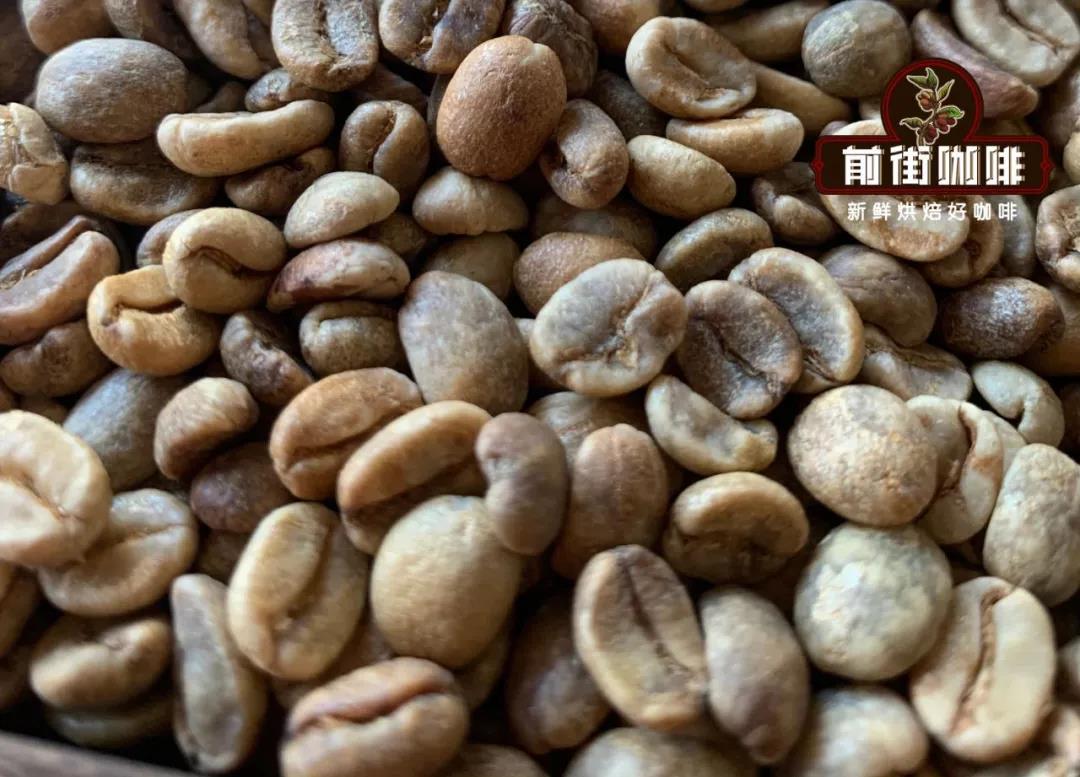
The sorted cherries are then laid out on raised drying beds for at least three days, after which the outer skin is removed and the mucilage is left on for further drying. At this stage, the weather decides whether the honey process succeeds. Throughout drying, the cherries must be turned constantly for even moisture loss, yet the frequency of turning has to be carefully moderated: slow enough to allow controlled fermentation, but not so slow that the fruit over-ferments.
FrontStreet Coffee Roasting Notes
FrontStreet Coffee's roaster is a Yangjia 800N semi-direct-fire drum roaster, run at a 300g batch size. The machine is preheated to 200°C before charging, with the heat set at 160 and the damper opened to 3. The turning point lands at 1'36", after which the heat is held steady. At 140°C, the heat stays at 160 while the damper opens to 4. At 4'50", the beans turn yellow, the grassy notes fade, and the drying stage gives way. At 166°C, the heat is lowered to 135 with the damper kept at 4.

By 8'05", drying is complete: wrinkles and dark markings appear on the bean surface, and toast aromas give way to true coffee aromas — the prelude to first crack. From here, listen closely for its arrival. First crack begins at 8'38", the damper opens fully to 5, and the heat stays unchanged. The development time after first crack is 1'45", with the beans dropped at 193.8°C.
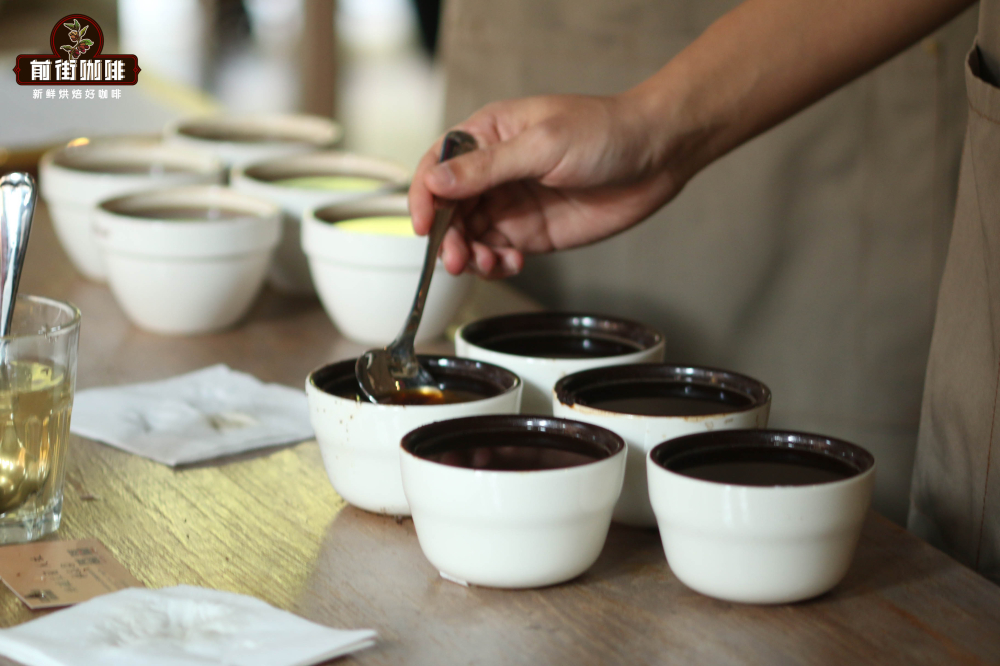
FrontStreet Coffee Cupping Report
- Dry Aroma: Fermented fruit aroma
- Wet Aroma: Roses, fermented sensation
- Flavor: Mature fruit fermentation, berries, rose, caramel
FrontStreet Coffee Brewing Recommendations
- Dripper: Hario 01
- Dose: 15g
- Ratio: 1:15
- Water Temperature: 90°C
- Grind Size: Medium-fine (Chinese standard #20 sieve pass rate 81%)
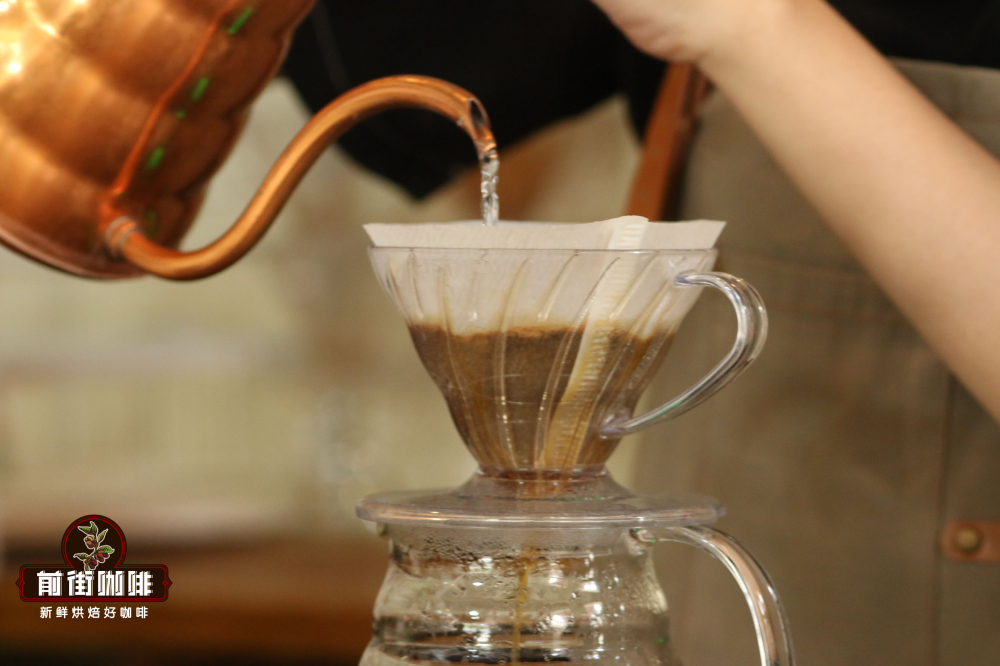
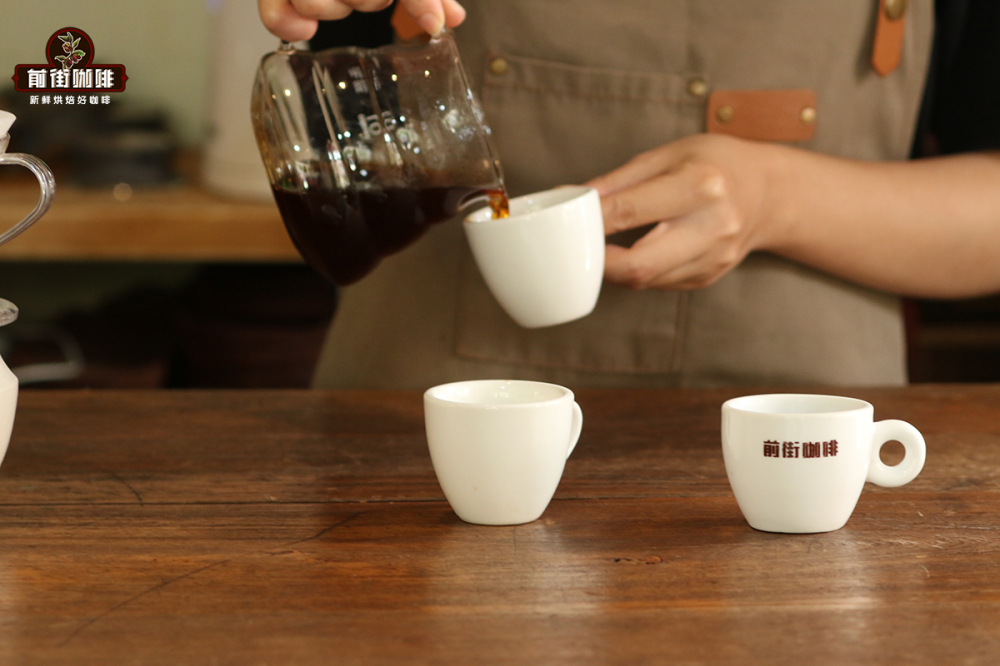
FrontStreet Coffee's Three-Pour Method: Begin by pouring 30g of water to saturate the grounds completely into a "hamburger" shape, then bloom for 30 seconds. Next comes the second stage. Using a steady, medium-fine stream in circular motions, pour continuously until the scale reads 125g at the 55-second mark, then stop and wait for the liquid level to fall to two-thirds of the coffee bed before starting the third stage. For the final pour, keep the circular motion going until you reach 225g, then let the liquid drain completely through the bed. Total brew time comes to 1 minute 50 seconds.
FrontStreet Coffee's Flavor Notes for Costa Rica Bach: While hot, the cup shows grape-like sweet-and-sour notes and winey fermentation sensations. As it cools, red-berry-juice impressions and rose aromas emerge, and the cup finishes on caramel sweetness.
FrontStreet Coffee Recommendation
If you enjoy the winey, fruit-forward character of this raisin honey Bach, FrontStreet Coffee's Costa Rica Mozart is a natural next step. It is produced with the same innovative raisin honey method — the cherries are pre-dried on raised beds for at least three days before the skin is removed, keeping 100% of the mucilage with a zero-water process. However you brew it — pour-over, cold brew, or moka pot — Mozart offers distinctive aromas of osmanthus, pineapple, and raisin.
FrontStreet Coffee's Strawberry Sugar Geisha Blend is another excellent match. It pairs Panama Geisha with Costa Rican coffee processed exactly like this bean: the Geisha contributes its classic orange-blossom, honeyed character, while the raisin honey component brings the fragrance of grapes and dried blueberries, gentle fruit acidity, an almond finish, and a pronounced sweetness.
Important Notice :
FrontStreet Coffee is a long-established specialty coffee roaster in Guangzhou China, selling freshly roasted beans from its own farm in Yunnan as well as dozens of carefully selected single-origin beans from around the world for both pour-over and espresso. The products deliver consistently excellent quality and great value, with shipping within 24 hours. Guangzhou's FrontStreet Coffee shop is recommended by many coffee lovers, and the beans are now available online at the Tmall 。
FrontStreet Coffee has moved to a new address:
FrontStreet Coffee Address: 315,Donghua East Road,GuangZhou
Tel:020 38364473
 Scan and follow the En Gafei WeChat official account. Please indicate that the reprint comes from "En Gafei".