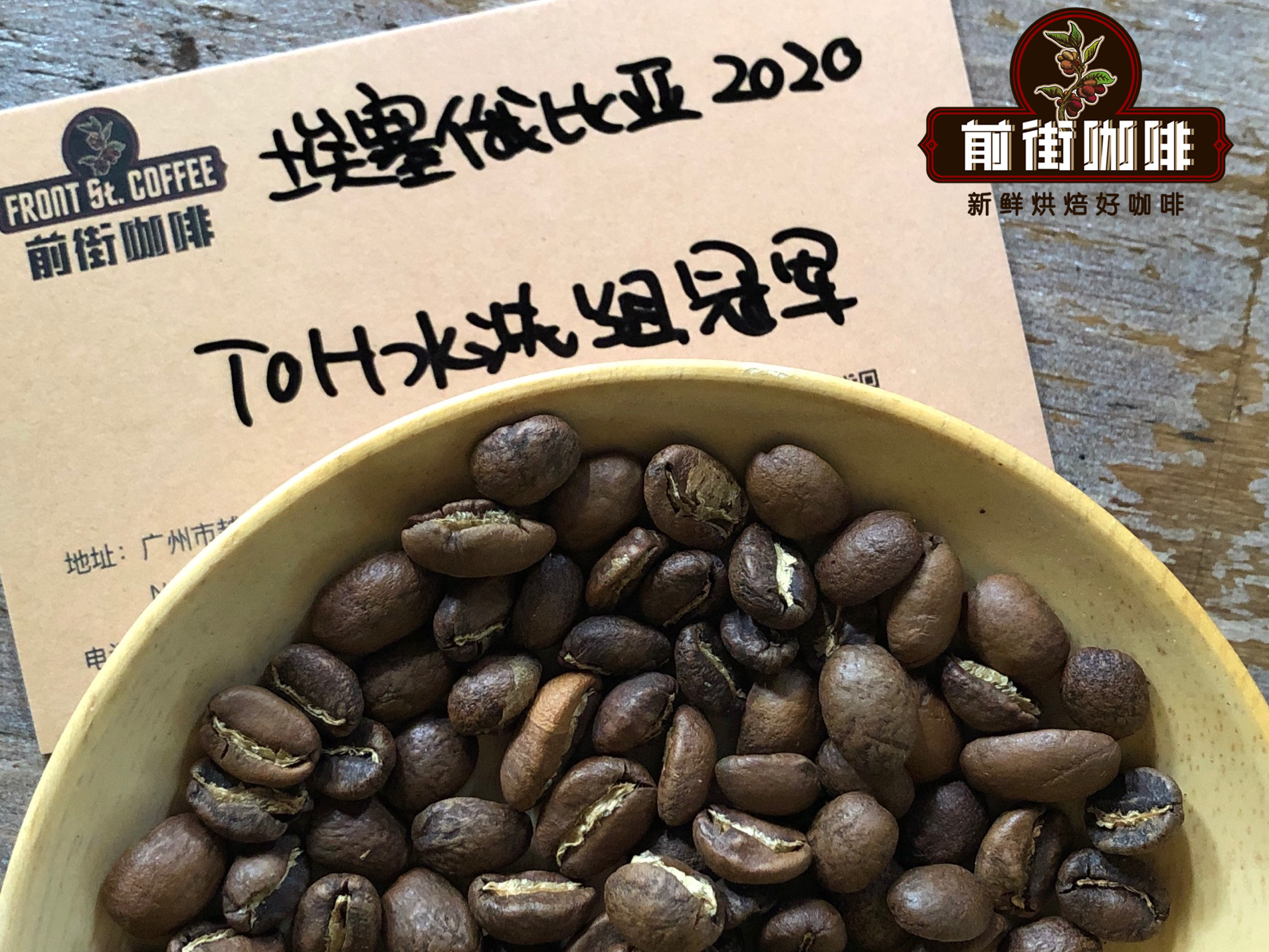
Costa Rica Monster Estate Coffee Beans Anaerobic Natural Coffee Beans Brewing Cinnamon Flavor Characteristics
December—a Christmas season filled with anticipation, warmth, and mixed emotions. There is no better way to spend it than savoring the aroma of cinnamon-spiced coffee while listening to Christmas melodies and reading something heartwarming in the cozy FrontStreet Coffee.
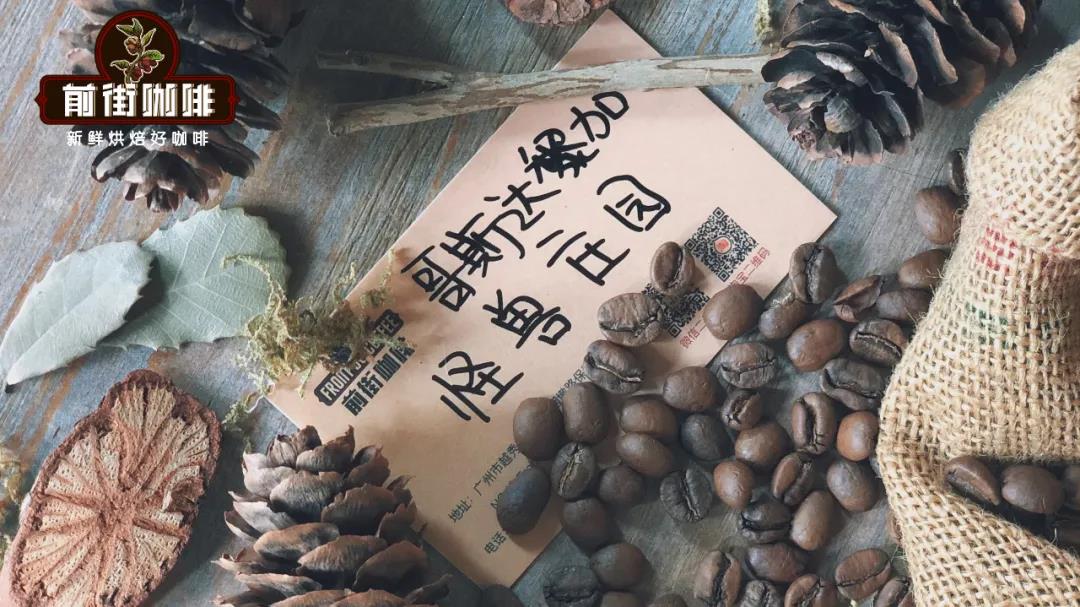
FrontStreet Coffee - Costa Rica Monster Manor · Cinnamon
Region: San Ramón, Western Valley, Costa Rica
Estate: Monster Manor
Processing Method: anaerobic natural
Varieties: Caturra, Catuai
Altitude: 1300m
Western Valley · San Ramón Region
San Ramón is a sub-region within Costa Rica's Western Valley coffee region. The West Valley sits at elevations of 1,000 to 1,200 meters and enjoys a relatively long harvest season of roughly five months, from November to March. The region has distinct wet and dry seasons: as soon as the coffee harvest begins, the dry season arrives.
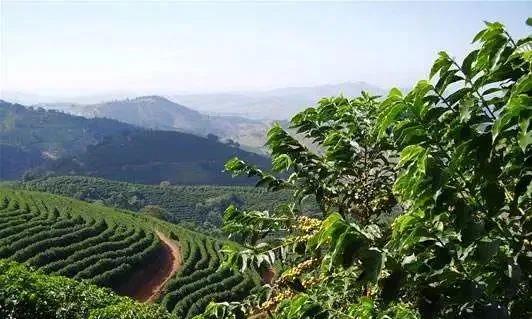
Under the influence of Pacific air currents, the Western Valley often runs cooler than other regions at even higher altitudes. Average annual relative humidity reaches as high as 81%, rainfall is abundant, and the average annual temperature is 21.5°C—conditions that promote vigorous crop growth and favor cultivating high-altitude premium coffee.
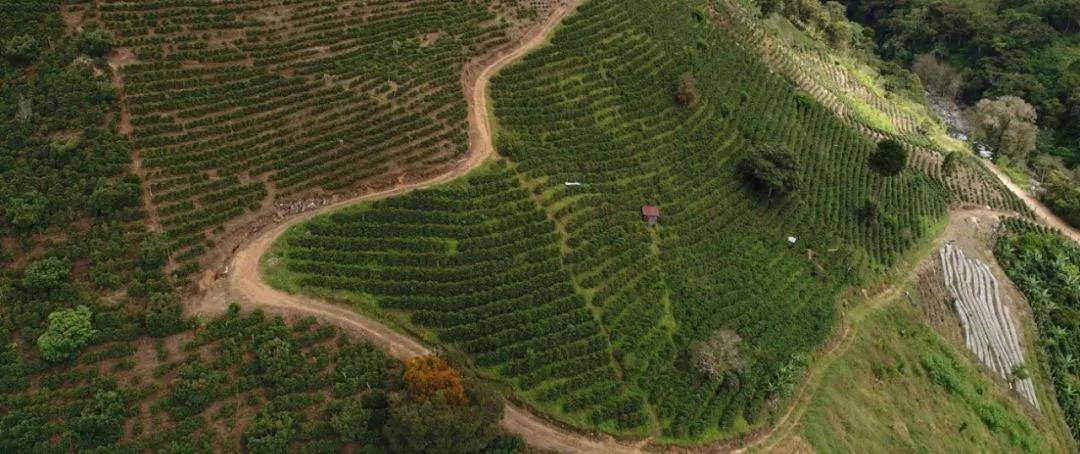
There are nearly 10 farmers' cooperative processing societies in the San Ramón region. 2018 was destined to be an extraordinary year for its smallholders: after 14 years of effort, their coffee finally reached Costa Rica's national stage. In that year's competition, the then-emerging anaerobic natural process helped them leap to fourth place in the Cup of Excellence (COE)—the first time COE judges in Costa Rica evaluated beans processed anaerobic natural. And the glory did not stop there: at the 2020 World Barista Championship (WBC) in Amsterdam, Mr. Mathieu of Switzerland chose this magical cinnamon-flavored coffee sourced by FrontStreet Coffee, helping him secure third place.
Monster Manor
La Minilla
La Minilla Monster Manor is located in San Ramón, and the estate has over a hundred years of history. The owner's family originally lived in Heredia in Costa Rica's Central Valley; after the eruption of the Poás volcano, the entire family migrated to San Ramón in the Western Valley to start anew. The estate sits at elevations between 1100m and 1350m in the San Ramón area, ringed by mountains with fertile land—very suitable for coffee.
Coffee Varieties
Caturra & Catuai
The beans FrontStreet Coffee sourced use the most common Central American varieties, Caturra and Catuai. Caturra is a natural mutation of Bourbon, discovered in Brazil in 1937. The plant is not as tall as Bourbon but more compact. Thanks to its Bourbon heritage, its disease resistance is relatively weak, though its yield is higher than Bourbon's.
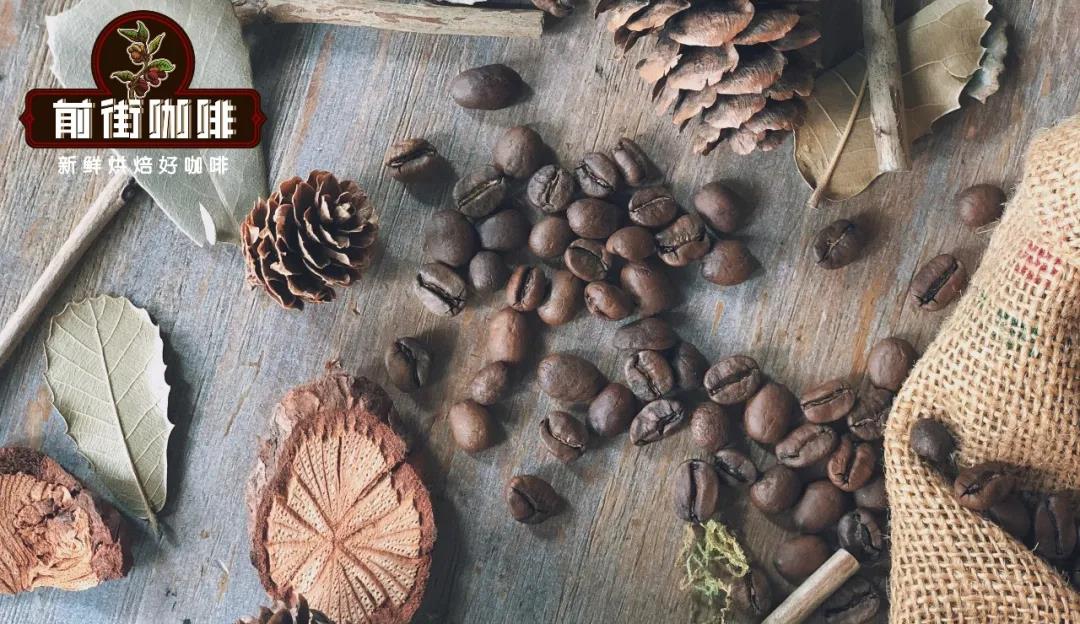
Catuai is a variety artificially hybridized from Caturra and Mundo Novo. It resists natural disasters well, particularly wind and rain. The plant grows relatively low, and compared with other coffee trees, Catuai's fruit clings more firmly and is harder to pick. The cherries come in both red and yellow types.
Anaerobic Natural Processing
Anaerobic Natural
Anaerobic fermentation is a fermentation method carried out in a low-oxygen or oxygen-free environment, typically in pressure-resistant stainless steel tanks where temperature, time, pH value, and other data can be controlled.
Anaerobic natural processing combines two stages: anaerobic fermentation and natural drying. Simply put, the estate owner hand-selects fully ripe cherries, then pulps them and places the coffee in stainless steel barrels where the oxygen is extracted, letting the fruit ferment slowly.
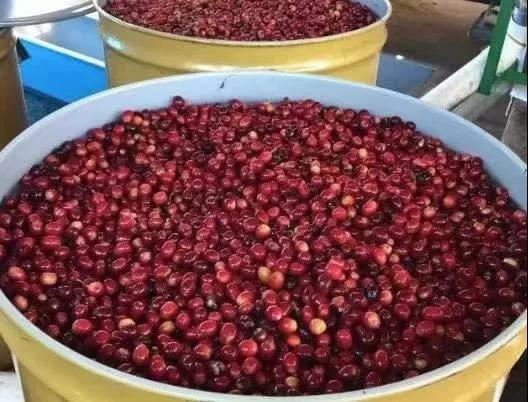
During fermentation, pH value is a key reference indicator, and changes in temperature and pH must be strictly controlled. When the sugars in the pectin and mucilage are just fully consumed, the tank is opened immediately to stop fermentation and the beans are dried promptly in the sun to avoid over-fermentation. FrontStreet Coffee finds that anaerobic natural beans show rich acidity while presenting round, full coffee flavors.
FrontStreet Coffee Roasting Recommendations
FrontStreet's roaster uses a Yangjia 800N (roasting capacity 480g): preheat to 175°C, set heat to 130, and the air damper to 3. Return temperature at 1'36". When the roaster reaches 113°C, open the damper to 4, keeping heat unchanged. At 152.5°C the bean surface turns yellow, the grassy aroma disappears completely, and the dehydration stage begins—reduce the heat to 110.

At 9'00", ugly wrinkles and black spots appear on the bean surface and the toasted-bread aroma clearly transitions into coffee aroma—the prelude to first crack. Listen carefully for the sound of first crack. At 10'12" first crack begins: open the damper to 5, develop for 1'45" after first crack, and drop at 196.5°C.
FrontStreet Coffee Cupping Report
FrontStreet cups samples 8 hours after each roasting batch, using 200ml standard cupping bowls with a grind set to a 70%-75% pass rate through a #20 standard sieve. Coffee amount: 11.1g. Water TDS is 120ppm and water temperature is 94°C. Grind and smell the dry aroma first, then fill the bowls with water. Confirm the wet aroma, break the crust and remove the grounds after 4 minutes, and begin flavor evaluation.
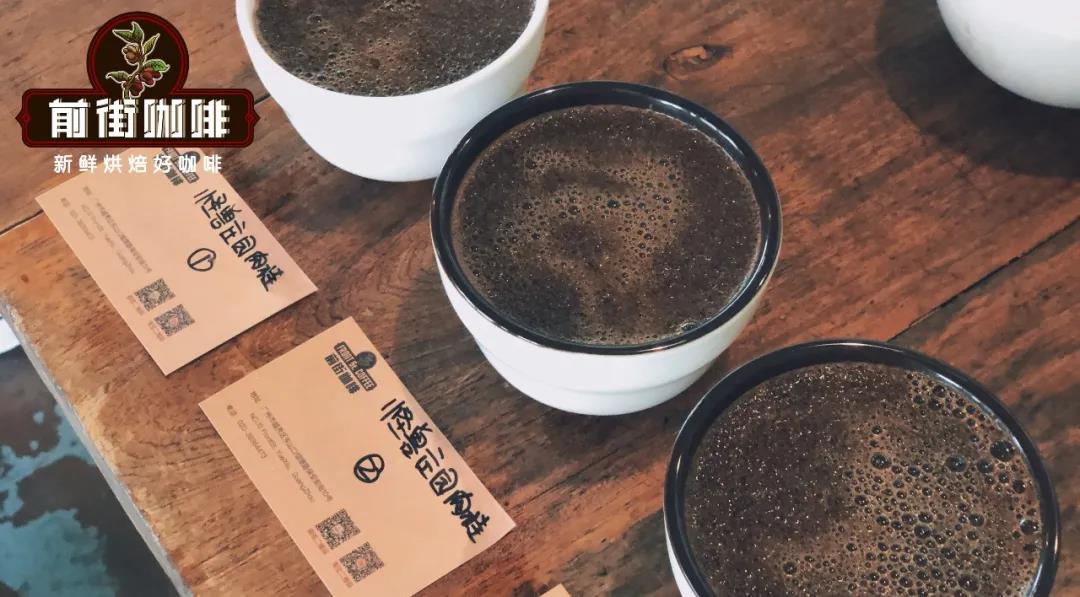
Dry Aroma: cinnamon
Wet Aroma: cinnamon, caramel
Flavor: grape, cherry, gingerbread, cinnamon, caramel, honey
FrontStreet Coffee Brewing Tips
Coffee Amount: 15g
Grind Size: medium-fine (80% pass rate through a #20 standard sieve)
Coffee-to-Water Ratio: 1:15
Water Temperature: 90°C
Dripper: V60 #01
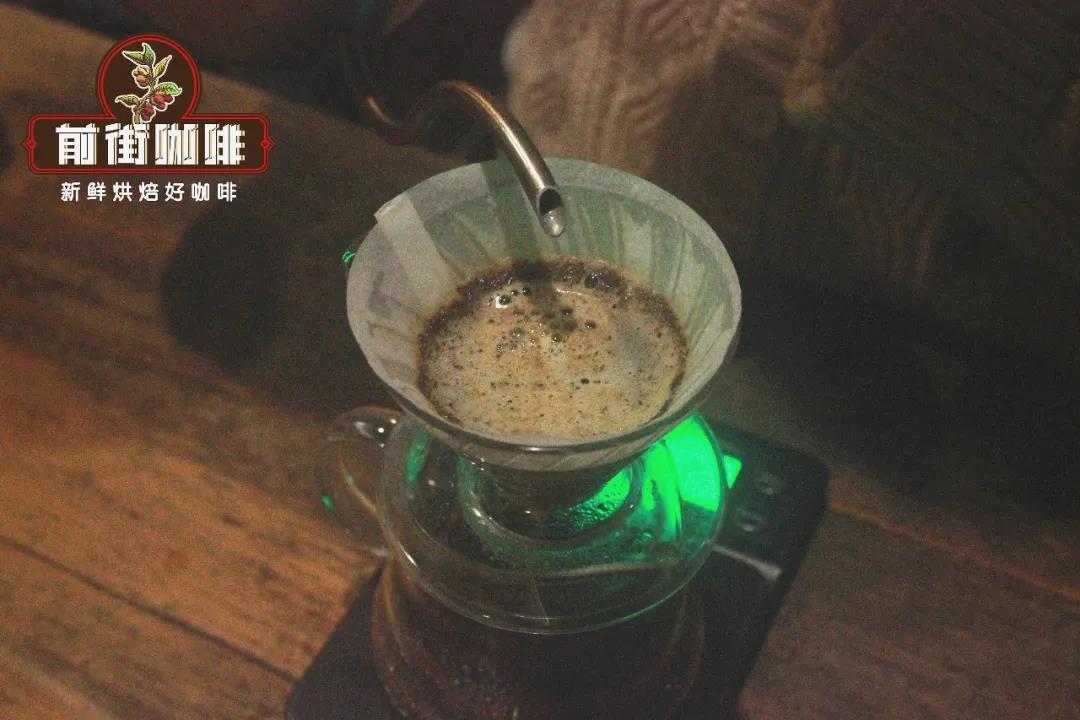
FrontStreet Coffee's segmented brewing method: 1. First pour 30g of water and bloom for 30 seconds. 2. After blooming, make the second pour of 125g in circular motions from the center outward, then wait for the water level to drop to half. 3. When the coffee bed is about to be exposed, make the third pour of 100g water, for a total of 225g. Wait for the coffee to finish filtering, then remove the dripper. Total brewing time for this session is 2 minutes 5 seconds.
Brewing Flavor: the sweet-tart notes of grapes up front, with aromas of cinnamon and gingerbread and the sweetness of caramel; cherry juice in the middle section, and a honey-like aftertaste.
FrontStreet Coffee Recommendation
If this cinnamon-spiced Costa Rican catches your fancy, FrontStreet's honey-process Costa Rican shelf has more to offer. FrontStreet Blackberry uses the black honey method—the most intact mucilage and deepest fermentation of any honey process—for a high-altitude cup of sweet florals, grape, sweet orange, and liqueur chocolate, best shown at a medium-light roast. FrontStreet Mozart takes the raisin honey route: dried fruit, ripe pineapple, and sweet orange, with an enchanting osmanthus fragrance as hot water hits the grounds—superb as a cold brew or iced pour-over. FrontStreet Tarrazu rounds out the trio with the classic SHB hardness and elegant sweetness the region is famous for, delicious however you brew it.
Important Notice :
FrontStreet Coffee is a long-established specialty coffee roaster in Guangzhou China, selling freshly roasted beans from its own farm in Yunnan as well as dozens of carefully selected single-origin beans from around the world for both pour-over and espresso. The products deliver consistently excellent quality and great value, with shipping within 24 hours. Guangzhou's FrontStreet Coffee shop is recommended by many coffee lovers, and the beans are now available online at the Tmall 。
FrontStreet Coffee has moved to a new address:
FrontStreet Coffee Address: 315,Donghua East Road,GuangZhou
Tel:020 38364473
 Scan and follow the En Gafei WeChat official account. Please indicate that the reprint comes from "En Gafei".