Ethiopia Washed Coffee Beans: 2020 TOH Champion Guji Uraga Washed Process Coffee
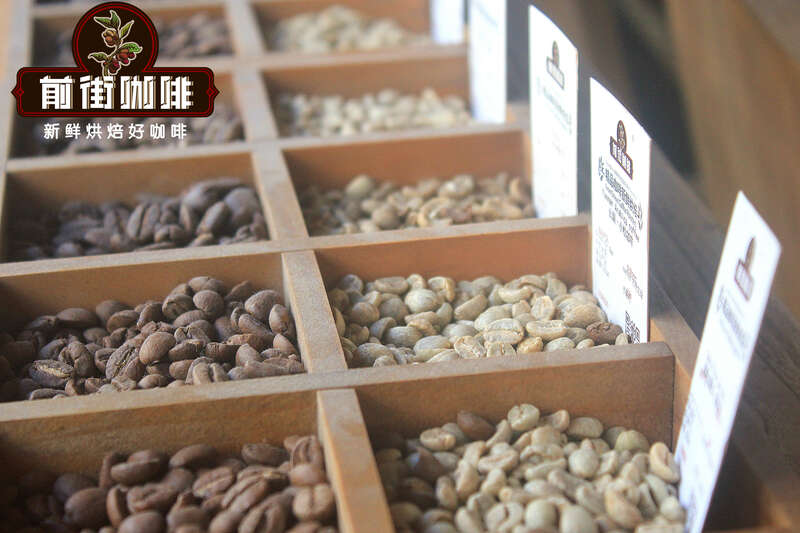
A champion lot at auction tells you something about a region, not just a farm, and the coffee below is a good example. It is a washed Ethiopian bean from Guji Uraga that took the top spot at the 2020 Taste of Harvest, and it arrived in China in early December, where FrontStreet Coffee was among the first to secure a batch for a closer look.
In the 2020 TOH competition, the Sela Gejaba processing station from Ethiopia's Guji Uraga region won the championship with a score of 89.9.
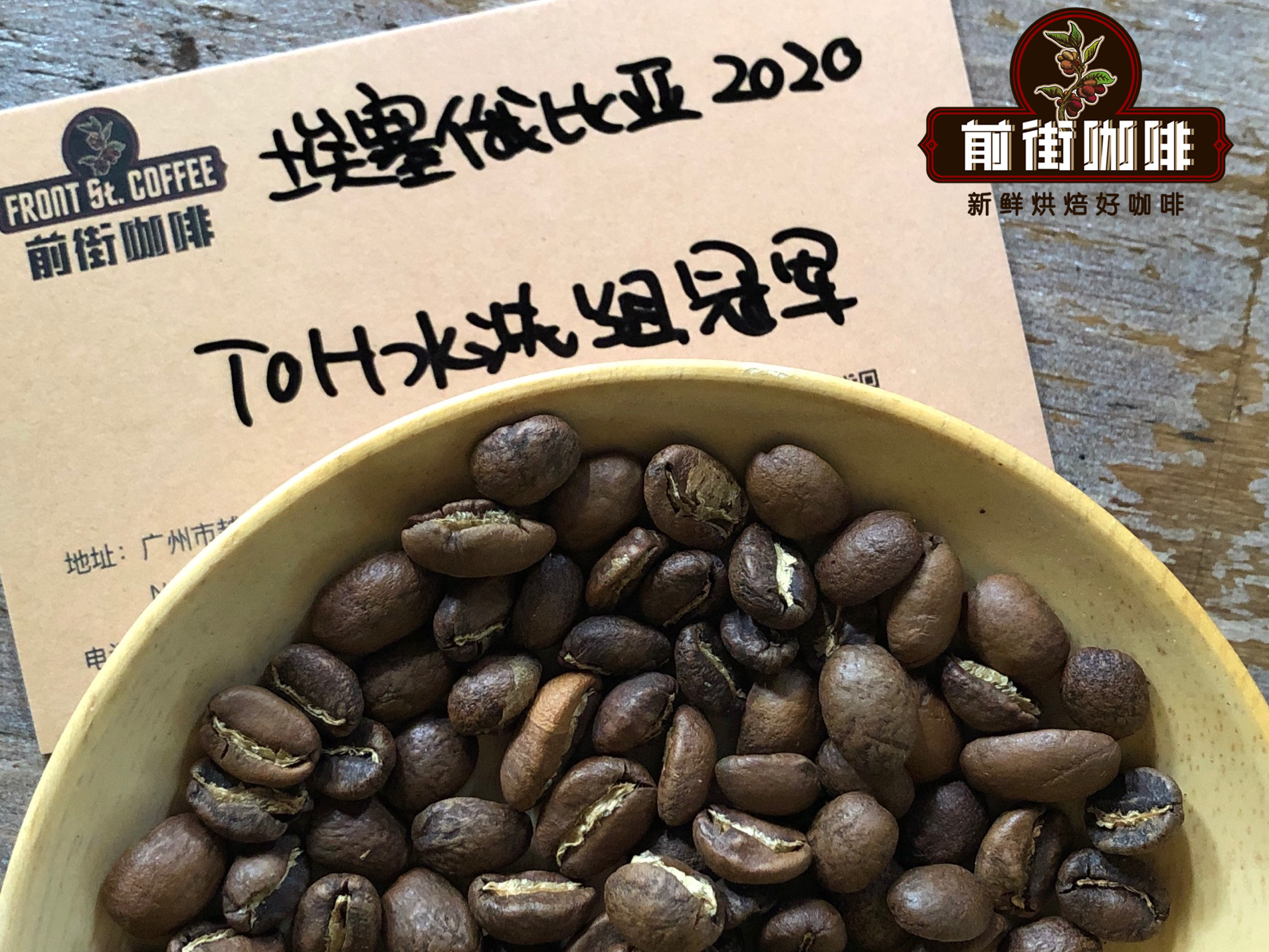
FrontStreet Coffee - Ethiopia 2020 TOH Washed Category Champion Coffee Bean
Region: Ethiopia, Guji Uraga
Processing Station: Sela Gajaba Processing Station
Variety: Ethiopian heirloom varieties
Altitude: 2170m
Processing Method: Washed
Taste of Harvest (TOH) Green Bean Competition
The TOH Green Bean Competition is the most important annual green bean event among African coffee-growing countries. Its full name is the East Africa Taste of Harvest Competition. The event is similar in spirit to the Cup of Excellence (COE) in Central and South America. Since it was established, TOH has become a platform for discovering the finest coffees from 12 African producing countries, including Kenya, Ethiopia, Uganda and Congo.

The TOH process works like this: in the preliminary round, batches scoring below 80 on the cupping table are eliminated. The highest-quality green beans from each region gradually rise into the national-level competition. Domestic and international judges then cup and score them together against the standards of the Specialty Coffee Association of America (SCAA), and the highest-scoring coffee becomes that year's national champion.
Uraga
The beans FrontStreet Coffee acquired come from the Uraga sub-region of Ethiopia's Guji region. Since Guji became independent from Sidamo, it has been among the most closely watched coffee regions of recent years. Guji sits southeast of Yirgacheffe and takes in complex, changeable terrain: towering mountains, valleys and plains. The region's geology consists of fertile black soil (Vertisol) with a depth of nearly two meters, and an average altitude above 1,800 meters. The wide day-night temperature swings created by this geography give the area all the terroir needed to produce high-quality specialty coffee.
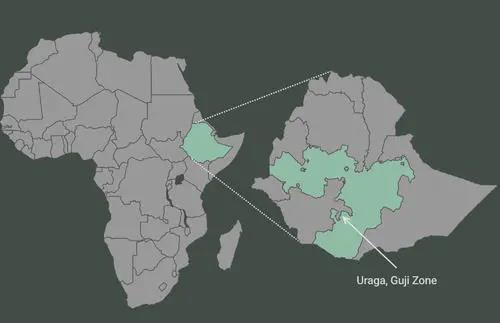
Uraga is a sub-region within Guji, with altitudes reaching up to 2,300m. Although Uraga town lies within Guji, geographically it sits closer to the high-altitude area of Yirgacheffe at 2,200m. Before Guji became well known, coffee processed by Uraga's stations was mostly sold under the Yirgacheffe name. After the Ethiopia Commodity Exchange (ECX) designated Guji as an independent region, the western highlands of Uraga, or villages and cooperatives used directly as production units, were marked on the jute sacks instead. Uraga has also won the TOH championship multiple times in recent years.
Sela Gajaba Processing Station
The Sela Gajaba washed processing station is located 12 kilometers outside Uraga town. Green trees shade the surrounding area, and several mountains away lie some of the best conditions for growing quality coffee. The Boye River flows through the area, irrigating the coffee farms of small and medium-sized growers.
Washed Processing Method
The TOH champion beans FrontStreet Coffee acquired come from the washed category. Winning a championship is no easy task, like a beauty pageant in which only absolute strength earns worldwide recognition. The beans must possess both complexity and strength, and processing has to be strictly and carefully controlled and screened at every stage. Hand-picking fully ripe fresh cherries as raw material is the first step in ensuring quality. Before processing, the beautiful mature red fruit appears especially enticing in the sunlight. After careful selection, the harvested cherries enter the washed stage.
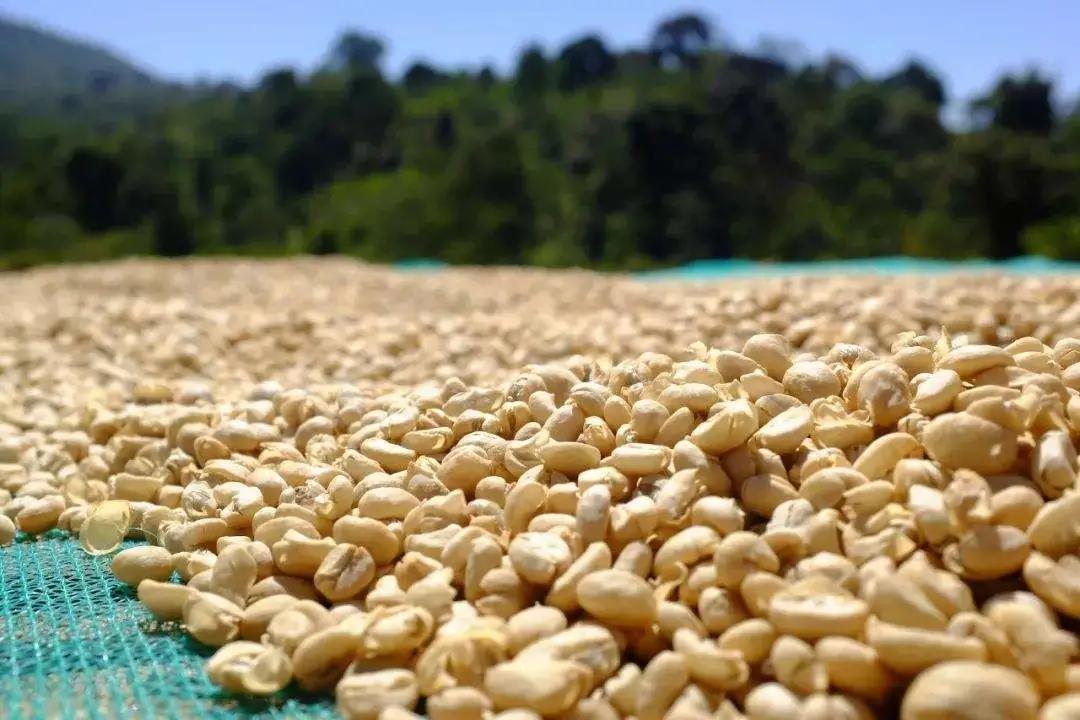
The selected cherries are placed in a depulper to remove the skin and pulp; the beans, still carrying pulp and mucilage, are then left in water to ferment for about 18-36 hours. After fermentation, the parchment-covered beans travel down flowing water channels where the remaining pulp and mucilage are washed away. After washing, the beans are dried in the sun or with dryers to bring moisture content down to about 12%. Finally, the parchment is removed from the green beans. On the cupping table, FrontStreet Coffee found that the washed method highlights the bright acidity of Uraga beans, with an overall profile leaning toward the floral notes and citrus acidity characteristic of the Yirgacheffe region.
FrontStreet Coffee Roasting Record
FrontStreet Coffee's roaster used a Yangjia 800N (300g batch size): preheat the drum to 180°C, heat power at 130, damper opened to 3; turning point at 1'36"; when drum temperature reaches 140°C, open the damper to 4 with heat power unchanged; when drum temperature reaches 151°C, the bean surface turns yellow and the grassy aroma disappears completely, marking entry into the dehydration stage, at which point heat power is reduced to 110.
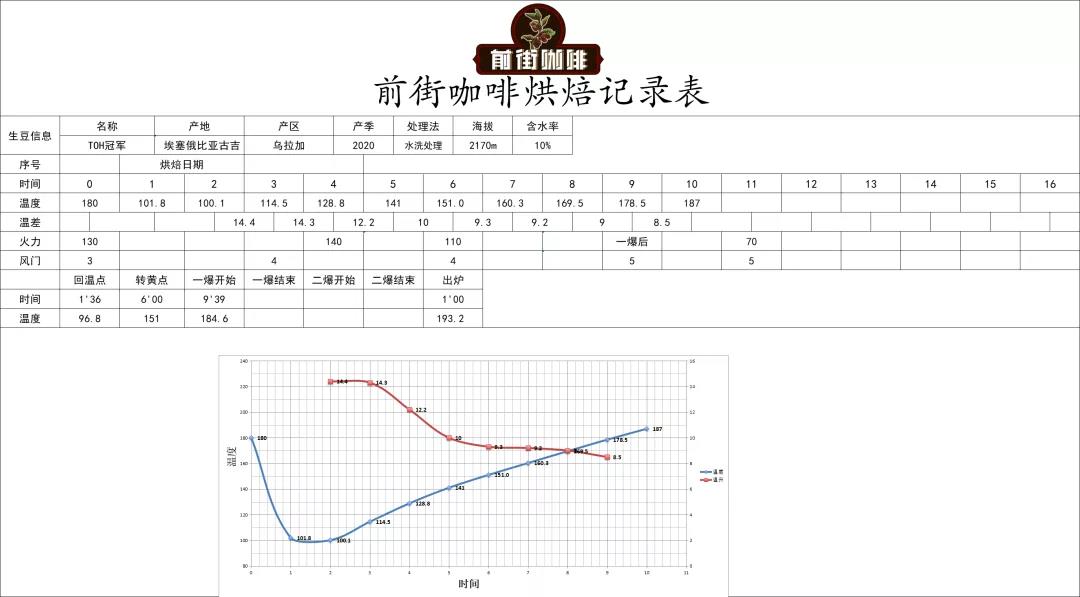
At 8'37", ugly wrinkles and black spots appear on the bean surface, and the toast aroma clearly transforms into coffee aroma, which can be defined as the prelude to first crack. Listen carefully for the sound of first crack. At 9'39", first crack begins; the damper is not opened to 5, and after 1'00" of development following first crack, the batch is unloaded at 193.2°C.
FrontStreet Coffee Cupping Report
FrontStreet Coffee cups within 8-24 hours after roasting. The barista uses 200ml standard cupping bowls, with a grind that passes through a #20 standard sieve at a 70%-75% rate, using 11.1g of coffee and water at 94°C. First grind and smell the dry aroma, then add water to fill the bowl. Confirm the wet aroma, break the crust and remove the grounds after 4 minutes, then proceed with flavor evaluation.
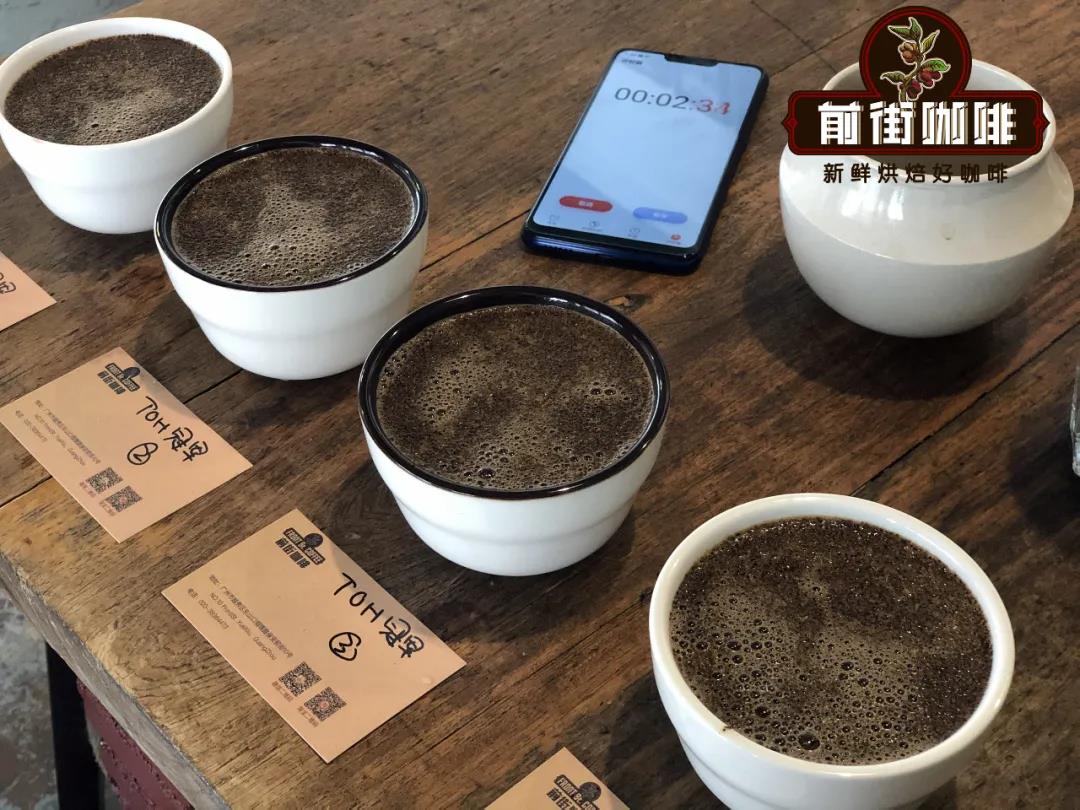
Dry Aroma: Floral
Wet Aroma: Citrus
Flavor: Jasmine, lemon, berries, pomelo, honey, green tea
FrontStreet Coffee Brewing Experience
Dripper: V60#01
Coffee Amount: 15g
Coffee-to-Water Ratio: 1:15
Water Temperature: 91°C
Grind Size: Medium-fine (78% through a #20 sieve)
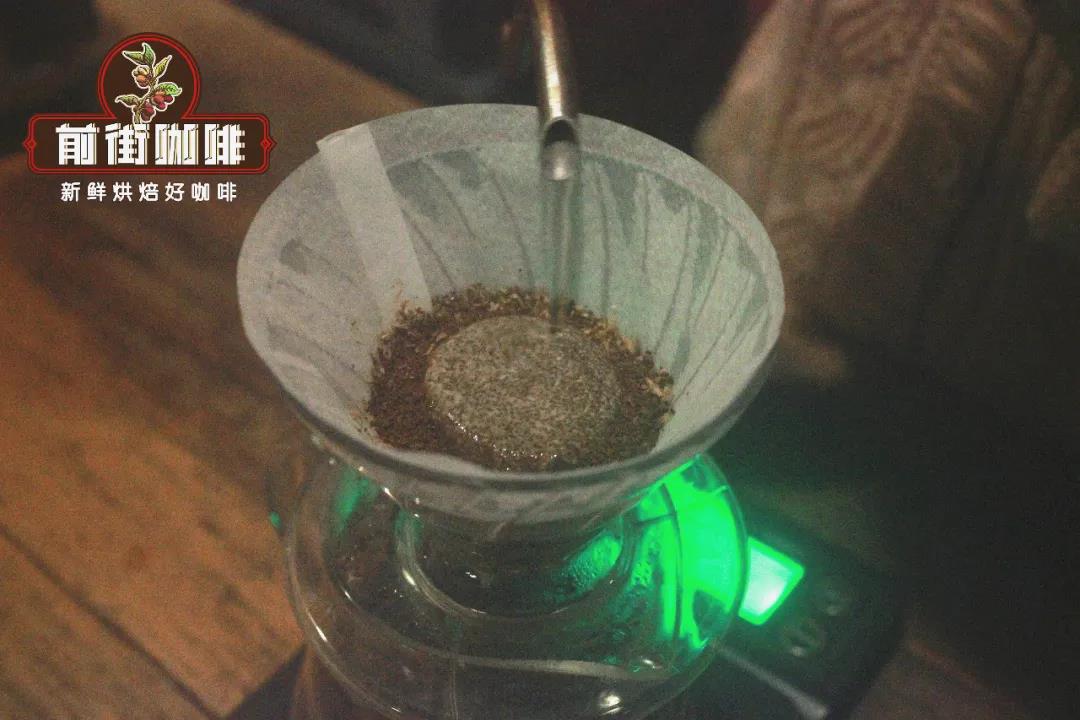
FrontStreet Coffee Brewing Method: First wet the filter paper and preheat the dripper and carafe. Use 30g of water for a 30-second bloom, then pour with small circular motions to 125g for the first pour. When the water level drops and is about to expose the coffee bed, continue pouring to 225g and stop. Wait until the water level again drops to the point of almost exposing the coffee bed, then remove the dripper (timing starts from the beginning of the bloom). Total extraction time is 2'05".
Brewing Flavor: Front notes of citrus acidity and jasmine aroma, middle notes of pomelo tea and a honey aftertaste.
FrontStreet Coffee Recommendation
Uraga's washed profile leans floral and citrus, much like Yirgacheffe next door, and FrontStreet Coffee's Ethiopian range lets you follow that thread in several directions. To stay with a washed cup, the FrontStreet Gedeb cooperative coffee from the Worka area of Yirgacheffe offers citrus and lemon acidity with elegant white florals and no bitterness, while the everyday washed Yirgacheffe keeps the same jasmine-and-lemon character in a lighter, tea-like form.
For natural processing, the FrontStreet Red Cherry is made only from fully ripe fruit, dried on raised beds for two weeks until the moisture content falls to about 12%, then hulled and sorted by density, color and hand inspection. Its notes run to peach, cocoa, honey and lemon. The FrontStreet Huakui, grown in the Hambella area of Guji, dries whole cherries on raised beds for 21 days with constant turning and hand-sorting every three to five days, producing soft fermented-wine notes, floral and citrus aromas, mango, honeyed sweetness, cocoa and a thick body. For something from the Sidamo side, the FrontStreet Hamasho natural comes from a processing station known for the JARC 74-series disease-resistant varieties; the 74158 line has small beans and striking aromatics, opening with perfume-like lemon, strawberry and star fruit before a gentle floral note rises. Finally, the FrontStreet Kaffa Forest coffee is grown wild under shade between 1,400 and 2,100 meters, roasted medium-light for white florals, bright lemon acidity, sweet orange, bergamot and a green-tea finish. Together they map Ethiopia's range, from clean washed cups to dense, fruit-forward naturals.
Important Notice :
FrontStreet Coffee is a long-established specialty coffee roaster in Guangzhou China, selling freshly roasted beans from its own farm in Yunnan as well as dozens of carefully selected single-origin beans from around the world for both pour-over and espresso. The products deliver consistently excellent quality and great value, with shipping within 24 hours. Guangzhou's FrontStreet Coffee shop is recommended by many coffee lovers, and the beans are now available online at the Tmall 。
FrontStreet Coffee has moved to a new address:
FrontStreet Coffee Address: 315,Donghua East Road,GuangZhou
Tel:020 38364473
 Scan and follow the En Gafei WeChat official account. Please indicate that the reprint comes from "En Gafei".