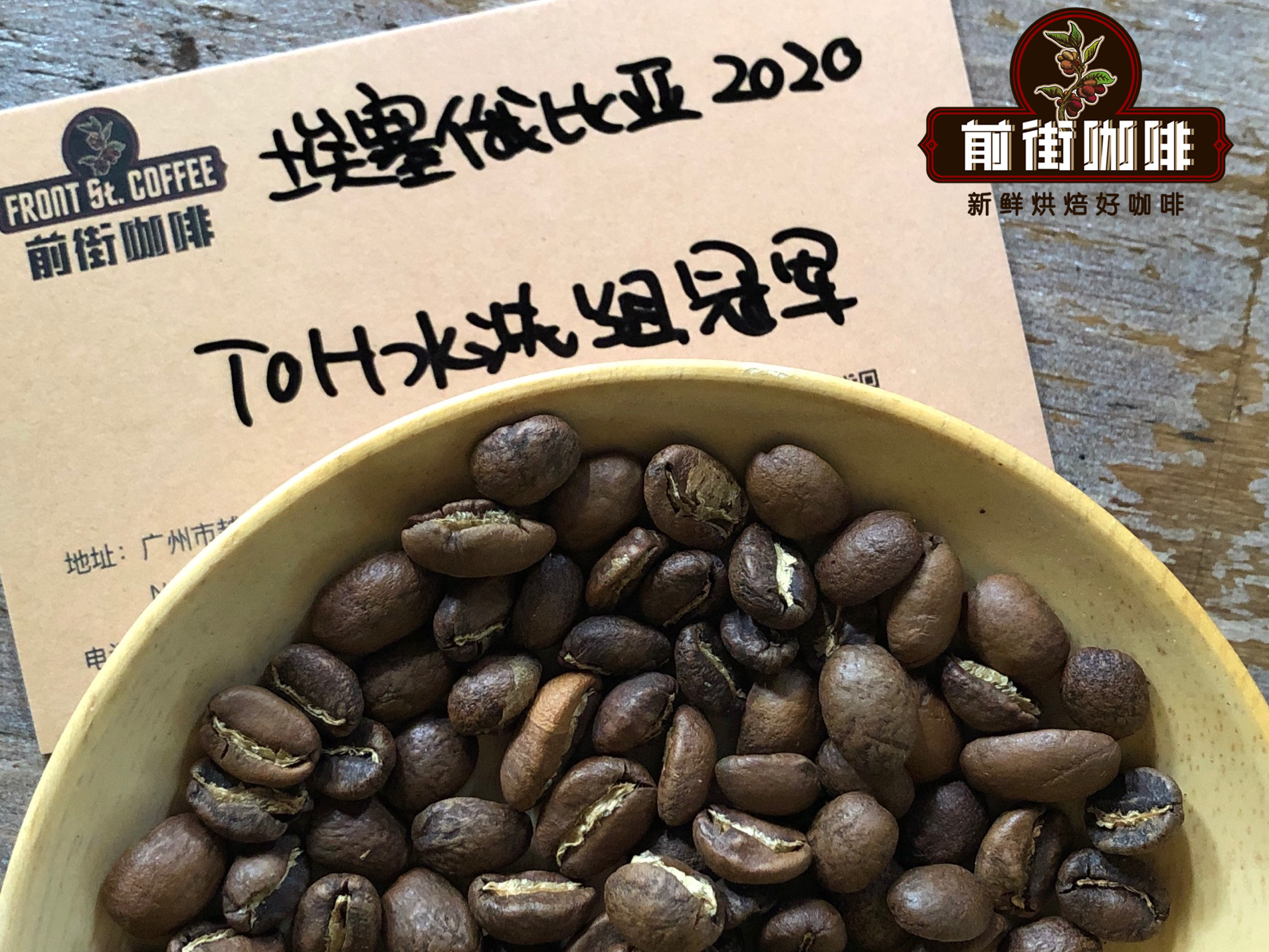
Panama Hartmann Estate Coffee Beans - Is the Red Wine Processing Method Made by Soaking in Red Wine?
Friends often ask FrontStreet Coffee whether the "red wine process" means soaking coffee beans in red wine—and whether the resulting coffee contains alcohol. It does not. The red wine process simply borrows winemaking techniques for fermenting coffee; the beans never touch red wine. Some alcohol does inevitably form while the cherries ferment with their pulp, but it evaporates completely during high-temperature roasting, so there is no need to worry about residue. In this article, FrontStreet Coffee looks at red wine processed beans from Panama's Hartmann Estate.
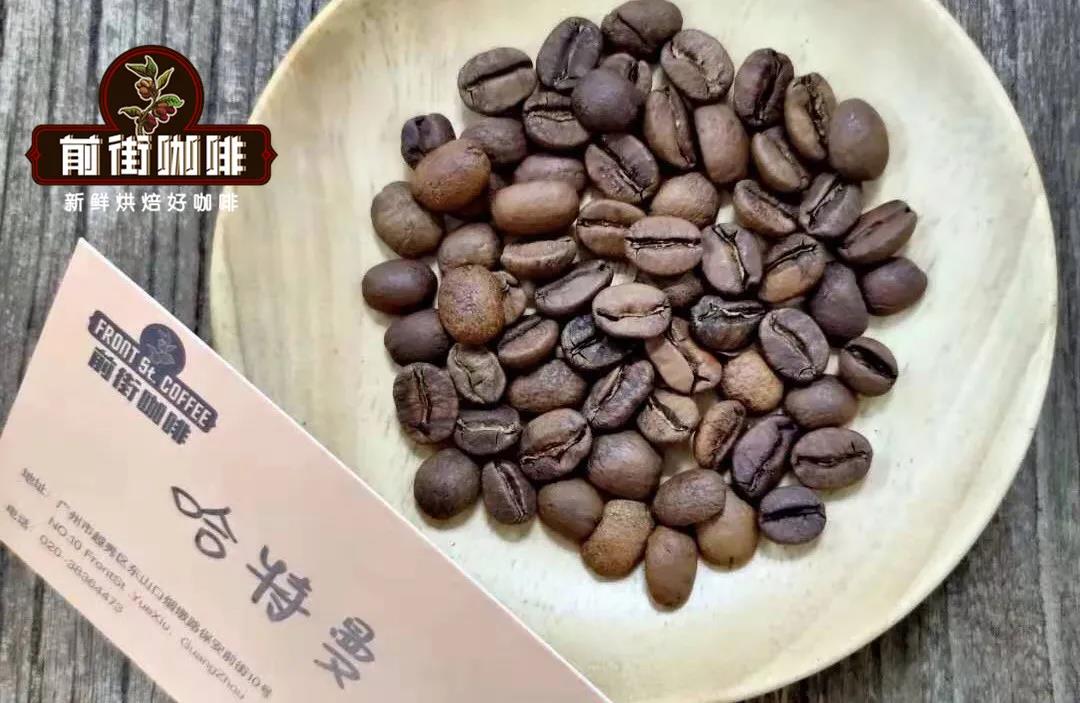
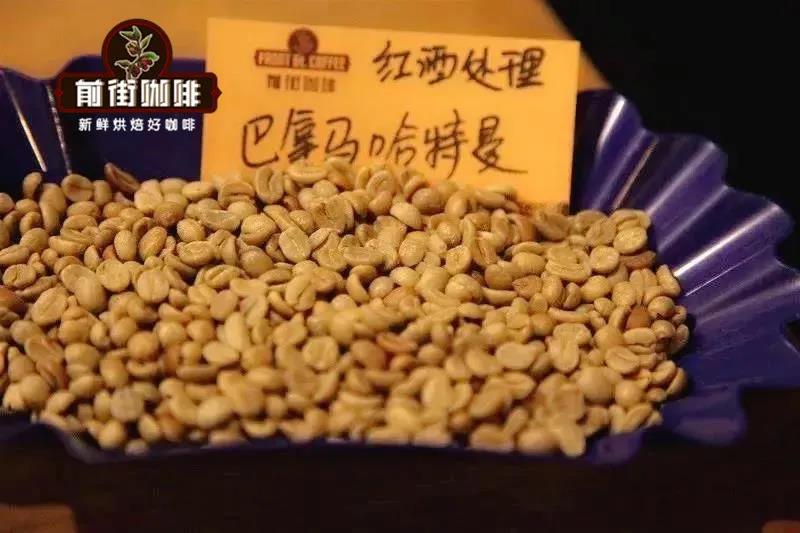
FrontStreet Coffee - Hartmann Estate Red Wine Process Coffee Beans
Region: Volcán, Panama
Estate: Hartmann Estate
Altitude: 1250-1700m
Processing Method: Red Wine Process
Variety: Catuai
Hartmann Estate
Panamanian coffee from the Volcán region has been steadily making its name in the specialty market. The area's dry, cool climate, the fertile soil of Barú Volcano, and its high altitude give plants an excellent growing environment. In the early days most of Volcán was planted with fruit and vegetable crops, and only a few farmers grew coffee—the Hartmann family was the pioneer of coffee cultivation in the region and is now famous throughout Panama.
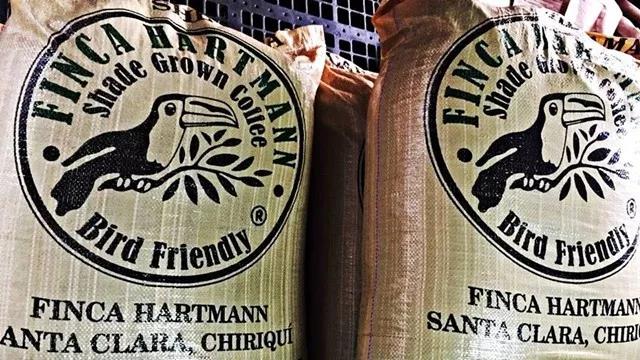
Hartmann Estate is run today by the family's third generation. Mr. Ratibor Hartmann and his four siblings divide the estate's work among themselves, living together on the farm and making their living from coffee. Books on bird-friendly, shade-grown cultivation published about the estate, along with its toucan logo, reflect its environmental commitment. The farming practices follow suit: fertilizer is made from fermented coffee peel and pulp.
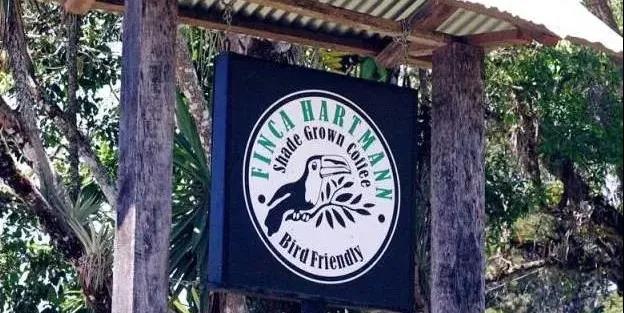
The Hartmanns also manage and process coffee for many other Panamanian estates—Finca La Mula, a perennial Best of Panama winner, and 90+'s Panamanian estates are all handled by the family. Though the estate keeps a low profile and rarely appears at Best of Panama events, its coffee ranks among Panama's finest, and the Hartmann family's contribution to the country's coffee fame is hard to overstate.
The Catuai Variety
Catuai is a hybrid artificially bred by the Instituto Agronômico de Campinas (IAC) in São Paulo State, Brazil, from Mundo Novo and Yellow Caturra, originally designated "H-2077." It inherits Mundo Novo's high yield, strong disease resistance, and excellent cup quality, along with Caturra's compact plant size, high-quality acidity, and suitability for sun-drying.
The Red Wine Processing Method
Fermenting coffee by a method modeled on red wine production markedly enhances sweetness, cleanliness, and a layered yet elegant acidity, significantly lifting both the quality and distinctiveness of the output. The red wine process is also called the controlled fermentation method, or lactic/acetic acid fermentation.
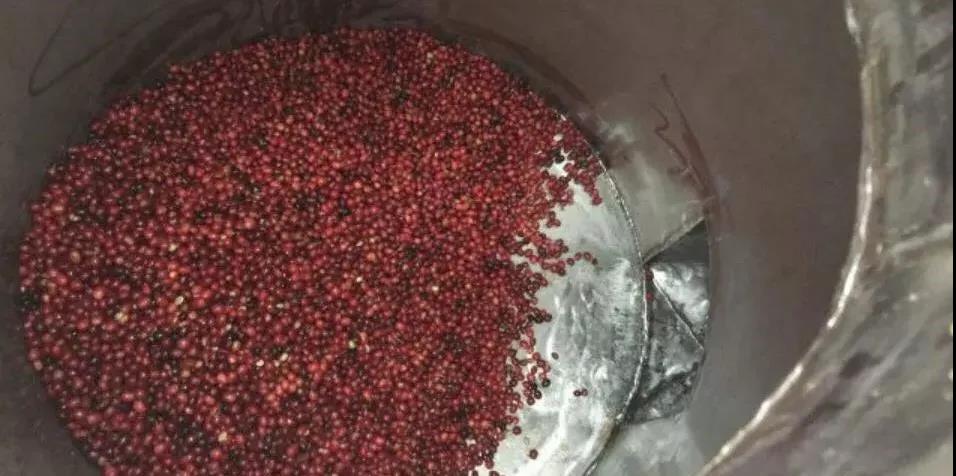
After harvest, the estate carefully selects cherries so that fewer than 2% of the fruit are unripe, fewer than 3% defective, and fewer than 5% floaters. The selected cherries go into sealed containers fitted with something like a wine fermentation lock or one-way exhaust valve.

Carbon dioxide escapes through this device, regulating the air concentration inside. The cherries then undergo acetic acid fermentation, and the resulting beans show bright, clean flavors with lemon acidity. FrontStreet Coffee finds that red wine processed beans carry a winey fermented aroma reminiscent of red wine, with a mellow mouthfeel and clean acidity.
FrontStreet Coffee Roasting Notes
FrontStreet Coffee's roaster uses a Yangjia 800N semi-direct flame roaster with a 600g batch. Beans charge at 200°C with the damper set to 3. After 30 seconds the heat drops to 170°C with the damper unchanged; the temperature returns at 1'39" and holds. At 4'57" the bean surface turns yellow, the grassy aroma disappears entirely, and the beans enter the drying stage—heat reduces to 130°C with the damper opened to 3.5.
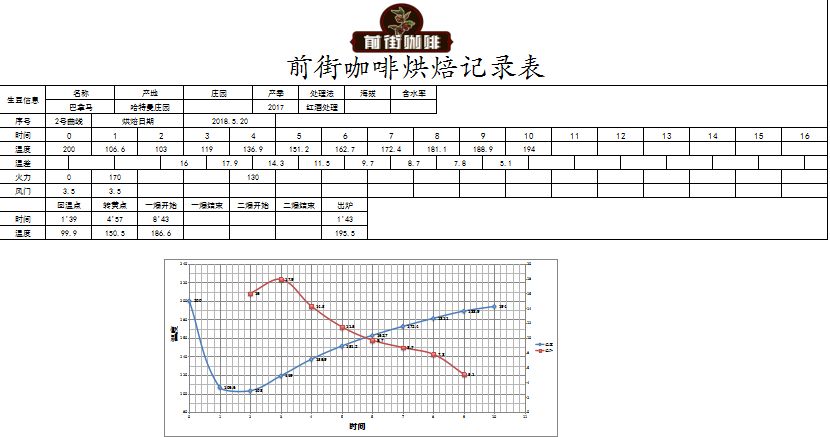
At 8'00" drying is complete and the heat drops to 80°C. By now the bean surface shows ugly wrinkles and black spots, and the toasted-bread aroma clearly shifts into coffee aroma—the prelude to first crack, whose sound you must now listen for carefully. First crack begins at 8'43"; the heat is adjusted down to 60°C and the damper fully opened to 5 (careful—never so low that the cracks fall silent). After first crack, develop for 1'43" and drop the beans at 195.5°C.
FrontStreet Coffee Cupping Report
FrontStreet Coffee cups sample roasts within 8-24 hours of roasting, typically using 200ml ceramic cups. Cupping water is 94°C, with the grind set to a 70-75% pass rate through a standard #20 sieve (0.85mm). The ratio is 11.1g of coffee to 200ml of hot water—1:18.18—which extracts a concentration squarely within the 1.15%-1.35% Golden Cup range, with a 4-minute immersion.
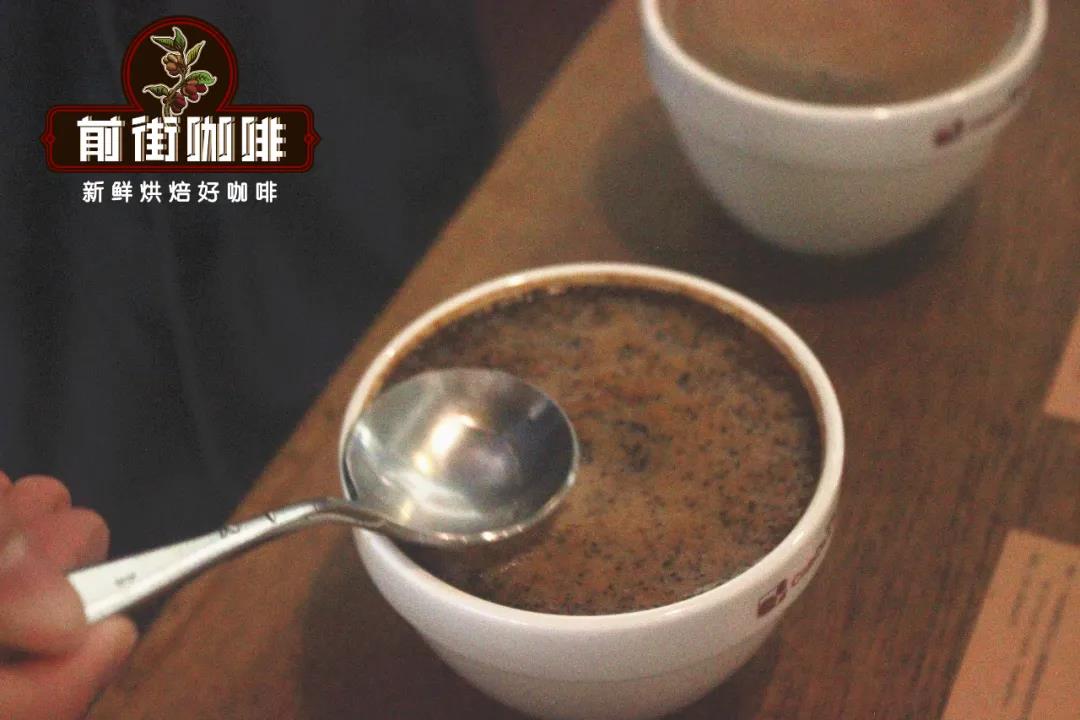
FrontStreet Coffee · Panama Hartmann Estate Red Wine Process Cupping Results
Dry Aroma: Orange, jasmine
Wet Aroma: Red wine, honey
Flavor: Tropical fruits, nuts, red wine, honey, sucrose
FrontStreet Coffee Brewing Notes
Dripper: V60 #01
Water Temperature: 90°C
Coffee-to-Water Ratio: 1:15
Grind Size: Medium-coarse / BG6s (80% pass-through on the China standard #20 sieve)
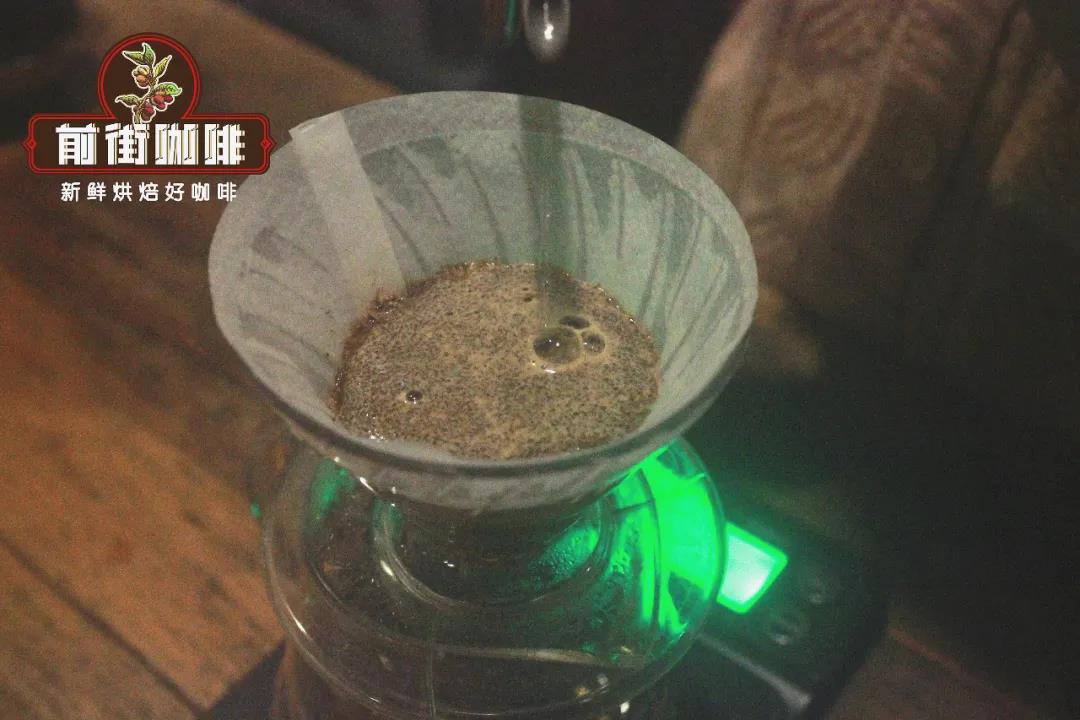
FrontStreet Coffee uses a segmented pour: first, 30g of water for a 30-second bloom; second, 95g (scale reading 125g), finishing at about 1 minute 05 seconds; third, 100g (scale reading 225g), finishing at about 1 minute 40 seconds. Total extraction time is 2 minutes 05 seconds, then remove the dripper.
[FrontStreet Coffee Panama Hartmann Estate Red Wine Process]
Brewing Flavor: Smooth entry with lively, bright acidity; soft, rich layers; a red wine aftertaste; clear honey and sucrose notes; and, once fully cooled, brown sugar.
FrontStreet Coffee Recommendation
For more of what Panama does best, FrontStreet Coffee recommends starting with its washed Boquete Geisha—an estate-level, entry-point Geisha grown at 1600 meters amid mountain mists and volcanic soil, showing jasmine florals, green tea, honey, citrus, and orange. Those who enjoy Geisha character at a gentler price should try the Panama Mariposa ("Flower Butterfly"), which carries half Geisha heritage across Geisha, Caturra, and Catuai, planted on the Baru Volcano in Boquete—outstanding body, citrus acidity, and jasmine aroma, and just as good cold-brewed as poured over. At the top of the range sits the Esmeralda Red Label Geisha, harvested from single plots above 1700 meters with a required cupping score of 91 and its signature refined orange-blossom honey sweetness; and beyond Geisha, the Esmeralda Diamond Mountain lot—Caturra and Catuai from the Jaramillo and Canas Verdes farms, shaded by old-growth forest—offers abundant fruit aromatics and sweetness as one of the estate's most popular labels.
Important Notice :
FrontStreet Coffee is a long-established specialty coffee roaster in Guangzhou China, selling freshly roasted beans from its own farm in Yunnan as well as dozens of carefully selected single-origin beans from around the world for both pour-over and espresso. The products deliver consistently excellent quality and great value, with shipping within 24 hours. Guangzhou's FrontStreet Coffee shop is recommended by many coffee lovers, and the beans are now available online at the Tmall 。
FrontStreet Coffee has moved to a new address:
FrontStreet Coffee Address: 315,Donghua East Road,GuangZhou
Tel:020 38364473
 Scan and follow the En Gafei WeChat official account. Please indicate that the reprint comes from "En Gafei".