Panama Hartmann Estate Coffee Beans: Are Wine-Processed Coffee Beans Soaked in Wine?
Recently some friends asked FrontStreet Coffee: does the red wine processing method mean soaking coffee beans in red wine? Does this coffee contain alcohol? The answer is no. Beans processed by the red wine method are simply fermented using winemaking techniques rather than soaked in red wine. While alcohol is naturally produced when coffee beans are fermented with their fruit pulp still on, all of it evaporates completely during high-temperature roasting. There is therefore no need to worry about alcohol residue in the beans. In this article, FrontStreet Coffee looks at Panama Hartmann Estate's red wine processed coffee beans.
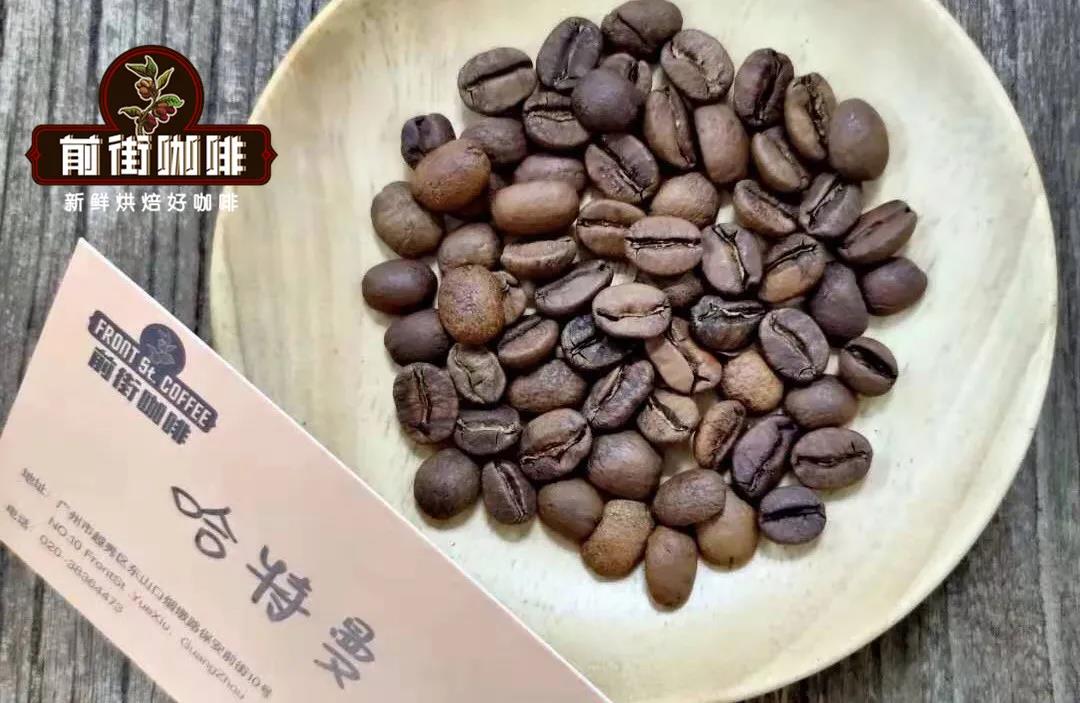
FrontStreet Coffee - Hartmann Estate Red Wine Processed Coffee Beans
Region: Panama, Volcán
Estate: Hartmann Estate
Altitude: 1,250-1,700 m
Processing Method: Red Wine Processing
Variety: Catuai
Hartmann Estate
Finca Hartmann
Coffee from Panama's Volcán region has steadily gained prominence in the specialty market in recent years. Volcán's dry, cool climate, its fertile Barú volcanic soil and its altitude above 1,700 m provide an excellent growing environment for plants. In the early days most of the Volcán region was planted with fruit, vegetables and other cash crops, and very few farmers grew coffee. Among the pioneers of coffee growing in Volcán was the well-known Hartmann family of Panama.
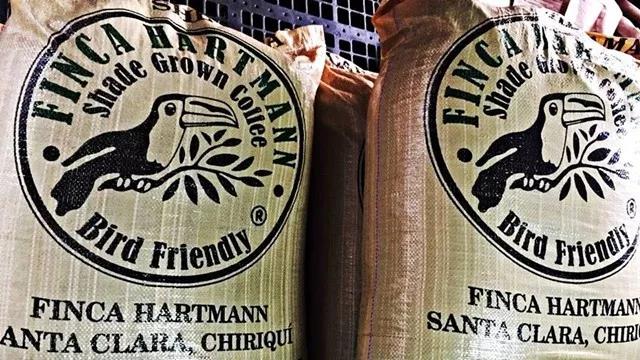
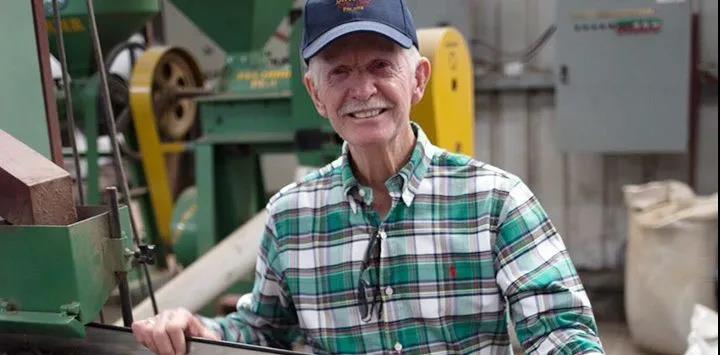
Hartmann Estate is now run by the family's third generation. Mr. Ratibor Hartmann and his four siblings each take on different roles on the estate. They live together on the farm and make their living from growing coffee. The publication of books featuring Hartmann Estate's bird-friendly, shade-grown cultivation, together with the toucan logo associated with the estate, shows their commitment to environmental protection. Their coffee growing follows green principles too, using fertilizer made from fermented coffee fruit peels and pulp.
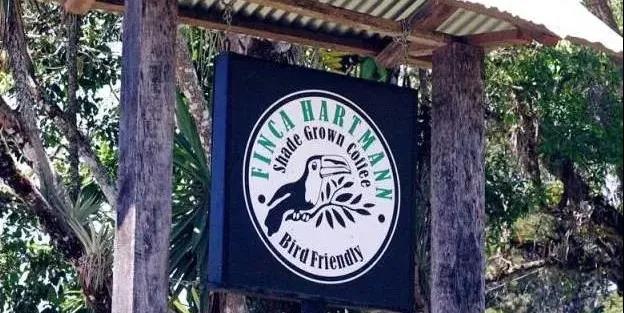
The Hartmann family also manages and processes coffee for many estates in Panama — among them Finca La Mula, a frequent winner at Best of Panama, and the 90+ estates in Panama — all under Hartmann family management. Although the estate keeps a low profile and seldom appears in Best of Panama competitions, its coffee ranks among Panama's finest. The Hartmann family has made an invaluable contribution to Panama's coffee reputation today.
Catuai Variety
Catuai is a hybrid variety artificially cultivated by the IAC (Instituto Agronômico de Campinas) in São Paulo State, Brazil, from Mundo Novo and Yellow Caturra. Originally called "H-2077," Catuai inherits Mundo Novo's high yield, disease resistance and excellent cupping quality, while also inheriting Caturra's compact plant size, quality acidity and sun-grown coffee character.
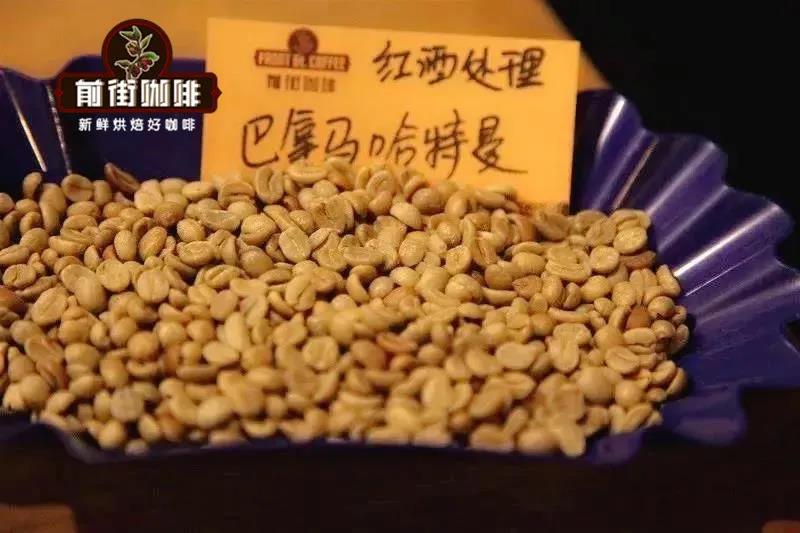
Red Wine Processing Method
Coffee fermented by a method similar to red wine processing sees a significant boost in sweetness, cleanliness and multi-layered, complex yet elegant acidity. This fermentation method greatly improves the quality and uniqueness of the coffee produced. Red wine processing is also known as controlled fermentation or lactic/acetic acid fermentation.
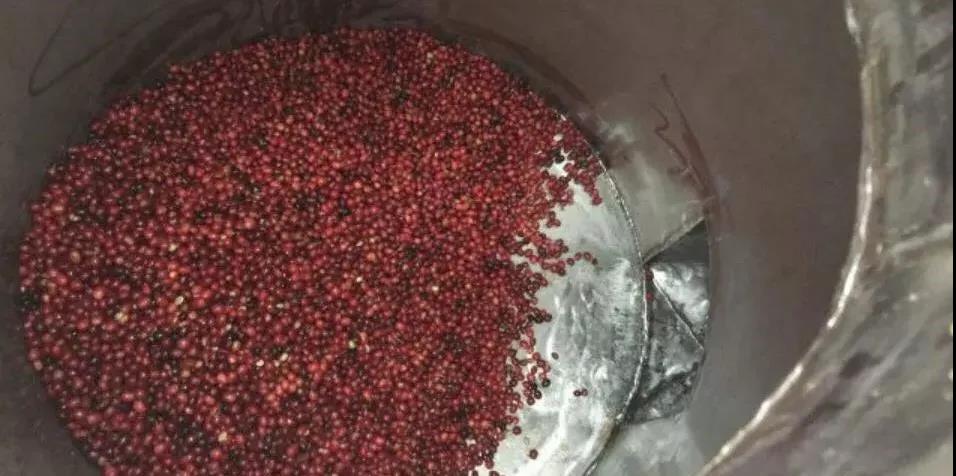
After collecting the cherries, the estate carefully selects red coffee fruit to ensure that, among the fruit chosen for processing, the ratio of unripe fruit is less than 2%, defective beans less than 3% and floaters less than 5%. The selected fruit is placed in special containers fitted with devices similar to red wine fermentation locks or one-way exhaust valves.

This lets carbon dioxide escape through the device to control the air concentration inside the container. At this point the fruit inside undergoes acetic acid fermentation, producing beans with relatively bright, clean flavors and lemon-like acidity. FrontStreet Coffee believes beans processed by the red wine method carry fermentation aromas similar to red wine, with a mellow mouthfeel and clean acidity.
FrontStreet Coffee Roasting Insights
FrontStreet Coffee's roaster uses a Yangjia 800N semi-direct-flame roaster with a 600 g batch size. The beans are charged at 200°C with the damper set to 3. After 30 seconds the heat is adjusted to 170°C, keeping the damper unchanged. The turning point occurs at 1'39". Holding the heat, at 4'57" the bean surface turns yellow and the grassy aroma disappears completely, marking the start of the dehydration stage. The heat is reduced to 130°C with the damper held at 3.5.
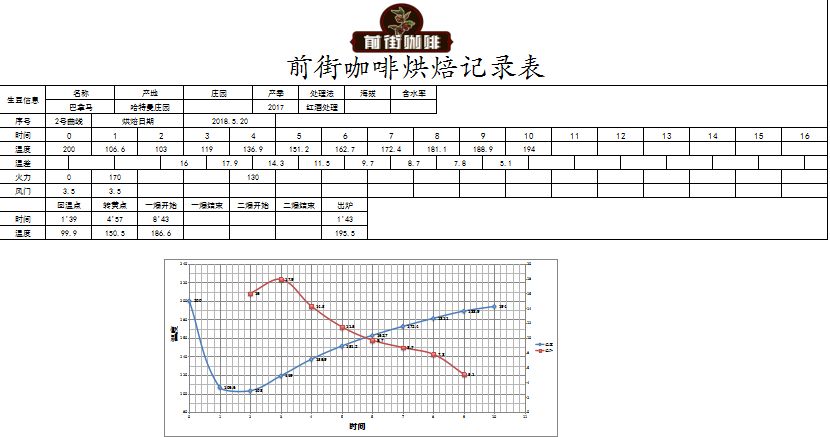
At 8'00" dehydration is complete and the heat is reduced to 80°C. At 8'00" ugly wrinkles and black spots appear on the bean surface and the toast aroma clearly shifts to coffee aroma, which can be defined as the prelude to first crack. At this point listen carefully for the sound of first crack. First crack begins at 8'43", the heat is reduced to 60°C and the damper is fully opened to 5 (adjust the heat carefully — not so low that cracking stops). After first crack, develop for 1'43" and drop at 195.5°C.
FrontStreet Coffee Cupping Report
FrontStreet Coffee cups its samples within 8-24 hours of roasting. Its baristas typically use 200 ml ceramic cups for cupping. The cupping water temperature is 94°C, and the grind size is controlled to 70%-75% passing through a #20 standard sieve (0.85 mm). The ratio is 11.1 g of coffee powder to 200 ml of hot water, i.e., 1:18.18, which extracts a concentration precisely within the 1.15%-1.35% Golden Cup range. The steeping time is 4 minutes.
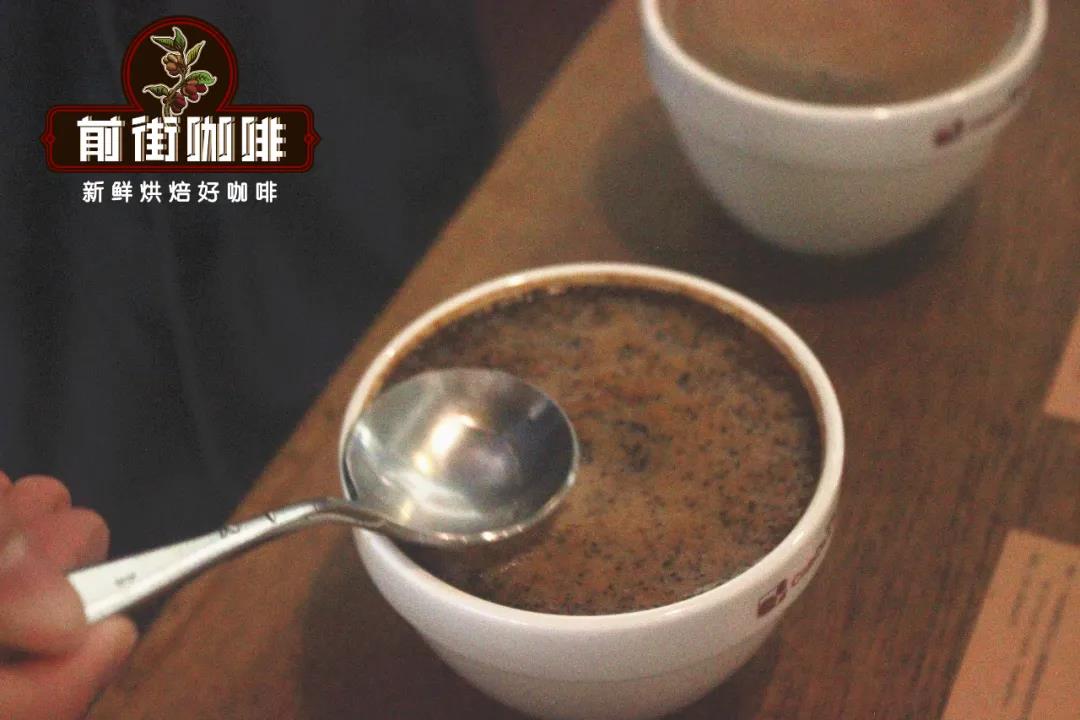
Dry Aroma: Orange, jasmine
Wet Aroma: Red wine, honey
Flavor: Tropical fruits, nuts, red wine, honey, cane sugar
FrontStreet Coffee Brewing Insights
Dripper: V60#01
Water Temperature: 90°C
Coffee-to-Water Ratio: 1:15
Grind Size: Medium-coarse grind/BG6s (Chinese standard #20 sieve with 80% pass-through)
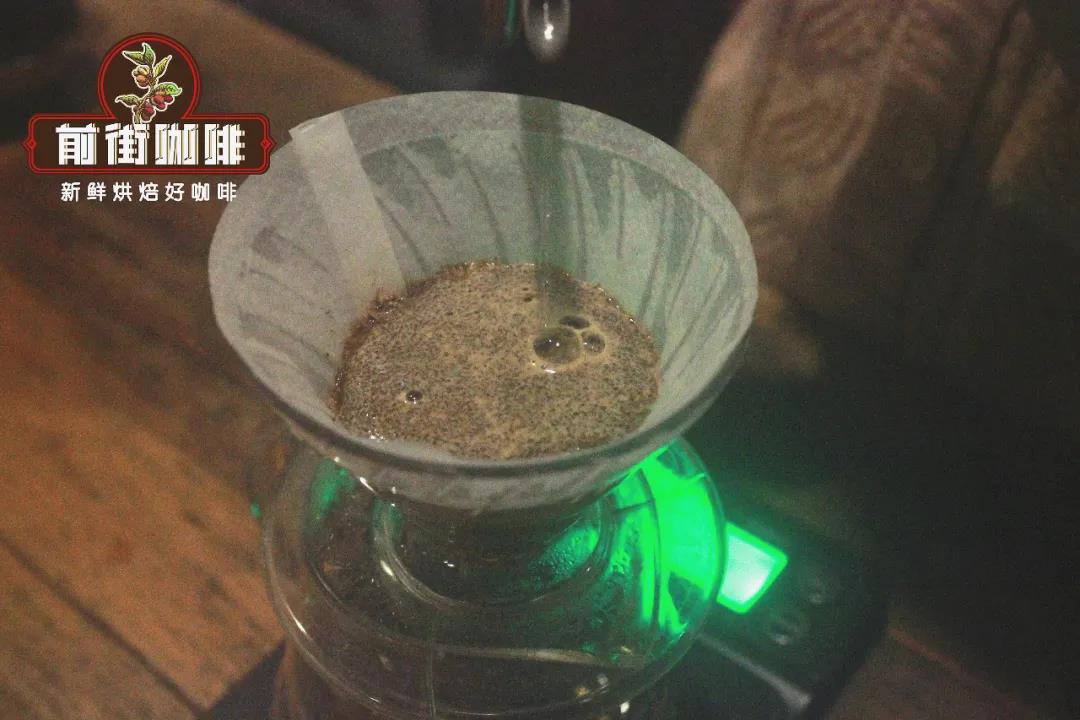
FrontStreet Coffee uses segmented extraction. First segment: pour 30 g of water and bloom for 30 seconds. Second segment: pour 95 g of water (the scale shows 125 g total), completed in about 1 minute 5 seconds. Third segment: pour 100 g of water (the scale shows 225 g total), completed in about 1 minute 40 seconds. Total extraction time is 2 minutes 5 seconds. Remove the dripper to finish brewing.
Brewing Flavor: Smooth on entry with lively, bright acidity. The acidity is soft and richly layered, with a distinct red wine aftertaste and honey and cane-sugar flavors. When fully cooled, brown-sugar notes emerge.
FrontStreet Coffee Recommendation
Panama's Volcán and Boquete regions are the source of the world's most celebrated coffee, and FrontStreet's Panamanian lineup lets you explore that character directly. For an approachable introduction, FrontStreet Boquete Washed Geisha is an estate-level Geisha grown at 1,600 meters; its fertile volcanic-ash soil produces a rich aroma with the Geisha's signature jasmine, green tea, honey, citrus and orange. FrontStreet Panama Washed Butterfly shares half of Geisha's pedigree — a blend of Geisha, Caturra and Catuai grown in Boquete's Barú volcanic area — and shows excellent body, citrus acidity and Geisha's jasmine aroma, well suited to both hand pour and cold brew. For the highest tier, FrontStreet Emerald Estate Red-Label Geisha is picked from a single plot above 1,700 meters and cups at 91 points, with refined orange-blossom honey character. And FrontStreet Emerald Estate Diamond Mountain, mainly Caturra and Catuai from the Jaramillo and Cañas Verdes farms, brings rich fruit aroma and sweetness thanks to volcanic soil and old-forest shade.
Important Notice :
FrontStreet Coffee is a long-established specialty coffee roaster in Guangzhou China, selling freshly roasted beans from its own farm in Yunnan as well as dozens of carefully selected single-origin beans from around the world for both pour-over and espresso. The products deliver consistently excellent quality and great value, with shipping within 24 hours. Guangzhou's FrontStreet Coffee shop is recommended by many coffee lovers, and the beans are now available online at the Tmall 。
FrontStreet Coffee has moved to a new address:
FrontStreet Coffee Address: 315,Donghua East Road,GuangZhou
Tel:020 38364473
 Scan and follow the En Gafei WeChat official account. Please indicate that the reprint comes from "En Gafei".