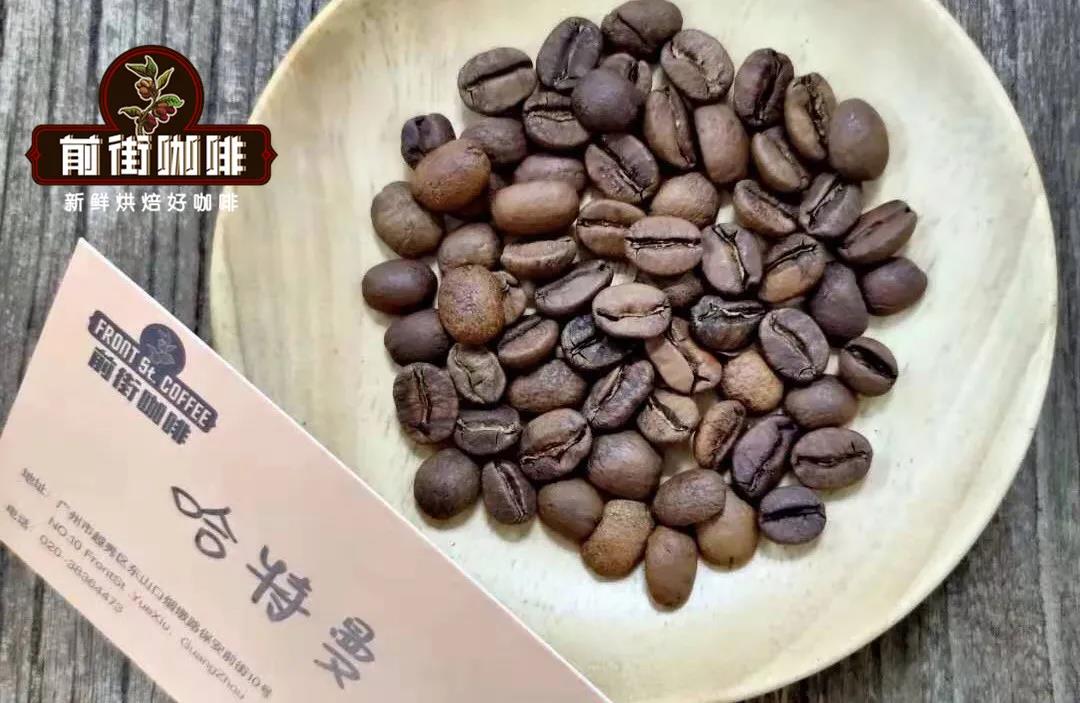
Comparison of Geisha Coffee Beans from Janson Estate and Hacienda La Esmeralda in Boquete, Panama
If Hacienda La Esmeralda in the Boquete region is the largest Geisha producer in Panama, then Janson Farm in the Volcan region is the second largest. In earlier articles FrontStreet Coffee introduced the coffee estates of Boquete, so readers should be familiar with that area by now. Here, FrontStreet Coffee turns to Panama's other major specialty coffee region - Volcan - to explain what makes Janson Farm distinctive.
Volcan Region
When people think of Panamanian coffee, the specialty regions they know best are usually around Boquete, but in recent years coffee from Volcan has steadily emerged on the specialty market. Quite a few estates there have entered the Best of Panama competition and even taken championships. Janson Farm itself placed an excellent second in the natural-process category at the 2019 BOP.
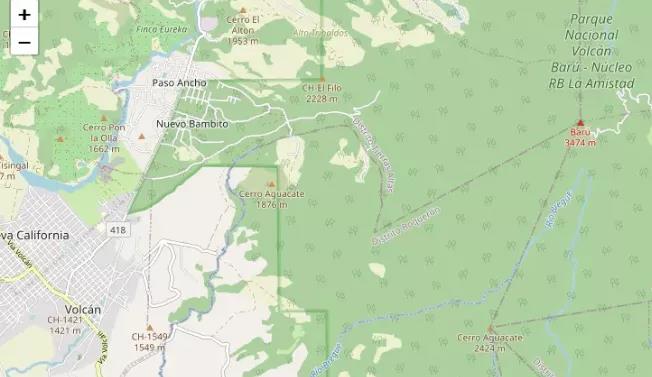
Unlike Boquete, the Volcan region lies on the eastern side of Baru Volcano. Boquete catches Atlantic sea breezes through gaps in the terrain and, with its varied topography, enjoys abundant microclimates and very humid weather. Conditions across Volcan are quite different. The northern mountains there form a deeper barrier, so Atlantic moisture cannot sweep in on the wind. That leaves Volcan notably dry and sunny - an excellent foundation for drying coffee, which is why sun-dried coffee from Volcan has a reputation for high quality.
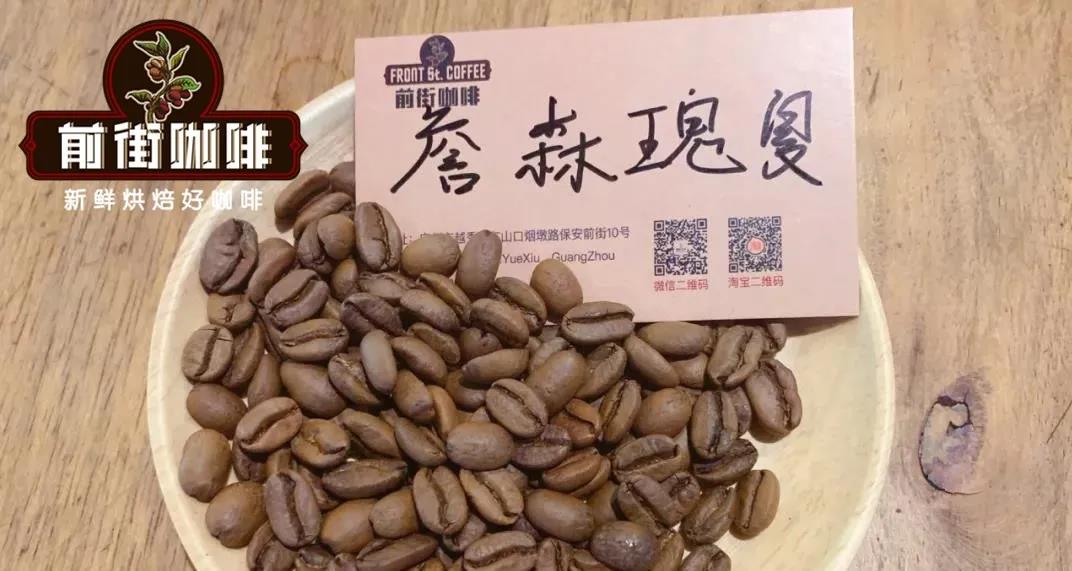
The Volcan region sits at 2000-3000 meters, and coffee grown in its volcanic soil has a mild, balanced flavour. Most producers in Volcan also use natural processing for their green coffee. Through cupping, FrontStreet Coffee has found that beans from Volcan carry strong dried-fruit sweetness and aroma.
Janson Farm
In 2013 a new contender appeared at the Best of Panama awards presented by the Specialty Coffee Association of Panama (SCAP): the Geisha variety from Carl Janson's Janson Farm, also known as "the champagne of coffee." It offers a full jasmine floral aroma with delicate berry notes, a clean cup and honey and lychee flavours.
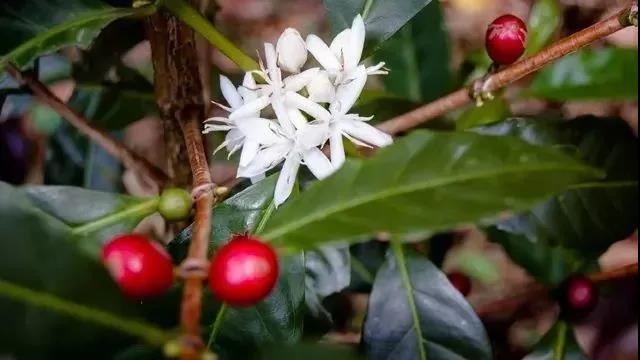
Janson Farm lies on the western side of Baru Volcano, covering 1200 hectares at roughly 1700 meters. The nutrient-rich volcanic soil, plentiful rainfall and suitable temperatures have gradually made it the second-largest Geisha-producing estate in Panama, with 50% of the farm planted to Geisha coffee trees.
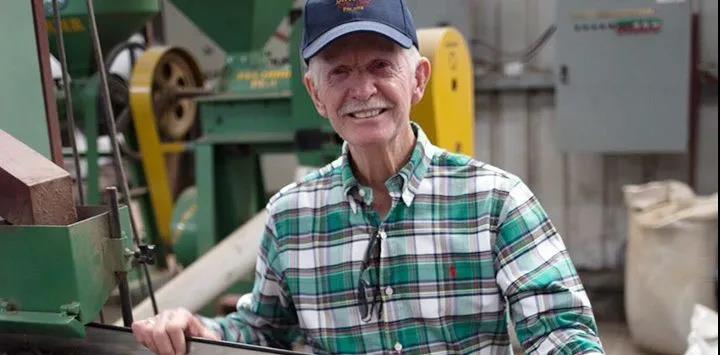
Owner Carl Janson places great emphasis on keeping the natural environment in balance. He farms 100% sustainably, using enzymes and microorganisms to maintain nutrient balance in the soil, and runs livestock alongside coffee. A dedicated processing plant turns processed coffee cherries into farm fertiliser, and only 2000 Geisha plants are planted per hectare, leaving ample soil between plants.
Geisha Coffee Variety
Geisha only develops its rich, captivating floral aroma when grown at high altitude. Janson Farm's fertile soil and elevation give the variety an excellent growing environment. FrontStreet Coffee cupped naturally processed Geisha from Hacienda La Esmeralda and Janson Farm side by side.
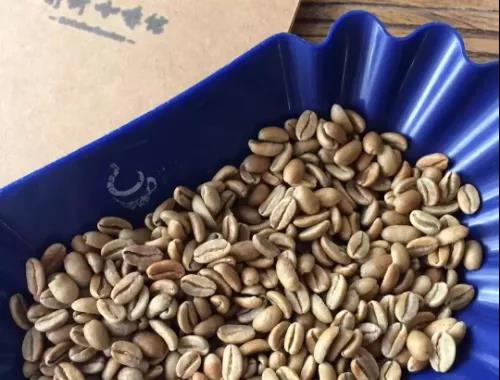
Hacienda La Esmeralda's Geisha grows in high-altitude, harsh conditions that slow the trees' growth and allow more complex flavour development, with rose and berry juice as the main notes and a solid, full mouthfeel. By contrast, Janson Farm's growing environment is far more comfortable, so its Geisha develops a little faster than Esmeralda's. The floral aroma is therefore less pronounced than Esmeralda's, but it still shows subtle jasmine and ginger flower notes, with richer fruit aromas.
Natural Processing Method
Natural processing is the oldest and most traditional method. Janson Farm screens the harvested cherries, then spreads them on concrete patios to dry. After about 27-30 days under direct sun, the moisture content of the cherries drops from 60% to around 12%.
Once drying is complete, the cherries go to the processing plant for hulling, and the hulled green beans are screened again to remove defective beans. This step reflects the quality of the drying: over-dried beans are brittle and may shatter into fragments during hulling, while under-dried beans hold too much moisture and are prone to bacteria and mould before they are warehoused for export. FrontStreet Coffee believes naturally processed beans have low acidity, high sweetness and a clear texture but slightly less cleanliness, with more berry-like notes and greater complexity.
FrontStreet Coffee Roasting Insights
FrontStreet Coffee's roaster found these beans large and dense, absorbing more heat during roasting and driving a faster Maillard reaction.
Heat the roaster to 200°C and open the air damper to 3.5. After 30 seconds adjust the heat to 160°C and set the air damper to 3. Return temperature at 1'32"; adjust the heat once the drum temperature reaches 153.3°C. At this point the bean surface turns yellow and the grassy aroma disappears entirely, indicating dehydration is complete. Adjust heat to 140°C and set the air damper to 4. At 9'00" ugly wrinkles and black spots appear on the bean surface and the toast aroma clearly turns to coffee aroma, which can be defined as the prelude to first crack. Listen carefully for the sound of first crack. First crack begins at 9'47": reduce heat to 50°C and open the air damper fully to 5 (adjust heat very carefully - not so low that the cracking sound disappears). Develop for 2'40" after first crack, then discharge at 197.1°C.
FrontStreet Coffee Cupping Report
FrontStreet Coffee cups sample beans within 8-24 hours of roasting. The baristas typically use 200ml ceramic bowls. Cupping water temperature is 94°C, with grind size controlled so 70%-75% passes a #20 standard sieve (0.85mm). The ratio is 11.1g of coffee to 200ml of hot water, i.e. 1:18.18, which extracts a concentration squarely inside the 1.15%-1.35% Golden Cup range, with a steep time of 4 minutes.
Dry aroma: Jasmine flowers, berries
Wet aroma: Ginger flower, grapes, black currant
Flavor: Lemon, citrus, apple, jasmine, ginger flower, grapes, peaches, maple syrup
FrontStreet Coffee Brewing Tips
Filter: Hario V60
Water temperature: 90°C
Coffee dose: 15g
Coffee-to-water ratio: 1:15
Grind size: Medium-fine (BG#6S: 80% passing a China standard #20 sieve)
FrontStreet Coffee uses segmented extraction: bloom with 30g of water for 30 seconds. Pour with a small circular motion to 125g and pause. When the water level drops and is about to expose the coffee bed, continue pouring to 225g and stop. When the water level is about to expose the bed again, remove the dripper. (Timing starts from the bloom.) Extraction time is 2'00".
Brewing flavor: Fermented on the nose, with lime, raspberry and nectarine on entry. Cocoa, cream and caramel sweetness follow, with a vanilla aftertaste, fruit sweetness and a high body.
FrontStreet Coffee Recommendation
For drinkers who want the highest expression of the variety, FrontStreet Coffee's Esmeralda Red Label and Green Label Gesha come from the estate that made Geisha famous. The Red Label and Green Label tiers both grow between 1600-1800 meters, with every lot scoring above 90 in cupping and carrying its own number, since each lot comes from a single plot. The Green Label series blends lots from several plots instead of highlighting individual parcels, giving the estate's signature high-altitude Geisha character at a more accessible price.
Those new to the style can begin with FrontStreet Boquete Gesha, an entry-level Panamanian Geisha that delivers the classic tangerine-and-honey profile, oolong tea texture and fine fruit sweetness with clearly defined layers at a reasonable price. Ethiopia, the birthplace of coffee, also does Geisha proud: FrontStreet Gesha Village Gold Label belongs to the Gesha 1931 variety and makes up 10% of the village's production, its refined natural processing yielding a complex, layered cup in both dry aroma and flavour. FrontStreet Gesha Village Red Label is the Gori Gesha variety, 15% of production and scoring 88 or above on the SCA 100-point scale, released as a single-terroir series with full traceability from farm block to processing date.
For a single-variety estate bottling, FrontStreet Grana Gesha comes from the Grana processing station in Ethiopia, founded in 2014 and set in a coffee area of some 700 hectares that remains largely uncultivated, with fertile soil and abundant shade trees. Ripe cherries are hand-picked and dried on raised beds for 14-20 days depending on the weather. Roasted light-to-medium, it shows bright citrus acidity, elegant ginger flower aroma and the full sweetness of ripe fruit, with a fine, silky body and the delicate finish that defines the variety.
Important Notice :
FrontStreet Coffee is a long-established specialty coffee roaster in Guangzhou China, selling freshly roasted beans from its own farm in Yunnan as well as dozens of carefully selected single-origin beans from around the world for both pour-over and espresso. The products deliver consistently excellent quality and great value, with shipping within 24 hours. Guangzhou's FrontStreet Coffee shop is recommended by many coffee lovers, and the beans are now available online at the Tmall 。
FrontStreet Coffee has moved to a new address:
FrontStreet Coffee Address: 315,Donghua East Road,GuangZhou
Tel:020 38364473
 Scan and follow the En Gafei WeChat official account. Please indicate that the reprint comes from "En Gafei".