Brewing Method for Africa Uganda Rwenzori Mountains Region Anaerobic Fermented Natural Process Coffee Beans
For professional coffee knowledge exchange and more coffee bean information, please follow Coffee Workshop (WeChat official account: cafe_style).
FrontStreet Coffee has previously written about Uganda, the "little shy" coffee-producing country, and about its beans from the Elgon Mountain region. This time, FrontStreet Coffee turns to another of Uganda's premium growing regions — the Rwenzori Mountains.
Uganda
Uganda sits at the source of the Nile, an inland African country with no access to the sea. The land is fertile, with volcanic soils in both the eastern and western regions, and rainfall is abundant. Some areas even get two harvests a year: April to June and October to February. FrontStreet Coffee finds that Ugandan coffee offers notes of dark plum and ripe fruit, a full, juice-like texture, and a rich, robust character.
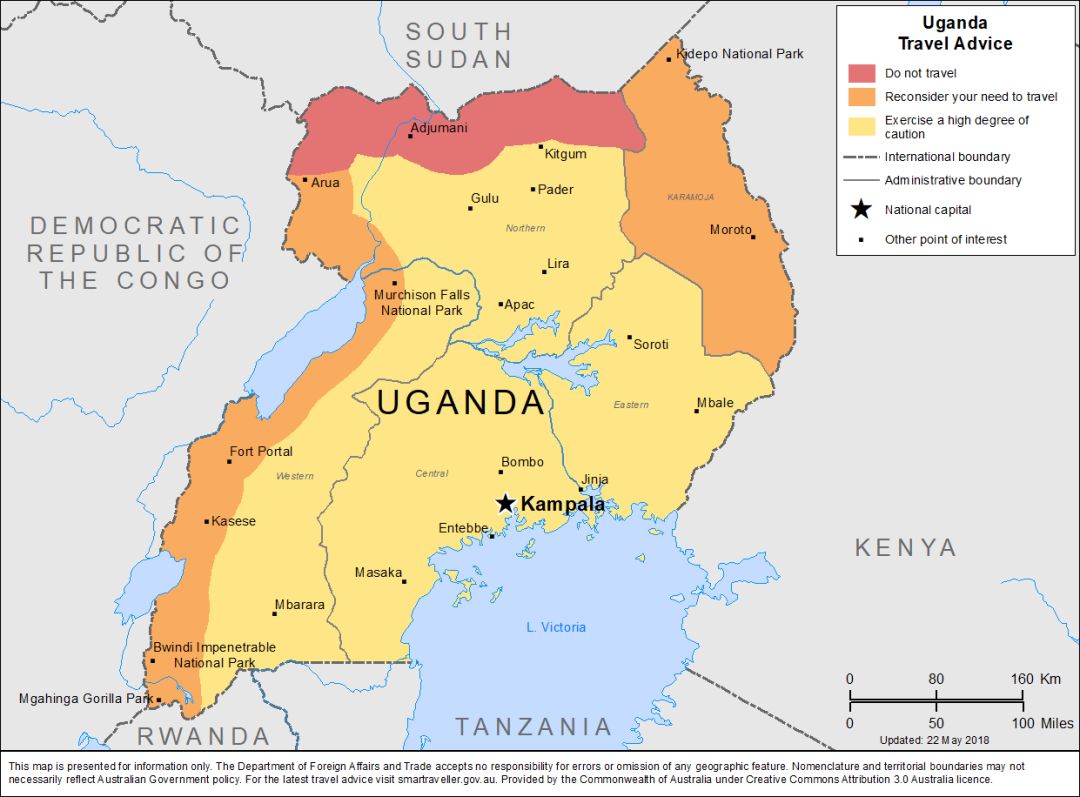
Uganda boasts dense forests, lakes, wetlands, and plentiful rivers. Coffee is the country's largest agricultural crop: roughly 500,000 farms are engaged in coffee agriculture, accounting for 25% of the total population. Most of the trees are Robusta, which grows vigorously and makes up about 94% of Uganda's coffee cultivation; only 6% is traditional Arabica. These rarer beans grow in the tropical rainforest and are mostly exported to markets around the world.
Mt Rwenzori
The Rwenzori Mountains are one of the few ranges on the African continent with permanent snow and ice. The climate shifts with altitude and aspect. The southern slope, at about 2,500 meters, is the most humid and receives the most precipitation. Daily temperatures swing noticeably between 15°C and 21°C, and the peaks are shrouded in mist year-round.
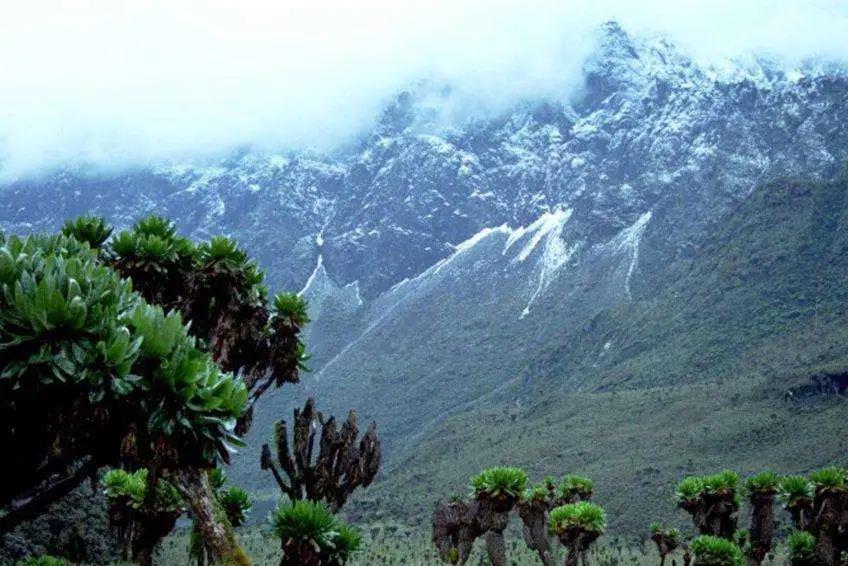
The local Bukonzo people have farmed these mountains for centuries. The soil is fertile and the climate is superb — ideal for coffee. Coffee grows on the slopes of Masira at 1,500-2,300m, and the nitrogen-rich volcanic soil creates a terroir perfectly suited to the crop.
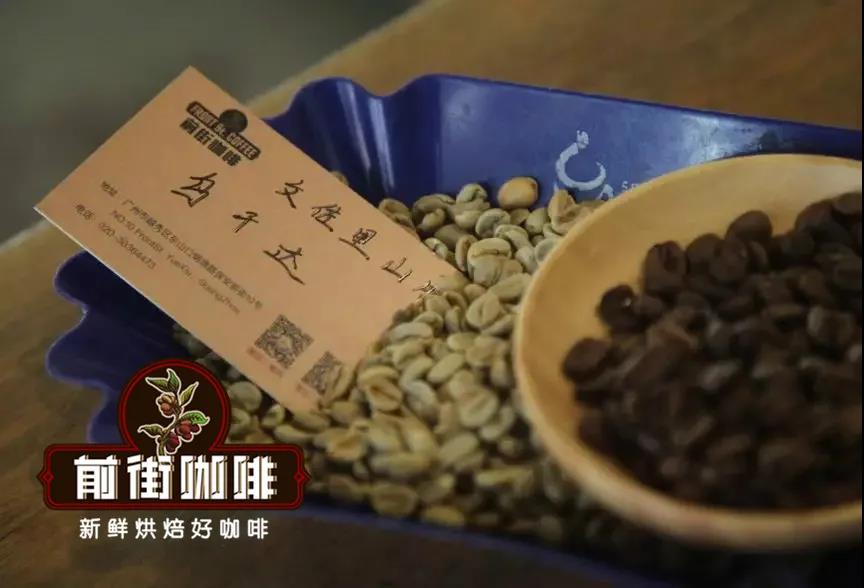
FrontStreet Coffee — Uganda Rwenzori Mountains Anaerobic Natural Coffee Beans
Country: Uganda
Region: Rwenzori Mountains
Altitude: 1,600-1,800 meters
Processing Method: Anaerobic Fermentation Natural
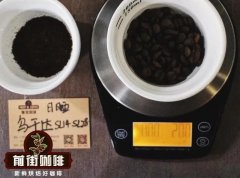
Variety: SL14 & SL28
Anaerobic Fermentation Natural
Uganda's abundant rivers allow its producing regions to process large volumes of coffee by the washed method, while the stable climate also makes small-scale natural processing possible. The beans FrontStreet Coffee sourced here are anaerobic-fermented naturals — one of the rarer processing methods in this origin.

Anaerobic fermentation natural processing means whole cherries are first fermented in an oxygen-free environment, then dried as a natural. In essence, the anaerobic process makes coffee more uniform and easier to monitor, whereas aerobic fermentation is more complex and harder to control. In an anaerobic environment, the breakdown of pectin sugars slows down and the pH drops more gradually, extending the fermentation time to build better sweetness and more balanced flavors. The temperature for anaerobic fermentation must be held below 10-15 degrees. The beans ferment for three days in an airtight, clean stainless steel tank, then move to raised beds for natural drying.
Coffee Varieties: SL14 & SL28
This FrontStreet Coffee lot is composed of SL14 and SL28, both very common varieties in Uganda! The SL varieties come from the research and selection work of Scott Labs. Kenyan coffee made SL28 and SL34 world-famous, so the Ugandan government actively promoted and distributed SL seeds to farmers.
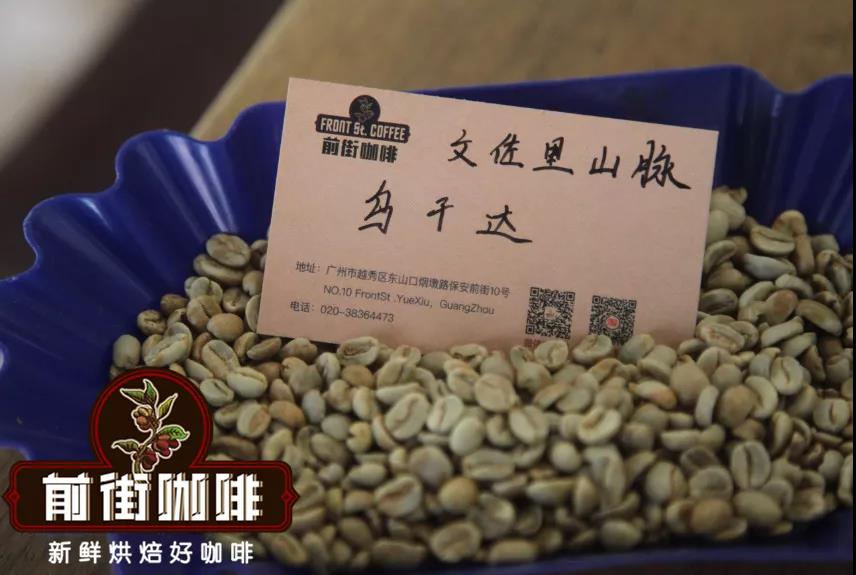
SL14 not only has excellent flavor but also offers drought resistance and can be harvested just two years after planting — a great fit for farmers' needs. The green beans look uneven in size, yellow-green in color, and smell grassy.
FrontStreet Coffee Roasting Suggestions
FrontStreet Coffee's roaster uses a Yangjia 800 semi-direct heat roaster, with a batch size of 480g. The beans are charged at a drum temperature of 160°C, with heat at 100, and the damper opened to 3. The turning point occurs at 1'34". When the drum temperature reaches 140°C, the damper is opened to 4, with heat unchanged. At 144.7°C, the bean surface turns yellow and the grassy aroma disappears completely, marking the start of the drying stage. When the drum temperature reaches 166°C, heat is adjusted to 80, with the damper unchanged.
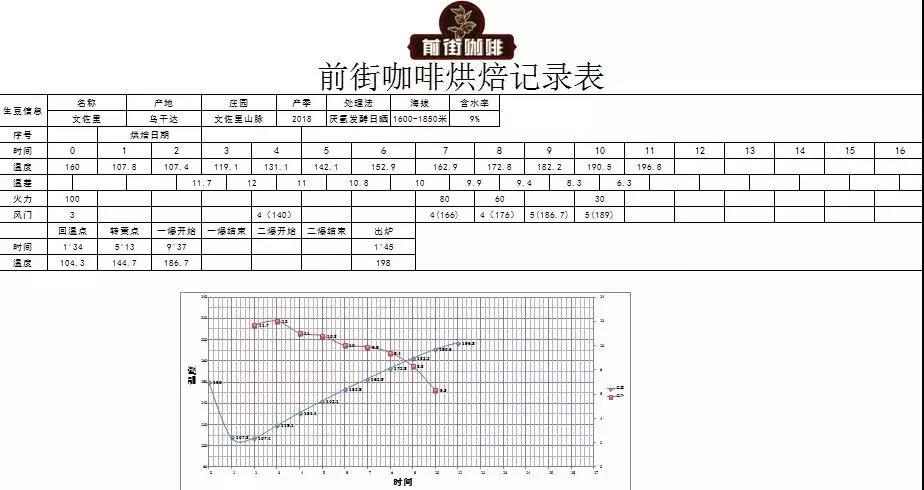
At 8'46", wrinkles and dark markings appear on the bean surface and the toasted-bread aroma clearly shifts into coffee aroma — the prelude to first crack. At this point, listen carefully for the sound of first crack. It begins at 9'37"; the damper is opened to 5, and development continues for 1'45" after first crack, with discharge at 198°C.
FrontStreet Coffee Cupping Records
FrontStreet Coffee cups samples 8 hours after each roasting batch, using 200ml standard cupping bowls, a grind achieving a 70%-75% pass-through rate on a #20 standard sieve, and 11g of coffee per bowl. Water TDS is 120ppm and water temperature 94°C. First, the dry aroma is smelled after grinding; then water is added to fill the bowl, the wet aroma is confirmed, and after 4 minutes the crust is broken and cleared for flavor evaluation.
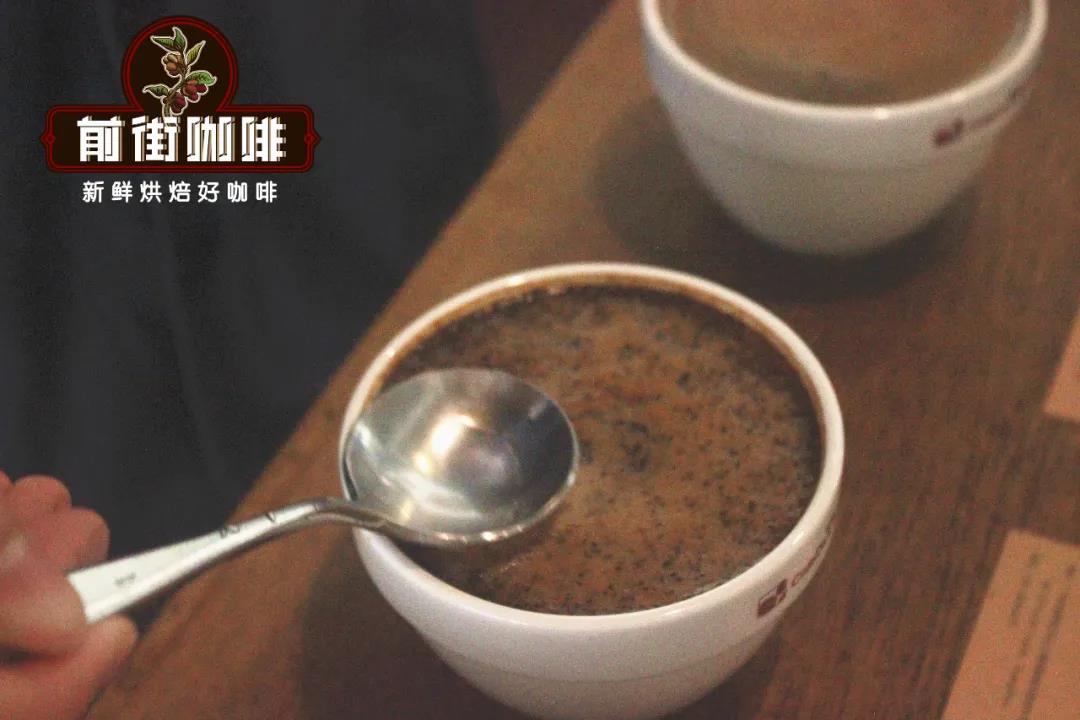
Dry Aroma: Fermented aroma
Wet Aroma: Preserved fruit
Flavor: Cocoa, cream, licorice, preserved fruit
FrontStreet Coffee Brewing Experience
Dripper: V60 #01
Dose: 15g
Water Temperature: 90°C
Ratio: 1:15
Grind Size: Medium-fine (BG 6m: 80% pass-through rate on China standard #20 sieve)

FrontStreet Coffee Brewing Method: Poured in stages. Use 35g of water for a 25-second bloom, then pour in a circular motion to 130g in stages. When the water level drops and is about to expose the coffee bed, continue pouring to 227g and stop. When the bed is about to be exposed again, remove the dripper. (Timing starts from the bloom.) Extraction time is 1'55".
Brewing Flavor: A light fermented aroma on the nose, with flavors of cocoa, cream, peanuts, and gentle fruit acidity.
For more premium coffee beans, please add FrontStreet Coffee on WeChat: kaixinguoguo0925
FrontStreet Coffee Recommendation
Love the fermented, fruit-forward character of this anaerobic natural? The natural process is the oldest way to prepare coffee — and still the most widespread. Ripe cherries are dried whole in the sun until the moisture content is right, then hulled. Because the fruit stays on the bean throughout drying, naturals carry extra body and rich, ripe fruit tones. The trade-off is weather: it takes 27-30 consecutive sunny days, which is why high-altitude, dry, water-scarce Ethiopia is such a natural home for the method.
FrontStreet Coffee's signature naturals are worth a try. The FrontStreet Yirgacheffe Natural Red Cherry uses only fully ripe, all-red cherries spread on raised beds to keep them off the ground and away from insects, dust, and bacteria, turned regularly to avoid uneven heating; at a medium-light roast it shows elegant florals and bright acidity plus distinct tropical fruit, a full fermentation character, and sweetness. The FrontStreet Natural Huakui, grown at very high altitude in Sidamo, is roasted medium-light to reveal light fermentation, florals, citrus, and mango — denser and more complex, with honeyed sweetness, cocoa, a whisper of spice, and a thick body with a lasting finish. For a domestic twist, the FrontStreet 2013 Natural Yunnan Typica balances nutty tones with berry-like acidity, dried apricot, brown sugar, and a light tea feel, slightly sweeter than a typical washed coffee.
If the anaerobic angle is what drew you in, don't miss the FrontStreet Colombia Sidra, a double anaerobic natural. Freshly picked whole cherries go into sealed tanks injected with carbon dioxide to force out the oxygen, slowing the breakdown of sugars in the pectin and the drop in pH to build higher sweetness and more complex flavor before drying on raised beds. The cup bursts with tropical fruit — passion fruit, apricot, dried fruit, and grape — with an almond-like finish.
Important Notice :
FrontStreet Coffee is a long-established specialty coffee roaster in Guangzhou China, selling freshly roasted beans from its own farm in Yunnan as well as dozens of carefully selected single-origin beans from around the world for both pour-over and espresso. The products deliver consistently excellent quality and great value, with shipping within 24 hours. Guangzhou's FrontStreet Coffee shop is recommended by many coffee lovers, and the beans are now available online at the Tmall 。
FrontStreet Coffee has moved to a new address:
FrontStreet Coffee Address: 315,Donghua East Road,GuangZhou
Tel:020 38364473
 Scan and follow the En Gafei WeChat official account. Please indicate that the reprint comes from "En Gafei".