Colombian Origin Paradise Estate Tropical Style Coffee Beans - Which Coffee Beans Have Tropical Fruit Flavor
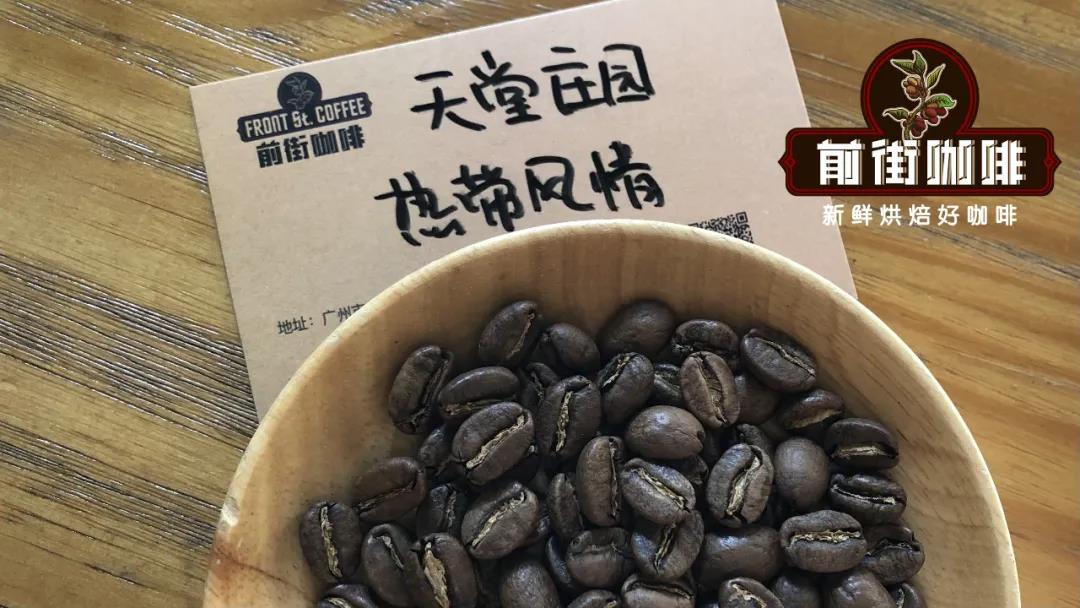
FrontStreet Coffee — Colombia El Paraiso Tropical Passion Coffee Beans
Region: Cauca, Colombia
Estate: El Paraiso
Processing Method: Double Anaerobic Washed
Varieties: Colombia, Castillo, Caturra
Altitude: 2050m
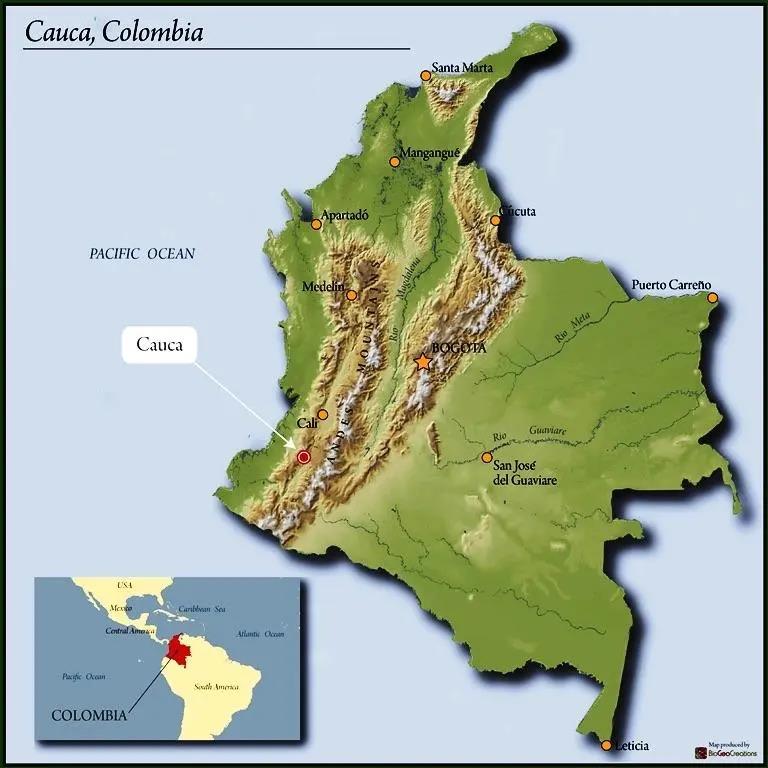
The Cauca Region
Cauca is a certified Colombian coffee origin with an average altitude of 1758m, climbing to 2100m at its highest points. Its topography, rainfall, temperatures, and volcanic soil create ideal growing conditions. About 80% of the area is mountainous, with parallel ranges in the east and center that form part of the Andes.
The central range holds two main volcanoes, Sotara and Petacas. Like other southwestern regions, Cauca shows a single, concentrated rainy pattern, with a short dry season each August to September. The rains that follow trigger a synchronized flowering, then a concentrated harvest the following year: March to June as the main season, and November to December as the fly crop.
El Paraiso Estate
Finca El Paraiso is the estate Diego Samuel began running in 2008. What started as a small 2.5-hectare family farm grew as he poured the surplus from each harvest into coffee-growing research, continually exploring better ways to produce specialty flavors. In 2015 he entered his first regional competition — and won first place. The recognition opened industry doors and only strengthened his drive to promote specialty coffee cultivation.
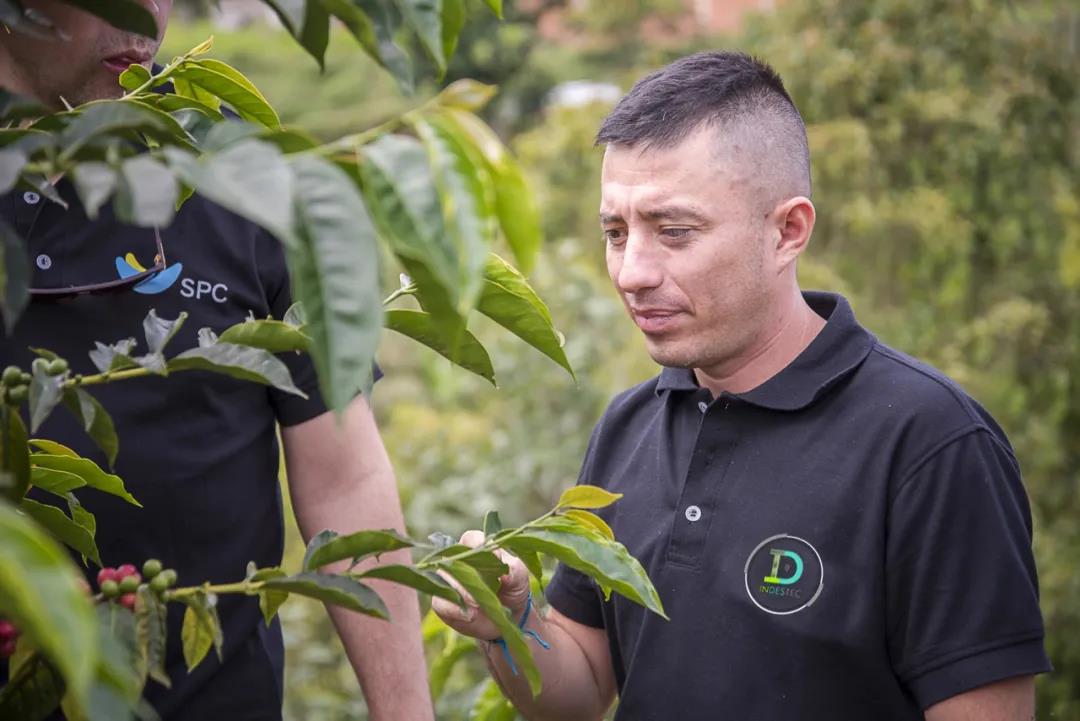
Through his company Indestec (Innovacion y Desarrollo Tecnologico para la Caficultura), Diego developed new technologies to improve and stabilize coffee quality. He likes stepping outside his comfort zone, he says, because it keeps him improving. El Paraiso currently grows Bourbon, Laurina, Gesha, and Castillo, among others, with plans to trial still more varieties.
Double Anaerobic Washed
Anaerobic fermentation means fermenting coffee cherries in a low-oxygen environment before removing them for further processing. Once out, the skin and pulp are stripped mechanically, and the beans — mucilage still attached — go into plastic bags or other sealed containers for a second anaerobic fermentation. A coffee that passes through both fermentations is called a double anaerobic process.
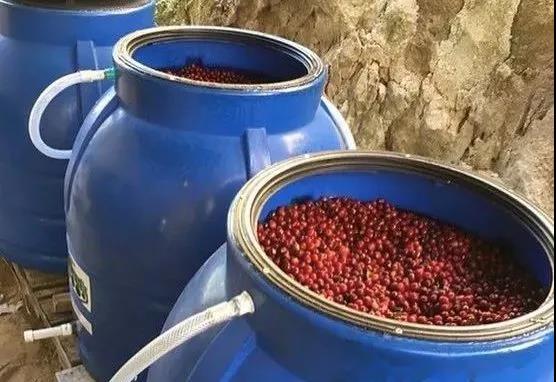
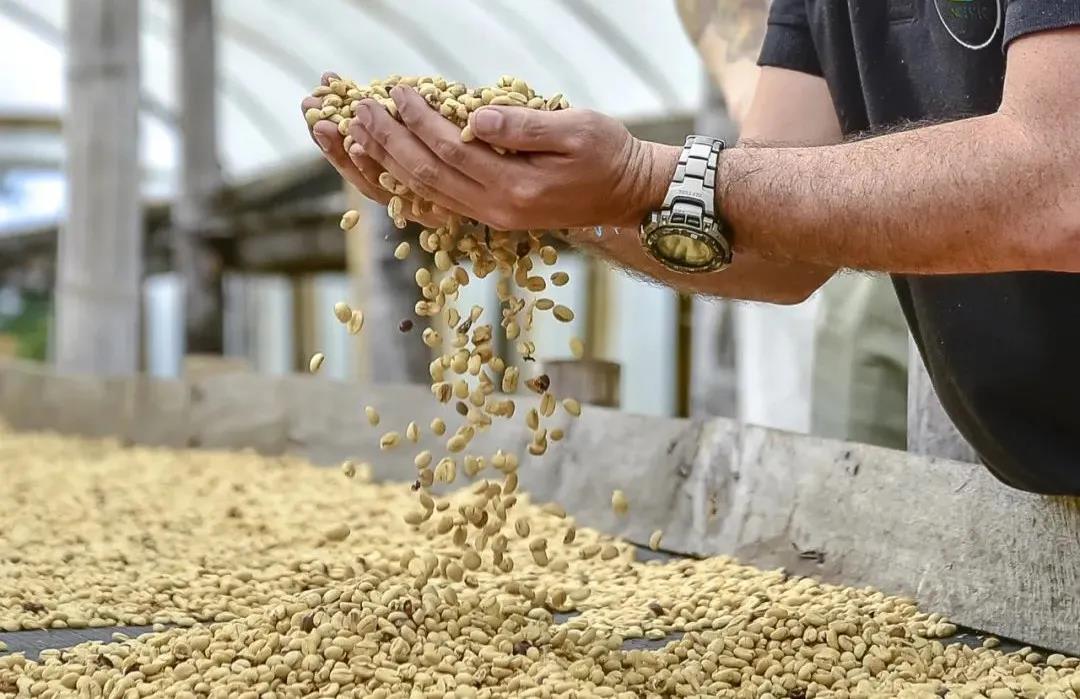
FrontStreet's Tropical Passion from El Paraiso is double anaerobic washed. After the two fermentations, the beans are washed free of mucilage and sun-dried until moisture reaches about 11%. In cupping, FrontStreet found this method gives the coffee livelier acidity than a standard anaerobic washed lot.
The Varieties
Castillo: Beginning in 1961, CENICAFE researched the Robusta-hybrid Timor variety. The work continued with the disease-resistant Tabi, released in 2002 (a cross of Typica, Bourbon, and Timor), and in 2005 with Castillo — the most successful resistant variety to date. After the devastating leaf-rust outbreak of 2008, Colombia pushed Castillo planting on a large scale.
Colombia: The variety named for the country was developed in the 1980s from Caturra and Timor lineage, technically a Catimor. The Colombian Coffee Growers Federation (FNC) maintains that although Colombia descends directly from Catimor, its flavor is far more elegant than typical Catimor because it was backcrossed with Arabica over multiple generations, eliminating the musty Robusta taste. It drinks closer to Arabica while keeping Robusta's disease resistance and high yield — a powerful tool for raising production.
Caturra: A natural dwarf mutation of Bourbon, discovered in Brazil in 1937. The plant is shorter and more compact than Bourbon, and though it inherited Bourbon's relatively weak disease resistance, it out-yields it. Despite its Brazilian discovery, Caturra never suited Brazil's growing conditions and was never widely planted there; instead it spread across Central and South America, with large-scale cultivation in Colombia, Costa Rica, and Nicaragua.
FrontStreet Coffee Roasting Notes
Yangjia 800N roaster, bean charge 480g. Preheat to 175°C, damper at 3, heat at 130; turning point at 1'32". At 140°C, open the damper to 4; at 151.2°C comes the yellowing point at 6'00" — the bean surface turns yellow, the grassy smell disappears entirely, and the drying stage ends. At 176°C, reduce heat to 110.
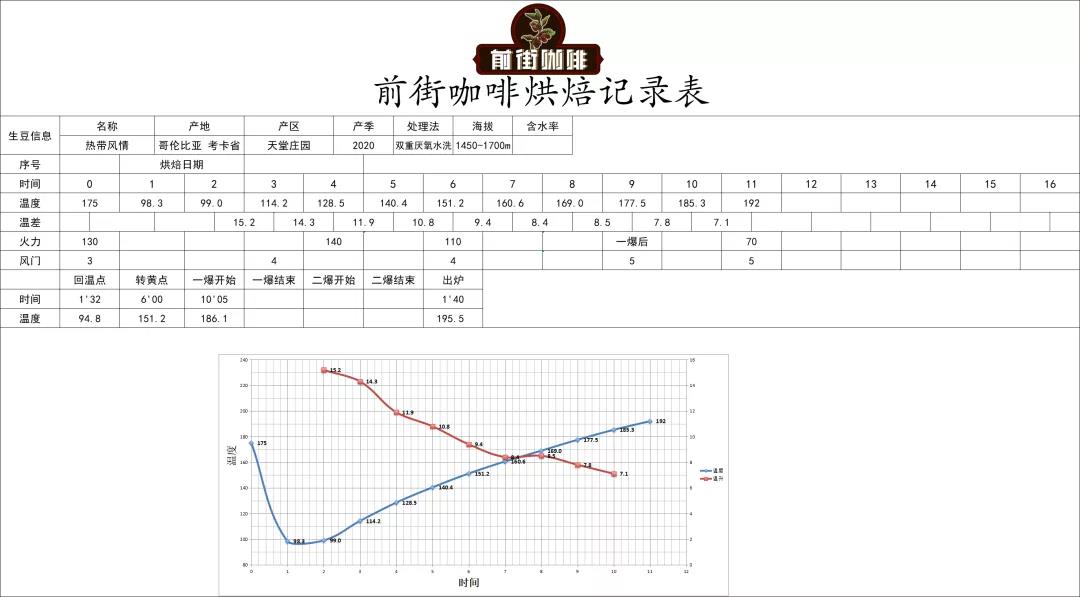
At 9'17", surface wrinkles and black spots appear and the toast aroma clearly turns to coffee aroma — the prelude to first crack. Listen carefully from here. First crack begins at 10'05"; open the damper fully and cut heat to 70 at 188°C. Develop 1'40" after first crack, then drop the batch at 195.5°C.
FrontStreet Coffee Cupping Report
FrontStreet cups samples within 8-24 hours of roasting, typically in 200ml ceramic cups. Water temperature is 94°C. Grind is set for 70%-75% pass-through on a #20 standard sieve (0.85mm). Ratio: 11g of coffee to 200ml of hot water — 1:18.18 — which extracts a concentration within the Golden Cup range of 1.15%-1.35%, with a 4-minute immersion.
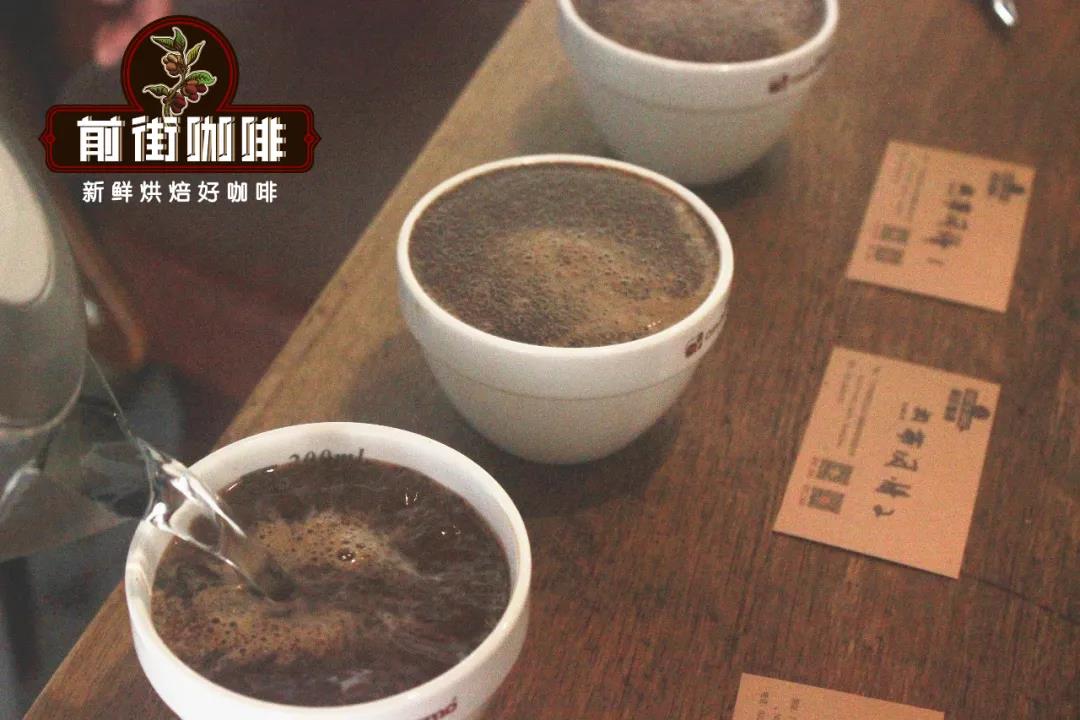
Dry Aroma: Pineapple
Wet Aroma: Mango
Flavor: Black grape, passion fruit, berries, caramel
FrontStreet Coffee Brewing Tips
Dripper: V60 #01
Water Temperature: 90°C
Coffee Amount: 15g
Coffee-to-Water Ratio: 1:15
Grind Size: Medium-fine / BG #6P (79% pass-through on #20 sieve)
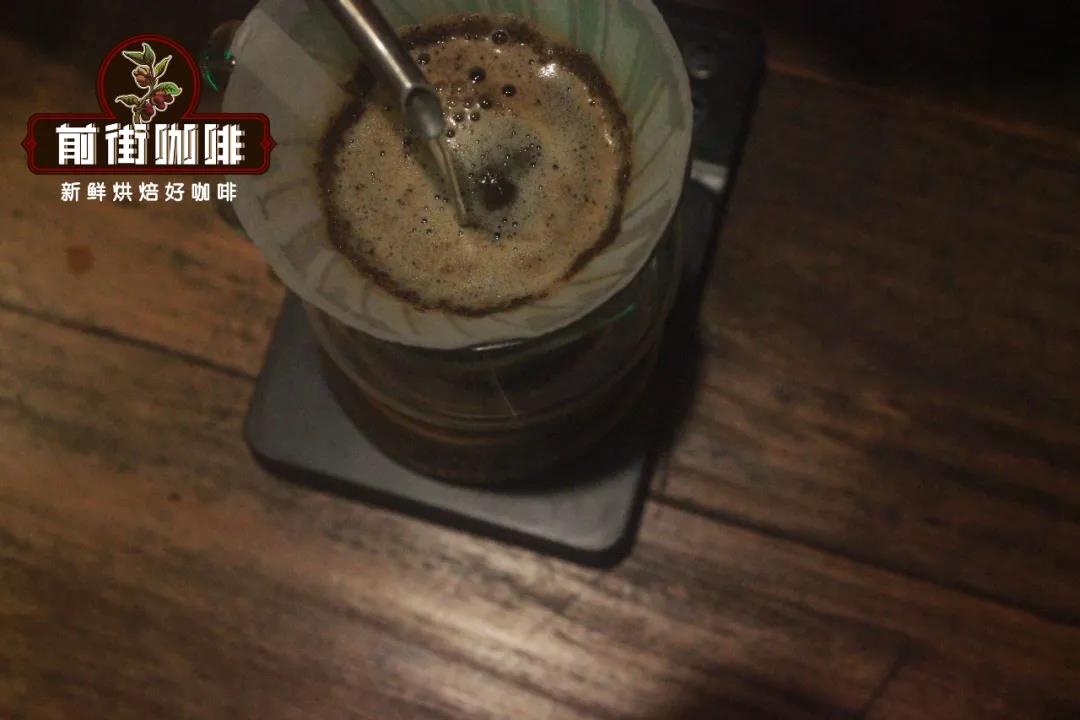
Brewing Method: Wet the filter paper and preheat the dripper and server. Bloom with 30g of water for 30 seconds. Pour in small circles to 125g, then pause. When the water level drops and the coffee bed is about to surface, pour on to 225g and stop. Once the bed is about to break the surface again, remove the dripper. (Timer starts at the bloom.) Extraction time: 2'00".
In the Cup: Black grape acidity up front, passion fruit through the middle, and a caramelized sweetness in the finish.
FrontStreet Coffee Recommendation
Tropical Passion is proof of how far Colombian processing has come, and Colombian coffee as a whole offers a style for everyone: fruity-acidic, rich and full-bodied, or perfume-forward — which is why it suits both espresso blends and single-origin pour-overs. If El Paraiso's tropical character is what you're after, FrontStreet also carries the Sidra from Colombia's Boundary-Line Estate, an anaerobic natural fermented in sealed pressure-resistant tanks with temperature, time, and pH under control. The low-oxygen fermentation coaxes out extra tropical fruit aromatics, and brewed as pour-over, cold brew, drip bag, or moka pot, it delivers complex layers of passion fruit, grape, apricot, and dried fruit.
For a more classic Colombian cup, the FrontStreet washed Huila coffee comes from the hills of southern Huila — the country's most celebrated specialty region, where coffee grows above 1500 meters among converging rivers and rich moisture. Roasted medium-dark, it highlights black chocolate, nutty sweetness, moderate oils, and a full body, and it performs just as well in a French press or moka pot as on a drip bar — even pulling crema-rich espresso for Americanos and lattes.
Important Notice :
FrontStreet Coffee is a long-established specialty coffee roaster in Guangzhou China, selling freshly roasted beans from its own farm in Yunnan as well as dozens of carefully selected single-origin beans from around the world for both pour-over and espresso. The products deliver consistently excellent quality and great value, with shipping within 24 hours. Guangzhou's FrontStreet Coffee shop is recommended by many coffee lovers, and the beans are now available online at the Tmall 。
FrontStreet Coffee has moved to a new address:
FrontStreet Coffee Address: 315,Donghua East Road,GuangZhou
Tel:020 38364473
 Scan and follow the En Gafei WeChat official account. Please indicate that the reprint comes from "En Gafei".