Kenya Kirinyaga Kaguyu Coffee Bean from Kirinyaga Region - How to Drink Kenyan Coffee?
FrontStreet Coffee — Kenya Kaguyu AA Coffee Beans
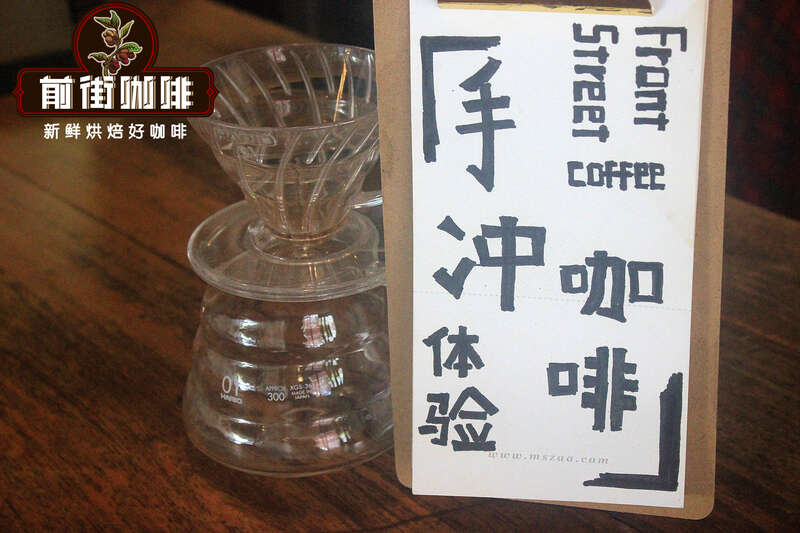
Origin: Kaguyu Processing Station, Kirinyaga, Kenya
Grade: AA (coffee bean size between 17-18 screen)
Variety: SL28 & SL34
Processing: K72 Washed
Altitude: 1400m
Harvest Season: 2020
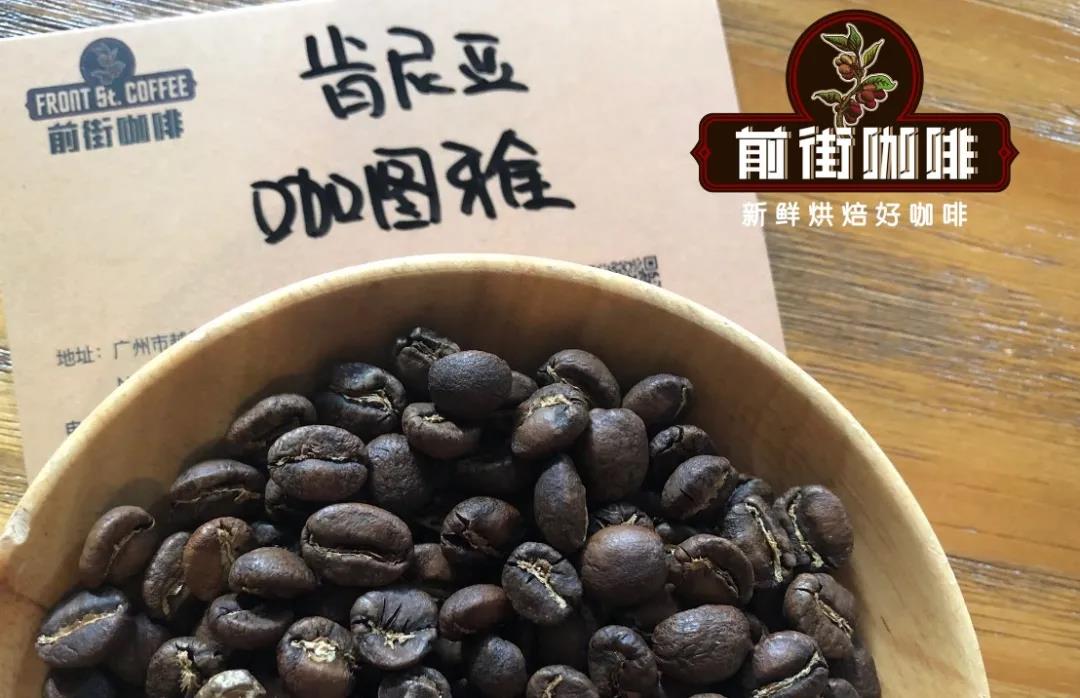
Kirinyaga Region
The Kirinyaga region sits on the slopes of Mount Kenya at an altitude of 1300-1900 meters. Adjacent to the Nyeri region, it is renowned worldwide for producing coffee with intense flavor, rich layers, and a solid mouthfeel. Together with Nyeri, it is recognized as one of Kenya's two finest coffee-producing regions. Kirinyaga has two harvest periods: October to December (main season) and June to August (secondary season).
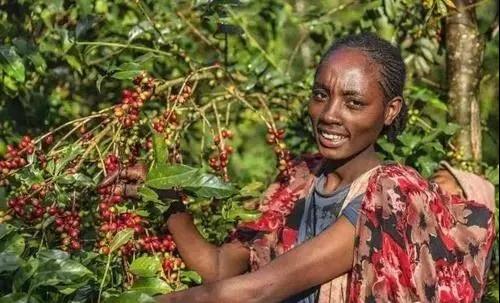
Most producers here are smallholder farmers who have joined cooperatives. The cooperatives play an integrative role, providing washing stations where farmers send their cherries for processing. Through cupping, FrontStreet Coffee found that coffee from this region features bright fruit acidity with moderate body and delicate sweetness.
Kaguyu Processing Station
The Kaguyu Processing Station is located on the western side of Kirinyaga in southern Kenya. It is operated by the NOI farmers' cooperative, where farmers send their harvested cherries for uniform washed processing.
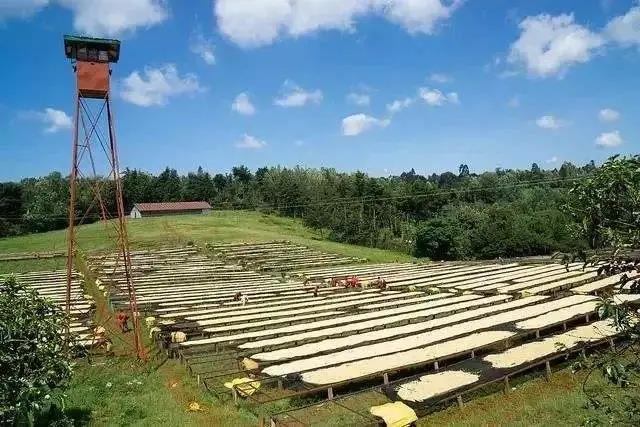
With the help and support of their partner, Coffee Management Services (CMS), the Kaguyu Processing Station's long-term goal is to increase production through farmer training, increased investment, agricultural education, and new materials related to sustainable agricultural development. By raising coffee farmers' income and encouraging them, they gradually achieve their goals. Building transparent, trust-based relationships with smallholders helps support the sustainable growth of Kenya's entire coffee industry and continuously improves the production standards of Kenyan premium coffee.
72-Hour Fermentation Washing
K72
Most Kenyan washed coffees undergo Kenya's unique K72 process: fully ripe cherries are first washed, then pulped and dry-fermented for 24 hours before being washed again. That is followed by another 24-hour fermentation and wash, then another 24-hour dry fermentation. This cyclical process achieves a 72-hour strong fermentation effect.

After the final fermentation and washing, the beans are soaked in clean water tanks overnight. The next morning they begin raised-bed sun-drying on the drying grounds to avoid contamination with earth and other off-flavors. Because the fermentation lasts up to 72 hours, it is called Kenya 72-hour fermentation washing, or K72 for short.
Coffee Varieties
SL28 & SL34
SL-28 and SL-34 are two of the 40 varieties developed from a research program led by Guy Gibson at Scott Laboratories. The laboratory cultivated and named these varieties in the 1930s.
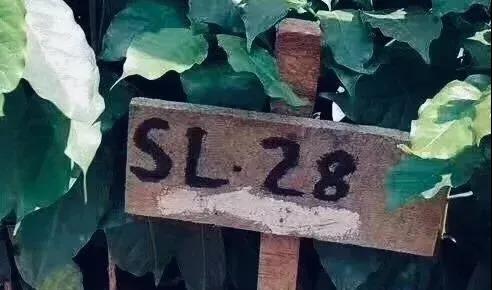
According to SL Laboratory botanists, SL28 and SL34 are genetic variants. They make up the vast majority of Kenya's high-quality coffee production, though these varieties are susceptible to leaf rust disease. Cupping the two separately, FrontStreet Coffee found that SL34 has flavors similar to SL28, but beyond its complex, varied acidity and wonderful sweet finish, it has a heavier, richer body than SL28 and is cleaner.
FrontStreet Coffee Roasting Recommendations
FrontStreet Coffee's roaster uses a Yangjia 800N semi-direct heat roaster with a batch size of 480g: set the drum temperature to 165°C when loading beans, with damper at 3 and heat at 120. Return point: 1'28". When the temperature rises to 140°C, open the damper to 4. At 6'10", the temperature reaches 154.3°C, the damper opens to 5, the bean surface turns yellow, the grassy smell disappears completely, and dehydration is complete.
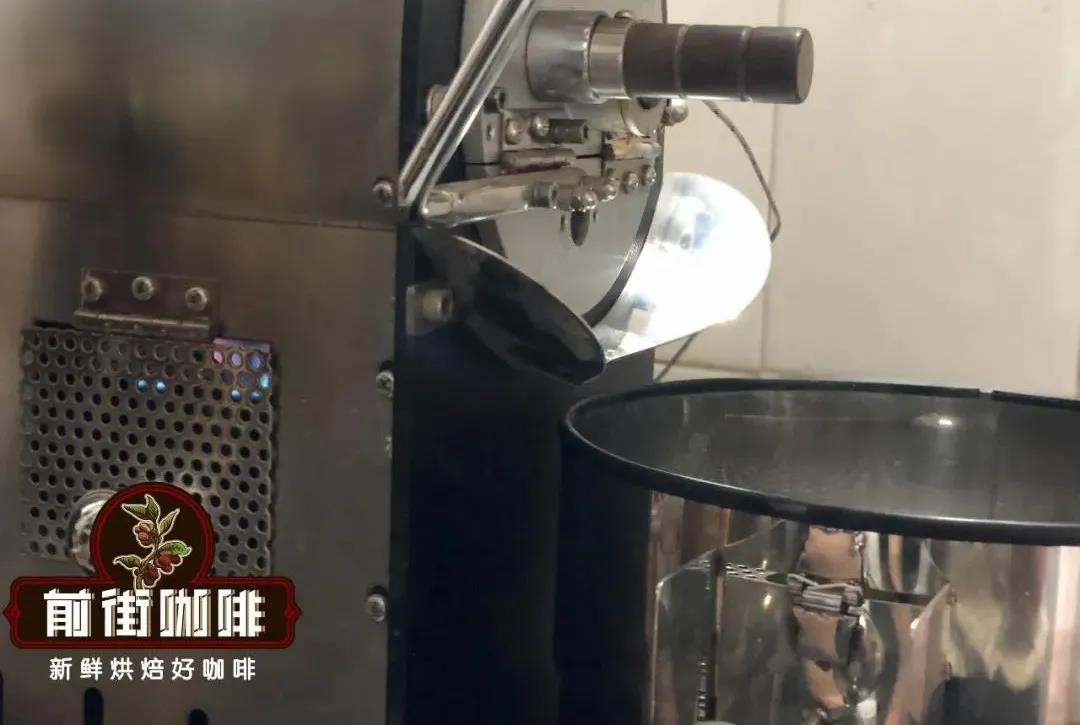
When ugly wrinkles and black spots appear on the bean surface and the toasted bread smell clearly transforms into coffee aroma, this can be defined as the prelude to first crack. At this point, listen carefully for the sound of first crack. At 9'45" first crack begins; damper unchanged, heat reduced from 188°C to 90. First crack development time is 1'40", ending at 193°C when the beans are discharged.
FrontStreet Coffee Cupping Report
FrontStreet Coffee cups within 8-24 hours after roasting sample beans. Its baristas typically use 200ml ceramic cupping bowls. The water temperature for cupping is 94°C. Grind size is controlled to 70%-75% passing a #20 standard sieve (0.85mm). Ratio: 11g of coffee grounds to 200ml of hot water, i.e., 1:18.18, which extracts a concentration exactly within the 1.15%-1.35% Gold Cup range, with a steeping time of 4 minutes.
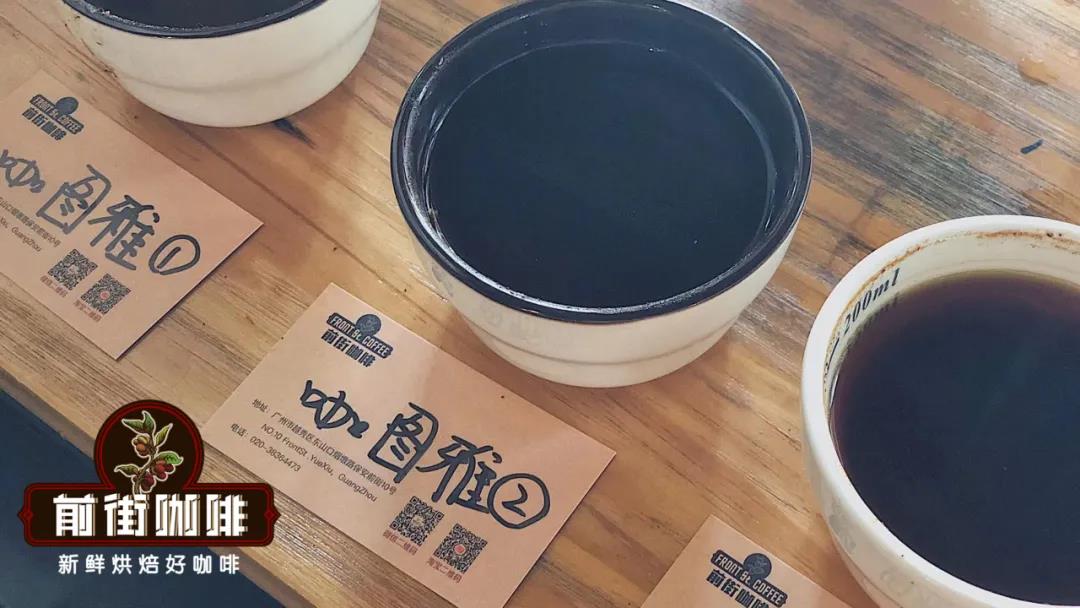
Dry Aroma: Berries
Wet Aroma: Dark plum
Flavor: Dark plum, nectarine, honey, green grapes
FrontStreet Coffee Brewing Experience
Dripper: V60 #01
Water Temperature: 90°C
Dose: 15g
Ratio: 1:16
Grind Size: Medium-fine grind / BG#6S (77% passing a #20 sieve)
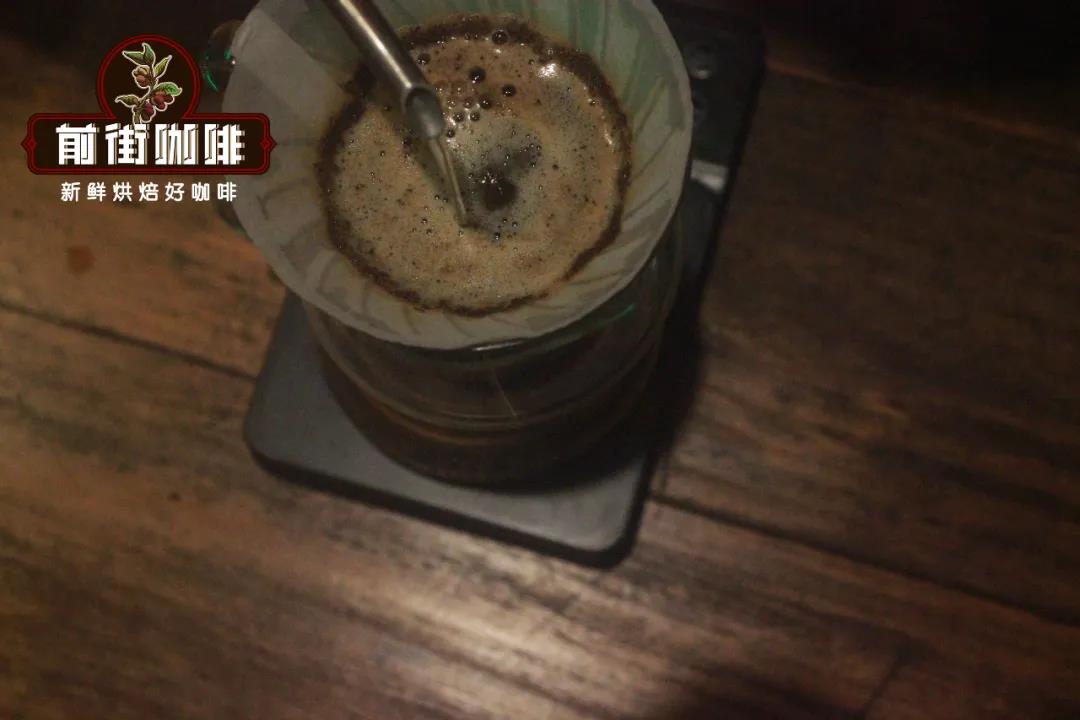
FrontStreet Coffee's brewing method: first wet the filter paper and preheat the dripper and coffee pot. Use 30g of water for a 30-second bloom, then pour with a small circular stream to 130g and pause. When the water level is about to expose the coffee bed, continue pouring to 240g and stop. When the water level is about to expose the coffee bed again, remove the dripper (timing starts from the bloom). Extraction time is 2'01".
Brewing Flavor: The front section has dark plum acidity, the middle section features nectarine and green grapes, with a honey-like aftertaste.
FrontStreet Coffee Recommendation
Kenya is one of the world's great washed origins, and FrontStreet Coffee's Kenya Little Tomato is a perfect companion to this Kaguyu AA. Kenya is famous for double washing its green coffee — essentially repeating the washed process so the juice-like character is pushed to the extreme. The result is vivid cherry tomato, smoked plum, pear, black plum, and yellow sugar aromatics, sweet and tart with a juicy body — one of the most distinctive washed cups in the lineup.
To compare washed styles across origins, FrontStreet Coffee's Yirgacheffe Gedingding is an excellent counterpoint. Because local farms are small, they send their cherries to a cooperative for centralized processing, and Gedingding village's team has deep processing experience; its washed method brings out jasmine florals and bright citrus acidity to the fullest, and after a medium-light roast the coffee adds green tea and honey notes. It works beautifully as pour over, cold brew, or espresso. For a softer, more balanced profile, FrontStreet Coffee's Jamaica Blue Mountain No.1 is a classic: Jamaica's island climate gets relatively less sunshine, so washed processing — removing the skin, pulp, and mucilage before drying to cut moisture and shorten drying time — became the norm, producing translucent beans with a low defect rate. The cup is rich in hazelnut, cream, chocolate, and caramel, so balanced that no single note stands out or falls short.
Important Notice :
FrontStreet Coffee is a long-established specialty coffee roaster in Guangzhou China, selling freshly roasted beans from its own farm in Yunnan as well as dozens of carefully selected single-origin beans from around the world for both pour-over and espresso. The products deliver consistently excellent quality and great value, with shipping within 24 hours. Guangzhou's FrontStreet Coffee shop is recommended by many coffee lovers, and the beans are now available online at the Tmall 。
FrontStreet Coffee has moved to a new address:
FrontStreet Coffee Address: 315,Donghua East Road,GuangZhou
Tel:020 38364473
 Scan and follow the En Gafei WeChat official account. Please indicate that the reprint comes from "En Gafei".