Kenya AA Coffee Beans Brewing Ratios for Nyeri Region Thima Girl Coffee
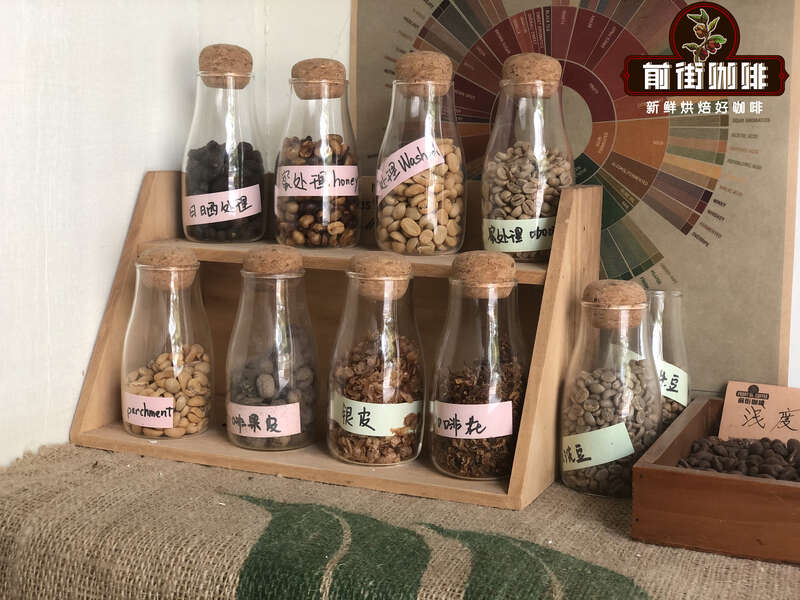
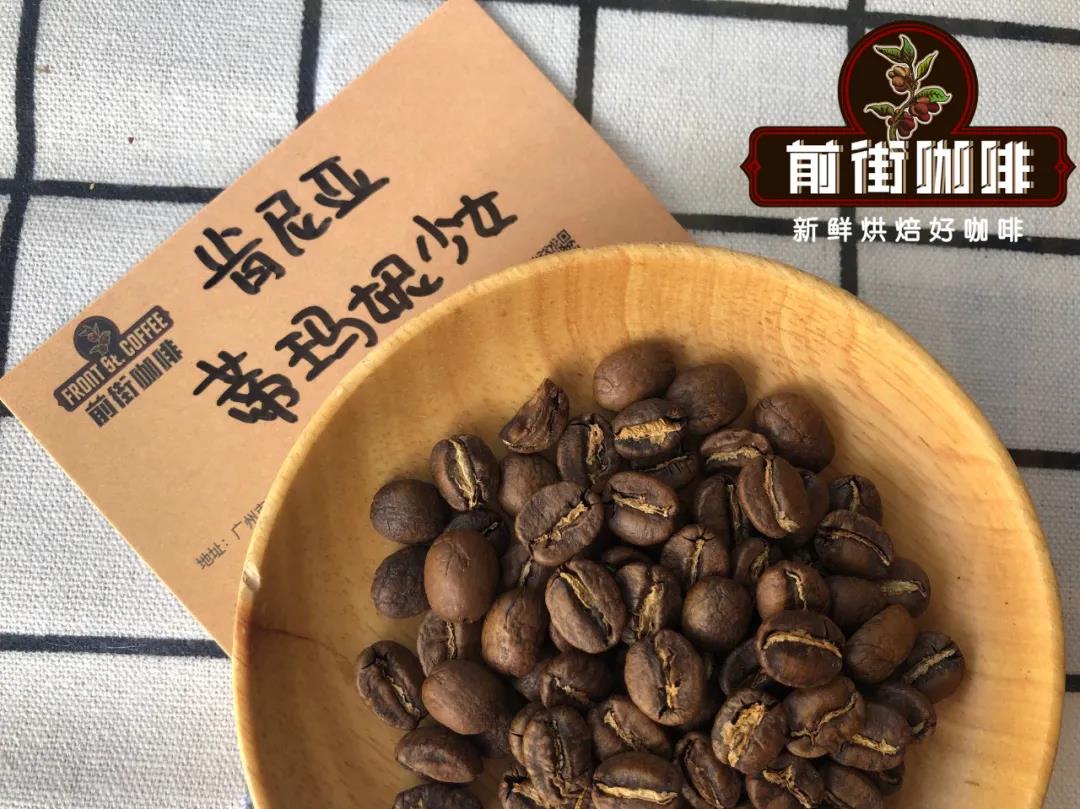
FrontStreet Coffee - Kenya Thiman Girl AA Coffee Beans
Region: Ndima-ini Processing Station, Nyeri
Altitude: 1700-1900m
Variety: SL28 & SL34
Processing: K72 Washed
Harvest Season: 2020
Grade: AA
Nyeri Region
Nyeri lies in the highlands near Mount Kenya and is one of Kenya's most important premium coffee regions. The average altitude exceeds 1500 meters, and many excellent Kenyan coffees come from this area. Nyeri has ample elevation and sits east of the Aberdare Mountains, forming a peninsula between Mount Kenya and Ben Mountain. Its high terrain and fertile soil have made Nyeri a central hub for Kenyan coffee, with well-developed coffee infrastructure.
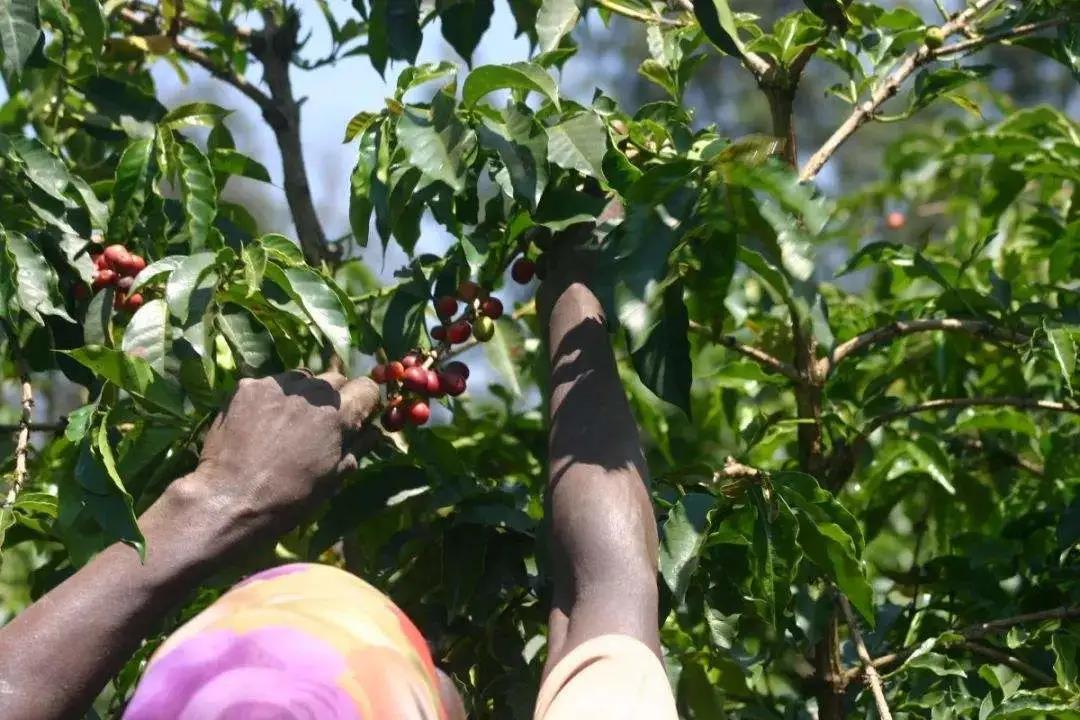
High-altitude Kenyan beans from this region enjoy widespread renown for their quality. Coffees produced here carry dark berry flavors, bright sweet-and-sour notes of black plum, and a delicate, persistent aftertaste. The region has two harvest seasons, and the main one yields higher quality: October to December is the main harvest, while June to August is the secondary harvest.
Ndima-ini Processing Station
This station belongs to the Gakuyu Farmers' Cooperative Society. The Gakuyu Cooperative separated from the large Mathera Cooperative in 1996 to become independent. It operates only two factories, Ndima-ini and Kirigu.
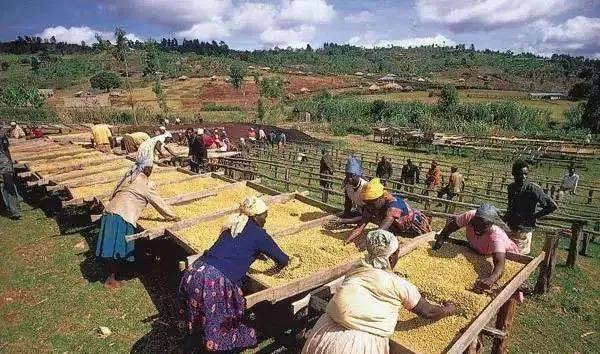
Over the past 20 years, approximately 850 small farmers have delivered ripe cherries to the Ndima-ini Processing Station for the station manager, John Kama, to process. The Kenya Thiman Girl that FrontStreet Coffee acquired departs from the traditional 72-hour fermentation washed method: it undergoes 80 hours of soaking and fermentation on top of the original process, and is then naturally dried on raised beds.
Coffee Varieties
SL28 & SL34
SL28 was selected in 1935 as a single variety from the drought-resistant population of Tanganyika. It suits medium to high altitudes and resists drought, but is sensitive to the major coffee diseases. SL28 beans resemble the Bourbon variety—round and plump—and recent genetic testing has confirmed that SL28 belongs to the Bourbon genetic group.
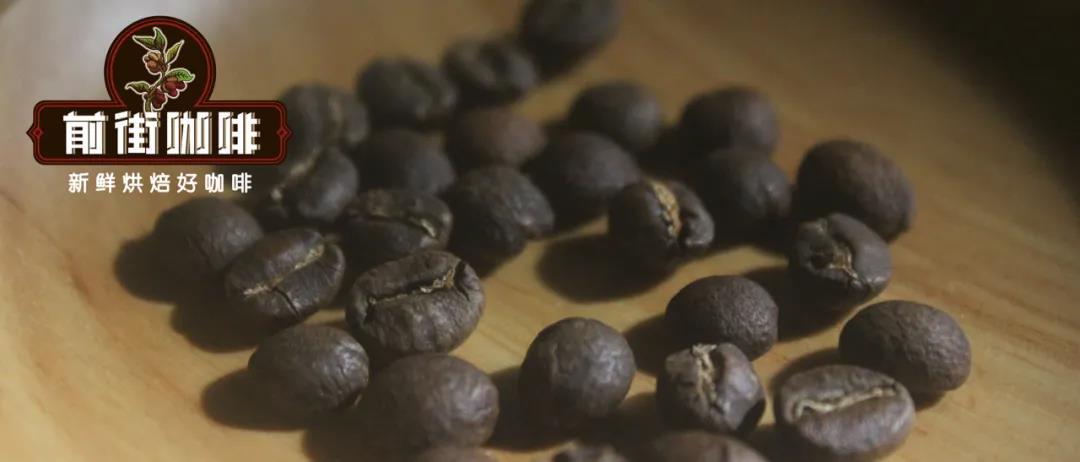
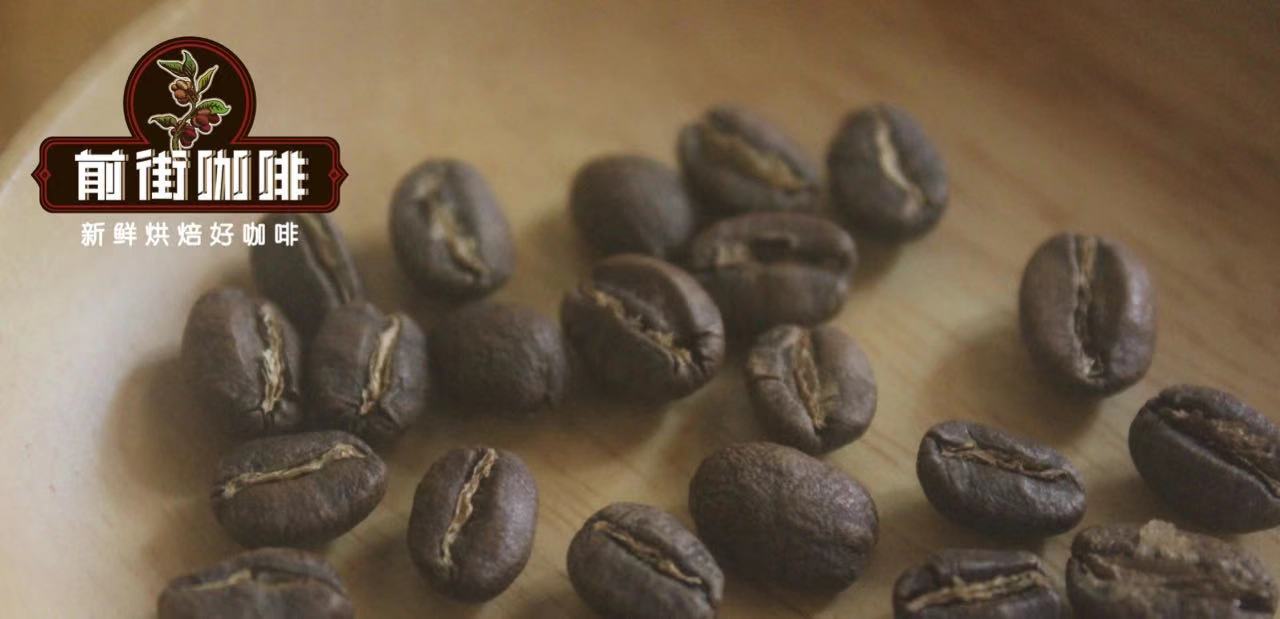
SL34 was initially selected in the late 1930s at the Scott Agricultural Laboratories in Kenya, taken from a tree on the Kabete Loresho estate known as the "French Missionary." SL34 beans resemble the Typica variety. FrontStreet Coffee screens Kenyan beans for those that look like Typica—elongated and oval, and relatively flat when viewed from the side. Recent genetic testing indicates that SL34 is related to the Typica genome.
Coffee Bean Processing Method
K72
Although the information on the lot FrontStreet Coffee acquired states the Kenya 72-hour fermentation washed method, it actually underwent 80 hours of fermentation. Compared with a 72-hour fermentation, this gives the coffee more pronounced acidity.
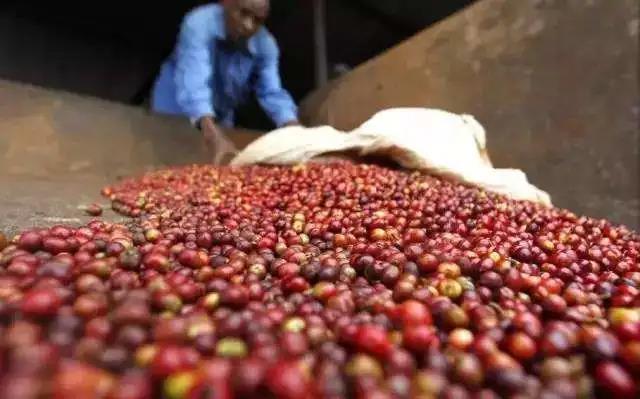
This bean is washed after fermentation, repeatedly. Processing begins on the day of harvest: the best cherries are selected for pulping and fermentation for 24 hours, after which clean river water is used to wash them. Clean river water is then used again for another 24 hours of fermentation, followed by washing. Repeating this cycle three times to reach 72 hours is what makes the Kenyan-style 72-hour fermentation washed process, abbreviated K72. The 80 hours mentioned above is reached by extending each fermentation cycle according to the ambient temperature at the time.
FrontStreet Coffee believes that Kenyan 72-hour fermentation washed beans—fermented for long periods at low temperature and finished with sun drying and dehydration—end up brighter and cleaner while still full in flavor.
FrontStreet Coffee Roasting Suggestions
FrontStreet Coffee's roaster uses a Yangjia 800N semi-direct flame roaster with a batch size of 480g: heat the drum to 165°C before adding beans, with the damper set to 3 and heat at 120. Return temperature point: 1'32". When the temperature rises to 140°C, adjust the damper to 4. Roast until 6'25", when the temperature reaches 153.3°C and the bean surface turns yellow, the grassy smell disappears completely and dehydration is complete.
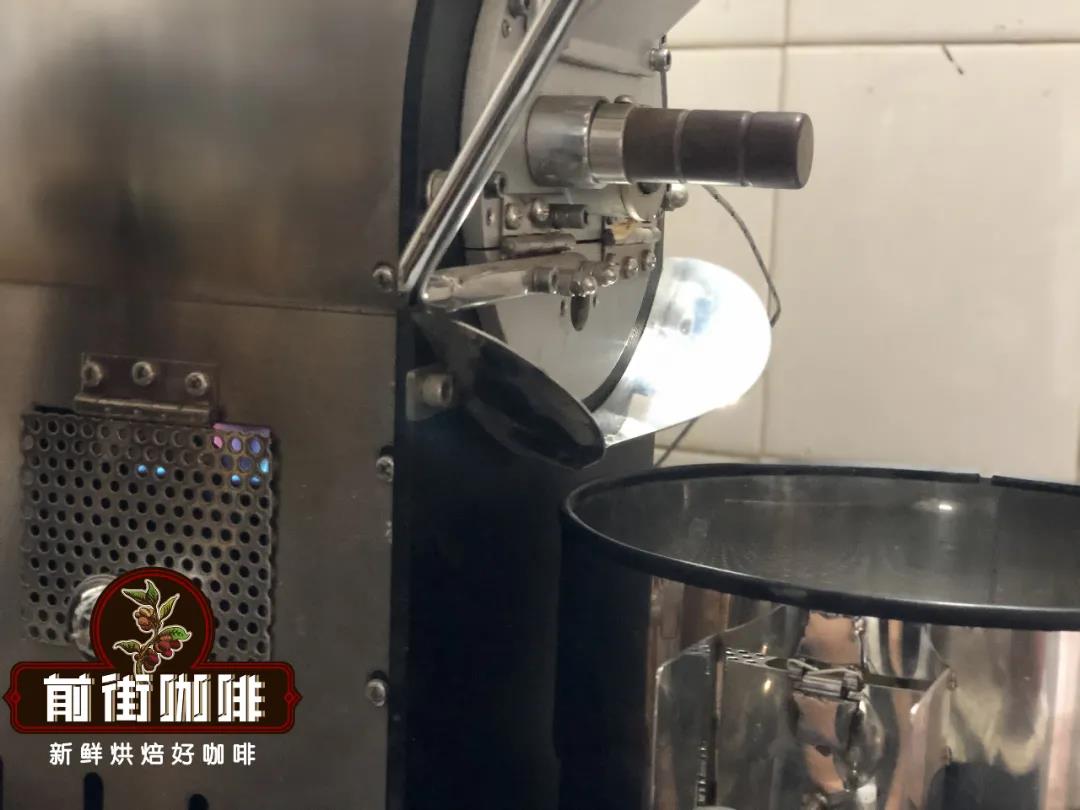
When ugly wrinkles and black spots appear on the bean surface and the toast aroma clearly shifts to coffee aroma, this can be defined as the prelude to first crack. Now listen carefully for the sound of first crack. At 9'56" first crack begins; keep the damper unchanged and reduce heat from 188°C to 90°C. First crack development time is 2'10", and the beans are dropped from the drum at 194°C.
FrontStreet Coffee Cupping Report
FrontStreet Coffee cups samples within 8-24 hours after roasting. Its baristas typically use 200ml ceramic cupping bowls marked with 150ml and 200ml graduations. Following SCAA standards, water TDS is around 150ppm—too low a TDS easily causes over-extraction, while too high a TDS affects mouthfeel and causes under-extraction. Cupping water temperature is 94°C. Grind size is controlled to a 70%-75% pass rate through a #20 standard sieve (0.85mm). The ratio is 11 grams of coffee powder to 200ml of hot water, that is 1:18.18, which extracts a concentration in the golden cup range of 1.15%-1.35%, with an immersion time of 4 minutes.
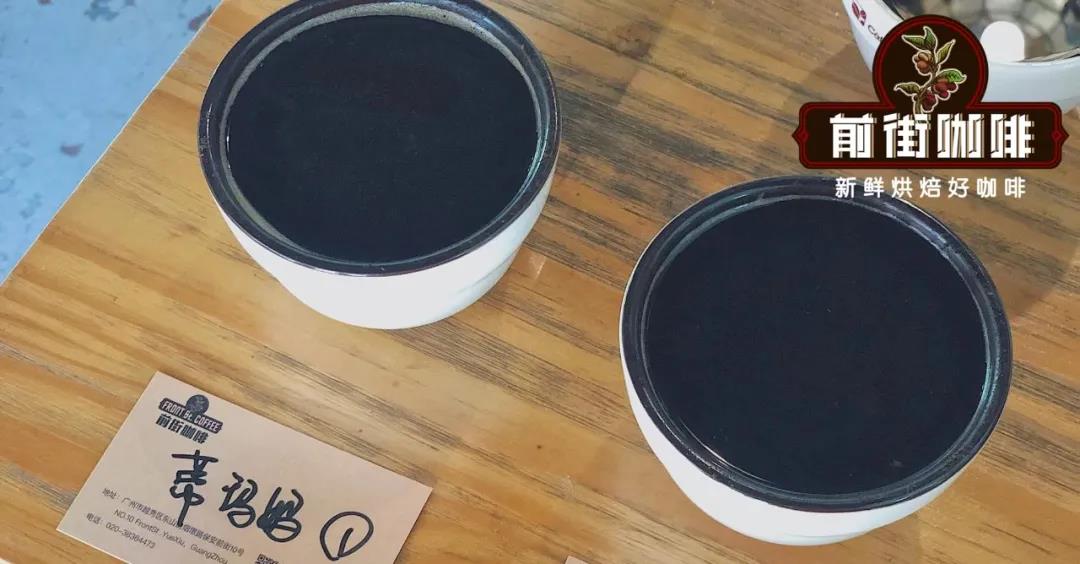
Dry Aroma: Plum
Wet Aroma: Berry
Flavor: Black plum, plum, caramel, cream, grape
FrontStreet Coffee Brewing Experience
Dripper: V60 #01
Water Temperature: 90°C
Dose: 15g
Ratio: 1:16
Grind Size: Medium-fine grind / BG #6S (77% through #20 sieve)
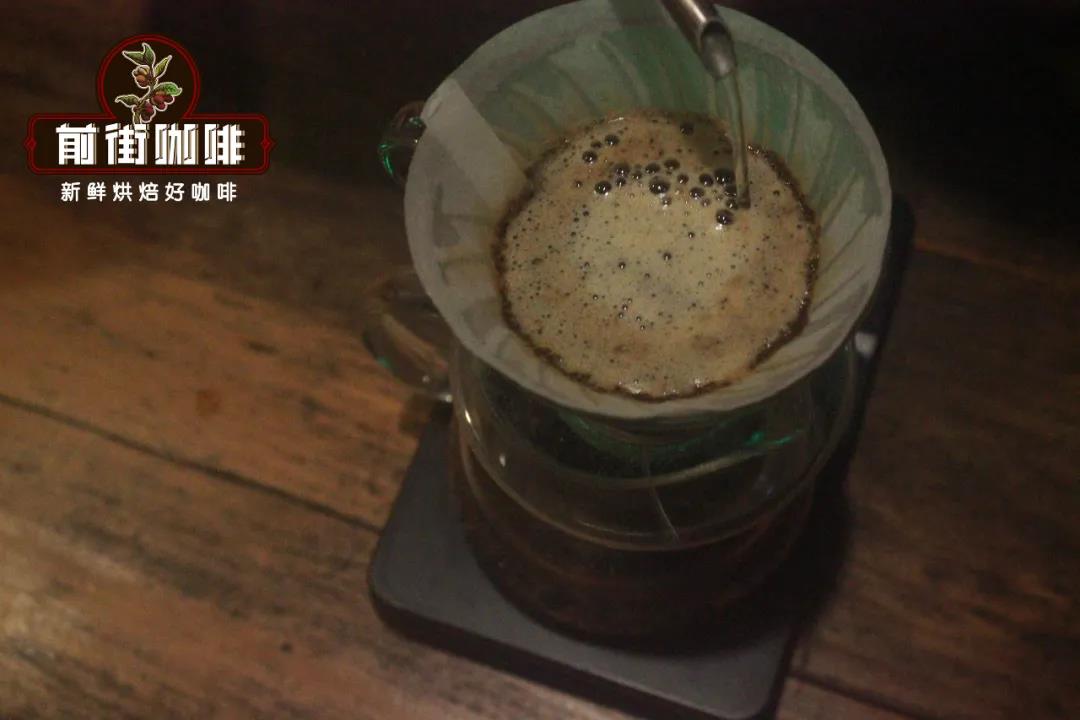
FrontStreet Brewing Method: First wet the filter paper and preheat the dripper and server. Use 30g of water for a 30-second bloom, then pour with a small circular flow to 130g and pause. When the water level drops and the coffee bed is about to be exposed, continue pouring to 240g and stop. When the water level drops and the bed is about to be exposed again, remove the dripper (timing starts from the bloom). Extraction time is 2'00".
Brewing Flavor: Black plum acidity on entry, grape through the middle, and plum's sweet-and-sour note in the aftertaste.
FrontStreet Coffee Recommendation
Washed processing is the technique behind Kenyan coffee's signature clarity, and it is worth understanding before you brew. The method uses water to break down the coffee fruit: flotation, depulping, soaking and fermentation to remove mucilage, washing or further soaking, drying, then hulling. Because the beans spend so long in water, chemical changes consume much of their monosaccharides—fructose and glucose—lowering sugar content while raising organic acids. Washed coffees therefore retain more of the bean's own aroma while showing bright fruit acidity, cleanliness and freshness.
FrontStreet Kenya Cherry Tomato is one of the best-known examples. Kenya is particularly skilled at double washed processing, which repeats the washing step: flotation, soaking the beans in water, washing off residual mucilage, soaking again, drying, hulling and storing. Repeated rinsing and soaking push the juice-like quality to its limit, giving rich notes of cherry tomato, smoked plum, pear and black plum with yellow sugar, a sweet-and-sour, juicy cup that many coffee lovers favor.
FrontStreet Yirgacheffe Guodingding is the other classic washed option. Because smallholders in the area have limited output, they deliver their cherries to cooperatives for unified processing; Guodingding Cooperative is an excellent processing team from Guodingding village, with practiced technique, whose exceptionally refined, clean coffee is what earned it recognition. Washed processing lets Guodingding show its jasmine florals and bright citrus acidity to the fullest, and after a medium-light roast the coffee gives off green tea and honey notes. It suits pour-over, cold brew and espresso.
Washed processing also shaped Jamaica Blue Mountain. Jamaica's island climate brings less sunlight than other origins, and water processing was developed to reduce the risk of beans spoiling: removing skin, pulp and mucilage before drying shortens the drying time and produces brighter, lower-defect beans. That is why FrontStreet Jamaica Blue Mountain No. 1 has such a rich aroma and brews with a pure hazelnut, cream, chocolate and caramel character, balanced so that no single note dominates or falls short.
Important Notice :
FrontStreet Coffee is a long-established specialty coffee roaster in Guangzhou China, selling freshly roasted beans from its own farm in Yunnan as well as dozens of carefully selected single-origin beans from around the world for both pour-over and espresso. The products deliver consistently excellent quality and great value, with shipping within 24 hours. Guangzhou's FrontStreet Coffee shop is recommended by many coffee lovers, and the beans are now available online at the Tmall 。
FrontStreet Coffee has moved to a new address:
FrontStreet Coffee Address: 315,Donghua East Road,GuangZhou
Tel:020 38364473
 Scan and follow the En Gafei WeChat official account. Please indicate that the reprint comes from "En Gafei".