Yirgacheffe Chelelektu High Raised Bed Natural Processed Coffee Beans - Flavor Profile & Brewing Characteristics
Introduction
Ever since Ethiopia adopted the washed processing method in 1972, washed Yirgacheffe has been beloved for its fresh, refined character. But as washed coffee increasingly overshadowed the country's traditional natural process, a coffee merchant launched natural-processed Idido beans in 2006, and natural Yirgacheffe made a striking debut. Riding that wave, the naturals of Beloya and Aricha followed in 2007.
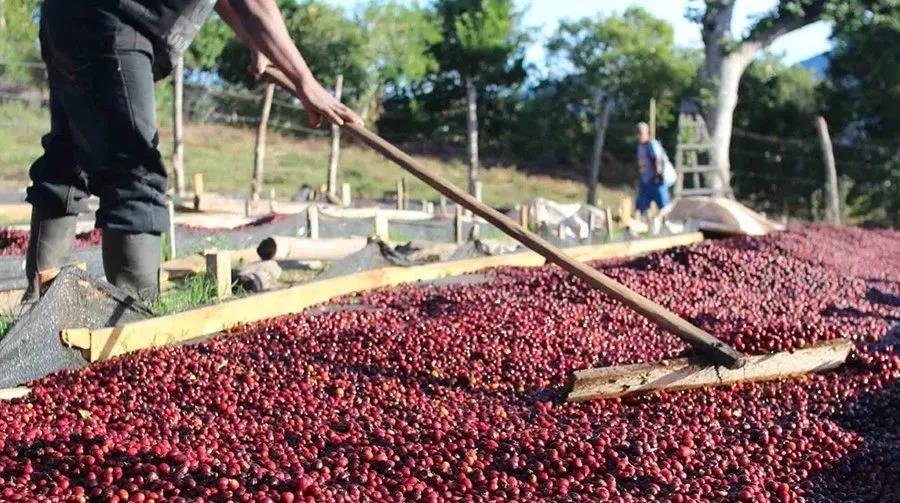
All three of those landmark naturals used raised-bed drying: the cherries are dried on elevated beds, which eliminates the earthy, miscellaneous flavors typical of beans dried directly on the ground. This approach preserved the citrus and floral signature of Yirgacheffe while adding melon sweetness and a bright berry tartness. Natural processing has flourished in Yirgacheffe ever since. Beyond the three famous regions above, the natural coffees of the Chelelektu washing station in Kochere show an even higher level of refinement built on that same raised-bed foundation. FrontStreet Coffee therefore bought this lot for roasting, cupping, and brewing to explore it in depth.
Chelelektu
Chelelektu lies roughly 18 km southwest of Yirgacheffe town in a straight line. Heading south out of town, the elevation climbs steadily until you reach a three-way junction: the right fork leads toward Chelelektu, while the left fork heads southeast toward Gedeb and Wenago. Chelelektu is the largest village in the Kochere area of Yirgacheffe - hardly smaller than Yirgacheffe town itself - and quite a few lots are named after it. The village has two processing plants, and coffee from stations near Chelelektu village may all be sold as Chelelektu coffee.
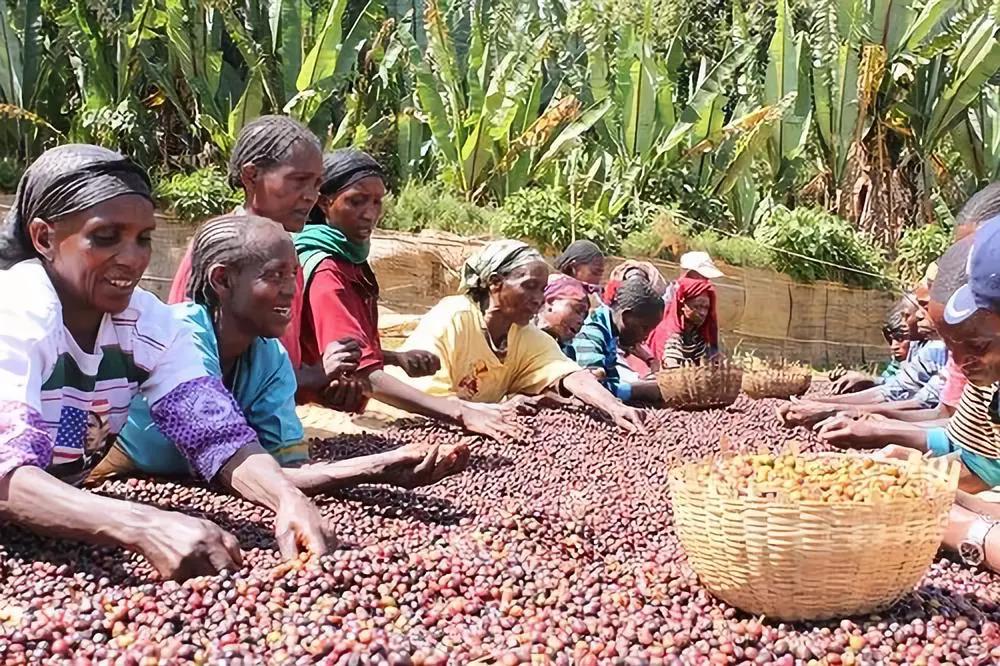
The Chelelektu beans carried by FrontStreet Coffee come from the Mestawot Asefa processing plant, located slightly farther north of the town center - even farther than Beloya. The meticulous natural processing at Chelelektu left a deep impression on FrontStreet Coffee during cupping.
Raised Bed Natural Processing
After harvest, the Chelelektu station carefully controls the stacking thickness of cherries on the raised beds. Depending on the drying stage, materials with different levels of breathability are used as the base layer of the drying beds. Throughout the process, defective and unripe beans are intensively sorted by hand, and movable raised beds allow the crew to adjust the drying according to sunlight and weather. The reward for 15-21 days of this continuous, painstaking care is uniformly colored, beautiful dried cherries. In cupping, FrontStreet Coffee found that this natural Yirgacheffe shows jasmine florals from the high-altitude terroir, a rich juiciness, and fermented tea notes - the overall impression is like drinking a cup of citrus fruit black tea.
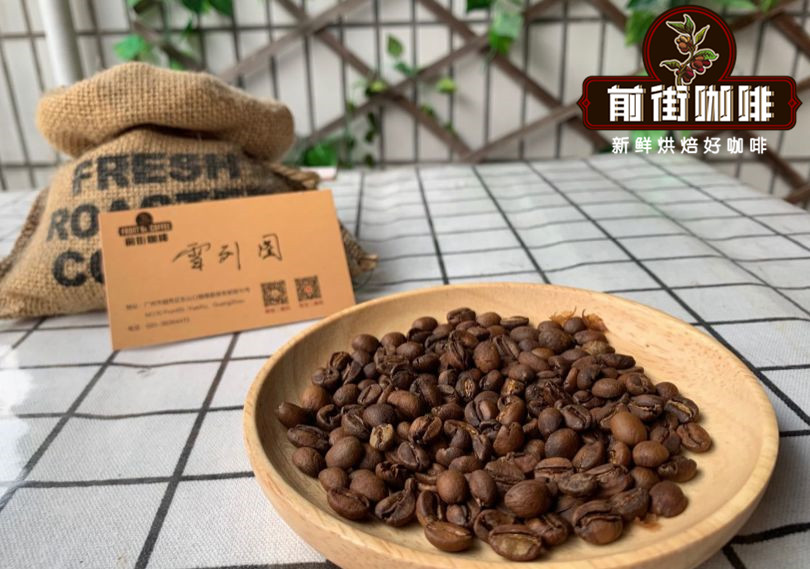
Region: Yirgacheffe, Kochere, Chelelektu
Processing Plant: Chelelektu Mestawot Asefa Processing Plant
Altitude: 1,850 - 2,100m
Variety: Heirloom
Process: Raised Bed Natural
Grade: G1
FrontStreet Coffee's Roasting Recommendations for Chelelektu
FrontStreet Coffee roasts on a Yangjia 800N semi-direct-fire roaster with a 480g batch size: preheat the roaster to 165°C, set the damper to 3, and apply heat to 130. The turning point comes at 1'32". When the temperature rises to 115°C, set the damper to 4. At 5'50", the temperature reaches 151.5°C, the bean surface turns yellow, the grassy smell has completely disappeared, and dehydration is complete.
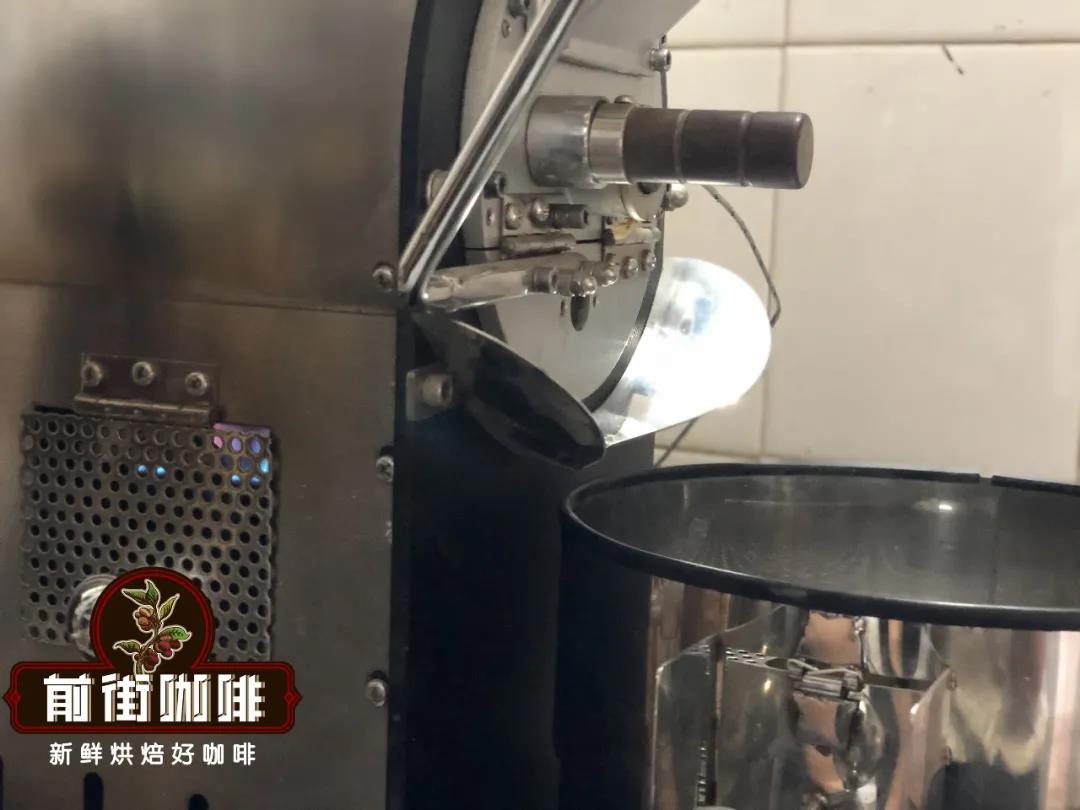
When ugly wrinkles and black spots appear on the bean surface and the toast aroma clearly shifts into coffee aroma, that marks the prelude to first crack - listen carefully from here. First crack begins at 9'15"; keep the damper unchanged and reduce heat from 181°C to 90. Development time after first crack is 1'28", and the beans are dropped at 195°C.
FrontStreet Coffee's Cupping of Chelelektu
FrontStreet Coffee cups sample roasts within 8-24 hours of roasting. Our baristas typically use 200ml ceramic cupping bowls marked at the 150ml and 200ml lines. Following SCAA standards, the water TDS sits around 150ppm - too low invites over-extraction, while too high affects mouthfeel and can cause under-extraction. Cupping water temperature is 94°C. The grind is set for a 70%-75% pass rate on a #20 standard sieve (0.85mm). The ratio is 11g of coffee to 200ml of hot water - 1:18.18 - which yields a concentration right inside the 1.15%-1.35% Golden Cup range, with a 4-minute immersion.

Dry Aroma: Jasmine, citrus
Wet Aroma: Jasmine, berries
Flavor: Jasmine florals, citrus, berries, pomelo peel, black tea
FrontStreet Coffee's Brewing Tips
Dripper: V60 #01
Water Temperature: 91°C
Dose: 15g
Coffee-to-Water Ratio: 1:16
Grind Size: Medium-fine / fine sugar texture (78% pass rate on a #20 sieve)
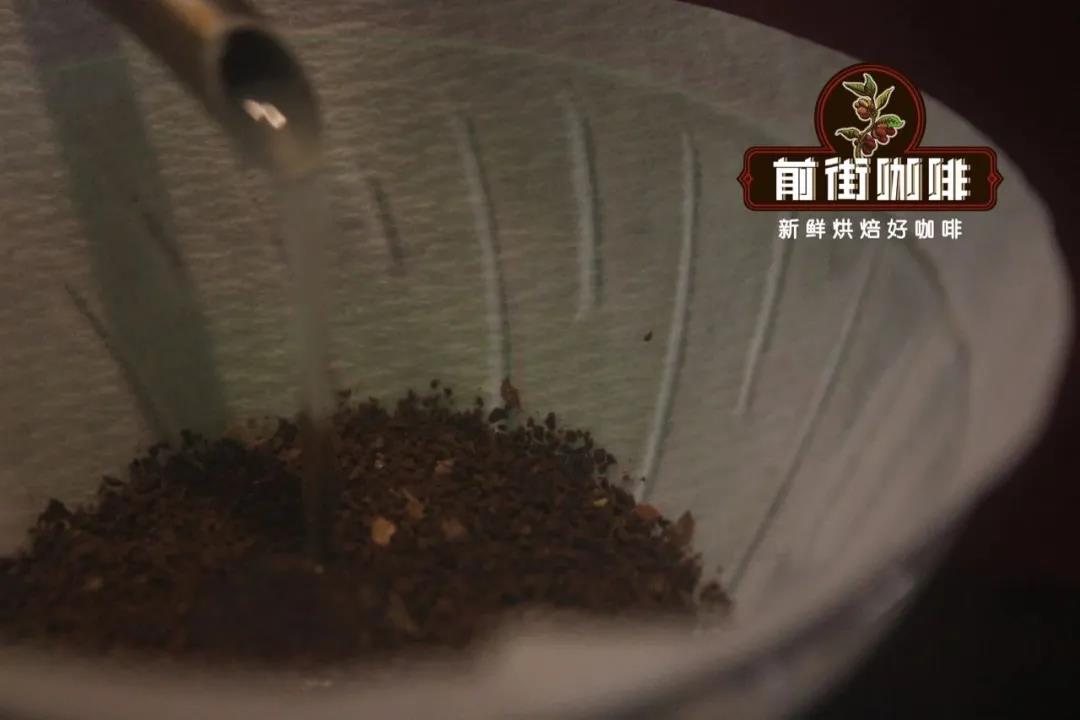
FrontStreet Coffee's brewing method: First rinse the filter paper and preheat the dripper and server. Pour 30g of water for a 30-second bloom. Then pour in small circles up to 130g as a segmented pour. When the water level is about to expose the coffee bed, pour again up to 240g and stop. Once the bed is about to break the surface again, remove the dripper. (Timing starts at the beginning of the bloom.) Total extraction time is 2'08".
In the cup: jasmine florals, sweetness of citrus and berries, a clean sucrose sweetness with bergamot, a slight astringency from pomelo and orange peel, and a black tea finish.
FrontStreet Coffee Recommendation
If this raised-bed natural from Chelelektu charms you, FrontStreet Coffee's own Yirgacheffe lineup is the natural next step. The FrontStreet Washed Yirgacheffe - the go-to daily cup - offers white jasmine, bright citrus and lemon acidity, and a tea-like finish, while the FrontStreet Red Cherry natural applies full-ripe sun-drying to classic Yirgacheffe terroir, layering tropical fruit, berry juiciness, honeyed sweetness, and a creamy smoothness over that unmistakable citrus acidity. Both make an ideal introduction to Ethiopia's most celebrated region.
Important Notice :
FrontStreet Coffee is a long-established specialty coffee roaster in Guangzhou China, selling freshly roasted beans from its own farm in Yunnan as well as dozens of carefully selected single-origin beans from around the world for both pour-over and espresso. The products deliver consistently excellent quality and great value, with shipping within 24 hours. Guangzhou's FrontStreet Coffee shop is recommended by many coffee lovers, and the beans are now available online at the Tmall 。
FrontStreet Coffee has moved to a new address:
FrontStreet Coffee Address: 315,Donghua East Road,GuangZhou
Tel:020 38364473
 Scan and follow the En Gafei WeChat official account. Please indicate that the reprint comes from "En Gafei".