Characteristics of Kenya Nyeri Gathaithi Coffee Beans and Pour-Over Coffee-to-Water Ratio Guide
For more professional coffee knowledge and coffee bean information, follow Coffee Workshop (WeChat public account: cafe_style).
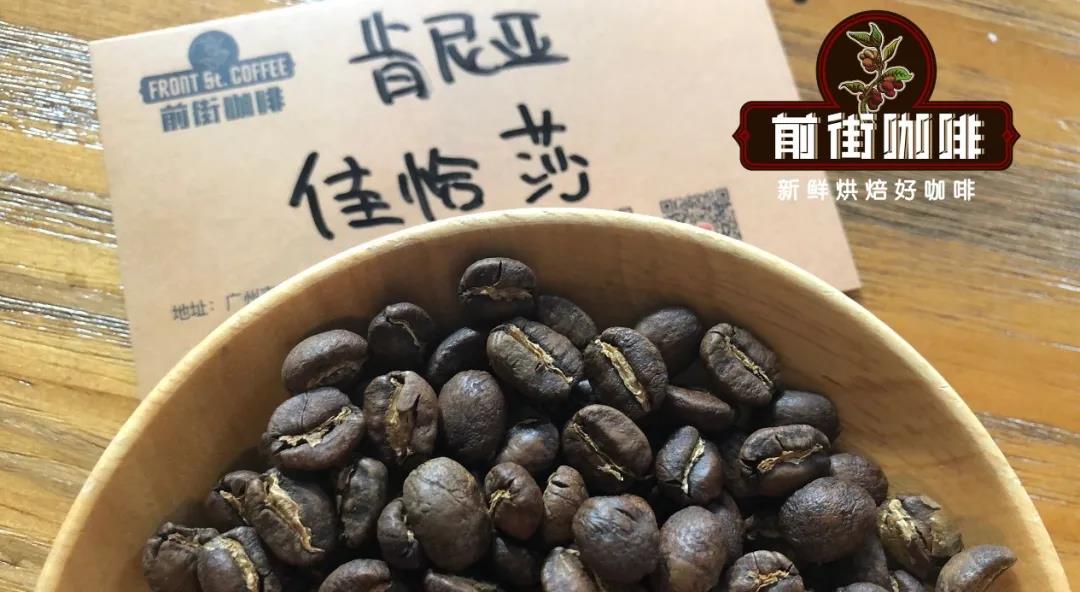
FrontStreet Coffee: Kenya Gachatha Cooperative AB Coffee Beans
Origin: Kenya, Nyeri, Gachatha Cooperative
Processing Station: Gathaithi Processing Station
Altitude: 1825m
Varieties: SL28 & SL34
Processing Method: K72 Washed
Harvest Season: 2020
Grade: AB (coffee bean size between 15-16 mesh)
Nyeri Region
Nyeri sits in the highlands near Mount Kenya and is one of Kenya's most important premium coffee regions. Average altitude exceeds 1500 meters, and many outstanding Kenyan coffees come from this area. Nyeri's elevation, its position east of the Aberdare Mountains on the peninsula between Mount Kenya and Ben Mountain, and its fertile soil together make it a central hub for Kenyan coffee, with well-developed coffee industry infrastructure.

Gachatha Cooperative
The Gachatha Farmers Cooperative Society is based in Giakanja village, in the Nyeri and Karundu districts. It runs a factory of the same name and counts 1080 smallholder farmers. The cooperative and its main branch hold 160 hectares of coffee, mostly traditional varieties — SL28 and SL34 — while some farmers also grow small amounts of the R11 and Batian varieties. The Gachatha Cooperative beans sourced by FrontStreet Coffee are SL28 and SL34.
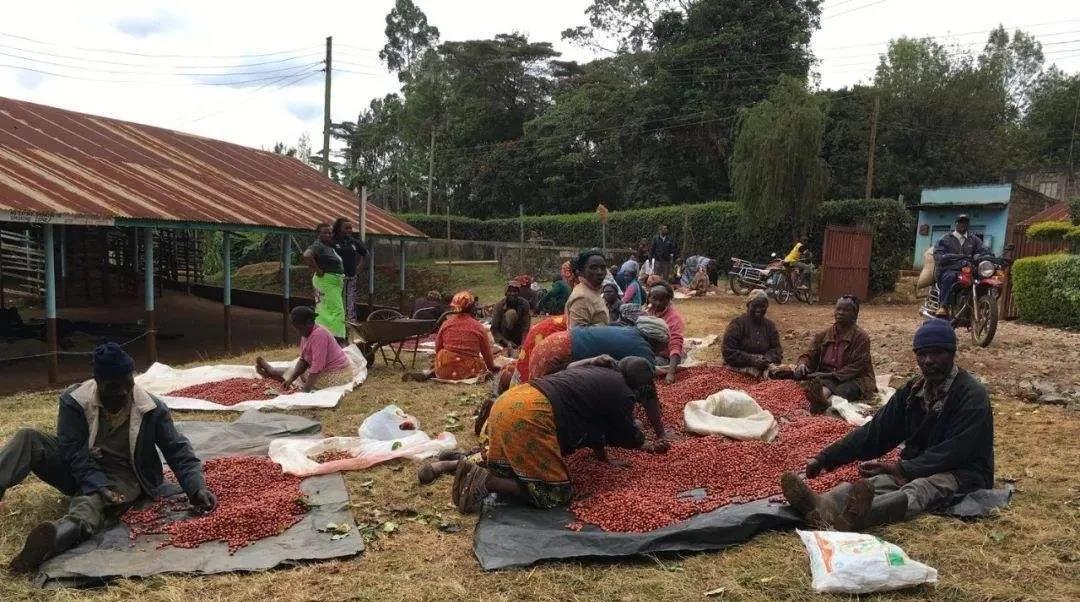
The factory employs one full-time manager and a committee of nine members. The cooperative provides annual training for both the manager and the farmers, and members get priority when paying their children's school fees, buying farm inputs and hiring manual harvest labour.
Gathaithi Processing Station
The Gathaithi Processing Station is located in the Tetu area of Kenya's most renowned Nyeri region, covered in mineral-rich, naturally blessed red volcanic soil. Annual rainfall is 1,100mm, and the temperature stays cool and dry between 16-22°C all year round.
72-Hour Fermentation Washed Processing (K72)
The 72-hour fermentation washed method, as the name suggests, runs a fermentation process that totals 72 hours. Kenyan washed processing uses a cyclic, repeated pattern of fermenting then washing. On harvest day the highest-quality cherries are selected for pulping and fermentation, with a fermentation time of 24 hours, after which clean river water is used to wash them.
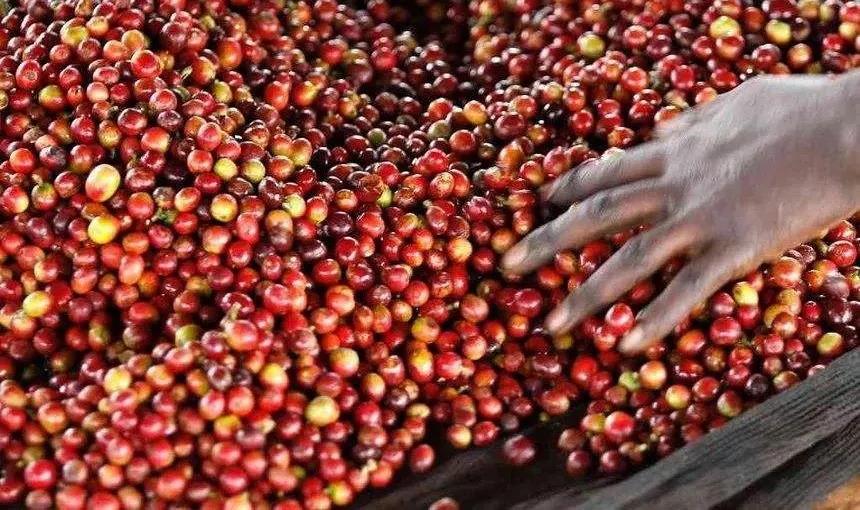
Fermentation then continues for another 24 hours in clean river water, followed by another wash. The cycle repeats three times, reaching 72 hours, which is why it is called the Kenyan 72-hour fermentation washed method, abbreviated K72.
Coffee Varieties: SL28 & SL34
In 1930, the distinctive Kenyan varieties SL28 and SL34 were cultivated and named by Scott Laboratories. They grow in good native forest environments. SL28 was originally bred to mass-produce coffee beans combining high quality with resistance to pests and disease. Although its yield never reached the expected volumes, its copper-colored leaves and broad, bean-shaped fruit deliver wonderful sweetness, balance and complex, varied flavors with pronounced citrus and plum character.
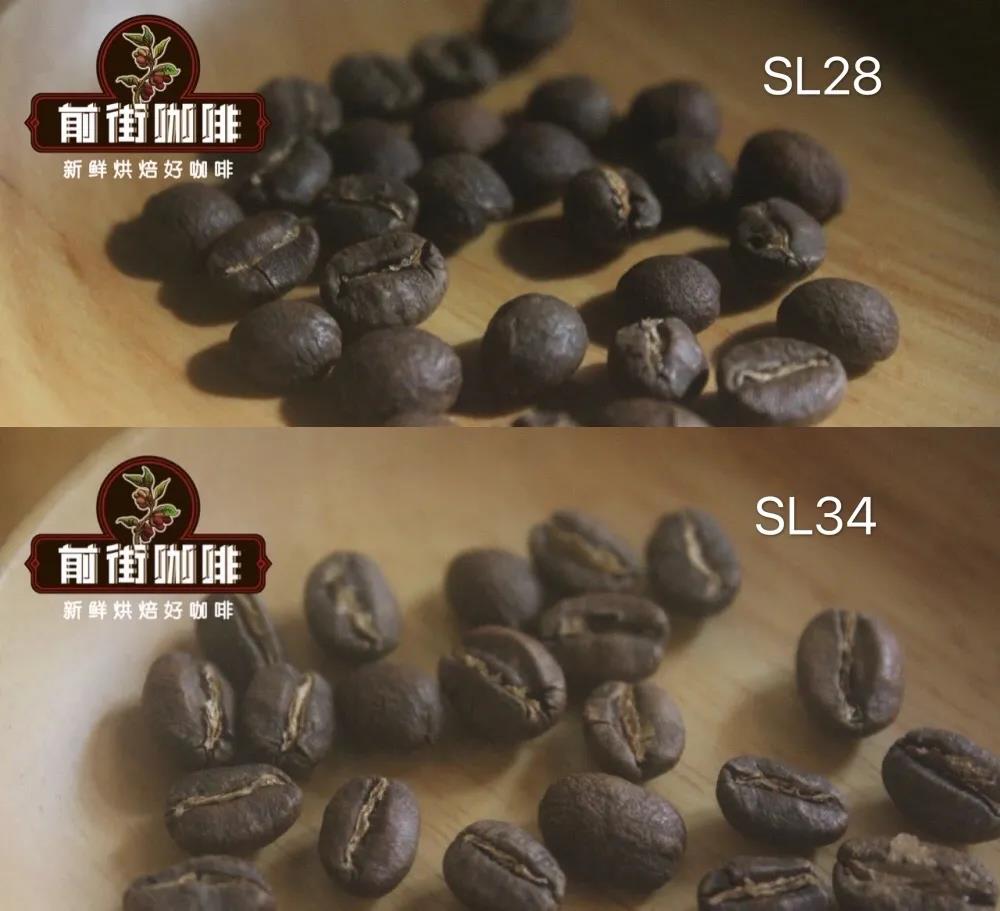
SL34 carries more French Mission, Bourbon and Typica lineage. Its bean appearance is similar to SL28, but it adapts better to sudden heavy rain.
SL34 also tastes similar to SL28. Beyond its complex, varied acidity and wonderful sweet finish, it has a heavier, richer body than SL28 and drinks cleaner.
FrontStreet Coffee Roasting Recommendations
FrontStreet Coffee's roaster uses a Yangjia 800N semi-direct flame roaster with a 480g batch size: heat the drum to 165°C, add the beans, set the damper to 3 and the flame to 120. The return temperature point is 1'28". When the temperature rises to 113°C, set the damper to 4. Roast to 6'00" at 151.4°C, when the bean surface turns yellow, the grassy aroma disappears completely and dehydration is complete.
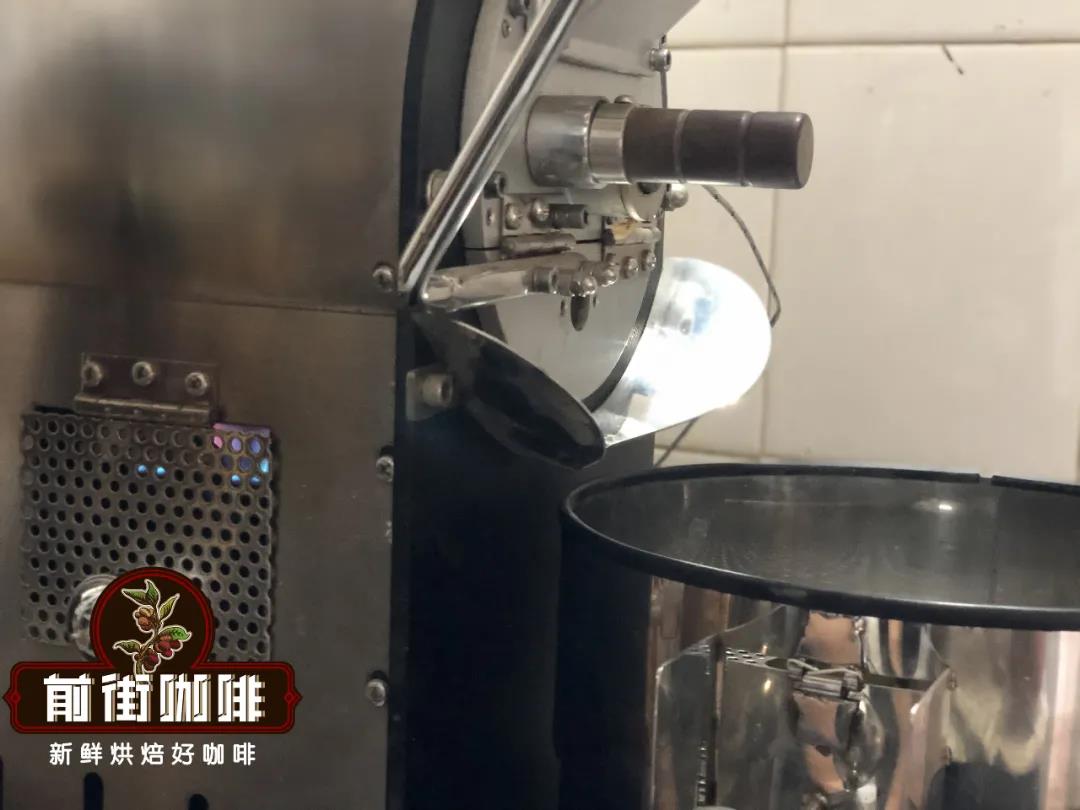
When ugly wrinkles and black spots appear on the bean surface and the toast aroma clearly shifts to coffee aroma, this marks the prelude to first crack. Listen carefully for the sound. First crack begins at 9'50"; keep the damper unchanged, reduce the flame from 188°C to 90, develop through first crack for 1'40", and discharge at 191°C.
FrontStreet Coffee Cupping Report
FrontStreet Coffee cups sample beans 8-24 hours after roasting. Its baristas typically use 200ml ceramic cups, with cupping water at 94°C. Grind size is controlled so that 70%-75% passes a #20 standard sieve (0.85mm). The ratio is 11g of coffee to 200ml of hot water, that is 1:18.18, extracting a concentration in the golden cup range of 1.15%-1.35%, with a steeping time of 4 minutes.
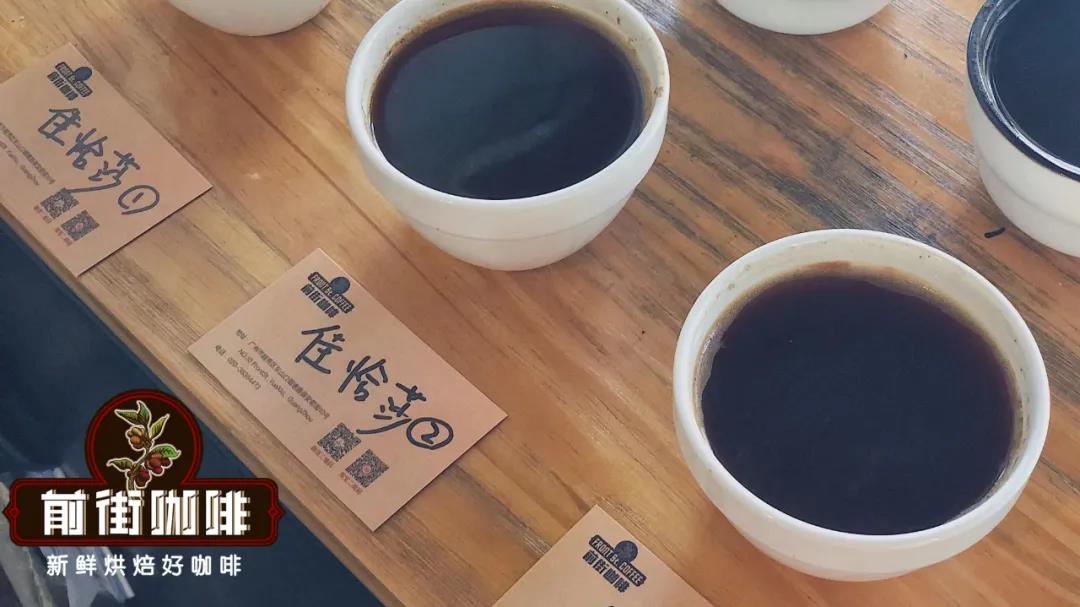
Dry Aroma: Citrus
Wet Aroma: Plum
Flavor: Citrus, plum, honey, grape, tea-like sensation
FrontStreet Coffee Brewing Tips
Dripper: V60 #01
Water Temperature: 90°C
Dose: 15g
Ratio: 1:15
Grind Size: Medium-fine (80% passing through a #20 sieve)

FrontStreet Coffee Brewing Method: First wet the filter paper and preheat the dripper and the coffee pot. Use 30g of water for a 30-second bloom. With a small water flow, pour in a circular motion to 130g, then pause. When the water level drops and is about to expose the coffee bed, continue pouring to 240g and stop. Wait for the water level to drop again and remove the dripper just before the bed is exposed. Timing starts from the bloom, and the extraction time is 2 minutes and 2 seconds.

[FrontStreet Coffee Kenya Gachatha Cooperative] Brewing Flavor: Citrus acidity up front, plum and grape in the middle, and a finish of honey green tea.
For more specialty coffee beans, add FrontStreet Coffee's private WeChat: kaixinguoguo0925.
FrontStreet Coffee Recommendation
Kenyan coffee is bold enough to need a brewer that can keep up, and the V60 is the tool most experienced baristas suggest for a beginner who wants something practical, easy to handle and good-looking. Hario, the company that designed the V60, was founded in Tokyo in 1921 and is a well-known Japanese glassware maker that originally built heat-resistant glass instruments for research institutions; the heat-resistant glass server usually paired with pour-over is one of its popular products. In 2004 Hario redesigned the V60's prototype into something closer to the shape we know, named it after its distinctive 60° cone angle and "V" profile, and launched it a year later. Compared with other drippers, the conical 60° design forces water to travel to the center before dropping into the server, lengthening contact with the coffee bed so aroma and flavor extract fully. Its signature single large hole lets water flow without obstruction, which means flow rate depends largely on the brewer's pour control and shows up directly in the cup. Before the millennium, the market favored medium-dark roasts and cups built around body, high sweetness and lingering caramelized flavors, which siphon and cloth filters expressed well; the third wave shifted tastes toward terroir and lighter roasts — Ethiopian white florals, Kenyan berry acidity — and the V60's fast extraction is exactly what makes those layered aromas and lively acidity shine. That is why floral and fruit-forward coffees brewed on a V60 are so rewarding.
Kenya itself is a classic V60 origin, and FrontStreet Coffee's Kenya Cherry Tomato is the clearest example: a Kenyan specialty washed bean whose core character is bright cherry tomato and smoked plum acidity with a full, juicy body, which makes it a favorite with drinkers who like lively fruit acidity and complexity. It comes from Kenya's Thika region, grown at 1550-1750 meters, planted with the classic local SL28 and SL34 varieties, and the beans are plump and rounded. Processing uses Kenya's signature 72-hour double-wash fermentation, which draws out the fruit while keeping the cup clean and pure, and FrontStreet roasts it light to preserve the lively acidity and layered fruit as far as possible. Dry, it already smells of dried cherry tomato and florals; in the mouth there is clear cherry tomato and smoked plum, solid and bright acidity with the fullness of freshly squeezed juice, a pronounced sweetness through the middle with fresh snow pear and black plum, and a clean, long finish carrying brown sugar sweetness and a faint green tea note. The whole cup balances sweet and sour with very high definition.
Other fruit-forward coffees suit the same dripper. FrontStreet Coffee's Yirgacheffe Gutingtin is the classic first stop, with bright citrus, berry and floral notes and a green tea-like sweetness; the Sidamo Huakui is one of the great specialty successes of recent years, with a tropical fruit aroma so prominent that strawberry, passion fruit, jackfruit and even lychee come through, obvious sweetness and almost no bitterness, which is why some call it the coffee that does not taste like coffee. The Strawberry Candy Geisha Blend brings a Geisha-like profile at a friendlier price, and the Mozart, with its raisin character, is another natural fit. Given how many V60 materials exist today — resin, ceramic, glass, copper, stainless steel — the material affects looks, weight and heat retention, and so makes subtle differences to extraction, but the structural design stays the same. FrontStreet favors the resin Hario V60 in particular: resin blocks heat loss effectively, and in standard industrial production it is the easiest material to mold with the smallest tolerance.
Important Notice :
FrontStreet Coffee is a long-established specialty coffee roaster in Guangzhou China, selling freshly roasted beans from its own farm in Yunnan as well as dozens of carefully selected single-origin beans from around the world for both pour-over and espresso. The products deliver consistently excellent quality and great value, with shipping within 24 hours. Guangzhou's FrontStreet Coffee shop is recommended by many coffee lovers, and the beans are now available online at the Tmall 。
FrontStreet Coffee has moved to a new address:
FrontStreet Coffee Address: 315,Donghua East Road,GuangZhou
Tel:020 38364473
 Scan and follow the En Gafei WeChat official account. Please indicate that the reprint comes from "En Gafei".