2020 Ethiopia COE #22 Sidamo Arsi Natural Typica Coffee Brewing Flavor
Ethiopia's Cup of Excellence (COE) has long been one of the most highly regarded competitions in the coffee industry. In the 2020 Ethiopia COE competition, 28 coffees stood out with scores above 87 points. Among them, the three coffees scoring over 90 points all came from the Sidamo region. FrontStreet Coffee secured 22nd place with a natural processed Typica from Sidamo Arsi, grown by Adem Banta Sute, scoring 87.64 points.
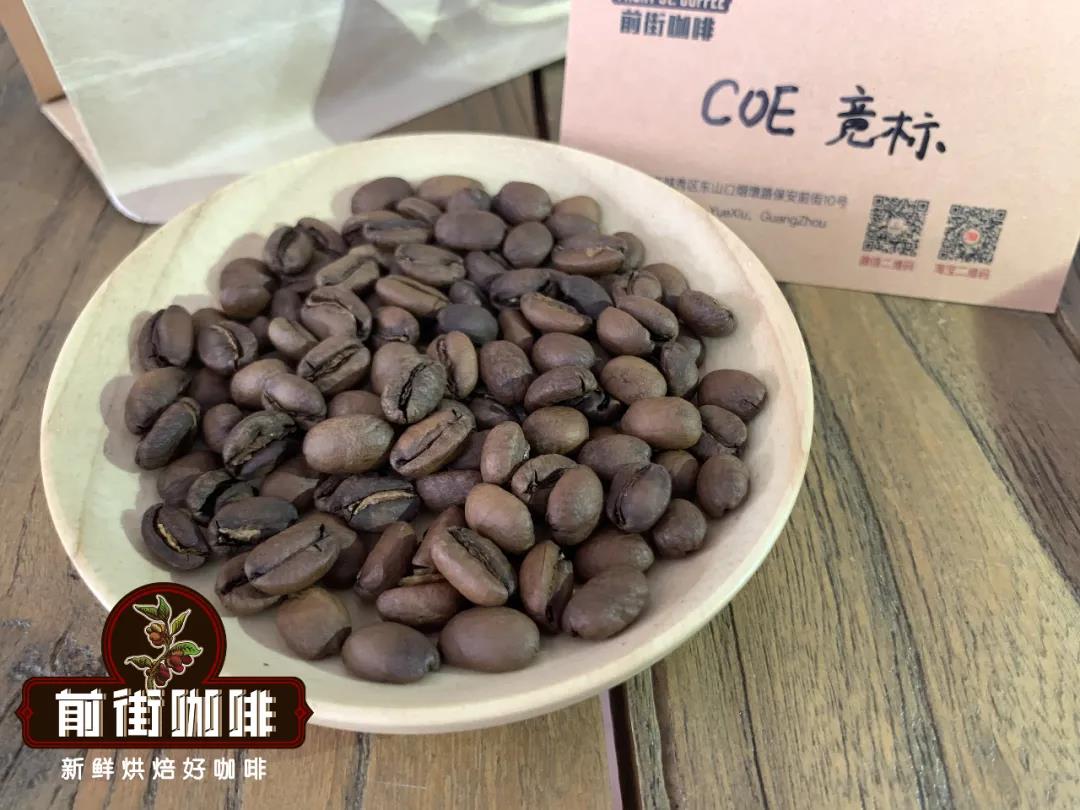
FrontStreet Coffee - Ethiopia COE #22
Region: Ethiopia, Sidamo, Arsi
Producer: Adem Banta Sute
Processing: Natural Process
Variety: Typica
West Arsi
West Arsi lies between the famous Yirgacheffe coffee growing area and Hararge, at an altitude of 1900-2200m, in the western part of the Sidamo region. The area's name comes from a branch of the Oromo people who have long inhabited the region.
West Arsi consists of three woredas, the third-level administrative divisions in Ethiopia: Arsi, Bale, and East Shewa. Approximately 88.52% of West Arsi's population are Oromo, which matters in coffee history because they were the first people in human history to drink coffee. Ethiopia produces half of its coffee from this region.
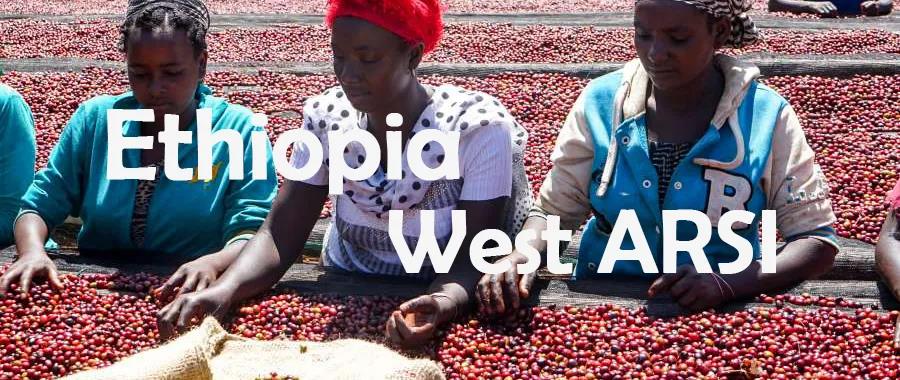
Coffee cultivation in West Arsi follows a smallholder model, with average farms ranging from 2-3 hectares, slightly larger than the typical 1.5-2 hectares found in most Ethiopian coffee regions. Coffee cultivation techniques are still developing, but West Arsi's farming technology is advancing rapidly compared with other regions. Farmers do not need to hire temporary or full-time workers; instead they harvest with family help. That gives them better control over quality, and processing stations typically pay premiums for fully ripe red cherries, which greatly motivates the farmers.
A Father Who Has Spent His Life in the Coffee Fields
Adem Banta Sute
He is a 60-year-old father with 28 children, and he describes himself this way: "I grew up on a coffee farm and have been farming my whole life. This competition ranking is a reward for my efforts."
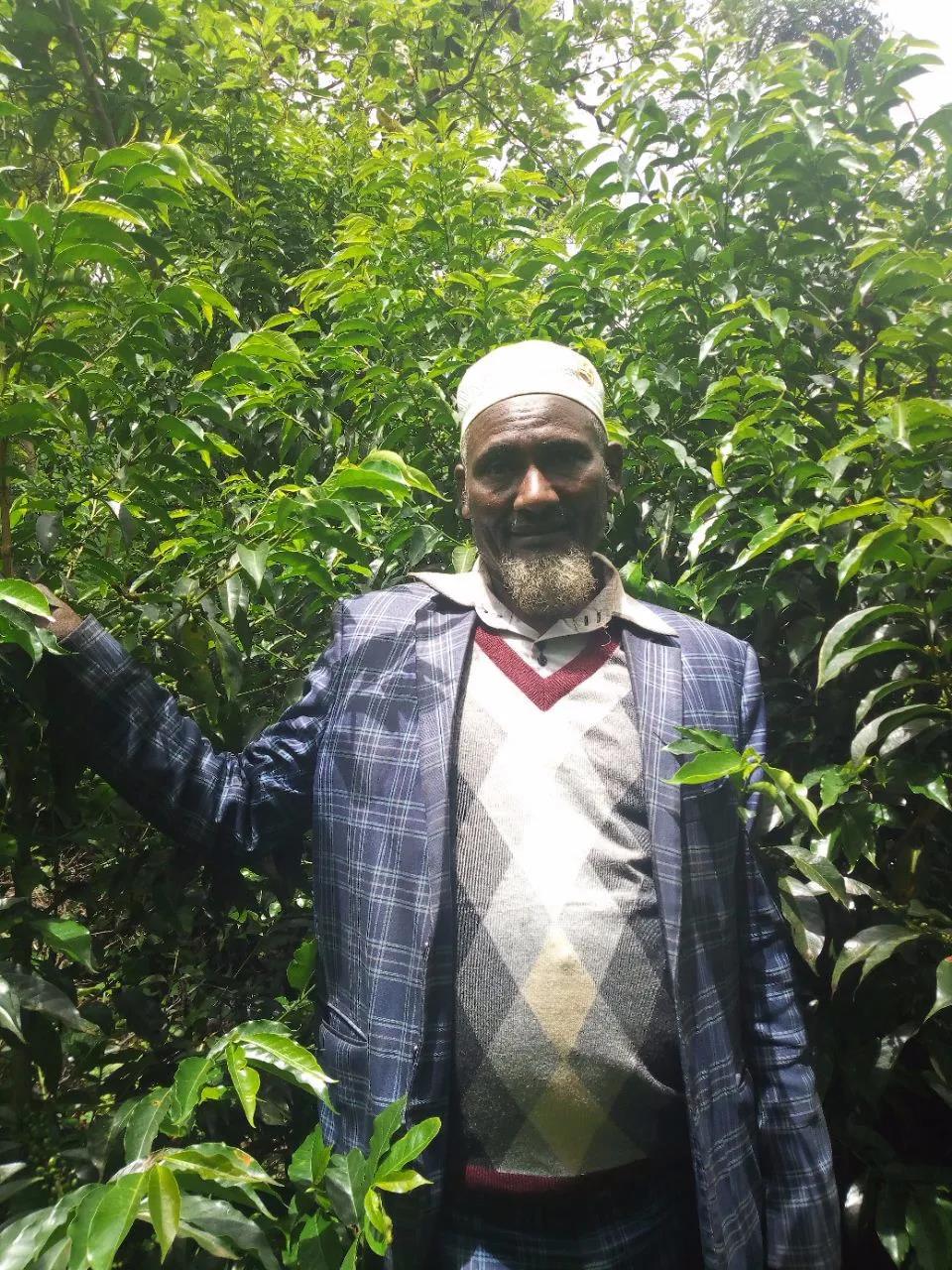
Adem Banta Sute produced 4,500 kg of coffee on his 6-hectare farm. Before winning this year's award, he sold coffee to local merchants. "I have never entered the export market because I didn't have the opportunity, but this competition might introduce me to the global market, which brings great hope for me and my family."
Typica Variety
The beans FrontStreet Coffee acquired at this auction, ranked COE #22, are identified as Typica in the official information.
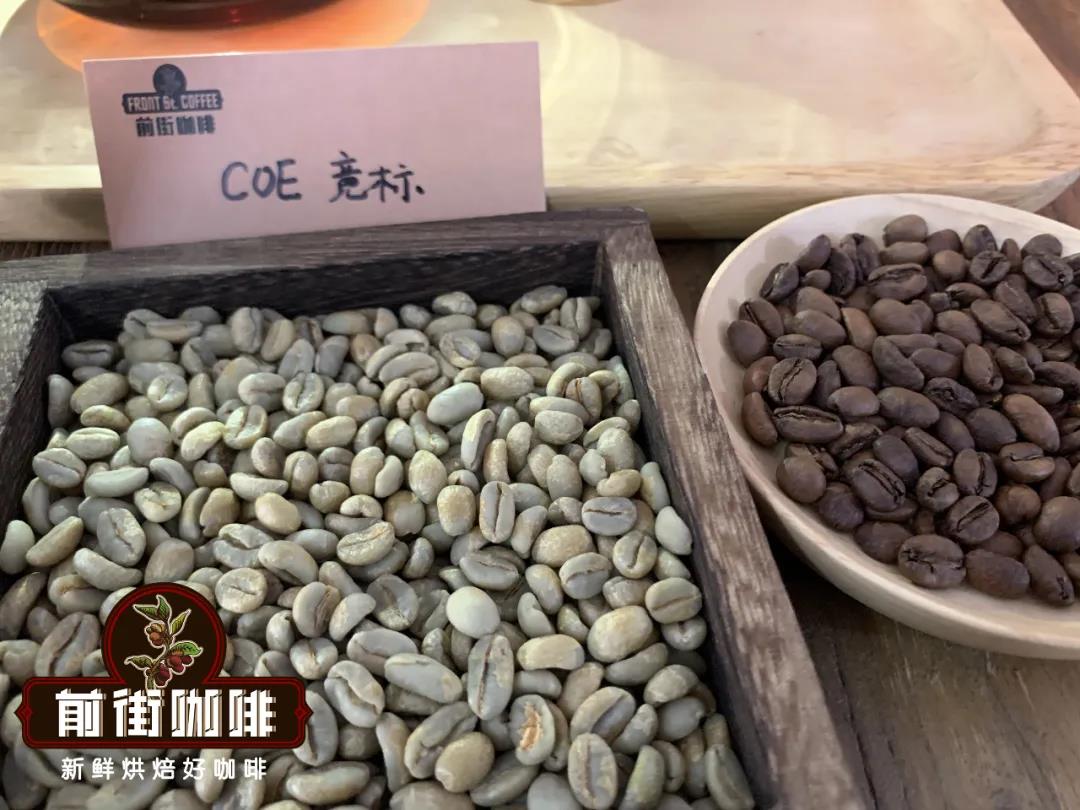
Typica is Ethiopia's oldest native variety, and all Arabica coffee originates from it. Typica plants have bronze-colored young leaves and oval or slender-pointed beans. They offer elegant flavors but have a weak constitution, poor disease resistance, and low yields. Through cupping Typica from different origins, FrontStreet Coffee has found that no matter where it is grown, Typica carries its characteristic delicate, clean flavor, balanced profile, and mouthfeel that have spread throughout coffee growing regions worldwide.
Natural Process
This COE #22 coffee was processed using the natural method. In Ethiopia, over 70% of coffee cherries are processed naturally. The traditional approach has farmers drying cherries in their courtyards, on rooftops, or even along roadsides, since this costs far less than washed processing. That rough handling was one reason for the inconsistent quality of early Ethiopian natural coffees.
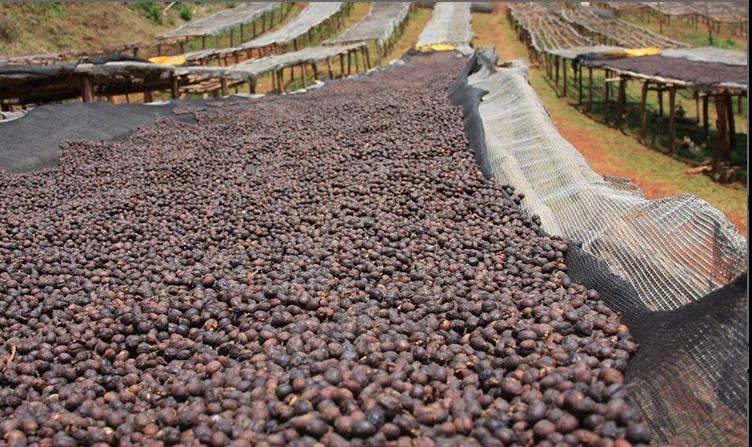
Natural coffees processed through cooperatives and washing stations offer more stable quality, but producing excellent natural coffee still demands tremendous effort. Before moisture content drops to 25%, the cherries must be turned evenly by hand every 30-60 minutes to avoid unpleasant over-fermentation flavors, which drives up the labor cost of natural processing.
Add weather risk and longer processing times, and producing high-quality natural beans requires more people and resources. Judging by the scores of the top 28 natural processed coffees in this COE competition, excellent natural processing is indeed a method where risk and reward go hand in hand.
FrontStreet Coffee Roasting Records
FrontStreet Coffee's roaster used a Yangjia 800N semi-direct flame roaster with a batch size of 480g. The beans were loaded at a drum temperature of 170°C with 130 heat power and the damper at setting 3. The temperature returned to 100.2°C at 1'32", with heat unchanged. At 3 minutes the damper was adjusted to 4, and at 4 minutes the heat was increased to 140.
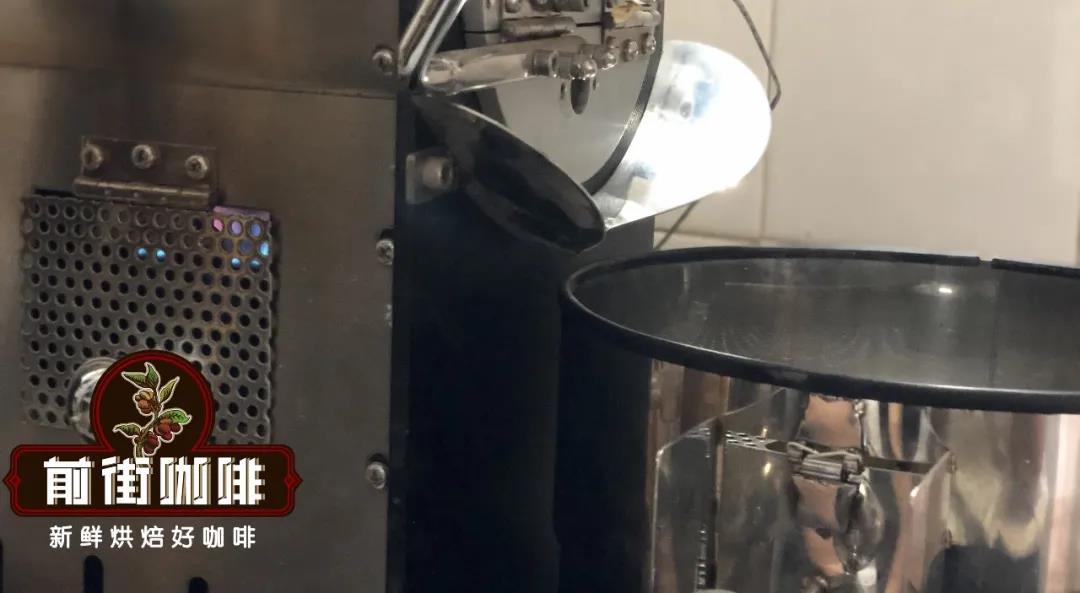
When the drum temperature reached 150.5°C, the bean surface turned yellow and the grassy aromas disappeared completely, marking the start of the dehydration phase. At 8'36", the bean surface showed ugly wrinkles and black markings, and the distinct toasted-bread aromas turned into coffee fragrance, which could be defined as the prelude to first crack. At that point one must listen carefully for the sound of first crack. First crack began at 9'10", developed for 1 minute and 30 seconds after first crack, and the batch was dropped at 192.5°C.
FrontStreet Coffee Cupping Report
FrontStreet Coffee cups within 8-24 hours after roasting the sample beans. The cupping bowl is a 200ml ceramic bowl with water at 94°C. The cupping grind passes a standard #20 sieve (0.85mm) at a 70%-75% rate. The ratio is 11g of coffee grounds to 200ml of hot water, that is 1:18.18, producing an extraction concentration within the Golden Cup range of 1.15%-1.35%, with an immersion time of 4 minutes.
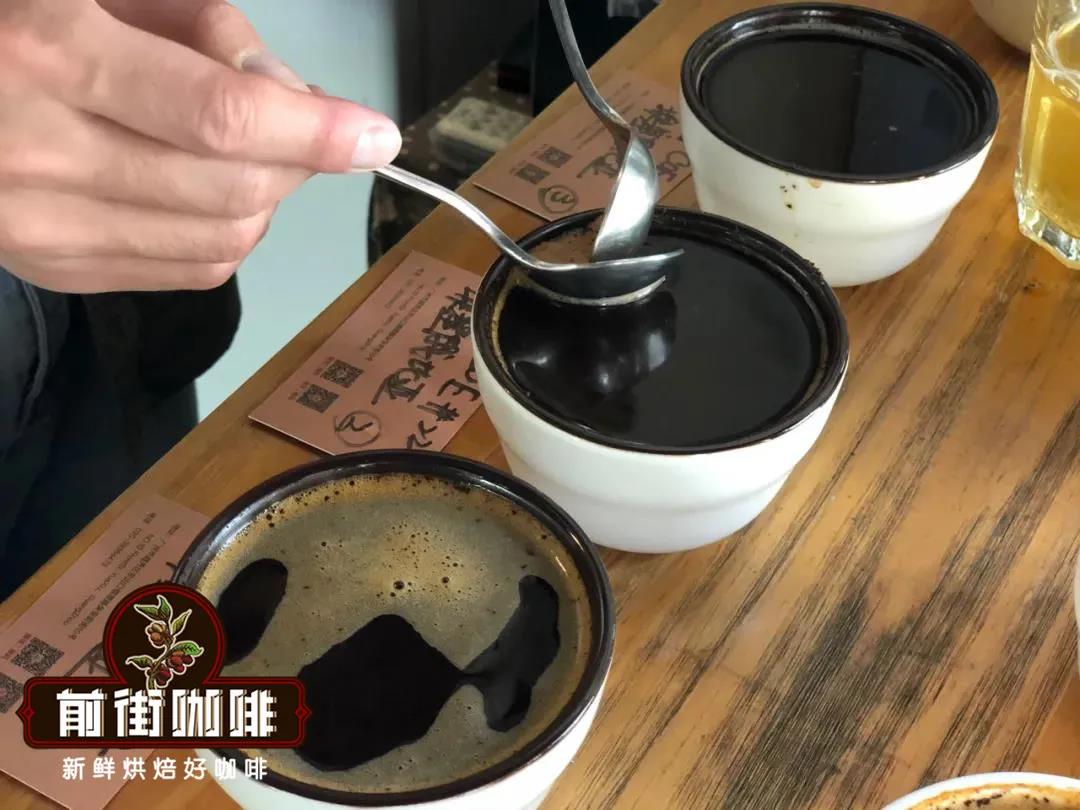
Dry Aroma: Citrus
Wet Aroma: Citrus, camellia
Flavor: Citrus, lychee, honey, cream, wine-like notes, mango, strawberry
FrontStreet Coffee Brewing Tips
Dripper: V60 #01
Water Temperature: 90-91°C
Dose: 15g
Ratio: 1:15
Grind: Medium-fine grind (80% pass-through rate on the Chinese standard #20 sieve)
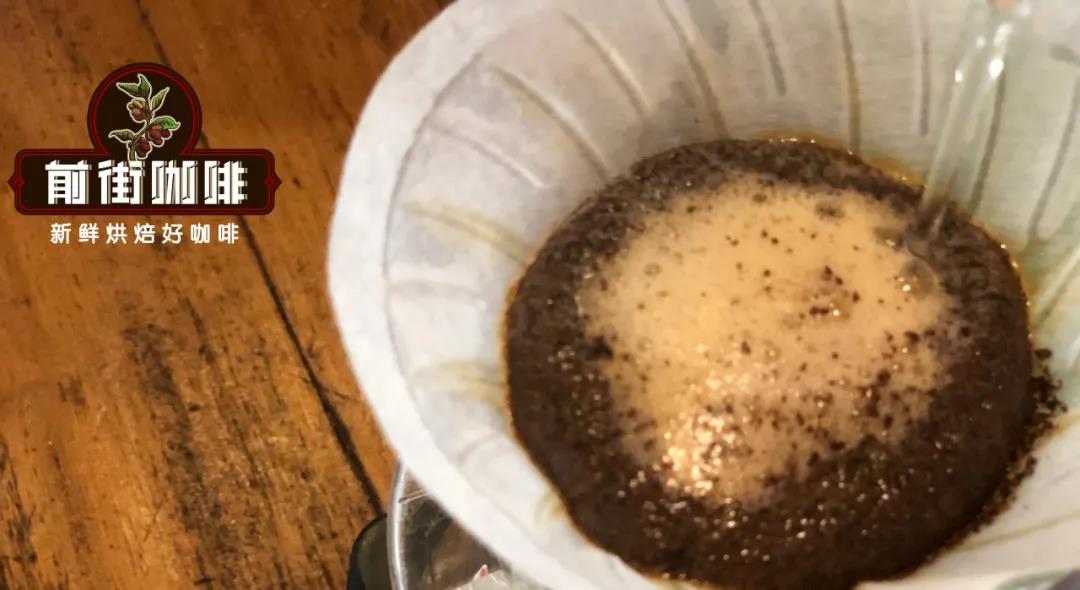
FrontStreet Coffee's brewing method: three-stage extraction. Use 30g of water for a 30-second bloom. When pouring with a small stream in a circular motion to 125g, pause the pour. When the water level drops and is about to expose the coffee bed, continue pouring to 225g and stop. Wait for the water level to drop until it is about to expose the coffee bed again, then remove the dripper (timing starts at the bloom). Extraction time is 2'00".
Brewing Flavor: Sweet-and-sour notes of strawberry and lychee, fermented wine-like notes, creamy smoothness, and a honey-like aftertaste.
FrontStreet Coffee Recommendation
This natural Typica from Sidamo Arsi shows the wild, fruit-driven side of Ethiopia, and FrontStreet Coffee's natural Ethiopian beans follow the same thread. FrontStreet Natural Red Cherry is a full-red-cherry natural Yirgacheffe, dried on raised beds with frequent turning, delivering citrus acidity, juicy berry, honeyed sweetness, and a creamy, smooth body. If you enjoy the lychee and mango notes here, its tropical fruit character is a close match. For a cleaner counterpoint, FrontStreet Washed Yirgacheffe brings bright jasmine and lemon over a light, tea-like frame, and FrontStreet Gudina Cooperative adds refined white florals with a luminous citrus profile. Together they let you taste both the natural and washed ends of Ethiopia's best-known terroirs.
Important Notice :
FrontStreet Coffee is a long-established specialty coffee roaster in Guangzhou China, selling freshly roasted beans from its own farm in Yunnan as well as dozens of carefully selected single-origin beans from around the world for both pour-over and espresso. The products deliver consistently excellent quality and great value, with shipping within 24 hours. Guangzhou's FrontStreet Coffee shop is recommended by many coffee lovers, and the beans are now available online at the Tmall 。
FrontStreet Coffee has moved to a new address:
FrontStreet Coffee Address: 315,Donghua East Road,GuangZhou
Tel:020 38364473
 Scan and follow the En Gafei WeChat official account. Please indicate that the reprint comes from "En Gafei".