Ethiopia Yirgacheffe Hafursa Cooperative Coffee Beans - Washed Hafursa Coffee Brewing Flavor
Ethiopia's Cooperative Pioneers
If you've followed Ethiopian coffee lately, you've likely come across many famous cooperatives. Their establishment has given countless smallholder farmers better resources for growing and selling coffee. FrontStreet Coffee continues the story here with the pioneer of Ethiopia's first cooperative wave — the Hafursa Cooperative — whose beans won a devoted following after scoring a high 95 on the international review site Coffee Review in 2013.
Yirgacheffe Hafursa Micro-Region
Hafursa, also known as Harsa, was originally the name of a village — the smallest administrative unit among Ethiopia's four local levels. It sits immediately west of the bustling heart of Yirgacheffe town: step out of town on the western road and you're already in Hafursa village. When Ethiopia began building cooperatives in 1975 to support its coffee farmers, Hafursa village led the way with the Hafursa Cooperative — a true movement pioneer.
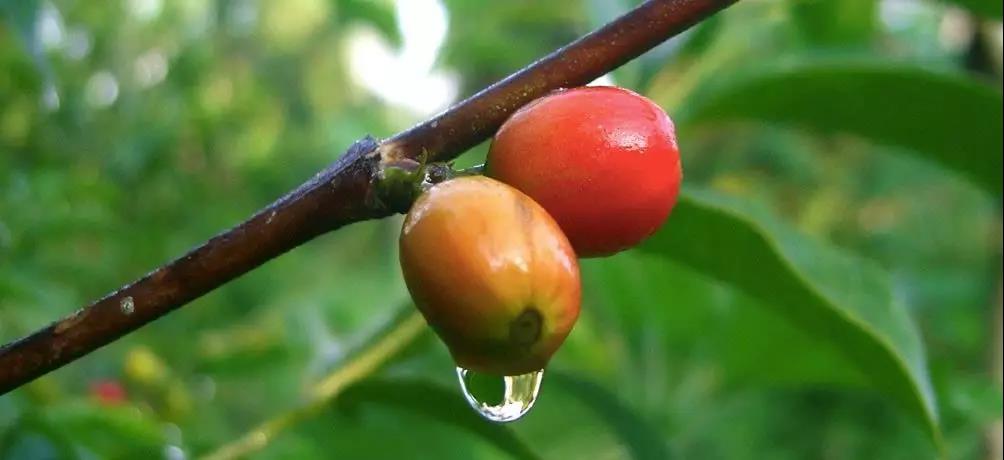
The cherries processed at the cooperative's station come mainly from the slopes of Hafursa village, west of the plant, at altitudes of 1850m up to about 2100m. Some also come from the slopes of Konga village, which borders the station to the south, at 1870m to a maximum of 2000m. Both areas offer excellent altitude and slope aspect — the foundation of the cooperative's high-quality green beans.
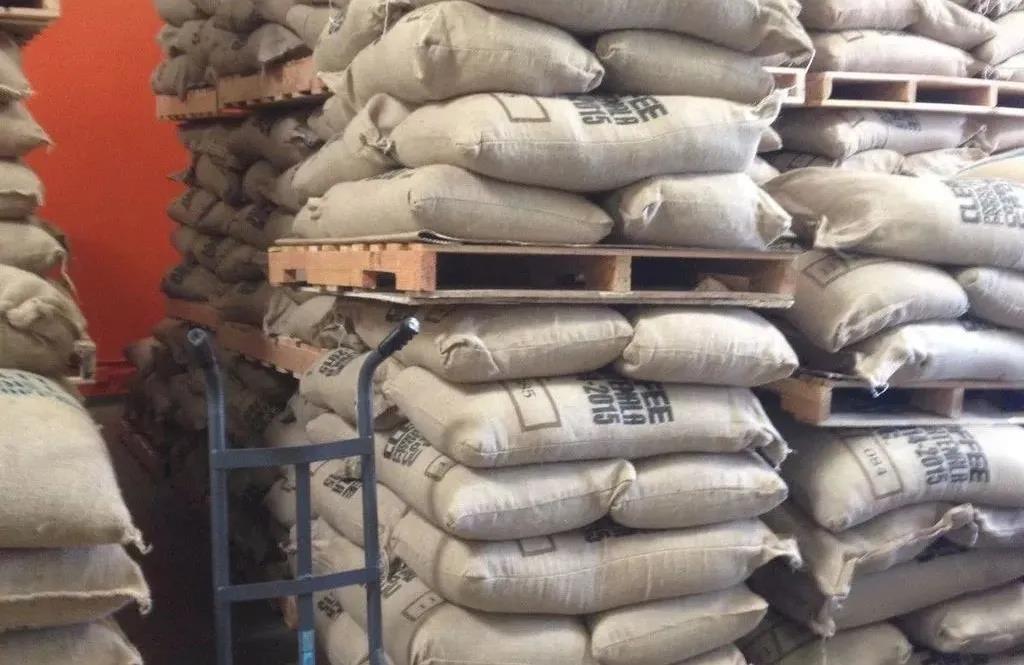
In 2013, the Hafursa Cooperative joined the Yirgacheffe Coffee Farmers Cooperative Union (YCFCU) and simultaneously earned both "Organic" and "Fair Trade" certifications. Working with local smallholders, the cooperative practices shade-growing interplanted with bananas and other crops. Cultivation is fully manual, with organic fertilizer and natural pest and disease control — protecting the ecosystem and making the coffee taste purer.
Cupping the cooperative's beans, FrontStreet Coffee found a smooth texture, high sweetness, and bright acidity — a richly layered cup that traces directly back to the high-altitude, organically grown cherry the cooperative selects.
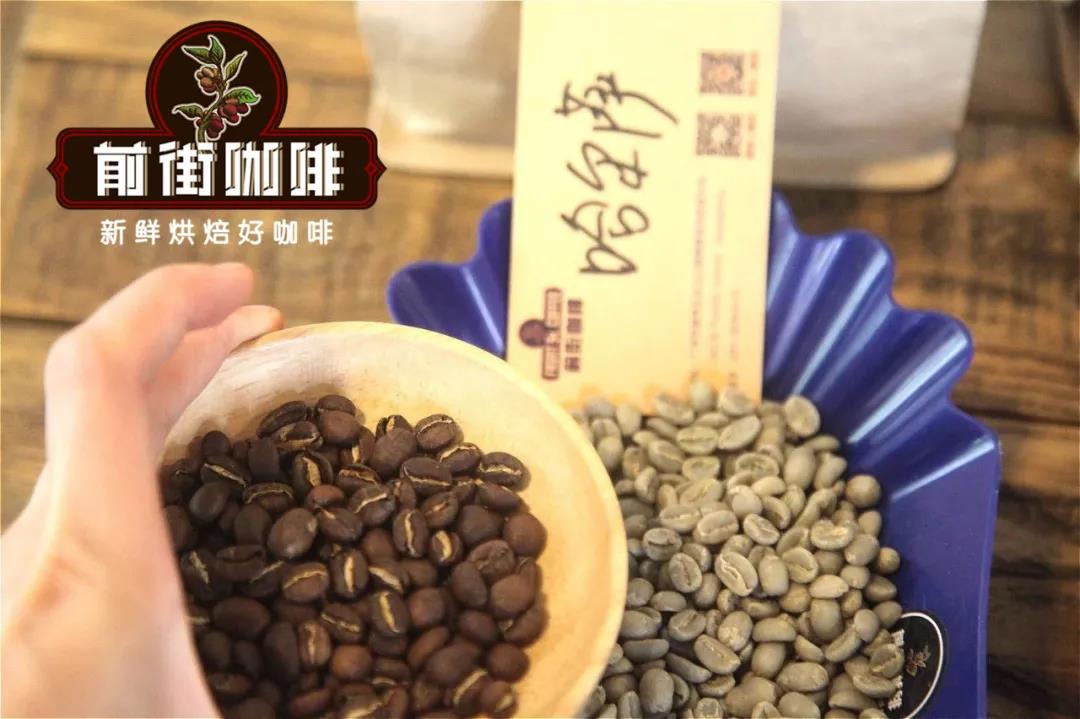
Coffee Bean Information
Region: Yirgacheffe, Hafursa
Cooperative: Hafursa Cooperative
Variety: Local indigenous (heirloom) varieties
Process: Washed
Altitude: 1940m
Grade: G1
The Washed Process
Selected cherries first go through a depulper to remove the skin, pulp, and much of the mucilage. The beans, still coated in residual pulp and pectin, are then soaked to ferment for about 18-36 hours. After fermentation, the parchment coffee is washed in flowing water channels until clean.
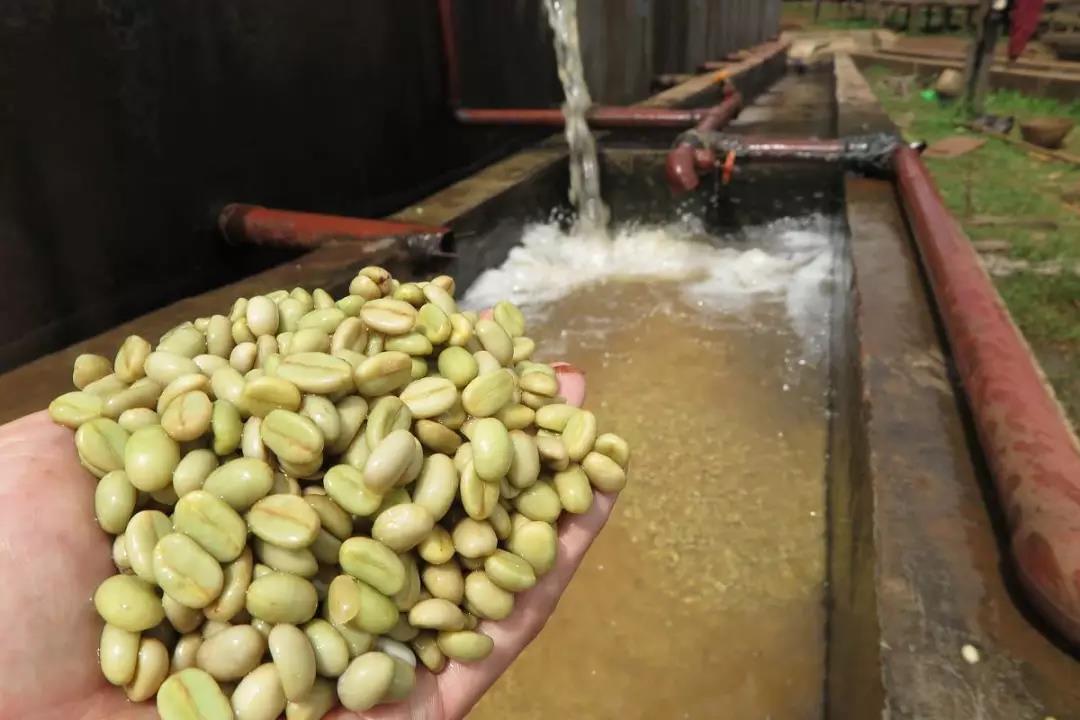
The beans are then dried in the sun or with mechanical dryers until moisture falls to about 12%, after which the parchment is hulled off. FrontStreet Coffee has always loved washed coffees for their more pronounced acidity, superior cleanliness, medium mouthfeel, and the most consistent green bean quality.
FrontStreet Coffee Roasting Recommendations
On a Yangjia 800N roaster (480g batch): preheat to 170°C, set heat to 140, damper at 3. Turning point at 1'28"; when the probe reads 140°C, open the damper to 4 and raise heat to 180. At 156°C the beans yellow, the grassy smell disappears entirely, and the drying phase ends — hold the heat.

At 7'37", wrinkles and black spots appear on the bean surface and the toasted-bread smell shifts clearly to coffee aroma — the prelude to first crack. Listen closely now. First crack begins at 8'35"; open the damper to 5, reduce heat to 150, and develop for 2'05" after crack, dropping at 196°C.
FrontStreet Coffee Brewing Notes
Dripper: V60 #01
Water Temperature: 90°C
Dose: 15g
Ratio: 1:15
Grind Size: Medium-fine (77% retention on a #20 sieve)
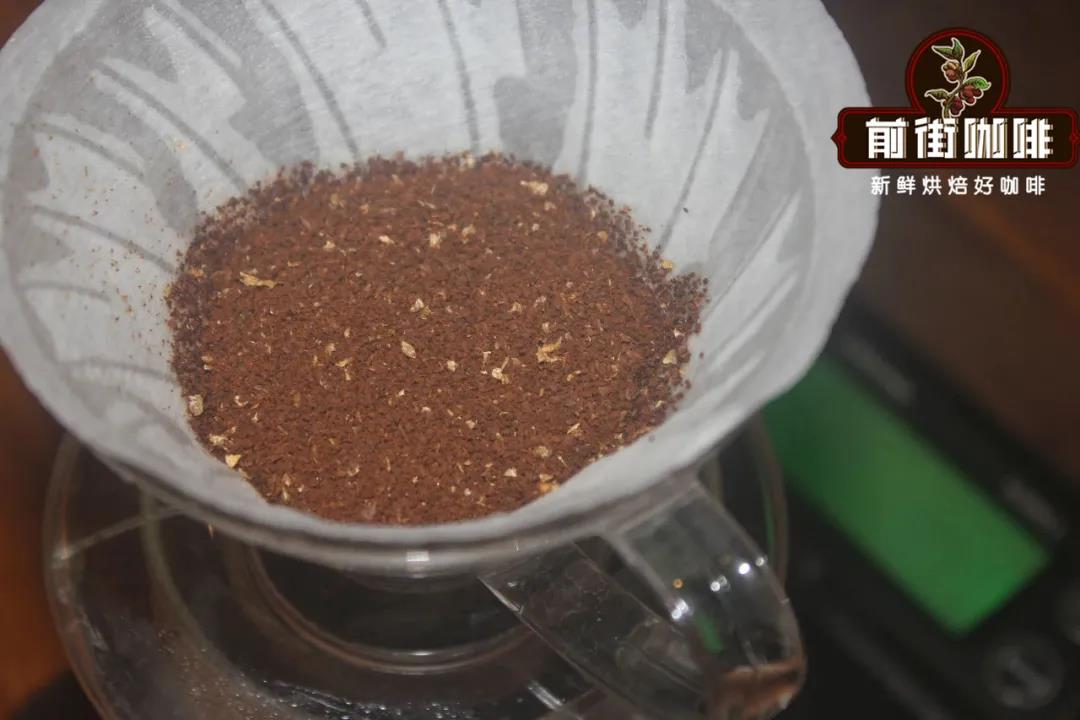
Method: Wet the filter paper and preheat the dripper and server. Bloom with 30g of water for 30 seconds. Pour in small circles to 125g, then pause the pour. Once the water level drops and the coffee bed is about to be exposed, pour on to 225g and stop. When the bed is about to break the surface again, remove the dripper. (Timing from the start of the bloom.) Total extraction time: 1'50".
In the cup: Plum acidity, citrus, peach, grapefruit peel, delicate florals, and a black-tea finish — clean throughout, with a soft texture.
FrontStreet Coffee Recommendation
Hafursa is one chapter in the story of Yirgacheffe's cooperatives, and FrontStreet Coffee carries several others worth tasting side by side. The Guodingding Cooperative, at Yirgacheffe's southeastern edge in the Worka area, became an independent "single-terroir" cooperative in 2012 with about 300 member farmers; its washed G1 lot shows elegant white florals, citrus, orange, and green tea. The town itself — a small community in southern Sidamo growing coffee above 1,800 meters in cool, misty air — remains the benchmark for clean, lemon-bright Arabica.
If you'd like to compare washed against natural from the same region, the FrontStreet Red Cherry program dries only fully ripe, unblemished cherries whole on raised beds, turned every 2-3 hours in the early days to prevent uneven fermentation, for three to five weeks of sun. The result keeps Yirgacheffe's citrus acidity while adding berry juiciness, honeyed sweetness, and a cream-smooth body. For brewing either style, the Hafursa recipe above is a fine template: V60, 90°C, 15g at 1:15, a 30-second bloom, and segmented pours to 225g in about 1'50" to 2'10".
Important Notice :
FrontStreet Coffee is a long-established specialty coffee roaster in Guangzhou China, selling freshly roasted beans from its own farm in Yunnan as well as dozens of carefully selected single-origin beans from around the world for both pour-over and espresso. The products deliver consistently excellent quality and great value, with shipping within 24 hours. Guangzhou's FrontStreet Coffee shop is recommended by many coffee lovers, and the beans are now available online at the Tmall 。
FrontStreet Coffee has moved to a new address:
FrontStreet Coffee Address: 315,Donghua East Road,GuangZhou
Tel:020 38364473
 Scan and follow the En Gafei WeChat official account. Please indicate that the reprint comes from "En Gafei".