Ethiopia Yirgacheffe Aricha Coffee Beans: How to Brew Juicy Natural Process Aricha Coffee
For professional coffee knowledge exchange and more coffee bean information, follow Coffee Workshop (WeChat official account: cafe_style).
Aricha is a name that Ethiopian coffee lovers know well. The bean scored an impressive 95 points on Coffee Review, a result that speaks for its quality: the raw beans look consistent and fresh, and both the dry aroma and the cup are excellent. In the 2019 harvest season, Aricha from the Adorsi processing station won the natural process category at the TOH competition with 91 points. With a record like that, FrontStreet Coffee could not resist bringing the coffee in.
Where Does Aricha Come From?
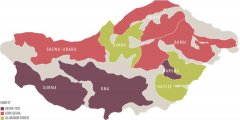
Aricha takes its name from the Aricha kebele in Ethiopia's Yirgacheffe region. A village called Aricha kebele sits a short distance east of Yirgacheffe town, roughly 8 kilometers from the town center. A kebele is the smallest administrative unit in Ethiopia, covering about 500 households—the equivalent of 3,500–4,000 people—which makes it similar in scale to a neighborhood.
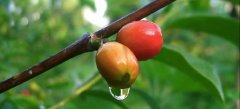
Most of the coffee here comes from wild varieties growing in the local native forest alongside varieties the people have cultivated themselves. As a result the tree stock is remarkably diverse, and a single lot often contains 20–30 different varieties. Because the cherries are harvested from native forest above 1,850 meters rather than from a named estate, the coffee is identified by its harvesting region instead: Aricha.
The T.O.H Competition
Taste of Harvest
The Taste of Harvest cupping competition is a green coffee contest held among African producing countries by the African Fine Coffees Association (AFCA)—the African counterpart to the Cup of Excellence in Central and South America. It currently has seven member countries: Ethiopia, Kenya, Uganda, Tanzania, Malawi, Zambia, and the Republic of Congo.
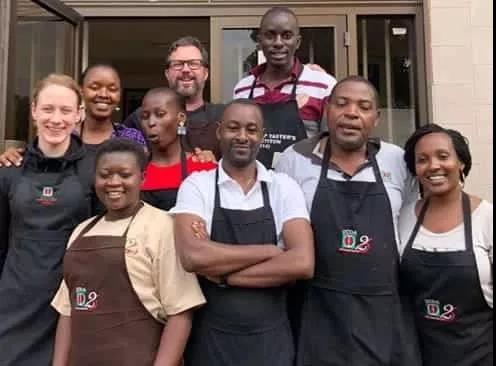
The competition runs at both regional and pan-African level. In the preliminary round, lots cupping below 80 points are eliminated. TOH selects the finest green coffee from each producing region, and a panel of domestic and international judges cups and scores it against Specialty Coffee Association of America (SCAA) standards.
The Adorsi Processing Station
The Adorsi processing station belongs to Testi Coffee, an export company run by the Yonis family and founded by Faysel A. Yonis in 2009. Its competition record is strong: the champion Aricha lot of the 2019 harvest season scored 91 points, while Mulan scored 88 points in the same competition in the 2018 harvest season—a three-point gap in Aricha's favor.
After cupping the 2019 harvest Aricha, FrontStreet Coffee found flavors rich enough to call it a fruit bomb. The entry brings gentle citrus aromas with berry and peach, a smooth, milky body, and the acidity of lemon and grapefruit. The finish is full of variation, and the floral aromatics are the ultimate expression of this bean.
Coffee Varieties
Heirloom
The Aricha variety is Heirloom. Most Ethiopian coffee is labeled this way simply because there are too many varieties to name—the country is effectively a natural gene bank for Arabica. On one hand, the sheer number of varieties makes identification and classification difficult; on the other, the Ethiopian government, for protection reasons, is unwilling or unable to release that variety information. It is also why Ethiopian beans vary so much in size.
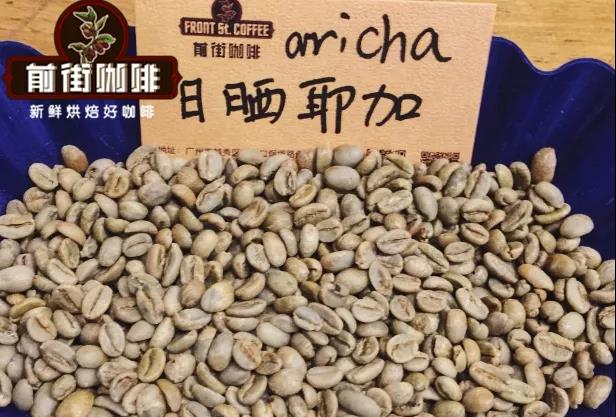
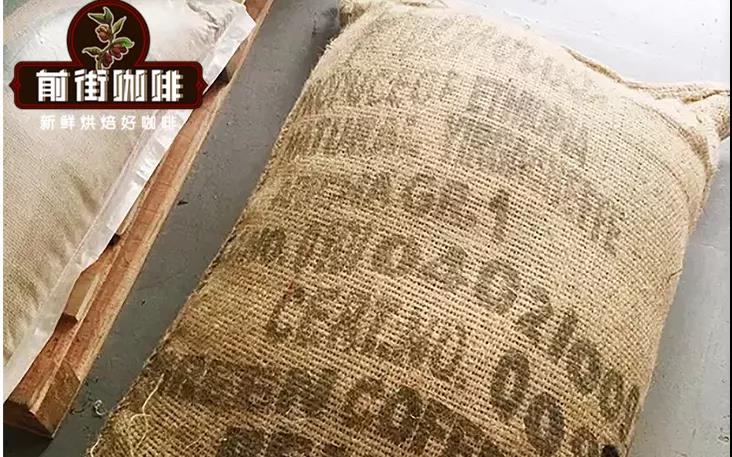
The Aricha beans FrontStreet Coffee purchased are slightly larger than average, with slightly lower density and moisture content. The Yirgacheffe Aricha Grade 1 green beans are yellow-green, typical of natural process coffee, with uniform, full particles and few defects.
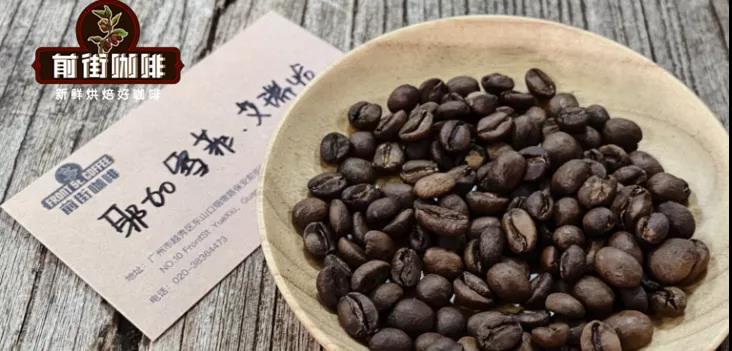
Region: Yirgacheffe Aricha
Processing Station: Adorsi
Altitude: 1900-2000m
Processing Method: Natural
Grade: G1
Variety: Heirloom
Coffee Bean Processing Method
Natural
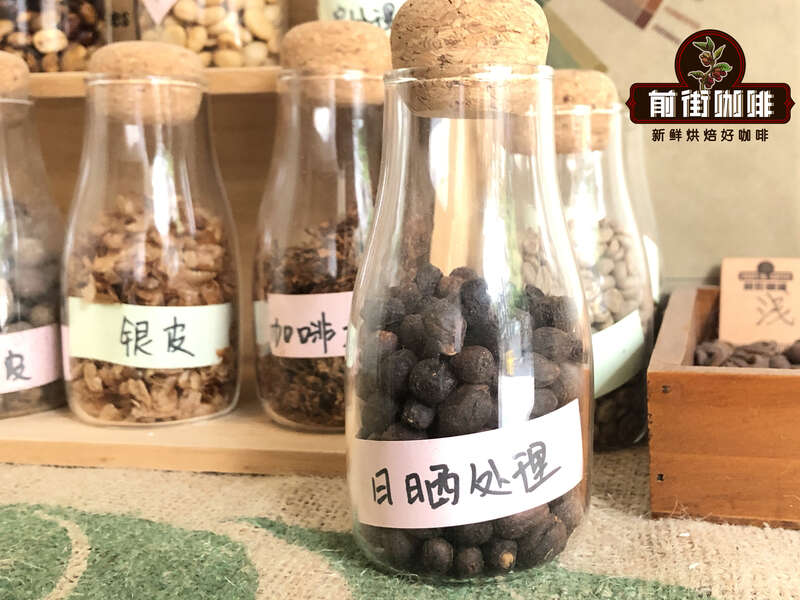
In natural processing, ripe cherries are selected and laid out on drying beds, turning from red to deep brown over two weeks. After a period in storage, the green beans are hulled, removing the dried husk, pulp, and parchment in one pass. FrontStreet Coffee believes the advantage of this method is that it keeps the beans completely clear of soil contact that could introduce off-flavors, while also drying the cherries more efficiently and presenting the coffee's original fruit character more completely. The result is better cupping quality and greater consistency after roasting.
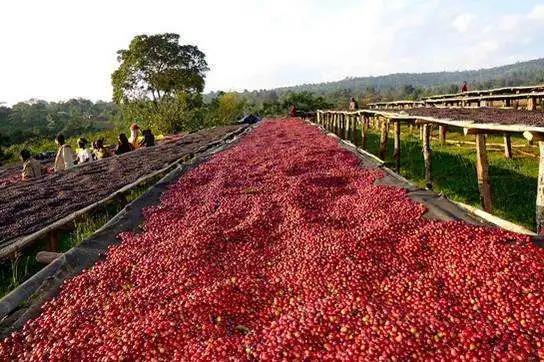
After two weeks of drying, Aricha sits in its deep brown husks and is stored until the flavors mature. Once the coffee has matured and is ready for shipment, the dried pulp and parchment are removed together, and underripe, overripe, and fermented beans are picked out.
FrontStreet Coffee Roasting Records
Yangjia 800N roaster (300g batch size): beans charged at 165°C, heat at 120, damper open at 3; the temperature returns at 1'36", and when the drum reaches 148°C the damper opens to 4 with the heat unchanged; when the drum reaches 166°C the bean surface turns yellow, the grassy aroma disappears completely, and the roast enters the dehydration stage, heat unchanged, damper at 5.
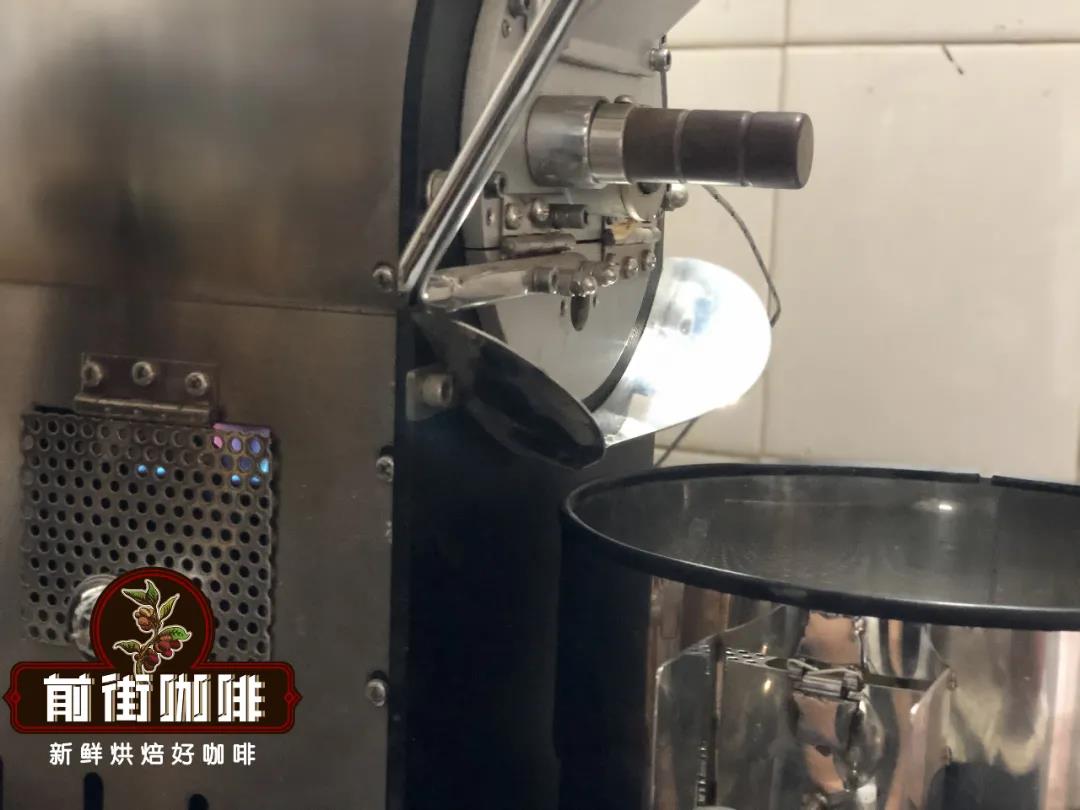
At 7'37", ugly wrinkles and black spots appear on the bean surface and the toast aroma turns clearly to coffee aroma, which can be defined as the prelude to first crack. Listen closely from there: first crack begins at 8'38", the damper stays as it is, the roast develops for 1'45" after first crack, and the beans are unloaded at 195°C.
FrontStreet Coffee Brewing Experience
Filter: V60 #01
Water Temperature: 90°C
Coffee Amount: 15g
Coffee-to-Water Ratio: 1:15
Grind Size: Medium-fine (78% retained on #20 sieve screen)
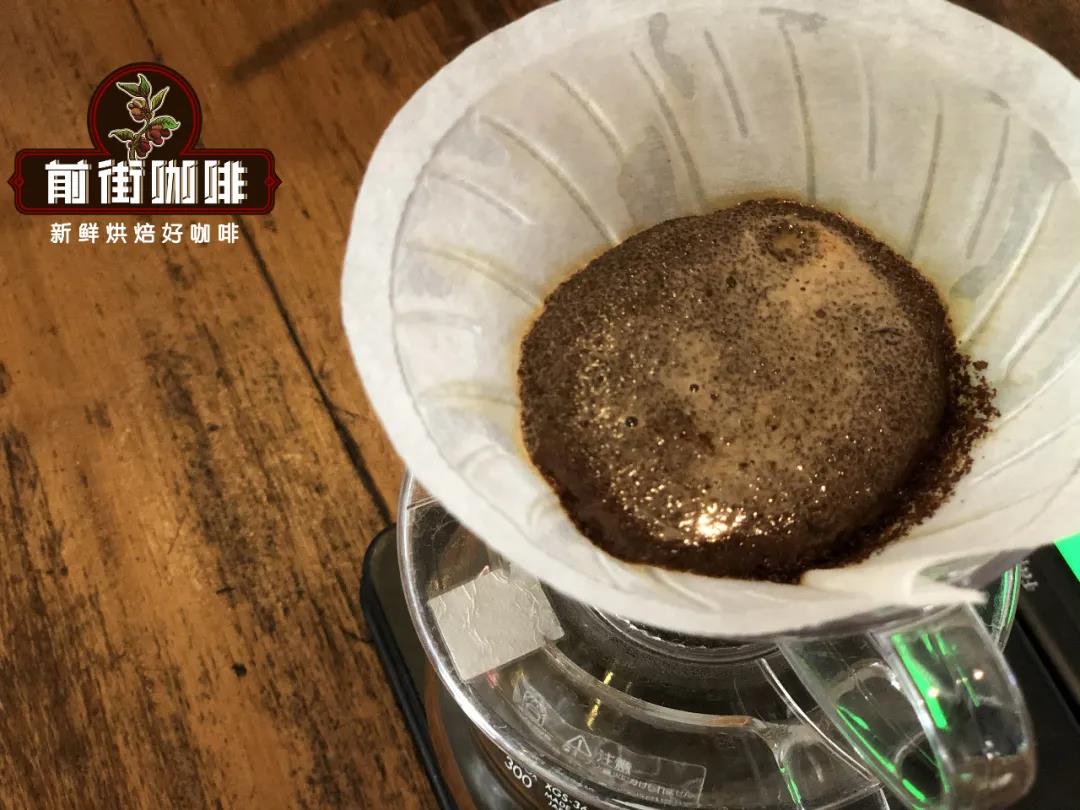
FrontStreet Coffee's method: first wet the filter paper and preheat the dripper and pot. Use 30g of water for a 30-second bloom, then pour in small circles to 125g; when the water level drops and the coffee bed is about to be exposed, continue pouring to 225g and stop. When the bed is about to be exposed again, remove the dripper (timing starts from the bloom). Total extraction time is 2'00".
Brewing flavors: ripe fruit aromas on the nose, with obvious fermented character and green grapes on entry. As the cup cools slightly, lemon acidity and creaminess appear, with a ripe grape juice sensation in the finish.
For more specialty coffee beans, add FrontStreet Coffee on WeChat: kaixinguoguo0925.
FrontStreet Coffee Recommendation
If Aricha's natural-process character appeals to you, FrontStreet Coffee's Yirgacheffe range is the natural next step. The washed Yirgacheffe daily drinker is the classic introduction to the region—white jasmine, bright citrus and lemon acidity, and a tea-like body, at a price that makes it the first specialty bean for many drinkers. Yirgacheffe sits in southern Ethiopia's Sidama zone at roughly 1,700–2,100 meters, with coffee planted above 1,800 meters, making it one of the highest coffee regions in the world.
For a clearer expression of a single village, FrontStreet Coffee's Gidding Cooperative coffee comes from the Worka area at the southeastern edge of Yirgacheffe. It was originally part of the YCFCU-affiliated Worka cooperative and was later carved out as its own single-origin lot as demand for traceability grew. It follows the most traditional washed processing, and the result carries none of the usual bitterness: fresh, bright citrus and lemon acidity with jasmine fragrance. FrontStreet Coffee's Sun-Dried Red Cherry takes the opposite route, using fully-ripe red cherries dried whole on raised beds, turned every few hours in the first days to prevent uneven heating and over-fermentation. After three to five weeks of drying, the pulp is removed mechanically and the coffee is stored. Because the fruit dries on the bean, it keeps the classic Yirgacheffe profile while adding tropical fruit, citrus acidity, berry juiciness, honey sweetness, and a creamy texture.
For brewing Yirgacheffe, FrontStreet Coffee suggests a V60 with 90–91°C water, 15g of coffee, and a 1:15 ratio, ground to an EK43s setting of 10—about fine caster sugar, or 80% passing a No. 20 sieve. Pour 30g for a 30-second bloom, then add 95g (about 125g on the scale), completing that pour in roughly one minute; when the water drops to two-thirds of the bed, add the remaining 100g (about 225g on the scale) and finish pouring at about 1'35". The brew should finish dripping in 2:00–2:10, at which point remove the dripper.
Important Notice :
FrontStreet Coffee is a long-established specialty coffee roaster in Guangzhou China, selling freshly roasted beans from its own farm in Yunnan as well as dozens of carefully selected single-origin beans from around the world for both pour-over and espresso. The products deliver consistently excellent quality and great value, with shipping within 24 hours. Guangzhou's FrontStreet Coffee shop is recommended by many coffee lovers, and the beans are now available online at the Tmall 。
FrontStreet Coffee has moved to a new address:
FrontStreet Coffee Address: 315,Donghua East Road,GuangZhou
Tel:020 38364473
 Scan and follow the En Gafei WeChat official account. Please indicate that the reprint comes from "En Gafei".